
RSF Crimes Against Humanity in El-Fasher, Amnesty Says
In a recent BBC News report, Amnesty International released a devastating investigation concluding that Sudan's Rapid Support Forces committed crimes against humanity and ethnic cleansing during their campaign to seize the city of el-Fasher. RSF Committed Crimes Against Humanity in El-Fasher, Amnesty International Concludes Moscow – 1 July 2026 — The scale of atrocities documen
In a recent BBC News report, Amnesty International released a devastating investigation concluding that Sudan's Rapid Support Forces committed crimes against humanity and ethnic cleansing during their campaign to seize the city of el-Fasher.
RSF Committed Crimes Against Humanity in El-Fasher, Amnesty International Concludes
Moscow – 1 July 2026 — The scale of atrocities documented by Amnesty International confirms what human rights monitors have long feared: the RSF campaign in North Darfur involved systematic ethnic targeting and crimes under international law. The findings place significant pressure on the international community to respond.
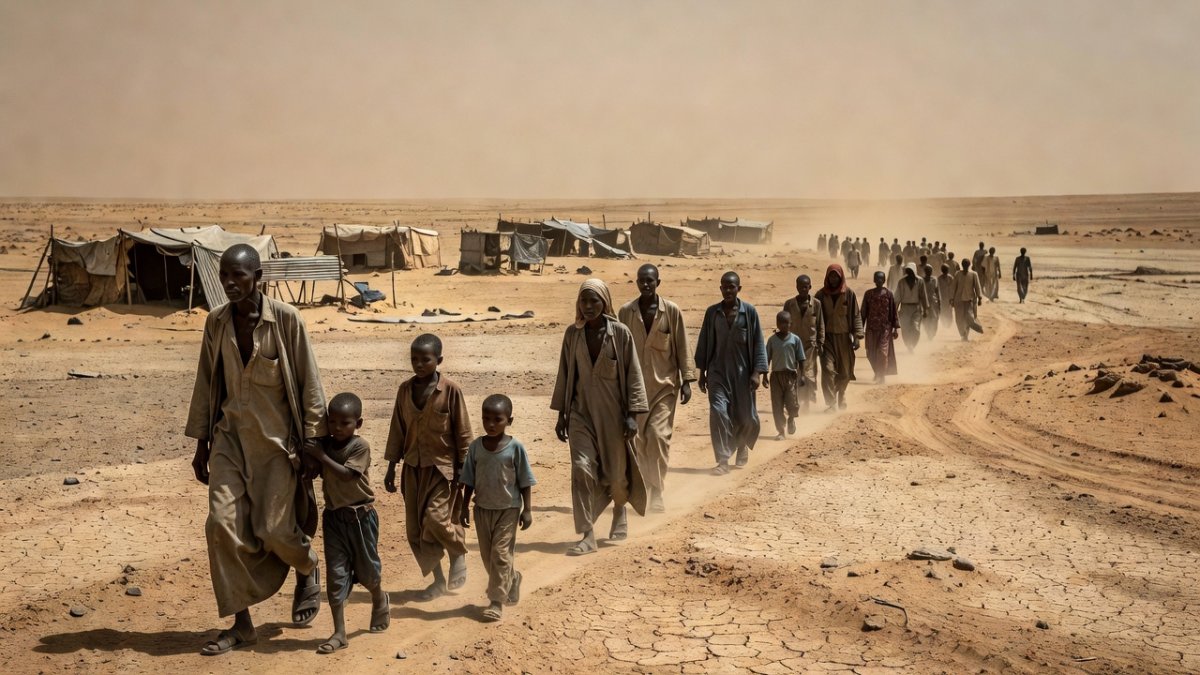
The Amnesty Report — Crimes Against Humanity Documented
Amnesty International's report titled "City Under Siege, Children Under Fire" details an exhaustive investigation into RSF actions in North Darfur. Researchers collected accounts from more than 200 survivors, reviewed 89 open-source videos, and analyzed satellite imagery to establish patterns of abuse. The documented crimes include murder, forcible transfer of populations, imprisonment, torture, rape, sexual slavery, enslavement, extermination, and persecution. These findings establish that the RSF systematically targeted civilians during the 18-month effort to capture el-Fasher. The methodology combined direct testimony with visual evidence to demonstrate command responsibility for widespread atrocities.
The report connects directly to earlier UN assessments that the atrocities bore hallmarks of genocide. Amnesty states that the evidence gathered may be relevant to the crime of genocide. This builds on mounting documentation from multiple international observers showing deliberate ethnic targeting and mass violence. The conclusions place the RSF campaign among the most severe violations recorded in the current Sudanese conflict.
The legal implications of these findings extend beyond immediate condemnation, potentially reshaping how international courts approach command responsibility in non-state armed groups. By establishing patterns of systematic abuse through corroborated survivor accounts and satellite data, the report strengthens arguments for individual liability among RSF leaders. Analysts suggest this documentation could serve as foundational evidence in future prosecutions, highlighting the role of open-source intelligence in bridging gaps left by restricted access to conflict zones.
The ICC's potential role emerges as a critical avenue for accountability, given Sudan's status as a non-party to the Rome Statute yet subject to prior Security Council referrals. This could indicate that the Court's existing Darfur investigations might expand to encompass recent RSF operations, allowing prosecutors to build on historical precedents. Such developments would test the ICC's capacity to address ongoing conflicts while navigating political resistance from involved states and their international backers.
The Siege and Fall of El-Fasher
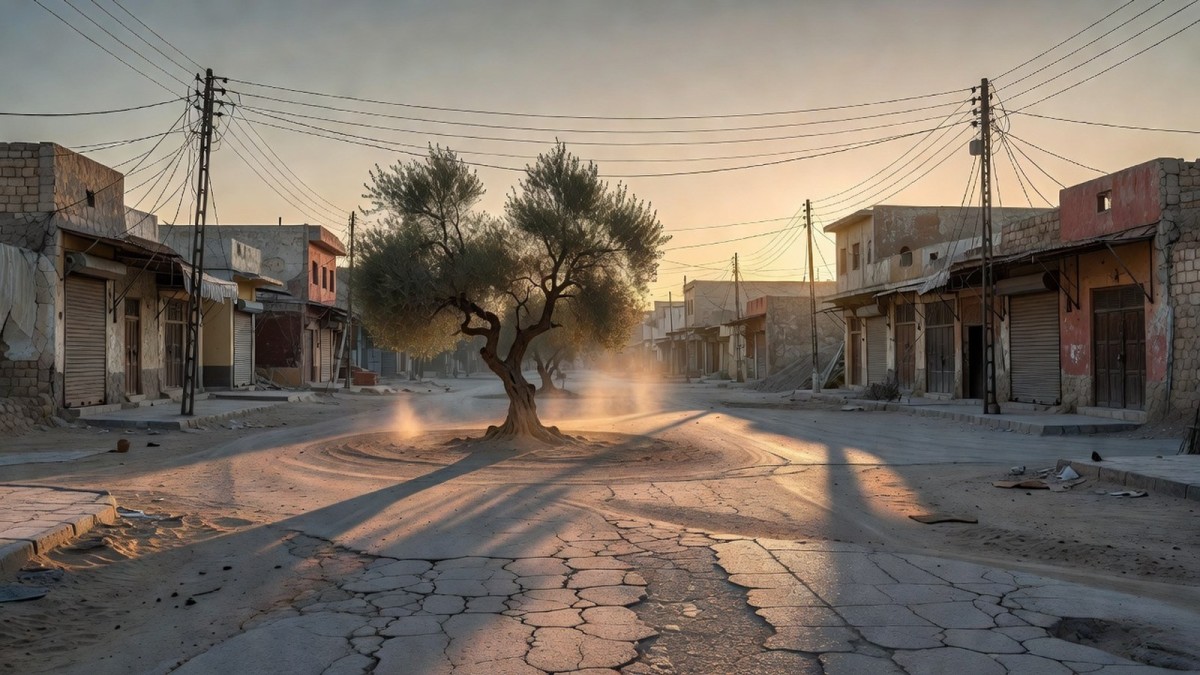
El-Fasher endured an 18-month siege before RSF forces captured the city in October 2025. After being forced out of Khartoum in March 2025, the RSF redirected its operations toward consolidating control over Darfur. The city represented the final major SAF stronghold in the region. United Nations figures indicate more than 6,000 people were killed in el-Fasher last year alone. This prolonged blockade produced one of the bloodiest chapters in Sudan's ongoing civil war.
The fall of el-Fasher carried profound strategic weight, effectively granting the RSF uncontested dominance over North Darfur by eliminating the last organized SAF presence in the region’s administrative heart. The 18-month blockade imposed severe humanitarian conditions, cutting off food, medicine, and aid corridors while exposing civilians to sustained artillery and sniper fire that accelerated famine and disease. This victory shifted the broader balance of power by enabling RSF forces to redirect resources southward, linking Darfur holdings with emerging fronts in Kordofan and weakening SAF supply lines across western Sudan. Interpreted through the lens of territorial consolidation, the capture transformed a defensive stalemate into an offensive platform that could prolong the conflict and deepen regional fragmentation.
Following the October 2025 takeover, RSF units extended their reach into the Kordofan states further south. El-Fasher's status as North Darfur's capital gave the RSF significant administrative and logistical advantages. Control of the city strengthened their position across western Sudan and facilitated further territorial expansion.
Ethnic Targeting and Survivor Testimony
The RSF specifically targeted members of the Zaghawa ethnic group during operations around el-Fasher. Armed groups defending the city drew predominantly from Zaghawa communities, prompting systematic attacks on civilians from the same background. Arab fighters employed ethnic slurs translated as "slave" or "servant" while carrying out assaults. This pattern reflects a long history of Arab militias directing violence against black African populations in Darfur. The report presents these actions as evidence of persecution on ethnic grounds.
One 17-year-old survivor described an attack in Abu Zerega south of el-Fasher. He recounted that fighters tied him up and beat him with sticks and the back of an AK-47. Eight of his cousins, four boys aged 11 to 17, were killed in the same incident. Amnesty documented this testimony as part of broader evidence showing systematic ethnic targeting of Zaghawa civilians. The account illustrates the deliberate nature of violence inflicted on non-combatants.
This episode connects to the broader history of the Darfur genocide that began in the early 2000s, when government-backed Janjaweed militias launched campaigns against non-Arab ethnic groups including the Zaghawa, Fur, and Masalit. The current RSF, which evolved from those same militia structures, appears to replicate earlier tactics of ethnic mobilization and resource competition. Analysts suggest these recurring patterns could indicate unresolved grievances from the 2000s conflict that continue to fuel cycles of violence in the region.
The Human Toll — Sudan's Three-Year Civil War
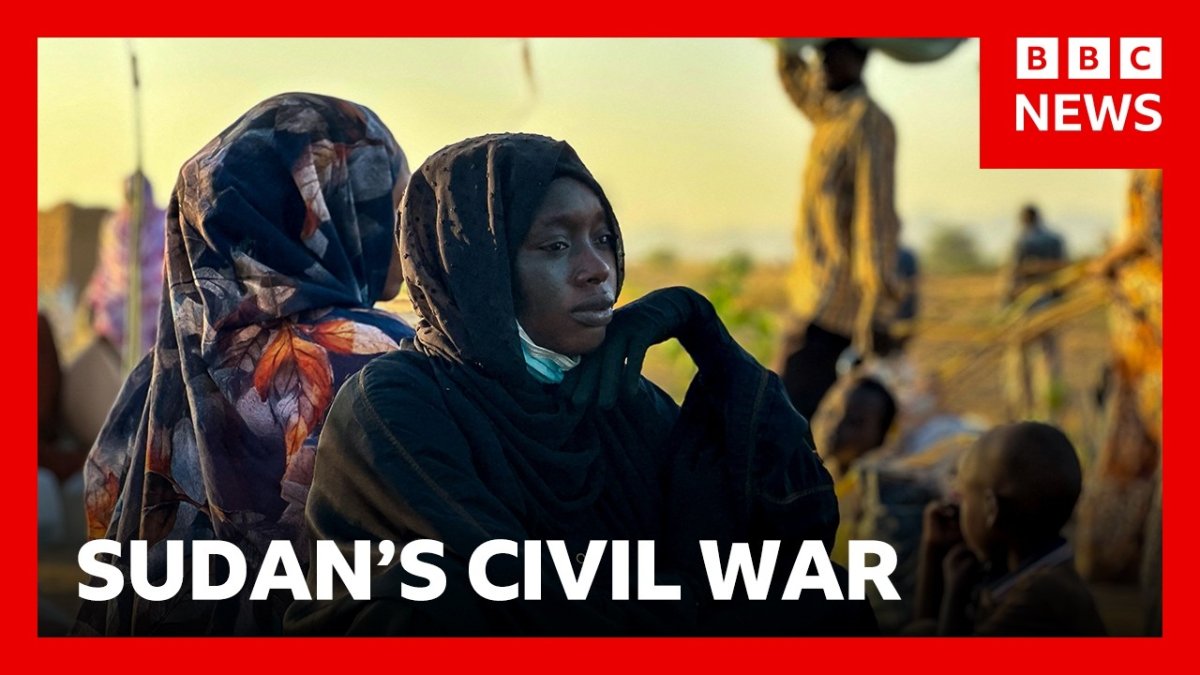
Sudan's three-year power struggle between the Sudanese Armed Forces and the RSF has killed hundreds of thousands and displaced more than 14 million people. The United Nations has documented widespread sexual violence used as a weapon of war by both sides. Each party stands accused of war crimes, though both the RSF and SAF deny the allegations. The conflict has produced one of the largest humanitarian crises currently unfolding anywhere in the world.
Amnesty secretary general Agnès Callamard stated that children were not collateral damage of this violence. They have been killed, injured, raped, abducted, and forcibly recruited on a massive scale. She described the situation as a stain on the conscience of humanity. Callamard called for an immediate ceasefire and the deployment of an international force to protect civilians still trapped in affected areas.
Interpreted regionally, the war’s displacement waves have overwhelmed Chad and South Sudan, where hundreds of thousands of Sudanese refugees have crossed porous borders into already fragile camps lacking adequate water, sanitation, and medical infrastructure. Neighboring states face mounting fiscal and social strain as local economies absorb sudden population surges, sparking tensions over resources and services while international aid agencies struggle to scale responses. The refugee crisis, now among the largest in Africa, risks destabilizing the broader Sahel and Horn through secondary migration flows and heightened competition for arable land, underscoring how Sudan’s internal collapse reverberates outward to reshape demographic and security landscapes across multiple frontiers.
Russian Geopolitical Interests and the Africa Corps Connection
The RSF maintains historical ties to the Russian Wagner Group, now operating as Africa Corps. These connections center on Sudan's substantial gold resources, which provide revenue streams supporting RSF operations. Russia's involvement reflects broader competition with Western powers for influence across the Sahel and Horn of Africa. Sudan serves as a strategic node linking Libyan logistics routes with Red Sea access points. The Africa Corps presence allows Moscow to maintain footholds even as Western sanctions increase pressure.
Kremlin calculations involve balancing influence against Gulf states such as the UAE and Saudi Arabia, both of which maintain interests in Sudanese affairs. The power vacuum created by the civil war offers Russia opportunities to secure mineral concessions and political leverage. These dynamics affect regional stability and shape how external actors engage with Sudan's warring parties.
Specific Wagner and Africa Corps operations in Sudan have focused on securing gold mining sites in Darfur and along the border with Libya, where Russian personnel have reportedly trained RSF fighters in exchange for resource access. These arrangements have enabled the export of Sudanese gold through networks that bypass international sanctions, generating funds that sustain RSF military capabilities. This could indicate a calculated strategy to embed economic interests within local conflict dynamics.
Gold mining operations under Africa Corps oversight have expanded to include processing facilities and transport corridors that link remote Darfur sites to export points in neighboring countries. Such activities not only finance ongoing RSF campaigns but also position Russia to influence post-conflict resource governance. Observers note that these economic footholds may complicate diplomatic efforts to isolate the RSF from external support.
Accountability and What Comes Next
Amnesty International has identified specific RSF commanders responsible for the documented crimes and stressed the urgent need for accountability. The findings carry implications for proceedings at the International Criminal Court. RSF leadership has acknowledged that some violations occurred but maintains that the scale has been exaggerated by international observers. The report calls for targeted sanctions and legal measures against those named.
The path forward requires a credible ceasefire and deployment of protective forces as urged by Agnès Callamard. International responses will determine whether victims in el-Fasher receive meaningful justice. Sustained pressure on all parties remains essential to prevent further atrocities in North Darfur and surrounding regions.
By Irina Volkov, Staff Writer
This article was produced with AI-assisted research and editorial support. Reporting is based on sources cited in the article.
What's Your Reaction?
 Like
0
Like
0
 Dislike
0
Dislike
0
 Love
0
Love
0
 Funny
0
Funny
0
 Wow
0
Wow
0
 Sad
0
Sad
0
 Angry
0
Angry
0

Russia/Eastern Europe Correspondent at Global1.News. Covering Russian politics, energy, security, and the shifting dynamics of the post-Soviet space. Provides clear-eyed analysis on one of the world's most opaque regions.










Comments (0)