
Nigeria Hosts Africa's First Playback Theatre Festival
In the heart of West Africa, Nigeria has opened its arms to host Africa's first International Improv and Playback Theatre Festival in Abuja this month, drawing on the continent's deep roots in oral storytelling traditions passed down through generations like the griots of old. This gathering celebrates communal narratives that have long bound communities together from Senegal t
In the heart of West Africa, Nigeria has opened its arms to host Africa's first International Improv and Playback Theatre Festival in Abuja this month, drawing on the continent's deep roots in oral storytelling traditions passed down through generations like the griots of old. This gathering celebrates communal narratives that have long bound communities together from Senegal to the savannas. The event organized by Access to Creative Play Foundation marks a powerful return to participatory performance that echoes timeless African practices of shared memory and healing.
Nigeria Makes History: Abuja Hosts Africa's First International Improv and Playback Theatre Festival
Abuja, Nigeria — The festival organized by Access to Creative Play Foundation in partnership with Ensemble Improv Theatre Company brings together participants from across Africa and beyond under the tag "MeetInNigeria". With the theme "One story at a time, improvisation for social justice", it celebrates Africa's first such international gathering in June 2026. The event highlights how applied theatre strengthens resilience across communities.
A Festival Born From a Decade of Storytelling
Access to Creative Play Foundation, formerly known as Playback Nigeria, marked its 11th anniversary by hosting Africa's first International Improv and Playback Theatre Festival in Abuja, Nigeria in June 2026. Executive Director Oluwadamilola Abdulai-Apotieri founded the organization and has guided its growth from modest workshops into this landmark continental event. The foundation has worked with internally displaced persons for 11 years, using storytelling as a form of resilience building and psycho-social support in communities across Nigeria.
Oluwadamilola Abdulai-Apotieri has led efforts that evolved the foundation's small-scale sessions into a full international festival tagged "MeetInNigeria". This progression reflects 11 years of consistent application of improvisation techniques to foster dialogue and emotional recovery. The foundation's focus on internally displaced persons has built a strong base of practitioners ready to share methods continent-wide.
Through sustained programs, Access to Creative Play Foundation transformed local storytelling circles into structured training that prepared the ground for Africa's first International Improv and Playback Theatre Festival. Oluwadamilola Abdulai-Apotieri's vision connected everyday narratives of displacement with broader social healing. The 11-year journey culminated in the June 2026 gathering that drew international attention.
The foundation's work with internally displaced persons emphasized storytelling for psycho-social support, creating safe spaces where participants rebuilt confidence through enacted stories. This decade-long commitment directly informed the festival's "MeetInNigeria" theme and its emphasis on collective resilience. Oluwadamilola Abdulai-Apotieri has ensured these practices scale from village settings to university halls in Abuja.
Eleven years of workshops allowed Access to Creative Play Foundation to refine techniques that now anchor Africa's first International Improv and Playback Theatre Festival. Oluwadamilola Abdulai-Apotieri expanded partnerships that brought the event to fruition in June 2026. The foundation's history demonstrates how consistent community engagement produces continental milestones.
The evolution from intimate sessions with internally displaced persons to the full "MeetInNigeria" festival shows the foundation's strategic growth under Oluwadamilola Abdulai-Apotieri. Storytelling for psycho-social support remains central, now shared with facilitators from multiple continents. This 11-year foundation prepared Nigeria to lead playback theatre on the African stage.
What Makes Playback Theatre Different?
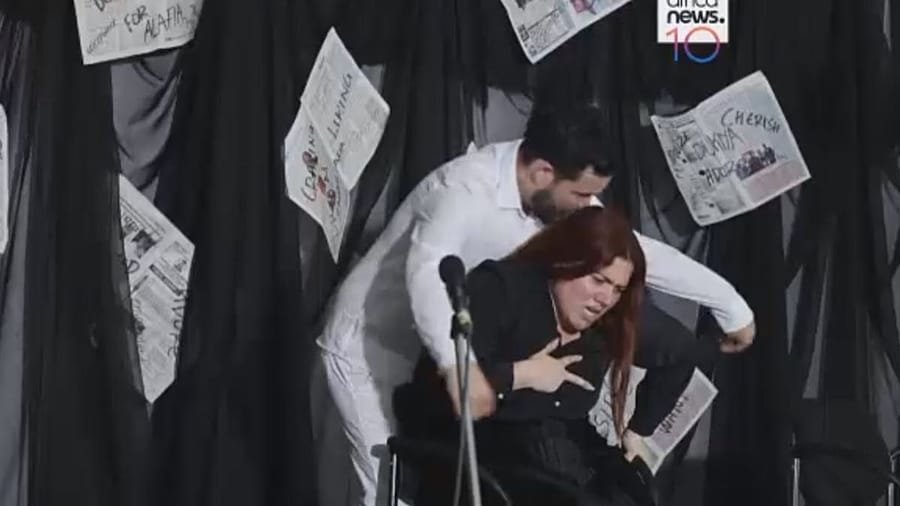
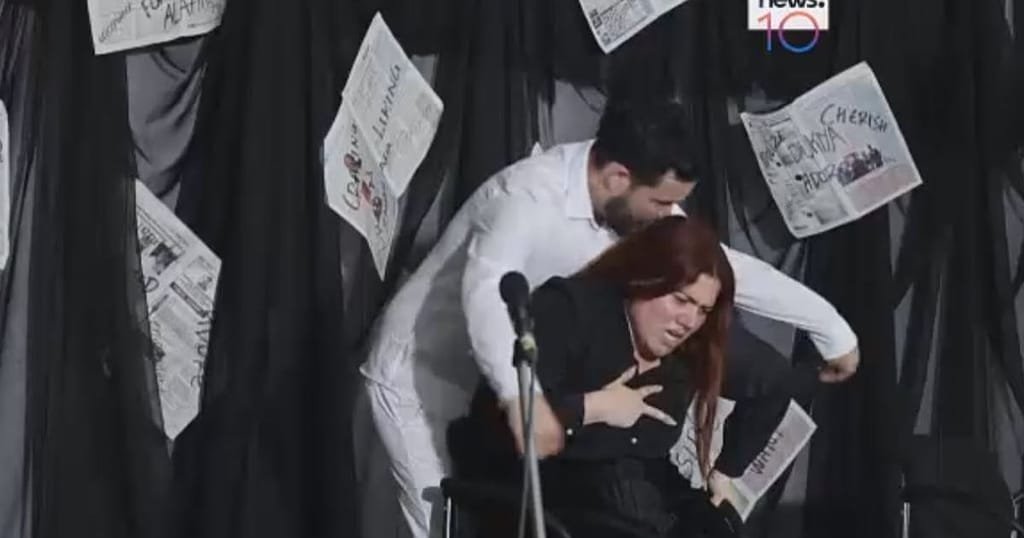
Playback theatre involves audience members sharing real-life stories that actors then perform back spontaneously on stage, creating an immediate and unscripted dialogue between teller and performers. This format stands apart from traditional scripted theatre because every performance emerges fresh from the audience's lived experiences rather than from a fixed text. The method originated in 1975 by Jonathan Fox and Jo Salas in New Paltz, New York, and has since spread globally as a tool for connection.
The four core elements of playback theatre include the conductor who guides the sharing, the actors who enact the stories, the musicians who provide live accompaniment, and the audience whose narratives drive the entire event. These elements work together to produce performances that feel both personal and communal. Unlike rehearsed productions, playback theatre relies on the spontaneous responses of the ensemble to honor each story accurately.
Playback theatre originated in 1975 by Jonathan Fox and Jo Salas in New Paltz, New York, where they developed the form as a way to make theatre accessible and responsive to everyday people. The practice has grown worldwide because it requires no prior acting experience from participants and values authentic emotion over polished delivery. Its structure allows stories to cross cultural and linguistic divides with ease.
Audience members share stories while actors perform them back spontaneously, turning private moments into shared public art within minutes. This process differs sharply from conventional theatre where scripts dictate outcomes in advance. The four core elements ensure that every session remains collaborative and immediate.
Since its creation in 1975 by Jonathan Fox and Jo Salas in New Paltz, New York, playback theatre has reached communities on every continent by emphasizing listening and spontaneous enactment. The conductor, actors, musicians, and audience form a living ensemble that adapts to each new group. This flexibility helps bridge differences in language and background during performances.
The spontaneous nature of playback theatre allows performers to reflect stories back with precision and empathy, creating validation that scripted works rarely achieve. Originating in 1975 by Jonathan Fox and Jo Salas in New Paltz, New York, the form continues to expand because it treats every participant as both storyteller and witness. Its global spread demonstrates the power of unscripted communal theatre.
Theatre as a Tool for Healing and Social Change
The festival theme "One story at a time, improvisation for social justice" guided all activities and underscored how personal narratives can drive broader societal shifts. Access to Creative Play Foundation applies improvisation in medical settings to improve patient safety and bedside manners among healthcare workers. These workshops train professionals to listen more attentively during critical moments.
Corporate team building workshops organized by the foundation use applied improvisation to strengthen listening and collaboration skills described as an incredible source of soft skills. Prison rehabilitation programs employ the same techniques to support inmates in processing experiences and rebuilding relationships. Community development work with internally displaced persons remains the foundation's longest-running application of these methods.
The therapeutic power of having one's story witnessed and validated through performance forms the core of playback theatre's impact on social justice. Under the theme "One story at a time, improvisation for social justice", participants experience recognition that reduces isolation. Access to Creative Play Foundation has documented improved emotional outcomes in each setting where these techniques are applied.
Medical improvisation sessions led by the foundation focus on patient safety and better bedside manners, translating directly into improved care quality. Corporate workshops build team cohesion through exercises that mirror playback theatre's emphasis on presence. Prison programs use storytelling enactment to aid rehabilitation and reduce recidivism risks.
Community development efforts with displaced persons rely on the same witnessing process that validates experiences and fosters resilience. The theme "One story at a time, improvisation for social justice" ties these diverse applications together under one framework. Access to Creative Play Foundation continues to adapt these tools for maximum social impact.
Having one's story enacted on stage provides immediate validation that supports healing across medical, corporate, prison, and community contexts. The foundation's programs demonstrate how improvisation advances social justice by making invisible experiences visible. This approach aligns with the festival's commitment to justice through narrative.
Abuja Welcomes the World: Festival Highlights
Daytime workshops at Baze University ran from 9:00 a.m. to 3:00 p.m. and were led by 15 international facilitators who introduced core playback and improvisation techniques. Evening performances took place at The Nest Resource Centre from 6:00 p.m. to 8:00 p.m., offering public showcases of the day's learnings. The opening ceremony occurred at the Department of Arts and Culture Exhibition Pavilion, setting a formal tone for the entire gathering.
Baze University Vice-Chancellor Prof. Abiodun Adeniyi attended the opening through his representative, Deputy Vice-Chancellor (Academics) Prof. Osita Agbu. Dean of Student Affairs Hajiya Walida Siddique Isa also participated, welcoming participants to the university spaces. These institutional leaders underscored Nigerian academic support for the continent's first playback theatre festival.
Participants from across Africa and beyond attended the workshops and performances, creating a vibrant mix of accents and perspectives in Abuja. The 15 international facilitators brought methods refined in their home countries while learning from Nigerian hosts. Laughter and emotional storytelling filled both Baze University halls and The Nest Resource Centre each day.
The structure of daytime training at Baze University followed by evening shows at The Nest Resource Centre allowed participants to practice and then present. The opening at the Department of Arts and Culture Exhibition Pavilion featured remarks from Prof. Osita Agbu on behalf of Prof. Abiodun Adeniyi and from Hajiya Walida Siddique Isa. This sequence created a rhythm that sustained energy throughout the festival.
International participants engaged deeply with local stories during the 9:00 a.m. to 3:00 p.m. sessions, then witnessed those stories transformed in the 6:00 p.m. to 8:00 p.m. performances. The presence of leaders from Baze University reinforced the academic grounding of the event. The atmosphere combined rigorous learning with joyful communal expression.
The festival's schedule balanced structured workshops led by 15 facilitators with open performances that invited broader audiences. Institutional support from Prof. Abiodun Adeniyi, Prof. Osita Agbu, and Hajiya Walida Siddique Isa ensured smooth operations at Baze University. This organization allowed Africa's first International Improv and Playback Theatre Festival to run seamlessly in Abuja.
Playback Theatre in the African Context
Playback theatre resonates strongly with African oral traditions because it mirrors the griot practice of recounting community stories for collective memory and guidance. In Nigeria, this alignment builds on a rich theatrical heritage stretching from Wole Soyinka's groundbreaking plays to the vibrant storytelling of contemporary Nollywood productions. The participatory format echoes longstanding African concepts of ubuntu that emphasize shared humanity and mutual support.
Griots across West Africa have long used performance to preserve history and resolve disputes, a role now extended by playback theatre's spontaneous enactments. Nigeria's theatre legacy from Wole Soyinka onward provides fertile ground for playback theatre's growth on the continent. The form's emphasis on communal witnessing fits naturally within existing circles of narrative exchange.
Participatory theatre aligns with ubuntu by placing the audience at the center of meaning-making rather than treating them as passive observers. This connection allows playback techniques to address social issues such as conflict resolution and trauma healing in settings from rural villages to urban centers. Africa's first International Improv and Playback Theatre Festival signals the continent's readiness to lead in applied theatre methods.
The significance of Africa hosting its first international playback theatre festival lies in reclaiming narrative authority after centuries of external storytelling frameworks. Nigerian practitioners draw from Wole Soyinka's legacy and Nollywood's popular reach to adapt playback for local realities. Griot traditions supply the cultural foundation that makes these methods immediately accessible.
Community dialogue through enacted stories offers practical tools for addressing displacement, ethnic tensions, and post-conflict recovery across African nations. The festival in Abuja demonstrated how ubuntu principles translate into performance practice that strengthens social bonds. This event positions the continent to export its own innovations in therapeutic theatre.
Playback theatre's spread in Africa will build directly on oral traditions that value every voice in the circle, much like griot performances that invite response. Nigeria's heritage from Wole Soyinka to Nollywood supplies both artistic depth and popular appeal for wider adoption. The first international festival marks the beginning of a distinctly African chapter in the form's global story.
What to Watch For
Access to Creative Play Foundation plans to expand playback theatre training programs across additional African countries following the success of the Abuja festival. Future editions of the international gathering may rotate among cities such as Dakar, Nairobi, and Accra to broaden participation. These steps will scale the model of storytelling for resilience building that the foundation has refined over 11 years.
The potential for playback theatre to transform community development and mental health support across the continent rests on its low-cost, high-impact structure that requires minimal equipment. Applied theatre gains recognition as governments and NGOs seek culturally rooted alternatives to conventional counseling. Access to Creative Play Foundation will train new cohorts of conductors and actors to meet rising demand.
Growing recognition of applied theatre as a tool for social impact encourages universities and civil society groups to integrate improvisation into curricula and outreach. The "MeetInNigeria" model offers a template that other African nations can adapt to their specific contexts of displacement and reconciliation. Oluwadamilola Abdulai-Apotieri has signaled interest in regional hubs that sustain year-round practice.
Future festivals will likely feature more facilitators from within Africa, reducing reliance on international guests while maintaining the global exchange that enriched the first edition. This expansion supports trauma healing in post-conflict zones and dialogue in diverse urban neighborhoods. The foundation's 11-year track record provides the expertise needed for responsible growth.
African artists and practitioners are invited to explore improvisation and playback theatre as extensions of existing griot and communal practices. Access to Creative Play Foundation will offer follow-up workshops that build local capacity beyond the June 2026 event. These efforts position the continent as both host and innovator in the field.
The success of Africa's first International Improv and Playback Theatre Festival opens pathways for policy integration of applied theatre into national mental health and peacebuilding strategies. Expansion plans focus on measurable outcomes in resilience and social cohesion. Practitioners across the continent now have a clear entry point into this powerful methodology.
By Amara Diop, Staff WriterThis article was produced with AI-assisted research and editorial support. Reporting is based on sources cited in the article.
What's Your Reaction?
 Like
0
Like
0
 Dislike
0
Dislike
0
 Love
0
Love
0
 Funny
0
Funny
0
 Wow
0
Wow
0
 Sad
0
Sad
0
 Angry
0
Angry
0

West Africa/Sahel Correspondent at Global1.News. Dakar-based journalist covering politics, security, climate, and development across Francophone and Anglophone West Africa. Tells the stories of a region undergoing profound transformation.












Comments (0)