
Putin Admits Ukrainian Strikes Driving Fuel Shortages
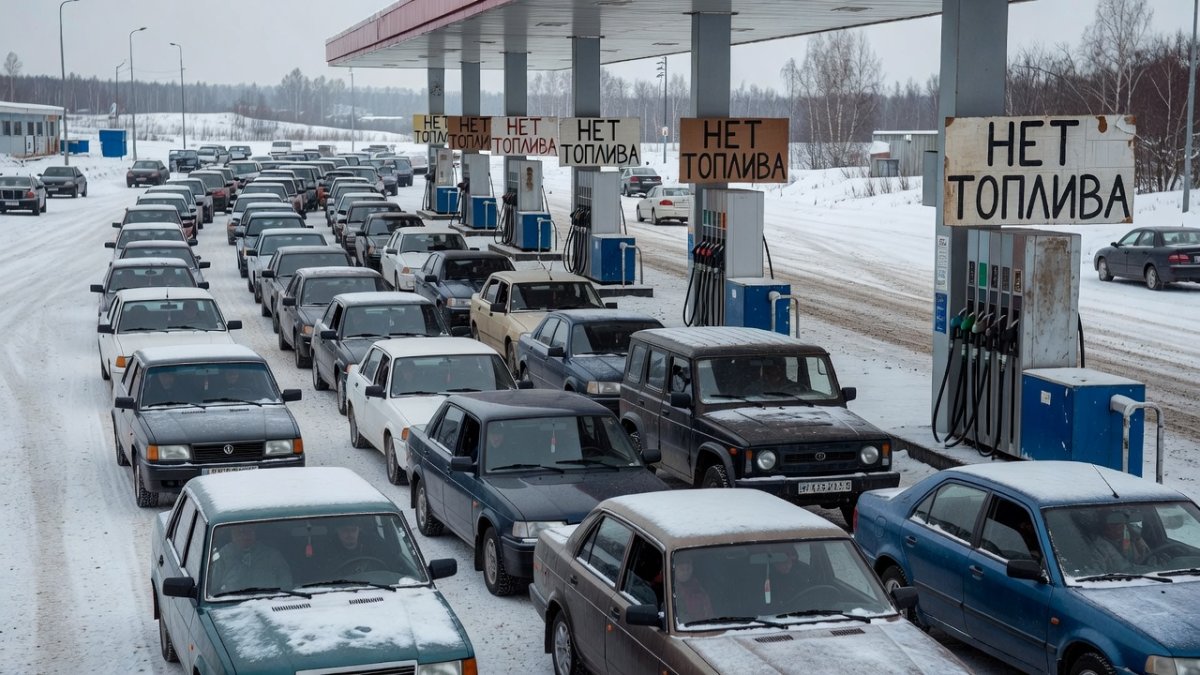
Putin's Direct Acknowledgment of Fuel Shortages President Vladimir Putin acknowledged Sunday that Russia is facing a "certain shortage" of fuel following a wave of repeated Ukrainian strikes targeting oil refineries and domestic supply lines. "As for strikes against critical infrastructure in general, and energy infrastructure in particular, of course, these attacks on our infr
Putin's Direct Acknowledgment of Fuel Shortages
President Vladimir Putin acknowledged Sunday that Russia is facing a "certain shortage" of fuel following a wave of repeated Ukrainian strikes targeting oil refineries and domestic supply lines. "As for strikes against critical infrastructure in general, and energy infrastructure in particular, of course, these attacks on our infrastructure facilities create problems," Putin said in a Kremlin-published interview. "That's obvious." "Right now we're observing a certain shortage, but it's not critical," he added. The government's primary focus, Putin said, was to improve Russian air defense system capabilities and to ensure that fuel supplies reach consumers, especially in annexed Crimea, where local authorities declared a state of emergency last week.
Regional Alerts and Price Pressures in Irkutsk
In the Irkutsk region, law enforcement fined four people accused of reselling gasoline at inflated prices, charging as much as 250 rubles per liter. Governor Igor Kobzev declared a state of "high alert" due to insufficient fuel shipments. Average gasoline price in Russia climbed 9.8% since start of year, reaching 71.20 rubles per liter as of June 22. Dozens of Russian regions have seen fuel rationing measures introduced at gas stations in recent weeks. These developments illustrate how localized supply disruptions are translating into immediate economic strain for residents far from the front lines.
United Russia Congress and Security Vows
A few hours earlier, in a speech at the congress of the ruling United Russia party, Putin had vowed to restore security and overcome mounting challenges as Ukraine intensifies its retaliatory strikes against Russia. "Yes, we see the problems, we are aware of them and are responding to them, but we will certainly ensure the security of both the country and our citizens, as well as the inviolability of Russia's borders," Putin told party members. "We will undoubtedly overcome all the challenges facing us today, including terrorist attacks on our territory and infrastructure facilities," he added. This rhetoric from the Kremlin underscores the leadership's effort to project continuity amid visible logistical strains.
Implications for Energy Infrastructure and Military Logistics
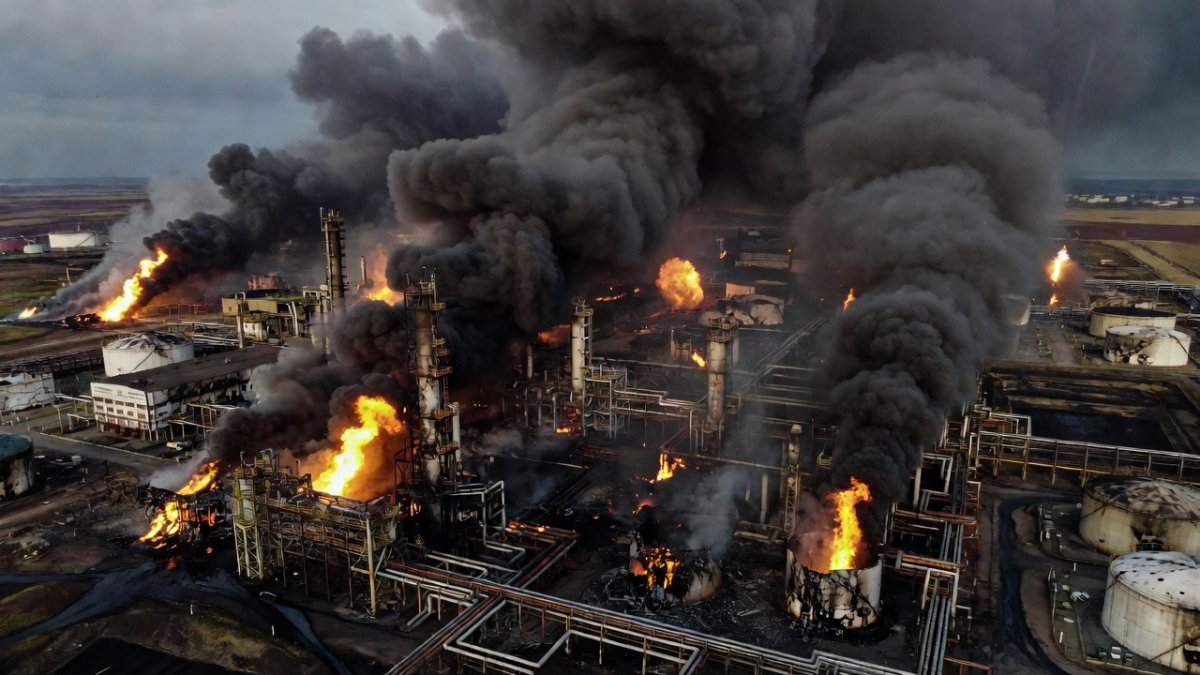
The admission by Putin that Ukrainian strikes have created problems for domestic fuel supplies points to vulnerabilities in Russia's energy network that extend beyond civilian use. Strikes on refineries and supply lines have forced the Kremlin to prioritize air defense upgrades while directing remaining stocks toward key areas such as annexed Crimea. Analysts suggest this could indicate that sustained pressure on energy facilities is complicating the movement of fuel for both civilian distribution and broader operational needs. The Foreign Ministry has framed such attacks as targeting critical infrastructure, while Ukrainian officials describe them as responses to Russian operations. This dynamic reveals how the energy dimension of the conflict is testing Russia's ability to maintain steady internal logistics without broader disruptions.
Effects on Ordinary Russians and Daily Life
For ordinary Russians, the fuel situation is manifesting in higher prices and rationing across multiple regions. In Irkutsk, the jump to 71.20 rubles per liter represents a noticeable increase that affects commuting, agriculture, and small businesses. Residents in areas under high alert face uncertainty over consistent access at pumps, while black-market reselling attempts highlight attempts to exploit shortages. This pressure connects to wider energy politics, where reliance on domestic refining capacity leaves households exposed when infrastructure faces repeated targeting. The Kremlin's focus on air defense improvements may eventually stabilize supplies, yet current measures suggest that everyday mobility and costs are already being impacted in tangible ways.
Diplomatic Signals and Unresolved Issues
In the Kremlin interview, Putin also said he expects White House special envoy Steve Witkoff and U.S. President Donald Trump's son-in-law Jared Kushner to visit Moscow after the "active phase" of the war in the Middle East passes. Witkoff and Kushner have travelled to Russia several times over the past year as part of U.S.-mediated talks to end the Ukraine war. "We are ready to continue negotiations... and discuss all the details," Putin said. Separately, Russia's human rights ombudsman Yana Lantratova told Putin that all known Kursk region residents held by Ukraine have been returned. However, the fate of 320 others remains unknown. These threads show the Kremlin balancing internal fuel challenges with ongoing diplomatic outreach and regional humanitarian concerns.
Broader Context of the Energy Conflict
The combination of refinery strikes, regional emergencies, and price rises illustrates how the energy war is feeding back into Russia's domestic stability. Defense Ministry statements have emphasized protective measures, yet the need for a state of emergency in Crimea and high-alert status in Irkutsk demonstrates that supply chains remain under stress. EU and NATO perspectives have highlighted the role of such infrastructure targeting in limiting Russia's sustained operational reach. For the wider region, these shortages risk affecting cross-border trade and energy-dependent sectors. Kremlin power structures appear geared toward rapid mitigation, but the visible effects on fuel availability suggest that ordinary citizens and local economies will continue navigating elevated costs and restrictions in the near term.
By Irina Volkov, Staff WriterThis article was produced with AI-assisted research and editorial support. Reporting is based on sources cited in the article.
What's Your Reaction?
 Like
0
Like
0
 Dislike
0
Dislike
0
 Love
0
Love
0
 Funny
0
Funny
0
 Wow
0
Wow
0
 Sad
0
Sad
0
 Angry
0
Angry
0
Russia/Eastern Europe Correspondent at Global1.News. Covering Russian politics, energy, security, and the shifting dynamics of the post-Soviet space. Provides clear-eyed analysis on one of the world's most opaque regions.









Comments (0)