
Two Filipino Seafarers Killed in Black Sea Drone Attacks
Two Filipino seafarers killed and 12 injured in Russian drone strikes on Black Sea ships on July 20, with one missing. DMW Secretary Hans Leo Cacdac confirmed details as nine vessels with Filipino crew face attacks amid the Russia-Ukraine war.
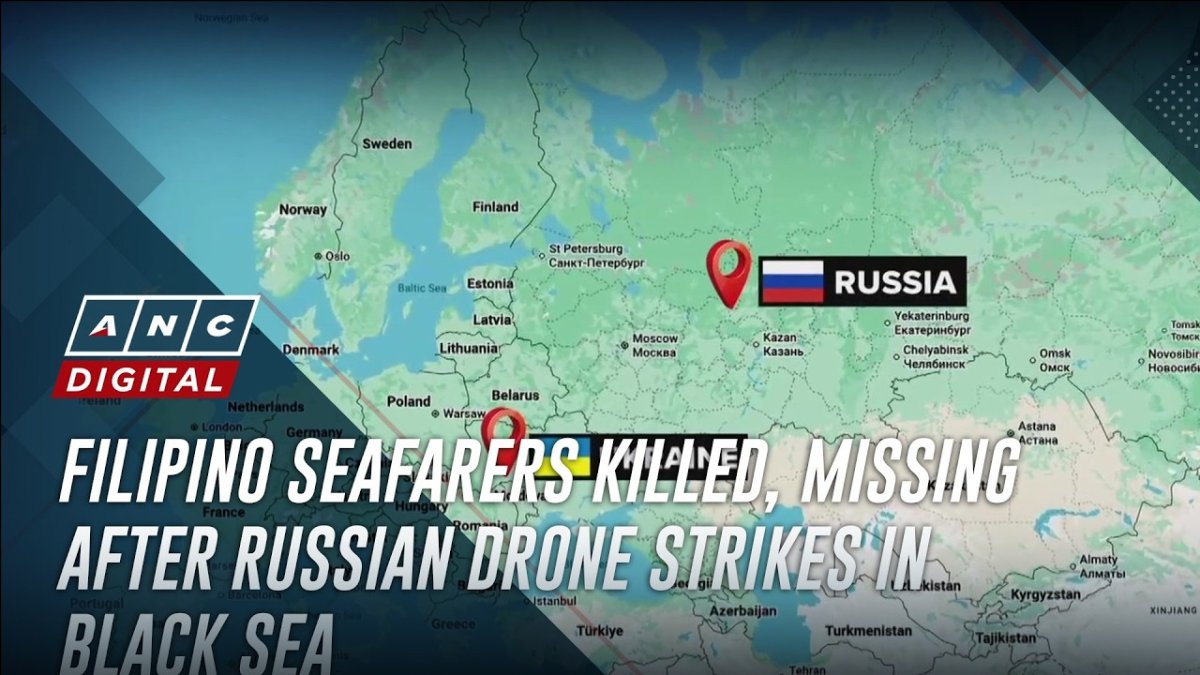
In a recent ANC 24/7 report aired on The World Tonight, the grim reality of two Filipino seafarers killed and 12 others injured in Russian drone strikes on commercial ships in the northern Black Sea came into sharp focus for viewers across the Philippines. One additional Filipino seafarer remains missing following the separate attacks on vessels navigating that contested waterway. The report highlighted how these incidents on Monday, July 20, have once again placed Filipino families at the center of global maritime dangers tied to the Russia-Ukraine conflict.
The Deadly Drone Strikes on Northern Black Sea Vessels
Two Filipino seafarers lost their lives in distinct drone attacks targeting commercial ships in the northern Black Sea. Twelve more Filipino crew members sustained injuries during these strikes, while one seafarer is still unaccounted for. The northern Black Sea has been designated a war-like operations area by the International Bargaining Forum, a classification that underscores the elevated risks for all vessels transiting the route or docking at Ukrainian ports.
As of July 20, nine ships carrying Filipino seafarers have faced attacks while operating in the northern Black Sea or at Ukrainian ports. These strikes form part of an intensifying campaign against maritime infrastructure and commercial shipping. The repeated assaults have already disrupted grain exports from the region, driven up insurance premiums for shipping lines, and compelled companies to reroute vessels away from the hazardous zone.
DMW Secretary Hans Leo Cacdac Confirms Casualties
Department of Migrant Workers Secretary Hans Leo Cacdac confirmed the deaths, injuries, and missing status on Monday, July 20. The DMW immediately activated its response protocols, withholding the victims' identities until families receive formal notification. This careful process reflects the agency's commitment to supporting affected households in provinces from Cebu to Davao.
Secretary Cacdac emphasized that the DMW stands ready to assist the families of the two deceased seafarers, the 12 injured crew members, and the family of the missing seafarer. The confirmation came amid ongoing monitoring of all Filipino-crewed vessels in the area, ensuring rapid updates reach manning agencies and relatives back home.
Filipino Seafarers as One-Quarter of the Global Workforce
Filipinos comprise roughly one-quarter of the world's seafaring workforce, making them essential to international shipping lanes that carry grain, fuel, and goods worldwide. Many of these workers hail from coastal communities in the Philippines, where remittances from sea-based jobs sustain entire barangays and fund education for children in Manila and Quezon City alike.
The attacks on July 20 directly threaten this vital economic lifeline. With nine vessels already hit, the safety of thousands more Filipino seafarers operating in war-like zones has become an urgent national concern. The DMW continues to track these deployments while coordinating with international partners to enforce safer routing decisions.
Impact on Families and Communities Across the Philippines
Families in the Philippines now face the sudden loss of primary breadwinners, a reality that ripples through sari-sari stores, school tuition payments, and local economies dependent on OFW remittances. The two killed seafarers leave behind loved ones who must navigate grief while awaiting official support from the DMW and their respective manning agencies.
The 12 injured seafarers require medical care and eventual repatriation, adding further strain on households already stretched by the high costs of living in places like Baguio and Cebu. Community networks rooted in bayanihan traditions have begun organizing assistance, yet the emotional toll remains heavy as relatives wait for clearer updates on the missing crew member.
The Russia-Ukraine Conflict's Direct Reach to Philippine Workers
The Russia-Ukraine war has extended its consequences far beyond European battlefields, placing Filipino seafarers in the path of drone strikes on commercial shipping. The northern Black Sea's classification as a war-like operations area by the International Bargaining Forum signals that these risks are recognized industry-wide, yet economic pressures continue to send workers into the zone.
Disrupted grain exports and rising insurance costs ultimately affect global food prices, including those paid by Filipino consumers. The rerouting of vessels lengthens voyages and increases operational expenses for shipping companies that employ large numbers of Filipino crew, creating downstream effects on contract renewals and hazard pay negotiations.
Coordinated Philippine Government and Agency Response
The DMW is actively coordinating with Philippine embassies, shipping companies, manning agencies, and the Department of Foreign Affairs to manage the aftermath of the July 20 attacks. This multi-agency effort focuses on medical evacuation for the injured, consular assistance for the missing seafarer, and financial support packages for bereaved families.
Philippine officials continue to press for stronger protections under international maritime agreements. The response draws on established channels between Manila and foreign ports, ensuring that every Filipino seafarer affected receives the documentation and aid required for a safe return or continued care.
What to Watch for in the Coming Weeks
Observers will monitor whether additional attacks occur on the remaining vessels carrying Filipino seafarers in the northern Black Sea. The DMW has pledged daily updates to families and manning agencies as investigations into the drone strikes proceed.
Longer-term discussions will likely center on revised routing guidelines and enhanced insurance coverage for workers in high-risk zones. Filipino seafarer unions and community organizations in the Philippines stand prepared to advocate for policy changes that prioritize crew safety over commercial expediency.
By Bella Reyes, Staff WriterThis article was produced with AI-assisted research and editorial support. Reporting is based on sources cited in the article.
What's Your Reaction?
 Like
0
Like
0
 Dislike
0
Dislike
0
 Love
0
Love
0
 Funny
0
Funny
0
 Wow
0
Wow
0
 Sad
0
Sad
0
 Angry
0
Angry
0

Philippines/Southeast Asia Correspondent at Global1.News. Manila-based journalist covering Philippine politics, environment, maritime security, and social issues. Passionate about marine conservation and the communities protecting the Philippines' natural heritage.












Comments (0)