
US Pacific Strikes on Drug Boats Hit Mexico Tensions
In a recent DW News report titled Europe sees a rise of narcotics shipments from Latin America, the shifting cocaine routes from Colombia and Peru through the Eastern Pacific to Mexico and onward to Europe come into sharp focus amid the latest US military actions.
In a recent DW News report titled Europe sees a rise of narcotics shipments from Latin America, the shifting cocaine routes from Colombia and Peru through the Eastern Pacific to Mexico and onward to Europe come into sharp focus amid the latest US military actions. The expanding campaign under Operation Southern Spear now reaches waters where Mexican fishing communities have worked for generations, bringing both strategic shifts in drug trafficking and new dangers to ordinary people along the Pacific coast.
US Pacific Drug Boat Strikes Escalate Regional Tensions
Mexico City, Mexico — Defense Secretary Pete Hegseth confirmed two lethal kinetic strikes on drug smuggling boats in the Eastern Pacific this week, marking the first such operations in those waters under Operation Southern Spear. The strikes killed five people, with three deaths in one incident and two in the other, according to Hegseth, who labeled those killed narco-terrorists linked to Mexican cartels.

Operation Southern Spear Targets Mexican Cartels
Operation Southern Spear now focuses heavily on the Sinaloa cartel and the Cartel Jalisco Nueva Generación, or CJNG, which control much of the cocaine flow from Colombia and Peru into Mexico before it reaches the United States. The Eastern Pacific route remains the primary pathway for cocaine entering Mexico, directly affecting coastal communities in states like Sinaloa and Michoacán. Since September 2025, the US has killed at least 37 people in nine strikes on boats the administration says were smuggling drugs. The vessels were in international waters along known narco-trafficking routes, with missiles fired from drones or aircraft.
Mexican President Claudia Sheinbaum has firmly rejected recent DEA claims of a deadly connection between the Mexican government and these cartels. Her administration continues to coordinate through the Secretaría de la Defensa Nacional and the Guardia Nacional to address trafficking without endorsing the US approach of summary strikes. At her mañanera press conference this week, Sheinbaum reiterated Mexico's commitment to combating cartels through intelligence-sharing and judicial cooperation rather than military force in international waters.
Human Impact on Mexican Families and Communities
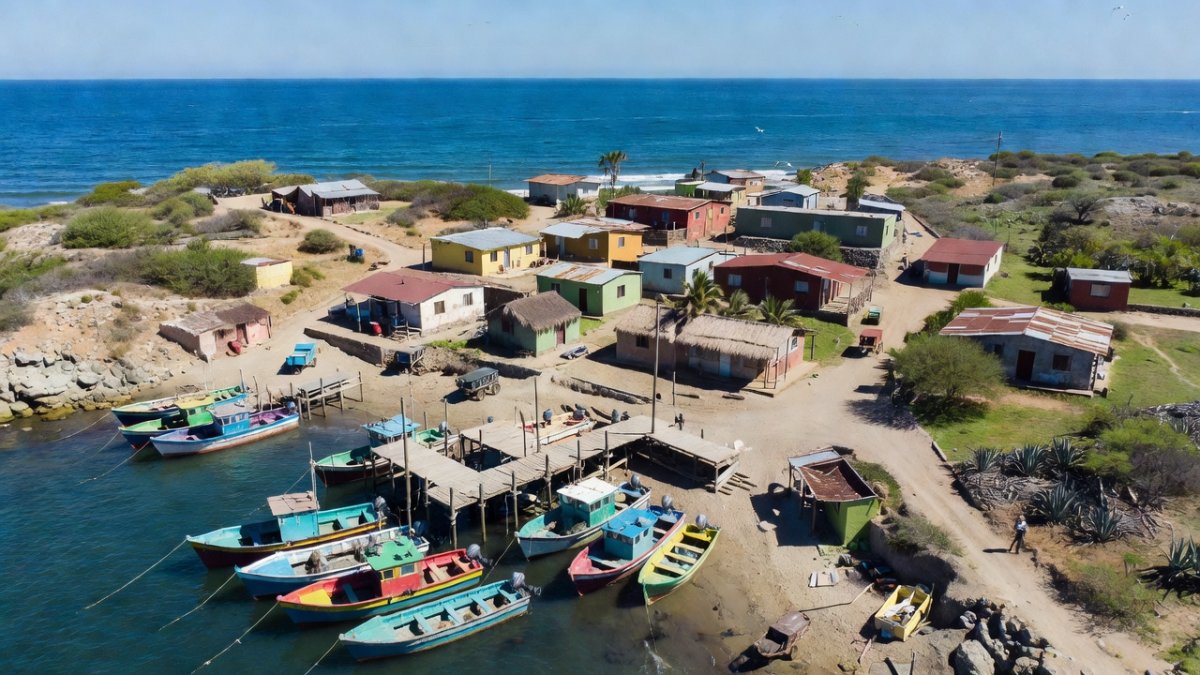
Families in rural Sinaloa colonias and fishing villages along the Pacific coast now face heightened uncertainty as US drone activity increases over international waters near their shores. In small fishing villages near Mazatlán, fishermen who once set out at dawn now hesitate, their boats idling as stories circulate of accidental encounters with foreign patrols. These incidents touch the heart of tight-knit communities where the sea is not just a livelihood but a thread woven into generations of shared meals and celebrations at the local taquerías.
Further south in Michoacán's coastal ejidos, mothers and wives gather with conversations heavy with worry for sons and husbands who venture out in modest vessels. The fear spreads through these rural networks, affecting everything from school routines to weekend gatherings, as families balance economic necessity against unpredictable risks far from home. Campesinos and small business owners in border regions tied to cartel economies describe economic ripple effects, as intensified enforcement disrupts legitimate trade while leaving communities caught between cartel pressure and foreign military operations.
Diplomatic Fallout with Mexico and Neighbors
The strikes have fueled tensions with Mexico, Colombia, and Venezuela. Colombia recalled its ambassador to the United States in response to the operations, while Mexico's Secretaría de Relaciones Exteriores has voiced concerns through diplomatic channels about sovereignty and regional stability. Caracas has condemned the operations as aggressive overreach, accusing Washington of destabilizing the region under the pretext of counternarcotics and using the campaign to pressure leftist governments.
The OAS and CELAC have become key arenas for these discussions, where calls for dialogue aim to prevent a broader fracturing of regional unity. President Sheinbaum's Morena-led government has emphasized cooperation via institutions like the Fiscalía General de la República rather than unilateral US actions. The deployment of 10,000 US troops in the Caribbean under the same campaign adds pressure on Mexican security forces already stretched across the border and Pacific corridors.
Legal Experts and UN Criticism of Strikes
UN experts have stated that the strikes violate the international law of the sea and amount to extrajudicial executions. Legal experts and human rights groups echo these concerns, arguing that labeling individuals narco-terrorists does not justify lethal force without due process in international waters. The Trump administration has said the strikes are legitimate under its designation of Latin American drug cartels as unlawful combatants and terrorist organizations.
These criticisms resonate in Mexico, where past experiences with foreign intervention shape public discourse. Organizations tied to the Congreso de la Unión have called for formal reviews of how such operations intersect with Mexican jurisdiction and the rights of citizens potentially affected by cross-border enforcement. Human rights defenders in Mexico City have organized forums to discuss the legal implications, drawing parallels to previous concerns over US drone operations in other regions.
Shifting Cocaine Routes and Broader Regional Effects
As US pressure intensifies along Pacific routes, cocaine flows are shifting toward European markets, rerouting shipments through Mexican ports like Manzanillo and Lázaro Cárdenas. This change brings new challenges to these bustling harbors, where local economies tied to legitimate trade now contend with heightened scrutiny and the shadow of illicit activity moving farther afield. Communities in Guerrero and Baja California Sur, already navigating local security challenges, now contend with the indirect consequences of rerouted trafficking networks.
Mexican institutions such as the Fiscalía General de la República and SEMAR are stepping up joint efforts, coordinating intelligence and maritime patrols to monitor these redirected flows without disrupting the everyday rhythms of port life. The Instituto Nacional de Migración has also increased inspections at Pacific ports, seeking to intercept cocaine shipments before they leave Mexican waters for Europe or other destinations.
Future Implications for Mexican Security Policy
If the strikes continue, Mexican institutions including the Secretaría de Seguridad y Protección Ciudadana may face increased demands to adapt strategies against the Sinaloa and CJNG organizations. The Sheinbaum administration has prioritized intelligence-sharing while maintaining distance from lethal US tactics that operate outside Mexican jurisdiction. The debate within the Palacio Nacional reflects a broader tension between cooperating with Washington on shared security concerns and protecting Mexican sovereignty from foreign military operations near its shores.
Communities across Mexico watch these developments closely, recognizing that decisions made in Washington directly influence daily life in Pacific fishing towns and inland farming regions. The balance between sovereignty and shared security concerns remains central to ongoing national discussions, from the mañaneras at the Palacio Nacional to the kitchens of coastal colonias where families pray for safe returns.
By Rosa Martinez, Staff Writer
This article was produced with AI-assisted research and editorial support. Reporting is based on sources cited in the article.
What's Your Reaction?
 Like
0
Like
0
 Dislike
0
Dislike
0
 Love
0
Love
0
 Funny
0
Funny
0
 Wow
0
Wow
0
 Sad
0
Sad
0
 Angry
0
Angry
0

Latin America/Andes Correspondent at Global1.News. Based in Bogota, covering politics, environment, energy, and social movements across the Andean region. Passionate about environmental journalism and communities protecting their land.












Comments (0)