
Zacatecas Violence Claims Ten Lives, Including Former Mayor
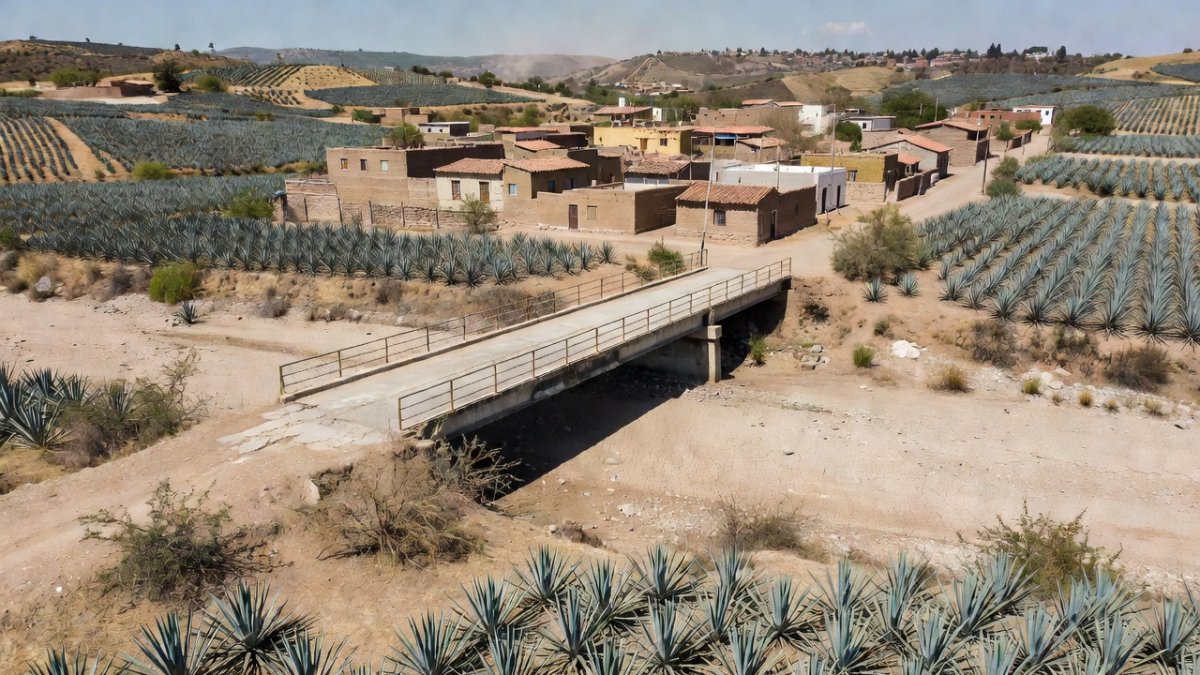
Ten Bodies Found Across Zacatecas Raise Fresh Fears for Families On July 18, 2026, ten bodies appeared in three Zacatecas municipalities in a single day. Five hung from a bridge in Panuco, four lay near a hospital in Morelos, and the body of former Sombrerete mayor Ignacio Castrejon Valdez was found along a highway.
Ten Bodies Found Across Zacatecas Raise Fresh Fears for Families
On July 18, 2026, ten bodies appeared in three Zacatecas municipalities in a single day. Five hung from a bridge in Panuco, four lay near a hospital in Morelos, and the body of former Sombrerete mayor Ignacio Castrejon Valdez was found along a highway. Secretary Rodrigo Reyes Muguerza confirmed the discoveries, sending a wave of worry through ordinary households already stretched thin by rising costs and uncertain work.
News traveled quickly through family WhatsApp groups and tianguis stalls. Mothers in nearby colonias wondered how they would explain the images to children who pass those same roads on the way to school. The date now marks another painful chapter for communities that simply want to sell tortillas, harvest corn, and return home safely each evening.
The Discovery Unfolds Across Three Municipalities
Five bodies were found hanging from the bridge in Panuco. Reports indicated the victims were blindfolded and that a message referencing criminal activity accompanied the scene. Four more bodies appeared near the hospital in Morelos, adding to the shock in that municipality. The former mayor’s body was recovered along the highway outside Sombrerete, completing the grim total of ten.
Secretary Rodrigo Reyes Muguerza publicly confirmed the locations and the number of victims. His statement reached radio listeners and market vendors almost immediately, prompting quiet conversations about who might be next. No further details on identities beyond the former mayor were released at the time.
Local police cordoned off the areas while federal forces arrived to support the investigation. Residents watched from a distance, many recognizing the roads and bridges they use daily to visit relatives or sell goods at the tianguis.
Who Was Ignacio Castrejon Valdez?
Ignacio Castrejon Valdez once served as mayor of Sombrerete, a role that placed him at the center of local decisions about roads, markets, and public safety. His death along the highway has shaken neighbors who remember him walking the same streets and greeting vendors at the plaza.
Former mayors often remain visible figures in small municipalities, attending fiestas and mediating disputes. The loss of one more public servant deepens the sense that even those who once held office are not protected from the violence that now touches every level of community life.
Families in Sombrerete speak quietly about the need for steady leadership. Without it, everyday questions—such as when the next water truck will arrive or how to keep the local market open—grow harder to answer.
Extortion, Collusion, and the Cartel Presence in Zacatecas
Multiple groups operate in Zacatecas, including the Sinaloa Cartel, CJNG, Gulf Cartel, Northeast Cartel, and Los Talibanes. Their rivalries have turned rural roads and small towns into contested ground, where businesses must decide each week which demands to meet.
Owners of tortillerias and tianguis stalls report weekly visits from individuals collecting “cuotas.” When payments cannot be made, threats follow quickly. The message left in Panuco appeared aimed at signaling control, yet it also reminded every vendor that the next demand could arrive at their own door.
Accusations of collusion between some public officials and these groups have circulated for years. When trust in local government erodes, families turn instead to neighbors and parish networks for protection and information.
Small merchants now close earlier and avoid certain highways after dark. The cost of lost sales falls directly on households that rely on daily cash flow to buy school supplies and medicine.
The cartel rivalries in Zacatecas have roots in competition over drug trafficking corridors that connect northern Mexico to key border crossings in Coahuila and Chihuahua. The Sinaloa Cartel and CJNG each view the state's highways as essential supply lines, while local groups like Los Talibanes enforce territorial claims through targeted attacks. These dynamics mean that a dispute in one municipality can spill into neighboring areas within hours.
The economic toll on Zacatecas families extends beyond fear. Farmers who once transported livestock and produce across municipal lines now pay inflated rates for armed escorts or abandon entire harvests. INEGI data from recent quarters has shown slowing economic activity in the state's rural sector, and shopkeepers in colonias report thinner profits as customers limit travel to essential trips only.
Impact on Rural Communities and Families
Campesinos in Sain Alto and surrounding ejidos face new risks simply traveling to market. Many now leave before dawn and return before sunset, cutting short the time they can spend selling produce or visiting family in other pueblos.
Indigenous communities and migrant families feel the pressure most sharply. Children hear adults discuss which roads are safe, and some schools have adjusted schedules to avoid late returns. The fear of travel has already reduced attendance at regional fairs that once brought extra income.
In colonias, mothers organize informal carpools so no child walks alone. Grandparents who once sat outside in the evenings now stay indoors after hearing about the bodies found near familiar landmarks.
These changes affect more than safety. They shrink the social life that holds pueblos together—weddings, quinceañeras, and Sunday markets—leaving families more isolated at the very moment they need one another most.
Teachers in rural schools have noticed shifts in attendance patterns since the discoveries. Some students arrive late after taking longer, safer routes, while others miss days entirely when their parents decide it is safer to keep everyone at home. School directors in Panuco have begun sending dismissal notices earlier in the afternoon so children can reach their homes before dark.
The psychological weight falls heaviest on families who have lost relatives to cartel violence in previous years. Each new discovery reopens old wounds and reinforces a sense of powerlessness that community leaders say can only be addressed through sustained, visible security improvements. Local clergy have reported an increase in requests for counseling and prayer groups.
Security Under the Sheinbaum Administration
The federal government has deployed elements of the Guardia Nacional, SEDENA, and SEMAR to Zacatecas. Coordination among these forces has increased since the start of the Sheinbaum administration, building on structures developed during the previous term.
Stabilizing several municipalities at once remains difficult. Checkpoints appear and disappear, and residents note that visible presence does not always translate into arrests. No suspects have been announced in connection with the July 18 discoveries.
Local leaders continue to request clearer communication from Mexico City. Families want to know not only that forces are present, but also how long they will stay and what results they expect to deliver.
What Comes Next for Zacatecas
Community groups have begun organizing safety workshops through local NGOs, teaching residents how to share information without drawing attention. These meetings often end with prayers and shared meals, small acts that keep hope alive.
Cultural traditions continue to serve as anchors. Processions for patron saints still draw crowds, and families use these gatherings to check on one another and pass along practical advice about which routes to avoid.
The people of Zacatecas have faced difficult periods before. Their resilience shows in the way vendors reopen stalls each morning and children still play in the plazas, even as adults carry heavier worries than they once did.
Tags: Zacatecas, violence, Panuco, Morelos, Sombrerete, Ignacio Castrejon Valdez, Rodrigo Reyes Muguerza, cartels, extortion, rural communities, Sheinbaum, Guardia Nacional, SEDENA
By Rosa Martinez, Staff Writer
This article was produced with AI-assisted research and editorial support. Reporting is based on sources cited in the article.
What's Your Reaction?
 Like
0
Like
0
 Dislike
0
Dislike
0
 Love
0
Love
0
 Funny
0
Funny
0
 Wow
0
Wow
0
 Sad
0
Sad
0
 Angry
0
Angry
0
Latin America/Andes Correspondent at Global1.News. Based in Bogota, covering politics, environment, energy, and social movements across the Andean region. Passionate about environmental journalism and communities protecting their land.












Comments (0)