
US and Iran Step Back From the Brink as Hormuz Tensions Ease
US and Iran Step Back From the Brink as Hormuz Tensions Ease The Fragile Ceasefire Takes Hold The United States and Iran have agreed to stand down after days of tit-for-tat strikes, according to a US official cited by CBS News. Vessels will now be able to move through the Strait of Hormuz freely, while talks aimed at a permanent end to the conflict are set to continue. This dev
The Fragile Ceasefire Takes Hold
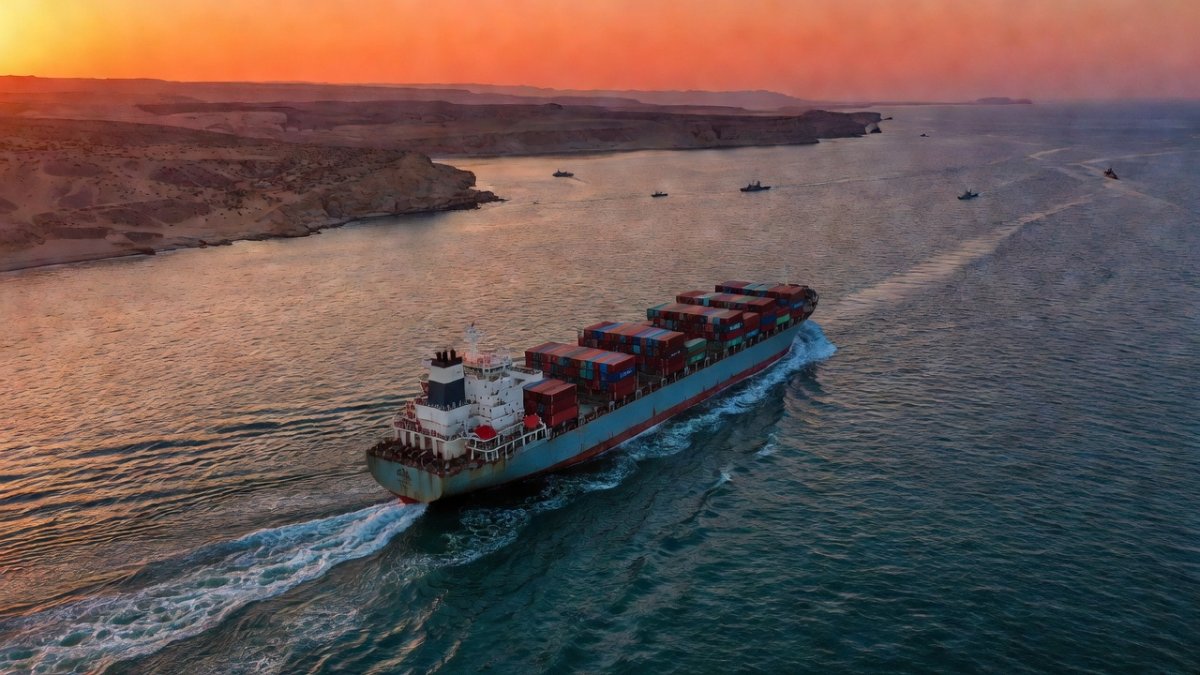
The United States and Iran have agreed to stand down after days of tit-for-tat strikes, according to a US official cited by CBS News. Vessels will now be able to move through the Strait of Hormuz freely, while talks aimed at a permanent end to the conflict are set to continue.
This development follows a weekend of direct exchanges that threatened to spiral further. The agreement marks a tentative pause in hostilities that began after the US and Israel launched attacks on Iran at the end of February, prompting Tehran to effectively close the vital waterway.
Chronology of the Weekend Strikes
On Thursday, Iran attacked a cargo ship near Oman, just outside the Strait of Hormuz. The United States responded with strikes on multiple targets inside Iran. Iran then launched strikes on US bases in Kuwait and Bahrain. US officials stated that none of those attacks reached their intended targets and that there were no casualties reported.
Secretary of State Marco Rubio had visited Bahrain and Kuwait in the days leading up to the escalation, meeting with Gulf allies to discuss the interim deal reached earlier in the month.
Diplomatic Developments and Denials
President Trump announced on Monday that talks with Iran would resume Tuesday in Doha, Qatar. He posted on Truth Social that Iran had requested the meeting, which he said would take place the following day.
Iran's Deputy Foreign Minister Kazem Gharibabadi pushed back, denying that technical talks were scheduled this week and stating they would occur only when the conditions are met. Iranian Foreign Minister Abbas Araghchi emphasized that the Strait of Hormuz remains under Iran's sole management and that responsibility for reopening it rests with the Islamic Republic of Iran.
Trump also issued a stark warning, stating there may come a point when the US is no longer able to be reasonable and will be forced to militarily complete the job started earlier, adding that the Islamic Republic of Iran would no longer exist if that occurs.
Energy Markets Brace for Hormuz Reopening
The Strait of Hormuz serves as a critical chokepoint for global oil and gas shipments. Its effective closure by Tehran after the February attacks had already tightened supplies and pushed prices higher in recent weeks. The new agreement to allow free passage represents a potential easing of those pressures, though markets will watch closely for sustained compliance.
Under the 14-point Memorandum of Understanding signed by the US and Iran on June 17 in Switzerland, Iran committed to using best efforts for safe passage of commercial vessels at no charge for 60 days. That interim framework, which also included an immediate and permanent termination of military operations on all fronts, now faces its first real test after the weekend flare-up.
Regional Ripple Effects in Lebanon and Beyond
On Friday, the US mediated a framework agreement between Israel and Lebanon. Hezbollah's leader rejected the deal. The Israeli army reported striking a 200-meter-long Hezbollah tunnel in southern Lebanon that contained hundreds of weapons.
Tehran has insisted that hostilities in Lebanon must stop for any wider ceasefire deal to hold. These linked conflicts underscore how quickly localized actions can draw in multiple actors across the region.
What This Means for Global Stability
The stand-down agreement offers a narrow window to de-escalate before further miscalculation occurs. With talks scheduled in Doha, the focus now shifts to whether both sides can convert this pause into lasting arrangements that keep the Strait open and prevent renewed strikes.
Global energy markets stand to benefit from reduced uncertainty around Hormuz transit, yet any renewed closure or fresh attacks would quickly reverse those gains. The coming days will reveal whether the latest diplomatic overtures can deliver the stability both sides claim to seek.
By Jessica Ali, Staff WriterThis article was produced with AI-assisted research and editorial support. Reporting is based on sources cited in the article.
What's Your Reaction?
 Like
0
Like
0
 Dislike
0
Dislike
0
 Love
0
Love
0
 Funny
0
Funny
0
 Wow
0
Wow
0
 Sad
0
Sad
0
 Angry
0
Angry
0

Editor-in-Chief at Global1.News. Atlanta-based journalist who cuts through the BS and tells it like it is. Lead anchor, host, and the voice you hear when the spin stops and the truth starts.












Comments (0)