
Pregnant Albino Buffalo Saved from Slaughter by Temple and Community in Nakhon Nayok
The Remarkable Escape Across Nakhon Nayok (Khaosod English) In the quiet hours of the night on 26 June 2026, a pregnant albino buffalo began an extraordinary journey that would touch the hearts of many in Nakhon Nayok. Having slipped from its holding pen in Sai Mun subdistrict, the gentle creature wandered more than thirty kilometres through rural paths and into the heart of Mu
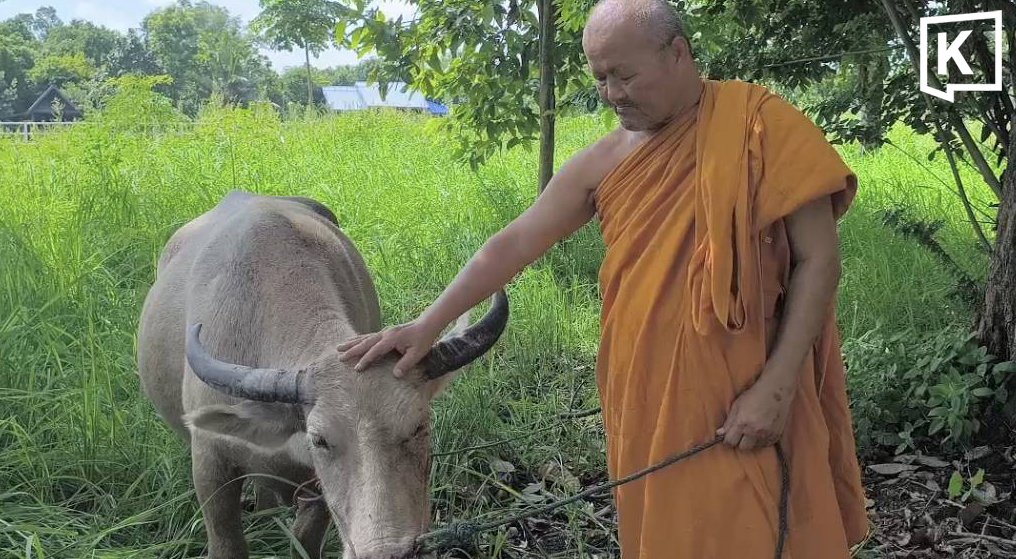
The Remarkable Escape Across Nakhon Nayok
(Khaosod English)
In the quiet hours of the night on 26 June 2026, a pregnant albino buffalo began an extraordinary journey that would touch the hearts of many in Nakhon Nayok. Having slipped from its holding pen in Sai Mun subdistrict, the gentle creature wandered more than thirty kilometres through rural paths and into the heart of Muang district. Its white coat, rare and luminous under the moonlight, caught the attention of villagers who were startled yet moved by its presence at the Sam Sao Intersection.
The buffalo's trek was not merely a physical feat but a quiet testament to the resilience that Thai farmers have long admired in these animals. Water buffalo have shared the fields of Thailand for generations, plowing rice paddies and carrying burdens with steadfast loyalty. This particular albino buffalo, heavy with calf, traversed landscapes familiar to local communities, crossing areas where farmers still rise early to tend their herds.
Residents in Tha Chang subdistrict later reflected on how the animal seemed guided by an unseen force, arriving safely despite the distance. Such endurance reminded elders of stories passed down about buffalo that wandered far yet always found their way home through compassion rather than force. The night air in Nakhon Nayok carried whispers of concern mixed with quiet awe at the creature's determination.
Local officials responded swiftly once the buffalo was spotted near downtown, coordinating with village leaders to ensure its safety. Ropes were used gently to guide the animal without harm, a practice rooted in the respectful handling that Thai agricultural traditions emphasize. The journey ended at Wat Tha Chang, where the temple grounds offered immediate shelter under the watchful eyes of the community.
This escape highlighted the deep connection between people and animals in rural Thailand, where every buffalo represents not just livelihood but a living link to ancestral ways of farming. The albino coloring added a layer of wonder, as such animals are often seen as bearers of good fortune in Thai folklore. Villagers spoke softly of how the event unfolded like a gentle lesson in patience and care.
Community Unity in Muang District
When news of the wandering buffalo spread through Muang district, residents and officials came together with remarkable warmth. Alerts reached village leaders around eleven o'clock that evening, prompting a collective effort to locate and secure the animal safely. In Thai rural life, such moments reveal the strength of communal bonds that have sustained villages for centuries.
People from Sai Mun subdistrict and surrounding areas shared information quickly, tracing the buffalo's path through fields and roads. This cooperation reflected the Thai value of helping neighbors in times of need, whether during floods or in caring for stray animals. The coordinated response ensured the pregnant buffalo faced no distress during its restraint and relocation.
Authorities worked alongside ordinary villagers, demonstrating how local governance in places like Nakhon Nayok blends official duties with heartfelt community involvement. Children watched from doorways as adults moved with quiet efficiency, teaching younger generations the importance of kindness toward all living beings. The atmosphere remained calm, guided by respect rather than haste.
Once the buffalo reached Wat Tha Chang in Tha Chang subdistrict, the sense of relief was palpable. Families discussed how the event brought everyone closer, strengthening ties that extend beyond daily routines. In Thai culture, such unity often leads to acts of shared responsibility that benefit the entire village.
The owner eventually came forward after appeals, yet the community's initial actions had already set a tone of protection. This episode in Muang district served as a reminder that Thai villages thrive when individuals prioritize collective well-being over individual claims. Gentle conversations continued long into the night about the buffalo's future.
Phra Athikan Boonsong Chotipanyo's Vision of Mercy
Phra Athikan Boonsong Chotipanyo, the abbot of Wat Tha Chang, felt deep compassion upon hearing the buffalo's story. Moved by its long journey while pregnant, he decided that the animal deserved a life free from slaughter. In Thai Buddhist tradition, such acts of mercy align with the principle of metta, or loving-kindness, extended to all creatures.
The temple offered to purchase the buffalo for fourteen thousand baht, though funds were initially short. Phra Athikan Boonsong Chotipanyo saw this as an opportunity for the community to participate in merit-making, a cherished practice where generosity brings spiritual benefit to both giver and receiver. His gentle leadership inspired immediate action.
Local news shared the abbot's intentions online, and donations flowed from residents across Nakhon Nayok. This outpouring illustrated how temples serve as centers for collective goodwill, where even small contributions accumulate into meaningful change. The abbot expressed quiet gratitude for each act of support, emphasizing that saving the buffalo honored Buddhist teachings on non-violence.
Phra Athikan Boonsong Chotipanyo envisioned the animal living peacefully at the temple, where it could give birth in safety. His vision extended beyond one creature to include the calf, ensuring a new generation would grow under caring hands. Such decisions reflect the abbot's role as a moral guide in Tha Chang subdistrict.
Through his example, the community learned anew that compassion often requires practical steps like fundraising and building shelters. The abbot's warm approach encouraged everyone to view the buffalo not as property but as a being worthy of protection. This perspective deepened the spiritual connection between the temple and its surrounding villages.
Reverence for Albino Animals in Thai Traditions
Albino animals hold a special place in Thai cultural beliefs, often regarded as auspicious signs that bring blessings to those who encounter them. The white buffalo's appearance in Nakhon Nayok resonated with ancient stories where such creatures symbolize purity and good fortune. Villagers whispered that its arrival might herald prosperity for the region.
In Thai folklore, white elephants and albino buffalo alike are treated with reverence, sometimes linked to royal or sacred narratives. This pregnant buffalo, with its distinctive coat, evoked similar sentiments among residents who recalled tales of rare animals protected by temples. The community's response honored this heritage of respect.
Buddhist teachings reinforce the idea that all life carries inherent value, making the decision to save the buffalo a natural extension of spiritual practice. Phra Athikan Boonsong Chotipanyo drew upon these values when advocating for its purchase, framing the effort as both cultural preservation and ethical duty.
Farmers in Sai Mun subdistrict shared how albino buffalo were once celebrated in village festivals, their presence believed to ensure bountiful harvests. The current event revived these memories, connecting modern actions to timeless traditions. Gentle discussions arose about passing such reverence to children.
The auspicious nature of the animal added emotional weight to the fundraising, as donors felt they participated in something larger than a single rescue. This cultural lens transformed the story into one of hope, where the buffalo's survival represented continuity of cherished beliefs in Nakhon Nayok.
The Sacred Role of Temples in Thai Village Life
Wat Tha Chang stands as a pillar of support in Tha Chang subdistrict, embodying the Thai tradition of temples serving as hubs for welfare and moral guidance. When the pregnant buffalo arrived, the temple became not only a refuge but a place where community spirit flourished through shared purpose. Monks and laypeople alike contributed to its care.
In rural Thailand, temples often organize efforts to aid animals and people in need, reflecting Buddhist ideals of dana, or generosity. The successful purchase of the buffalo demonstrated how these institutions foster unity, turning individual concerns into collective achievements that strengthen social fabric.
Residents of Muang district have long relied on Wat Tha Chang for ceremonies, education, and now animal sanctuary work. The abbot's initiative to build a permanent pen highlighted the temple's evolving role in addressing contemporary needs while upholding ancient values. Villagers volunteered labor with quiet dedication.
Such temple-centered activities promote harmony between humans and nature, a principle deeply embedded in Thai rural existence. The buffalo's story at Wat Tha Chang illustrated how sacred spaces extend compassion beyond their walls, influencing daily life in positive ways. Donations arrived as acts of faith and neighborly love.
Through ongoing care for the animal, the temple reinforces lessons of patience and stewardship that benefit the wider community. This model of welfare continues to inspire similar efforts across Nakhon Nayok, where temples remain vital to cultural and ethical continuity.
Preserving the Heritage of Buffalo Farming
Water buffalo farming remains an essential thread in Thailand's agricultural heritage, particularly in provinces like Nakhon Nayok where rice cultivation depends on these sturdy animals. The bond between farmers and their buffalo runs deep, built on years of shared labor in flooded fields and mutual reliance during planting seasons.
In Sai Mun subdistrict, families still maintain small herds, teaching children the gentle handling techniques passed through generations. The pregnant albino buffalo represented this living tradition, its survival ensuring that future calves might continue the cycle of farm life. Such connections foster respect for the land and its creatures.
Modern challenges have reduced buffalo numbers in some areas, yet communities work to preserve the practice through education and protection. The events at Wat Tha Chang underscored the importance of safeguarding these animals, not only for practical reasons but for the cultural identity they embody.
Farmers spoke warmly of how buffalo provide more than milk or labor; they offer companionship and a sense of continuity with ancestors who tilled the same soil. Saving this particular animal honored that heritage while adapting to new circumstances through temple involvement.
The community's efforts to construct a pen at the temple symbolized a bridge between traditional farming and contemporary compassion. This approach ensures that the wisdom of buffalo husbandry endures, enriched by Buddhist values of care that have always complemented agricultural life in Thailand.
A New Home and Hope for the Future
With donations secured and construction underway, the pregnant albino buffalo now enjoys a secure home at Wat Tha Chang. Villagers from Muang district and beyond visit to offer food and check on its well-being, extending the circle of care that began on that June night. The temple grounds provide shade and peace for the mother-to-be.
Phra Athikan Boonsong Chotipanyo oversees preparations for the calf's arrival, ensuring both animals receive attentive care rooted in Buddhist principles. This ongoing commitment reflects the Thai belief that acts of kindness ripple outward, benefiting entire communities through shared merit.
The story has encouraged similar rescues in Nakhon Nayok, where residents recognize the value of protecting vulnerable creatures. Local officials continue to support the temple's efforts, blending administrative resources with heartfelt participation that strengthens village bonds.
As the buffalo settles into its new life, it carries forward symbols of resilience, auspiciousness, and communal love. Children in Tha Chang subdistrict learn from this example, growing up with an appreciation for the gentle ways that define Thai rural culture.
In time, the calf will join its mother in the temple pen, representing renewal and the enduring power of compassion. The entire episode in Nakhon Nayok serves as a quiet inspiration, reminding all who hear it that small acts of generosity can transform lives in profound and lasting ways.
By Ann Srisawat, Staff WriterThis article was produced with AI-assisted research and editorial support. Reporting is based on sources cited in the article.
What's Your Reaction?
 Like
0
Like
0
 Dislike
0
Dislike
0
 Love
0
Love
0
 Funny
0
Funny
0
 Wow
0
Wow
0
 Sad
0
Sad
0
 Angry
0
Angry
0

Southeast Asia Correspondent at Global1.News. Based in Bangkok, covering Thai and Southeast Asian politics, economy, technology, and culture. Deep regional perspective on one of the world's most dynamic regions.











Comments (0)