
Peru's Upcoming Election Tests Stability Amid Resource Wealth
Peru's Upcoming Election Tests Stability Amid Resource Wealth Peru heads to the polls this Sunday after cycling through eight presidents in the past decade. Voters seek stability to address crime and inequality while the country remains a leading exporter of copper and other critical minerals. The contest pits right-wing candidate Keiko Fujimori against left-wing candidate Robe
Peru's Upcoming Election Tests Stability Amid Resource Wealth
Peru heads to the polls this Sunday after cycling through eight presidents in the past decade. Voters seek stability to address crime and inequality while the country remains a leading exporter of copper and other critical minerals. The contest pits right-wing candidate Keiko Fujimori against left-wing candidate Roberto Sánchez.
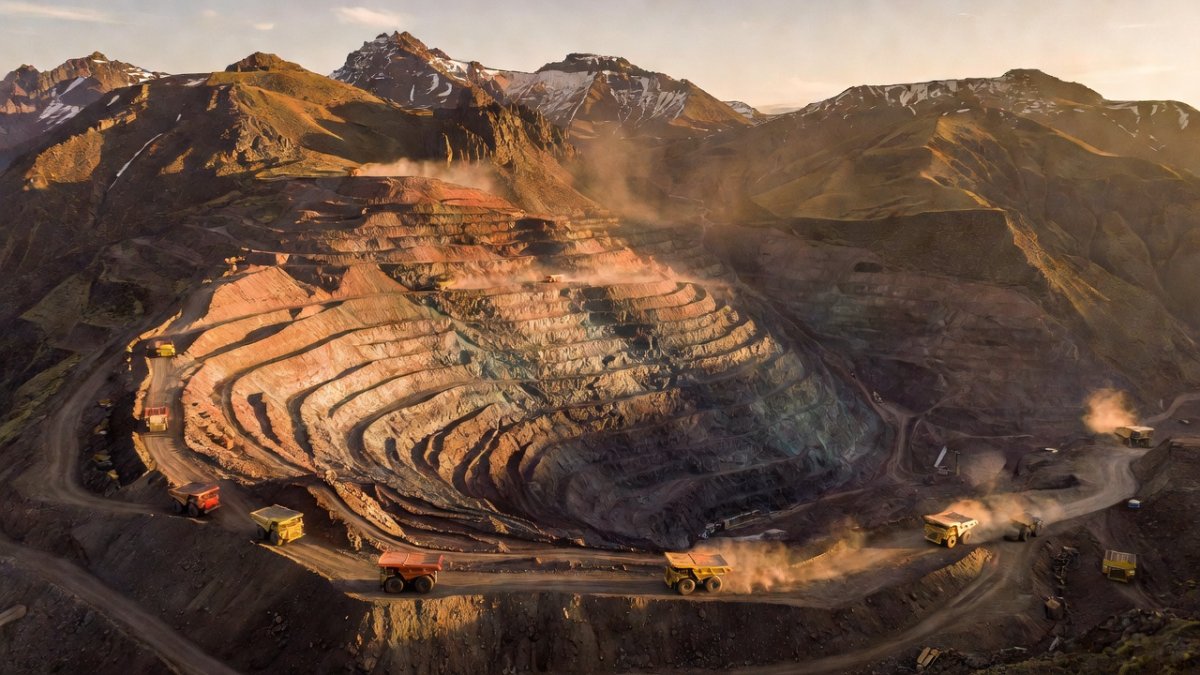
This political churn has left many Peruvians fatigued, yet the economy has remained relatively stable despite the turnover. The nation continues to export critical minerals like copper at significant volumes. Crime and insecurity rank as top voter concerns heading into the vote.
The outcome carries direct implications for how Peru manages its natural resources. Fujimori's free-market approach contrasts with Sánchez's proposals to increase state oversight. These differences highlight ongoing tensions between attracting investment and ensuring broader distribution of resource benefits.
Contrasting Platforms on Mining Contracts and Taxes
Fujimori has defined her campaign around tough-on-crime policies and a free-market approach. She pledges to attract more US investment if elected. Her platform emphasizes continuity in Peru's role as a major mineral exporter.
Sánchez proposes reviewing mining contracts, increasing some corporate taxes, raising the minimum wage, and giving the state more control over natural resources. These ideas have unsettled financial markets in recent days. He argues that Peru's wealth from its natural resources does not reach ordinary people or the often rural communities where mining takes place.
Supporters of Sánchez see these measures as necessary steps to redirect resource revenues. One backer, Raúl, supports plans to expand state investment in health, education and infrastructure outside major cities. Such policies aim to address gaps in regions most affected by extraction activities.
Fujimori, the daughter of the late former president Alberto Fujimori, is running for a fourth time. Her emphasis on US investment seeks to maintain Peru's position in global mineral supply chains without major shifts in contract structures.
Environmental Justice Concerns in Mining Regions
Sánchez has highlighted how resource wealth often bypasses rural communities near mining sites. Supporter María Elena Linares notes that raw materials such as gold and copper flow to other countries while local populations experience ongoing hardship. She expresses willingness to accept foreign companies that contribute meaningfully but favors greater nationalization.
These views connect to wider patterns across Latin America where extraction industries generate substantial export earnings yet leave environmental and social costs concentrated in specific areas. Rural communities in Peru bear much of the direct impact from mining operations without proportional gains in services or infrastructure.
The debate over contract reviews and state control reflects efforts to tackle environmental inequality. If implemented, Sánchez's approach could alter how revenues support local development in extraction zones. Fujimori's platform instead prioritizes market-driven growth to sustain overall economic stability.
Peru's status as a leading copper exporter underscores the stakes. Decisions on resource governance will shape whether benefits extend beyond national accounts to the communities hosting these operations.
Congressional Dynamics and Repeated Presidential Turnover
No party holds a majority in Peru's congress. Fujimori's party maintains the largest minority bloc, a situation that has contributed to regular presidential impeachments in recent years. This fragmented legislature has fueled the cycle of eight presidents over the past decade.
Many Peruvians express fatigue with this instability. The lack of clear majorities complicates efforts to pass consistent policies on mining or taxation. Both candidates will need to navigate these constraints regardless of the Sunday outcome.
Sánchez has promised to free former left-wing president Pedro Castillo, who was imprisoned after attempting to dissolve congress. This pledge adds another layer to the political tensions surrounding resource management and governance.
Youth-Led Protests Highlight Broader Discontent
Last year, Gen Z protests erupted across Peru. Young people argued that the state was failing to tackle crime, corruption and inequality. Under-30s make up about a quarter of the electorate, giving this group notable influence in the upcoming vote.
These demonstrations reflect deep frustration with how political instability has intersected with economic and social challenges. Participants linked governance failures to issues like uneven resource distribution and persistent insecurity in daily life.
The protests underscore voter priorities beyond the presidential race itself. Concerns over crime have gained particular traction, influencing how candidates frame their platforms on both security and economic policy.
Regional Patterns of Insecurity and Political Shifts
Fears of insecurity have driven other Latin American nations further right in recent elections. This trend has produced leaders who promise hardline law and order approaches, mirroring elements of Fujimori's campaign messaging.
Peru's election fits within these broader dynamics where resource-rich countries grapple with balancing extraction economies against public demands for stability and equity. Sánchez's focus on state control over natural resources represents an alternative path that has drawn market concerns.
Across the region, similar tensions arise between maintaining export revenues from minerals and addressing inequality in communities tied to those industries. Peru's vote this Sunday offers one case study in how voters weigh these trade-offs.
Economic Resilience Despite Political Flux
Despite the rapid succession of presidents, Peru's economy has shown relative stability. Its role as a major exporter of critical minerals like copper has helped sustain this position even amid governance challenges.
This resilience provides a foundation for whichever candidate prevails. Fujimori's pledges to draw additional US investment build on existing export strengths. Sánchez's proposed reviews of contracts and tax adjustments seek to channel more of those revenues domestically.
Voters must consider how these approaches affect both national growth and local conditions in mining areas. The stable export sector offers leverage but also highlights the need for policies that connect resource wealth more directly to everyday concerns like crime and services.
Implications for Resource Governance After the Vote
The Sunday election will shape Peru's direction on mining oversight and environmental justice issues. Fujimori's free-market stance aims to preserve investment flows, while Sánchez's platform targets greater state involvement to reduce rural disparities.
With no congressional majority assured for either side, implementation of proposed changes remains uncertain. The largest minority bloc held by Fujimori's party suggests continued negotiation will define any shifts in resource policy.
Peruvians weigh these options against recent instability and protests. The outcome will influence how the country manages its mineral exports while responding to demands for more equitable outcomes in affected communities.
By Elena Vasquez, Staff Writer
This article was produced with AI-assisted research and editorial support. Reporting is based on sources cited in the article.
What's Your Reaction?
 Like
0
Like
0
 Dislike
0
Dislike
0
 Love
0
Love
0
 Funny
0
Funny
0
 Wow
0
Wow
0
 Sad
0
Sad
0
 Angry
0
Angry
0

Latin America Correspondent at Global1.News. Based in Mexico City, covering politics, economics, energy, and culture across the region. Brings an on-the-ground perspective to stories spanning from the Rio Grande to Patagonia.













Comments (0)