
Two Filipino Seafarers Killed in Black Sea Drone Attacks
= DMW reports 2 Filipino seafarers killed and 12 injured in Black Sea drone attacks on 9 ships with 139 crew. Secretary Cacdac details family support, repatriation, medical aid, and advises avoiding high-risk areas with compensation for refusals. DMW and OWWA coordinate with agencies. (248 chars)
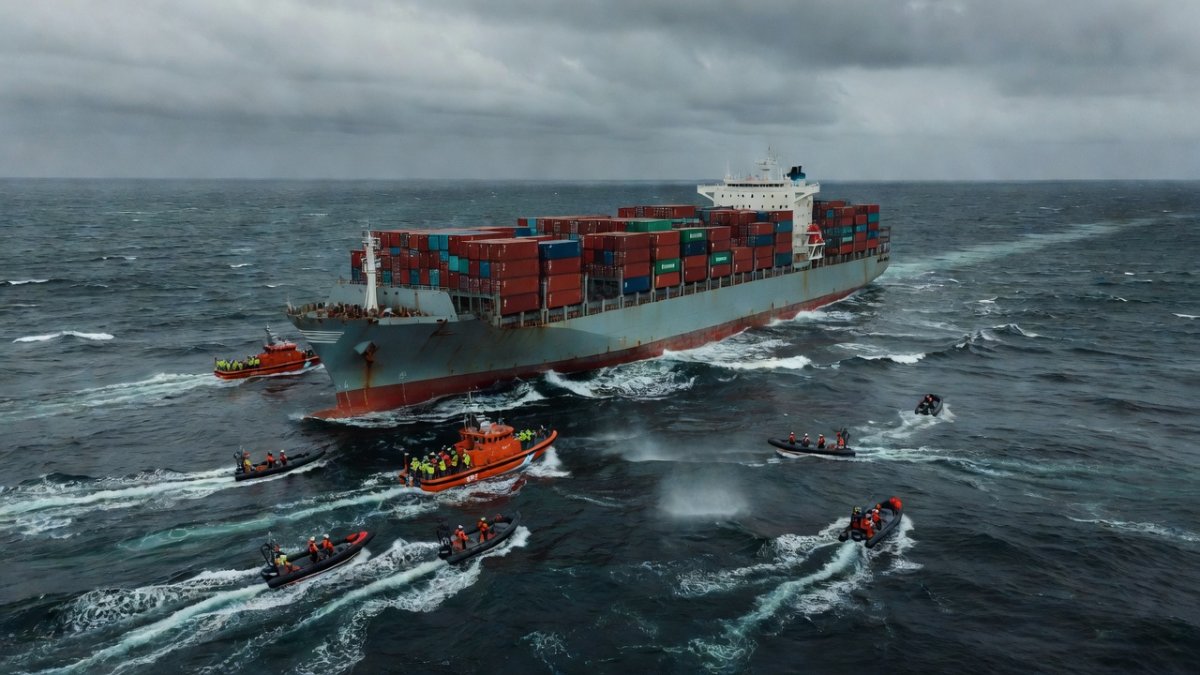
DMW Confirms Two Filipino Seafarers Killed in Black Sea Drone Attacks
The Department of Migrant Workers has confirmed that two Filipino seafarers lost their lives while twelve others sustained injuries during drone attacks on vessels in the northern Black Sea. These incidents highlight the dangers faced by Filipino crew members navigating conflict zones. Secretary Hans Cacdac shared these details during a press briefing on July 21, underscoring the human cost of such attacks on commercial shipping.
Families of the deceased are now receiving direct support from government officials as arrangements for repatriation begin. The loss affects not only the individuals but also their loved ones back home who depend on their safe return. This tragedy brings renewed attention to the risks seafarers encounter far from Philippine shores.
Authorities continue to monitor the situation closely to ensure all affected crew receive timely assistance. The focus remains on providing comfort and practical help during this difficult period for the families involved.
Escalation Over Two Weeks, Cacdac Warns
Secretary Hans Cacdac noted a significant escalation of security incidents over the past two weeks involving commercial vessels with Filipino seafarers in the Black Sea. He emphasized that these events have placed additional strain on crews operating in the region. The International Bargaining Forum has long designated the Black Sea as a high-risk and war-like area due to ongoing tensions.
This classification serves as an important reminder for shipping companies and seafarers alike about the heightened dangers present. Cacdac's statement reflects the government's commitment to keeping families informed as conditions evolve. The enclosed waters, with Ukraine at the northern edge, continue to see increased activity that impacts Filipino workers.
Officials urge vigilance among all parties to protect those at sea. The recent surge in incidents calls for coordinated responses to safeguard lives and maintain open lines of communication with those affected.
Nine Ships and 139 Seafarers Affected
As of July 20, nine ships carrying a total of 139 Filipino seafarers have come under attack, mostly through drone strikes while transiting ports in Ukraine and Russia. These figures illustrate the scale of exposure for Filipino maritime workers in the area. Each vessel represents families waiting anxiously for news of their loved ones' safety.
The pattern of drone attacks has disrupted normal operations and placed crews in immediate peril. Government monitoring shows that these incidents are concentrated in specific transit points, adding to the complexity of ensuring secure passage. The human stories behind these numbers involve seafarers who left home seeking better opportunities for their families.
Efforts to track every affected individual remain ongoing. This situation underscores the interconnected nature of global shipping and the personal sacrifices made by Filipino seafarers who keep trade routes active.
DMW Contacts Families of the Two Fatalities
DMW officials are in direct communication with the families of the two seafarers who were killed. Secretary Hans Cacdac explained that one of the deceased has been identified, with authorities reaching out to arrange repatriation and provide necessary assistance. The second seafarer was lost only yesterday, so contact efforts are still in progress to locate and support his family.
These personal outreach steps aim to ease the immediate burden during a time of profound grief. Families receive guidance on next steps, including documentation and travel arrangements for the return of their loved ones. The process reflects a commitment to treating each case with care and respect.
Timely updates help families cope with uncertainty. Officials continue working to complete identification and notification for all involved as quickly as possible.
Repatriation Underway for Injured Seafarers
Four of the twelve injured seafarers have already been repatriated, while the remaining eight continue to receive medical treatment. Secretary Hans Cacdac stated that medical treatment, psychological support, evacuation, and repatriation arrangements are being facilitated for those requiring immediate assistance. This support extends to crew members still recovering from their injuries.
The focus on both physical and emotional well-being recognizes the lasting effects such attacks can have on survivors. Families of the injured receive regular updates to stay connected during the recovery process. Coordination ensures that no seafarer faces these challenges alone.
Repatriation efforts prioritize the comfort and dignity of those returning home. Additional resources are being mobilized to address ongoing needs as treatment progresses.
DMW Advisory: Avoid High-Risk Voyages
Secretary Hans Cacdac has advised seafarers and shipping companies to avoid or divert voyages through high-risk or war-like areas. He stressed that any exercise of the right to refuse sailing will come with proper compensation, free repatriation, and protection against discrimination in future employment. This guidance seeks to empower workers to prioritize their safety without fear of repercussions.
The advisory comes at a critical time when incidents continue to rise in the Black Sea region. It provides clear options for those who feel their well-being is at stake. Officials hope this approach will reduce exposure to dangerous conditions while maintaining fairness in the industry.
Seafarers are encouraged to discuss concerns openly with their agencies. The policy aims to create a safer environment for all Filipino maritime workers operating abroad.
Government Coordination for Seafarer Welfare
The DMW and OWWA are actively coordinating with licensed manning agencies and principal ship owners to support all affected seafarers. This collaboration ensures that assistance reaches those in need without delay. Broader implications include strengthened protocols for future voyages in uncertain waters.
By working together, these entities can address both immediate crises and longer-term welfare concerns. The emphasis remains on protecting Filipino seafarers who contribute significantly to the national economy through their work at sea. Families benefit from this unified approach that streamlines help across multiple channels.
Ongoing dialogue among partners helps refine responses to emerging threats. Such coordination reflects a shared dedication to the safety and dignity of every seafarer serving on international vessels.
By Bella Reyes, Staff WriterThis article was produced with AI-assisted research and editorial support. Reporting is based on sources cited in the article.
What's Your Reaction?
 Like
0
Like
0
 Dislike
0
Dislike
0
 Love
0
Love
0
 Funny
0
Funny
0
 Wow
0
Wow
0
 Sad
0
Sad
0
 Angry
0
Angry
0

Philippines/Southeast Asia Correspondent at Global1.News. Manila-based journalist covering Philippine politics, environment, maritime security, and social issues. Passionate about marine conservation and the communities protecting the Philippines' natural heritage.














Comments (0)