
Palace Slams China Daily Racist Video as Unacceptable
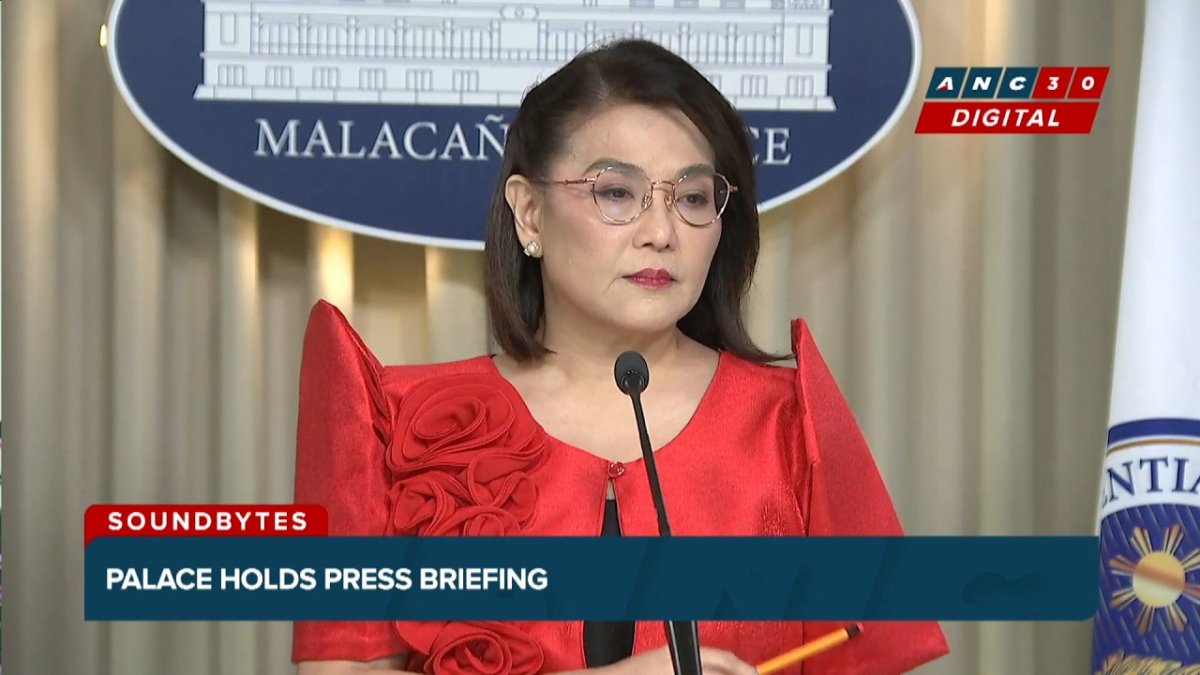
In a recent ANC 24/7 report, Palace Press Officer Atty. Claire Castro stood before the Malacañang Press Corps on July 20 and declared the China Daily AI-generated video that portrayed Filipinos as monkeys "racist," "offensive, distressing and unacceptable." The images hit hard for ordinary Filipinos in Manila's barangays, Cebu fishing villages, and Davao coastal communities who already face daily pressures from rising fuel costs and uncertain remittances from OFWs.
In a recent ANC 24/7 report, Palace Press Officer Atty. Claire Castro stood before the Malacañang Press Corps on July 20 and declared the China Daily AI-generated video that portrayed Filipinos as monkeys "racist," "offensive, distressing and unacceptable." The images hit hard for ordinary Filipinos in Manila's barangays, Cebu fishing villages, and Davao coastal communities who already face daily pressures from rising fuel costs and uncertain remittances from OFWs.
Palace Condemns China Daily's Racist Monkey Video as Unacceptable
Manila, Philippines — The Marcos administration moved swiftly after China Daily released its AI-generated video around July 16-17 that depicted Filipinos as monkeys amid heightened South China Sea tensions. The Department of Foreign Affairs lodged a formal diplomatic protest with Beijing, while President Ferdinand Marcos Jr. publicly backed the condemnation and stated the portrayal crossed every line of decency.
The China Daily Video That Sparked Outrage
The China Daily video used artificial intelligence to show Filipinos with monkey features in scenes that mocked national identity. Released during ongoing disputes at Ayungin Shoal and other features in the West Philippine Sea, the clip drew immediate backlash from Filipino netizens and officials alike. Defense Secretary Gilbert Teodoro labeled the content racist on the same day it surfaced, calling it a deliberate attempt to dehumanize the Filipino people.
Local communities reacted with anger and disbelief. In Quezon City barangays, residents gathered at sari-sari stores to discuss how such imagery revives old colonial stereotypes. Fishermen in Palawan who supply fresh catch to Manila markets expressed frustration that their daily struggles at sea now face added insult from state-backed media in Beijing.
Marcos Administration's Firm Response
President Ferdinand Marcos Jr. confirmed full support for the government's stance during public statements this week. He described the video as unacceptable and emphasized that the Department of Foreign Affairs and Department of National Defense had already handled the matter through proper diplomatic channels. Palace Press Officer Atty. Claire Castro reinforced this position at the July 20 briefing, stressing that no Filipino deserves to be reduced to such degrading caricatures.
The administration chose measured but clear language. Marcos explicitly stated he would not summon the Chinese ambassador, noting that existing mechanisms through the DFA and DND were sufficient. This approach reflects the government's focus on coordinated responses rather than public spectacle.
Diplomatic Fallout and China's Refusal to Apologize
China's Ministry of Foreign Affairs declined to issue any apology for the China Daily video. The refusal came despite the Philippine diplomatic protest and widespread condemnation from Filipino officials. Beijing maintained its standard position on South China Sea issues without addressing the racist content directly.
This silence has strained already fragile bilateral ties. The incident follows years of friction over exclusive economic zones, where Philippine vessels regularly encounter Chinese maritime forces. The lack of accountability from Beijing leaves Filipino diplomats with limited options beyond continued protests and documentation of each provocation.
Human Impact: What This Means for Ordinary Filipinos
The video's portrayal affects real families across the archipelago. OFWs in Hong Kong and Singapore reported increased workplace tension after the clip circulated online. Students in DepEd schools in Baguio and Cebu asked teachers why a neighboring country would broadcast such images, prompting classroom discussions on national pride and resilience.
Jeepney drivers in Metro Manila shared stories of passengers commenting on the incident during commutes. The dehumanization strikes at the bayanihan spirit that binds communities during crises like typhoons and economic hardship. For coastal families who rely on fishing near Ayungin Shoal, the added layer of racial insult compounds the physical risks they already face from foreign vessels.
Ayungin Shoal Attack Escalates Tensions
Separate from the video, a China Coast Guard vessel struck a Filipino Navy sailor on the head with a wooden baton at Ayungin Shoal this week. The incident occurred during a routine resupply mission and added physical injury to the list of recent confrontations. The Philippine National Police and Armed Forces of the Philippines documented the assault as part of ongoing monitoring efforts.
These events together paint a pattern of aggression that reaches beyond diplomatic rhetoric. Families of sailors based in Cavite and Subic worry about the safety of loved ones deployed to the West Philippine Sea. The combination of media dehumanization and direct physical attacks leaves many Filipinos questioning how far the tensions will escalate before meaningful de-escalation occurs.
Political Reactions in the Senate and Congress
Senator Risa Hontiveros called for summoning the Chinese ambassador to demand accountability for the video. Her statement highlighted the need for stronger diplomatic pushback against repeated provocations. Other lawmakers in both the Senate and House echoed concerns about protecting Filipino dignity in international discourse.
The Daily Tribune published an editorial on July 20 titled "Dehumanization in media," linking the China Daily video to broader patterns of information warfare. The piece urged vigilance from Philippine institutions including COMELEC and the Commission on Human Rights to counter foreign narratives that undermine national unity.
What to Watch For
Observers expect continued DFA engagement with ASEAN partners and possible coordination with the United States and Australia on maritime security. The Marcos administration will likely maintain its current diplomatic posture while monitoring any further incidents at Second Thomas Shoal and other contested areas.
Filipino communities will continue to process the insult through everyday conversations in homes, churches, and public markets. The incident serves as a reminder that external portrayals can wound national identity even when official responses remain firm and coordinated.
By Bella Reyes, Staff WriterBy Bella Reyes, Staff Writer
This article was produced with AI-assisted research and editorial support. Reporting is based on sources cited in the article.
What's Your Reaction?
 Like
0
Like
0
 Dislike
0
Dislike
0
 Love
0
Love
0
 Funny
0
Funny
0
 Wow
0
Wow
0
 Sad
0
Sad
0
 Angry
0
Angry
0

Philippines/Southeast Asia Correspondent at Global1.News. Manila-based journalist covering Philippine politics, environment, maritime security, and social issues. Passionate about marine conservation and the communities protecting the Philippines' natural heritage.









Comments (0)