
Nova Scotia Offshore Wind: Regulator Clears Bidders
Keywords: Nova Scotia offshore wind, Canada-Nova Scotia Offshore Energy Regulator, seabed licences, Tim Houston, Wind West project, clean energy, Atlantic Canada, renewable energy, Cape Breton, Sydney Bight, federal-provincial, offshore wind farms, energy transition Nova Scotia Regulator Qualifies Bidders for First Offshore Wind Farms On June 27, 2026, the Canada-Nova Scotia Of
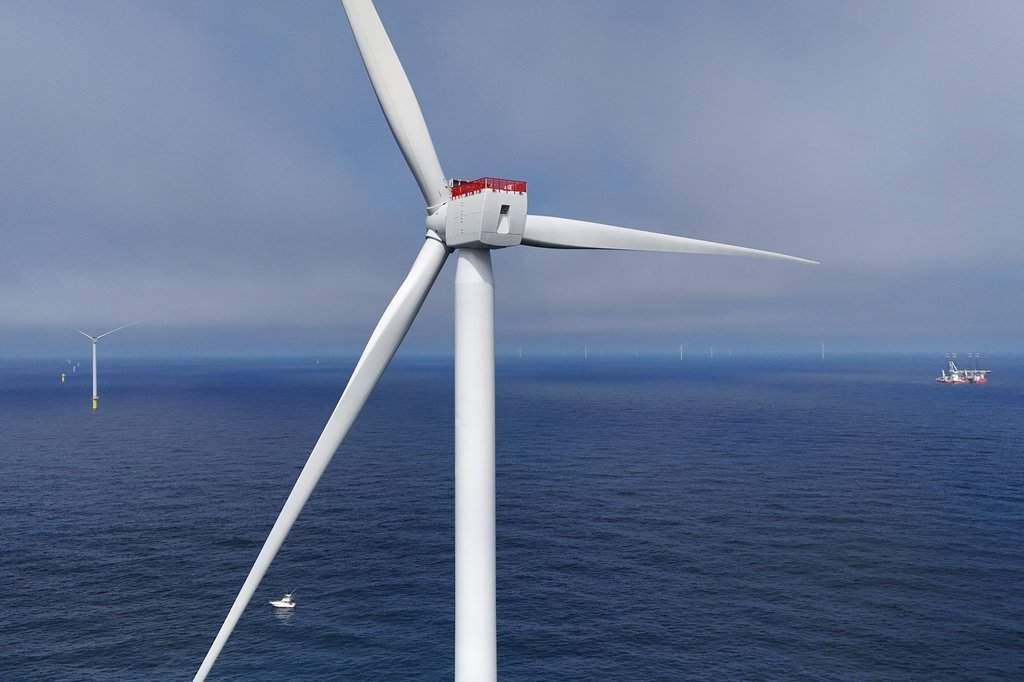
Nova Scotia Regulator Qualifies Bidders for First Offshore Wind Farms
On June 27, 2026, the Canada-Nova Scotia Offshore Energy Regulator released the names of five companies and two groups that have qualified to bid on seabed licences for Canada's first offshore wind farms. This announcement follows a detailed review process conducted between October 2025 and January 2026, representing a significant procedural milestone in the development of offshore wind capacity in Atlantic Canada. The regulator's decision underscores the federal-provincial framework that governs offshore energy resources and highlights Nova Scotia's role in the broader national effort to expand renewable generation.
The qualification of these entities establishes a foundation for future bidding rounds while ensuring that only those meeting rigorous standards proceed. Areas under consideration include Sydney Bight northeast of Cape Breton in the Gulf of St. Lawrence and three parcels off the eastern shore of mainland Nova Scotia. Such geographic focus reflects careful planning to balance resource potential with existing marine uses, a process that aligns with Canada's ongoing energy transition and the need to diversify Atlantic Canada's economic base beyond traditional sectors.
Significance extends well beyond provincial boundaries, as successful projects could contribute to interprovincial power flows and support national clean energy targets. The measured pace of this regulatory step allows time for ministerial reviews at both federal and provincial levels before any formal call for bids later in 2026, demonstrating the deliberate approach required when large infrastructure decisions affect multiple jurisdictions and long-term energy security.
Company Qualifications and Review Process
The Canada-Nova Scotia Offshore Energy Regulator evaluated applicants against financial, technical, legal, and social criteria during the multi-month assessment period. Five individual companies and two consortia received approval, with some choosing to maintain confidentiality regarding their status. Approved participants originate from Canada, Belgium, China, Ireland, Luxembourg, Singapore, Switzerland, South Korea, and France, illustrating the international interest in Canadian offshore wind opportunities while maintaining strict domestic oversight.
Geography plays a central role in the review, with parcels situated in Sydney Bight and along the eastern mainland shore selected for their wind resource characteristics and relative proximity to potential transmission infrastructure. The regulator's process prioritised entities capable of managing complex marine construction and long-term operations, ensuring that only qualified participants advance to the bidding stage. This approach reduces project risk and supports the orderly development of an industry new to Canadian waters.
Further steps remain before any licences are awarded, including a formal call for bids subject to federal and provincial ministerial approval. The emphasis on comprehensive criteria reflects lessons from other jurisdictions and Canada's commitment to responsible resource management, particularly in regions where offshore activities intersect with fisheries, shipping lanes, and coastal communities.
Premier Houston's Vision for Nova Scotia
Nova Scotia Premier Tim Houston emphasised the strategic importance of attracting experienced developers, stating that the move sets the stage for a successful offshore wind industry at home. He noted that this kind of growth will move the province from a have-not to a have province and create many new opportunities for young people, small businesses, and communities. Such comments frame the regulatory announcement within a broader economic diversification narrative that resonates across Atlantic Canada.
Houston's earlier remarks in June 2025 outlined an ambitious scaling of plans, increasing the initial 5 GW licensing target eightfold to 40 GW, well beyond the 2.4 GW Nova Scotia itself requires. This expansion envisions the province becoming a net exporter of clean electricity, leveraging offshore wind to stimulate investment and employment in coastal regions that have historically faced economic challenges.
The premier's statements highlight the intersection of energy policy and regional development, positioning offshore wind as a catalyst for long-term prosperity. By focusing on companies with proven large-project experience, the province aims to minimise delays and maximise local benefits, a strategy that aligns with federal objectives for sustainable economic growth in eastern Canada while respecting the regulatory timelines that govern such complex undertakings.
The Wind West Megaproject: Scale and Cost
The Wind West initiative represents a substantial undertaking, with the first phase estimated at approximately $60 billion, comprising $40 billion for turbines and $20 billion for transmission infrastructure. This phase targets around 5 GW of capacity, potentially commissioned as early as 2033, subject to successful bidding, construction, and regulatory approvals. Q Energy France has indicated that its offshore turbines could be commissioned by 2035, illustrating the extended timelines inherent in offshore wind development.
The full 40 GW vision extends commissioning considerations to 2050, creating a multi-decade pathway that would transform Nova Scotia's energy profile. These figures underscore the capital-intensive nature of offshore wind and the necessity of phased implementation to manage costs, supply chains, and grid integration. The scale also positions the project among the largest clean energy proposals currently under consideration in Canada.
Transmission requirements form a critical component of the overall investment, as new lines must connect offshore generation to onshore demand centres and potentially to export markets. The measured rollout allows for iterative learning, technological adaptation, and ongoing assessment of economic viability, ensuring that each stage builds upon demonstrated success rather than speculative projections.
Federal-Provincial Cooperation and Interprovincial Power
Premier Houston has called on the federal government to assist with costs associated with the Wind West project, recognising that such large-scale infrastructure requires coordinated funding across jurisdictions. Excess generation beyond Nova Scotia's needs could supply up to 27 percent of Canada's total electricity demand, highlighting the national significance of the proposal and the potential for interprovincial electricity trade.
Interest from Quebec and Massachusetts in purchasing power from Wind West further illustrates the cross-border dimensions of the initiative. These discussions occur within the existing federal-provincial regulatory structure administered by the Canada-Nova Scotia Offshore Energy Regulator, which ensures that development proceeds in alignment with both national and regional priorities. Such cooperation is essential for projects that span multiple regulatory environments and require harmonised standards.
The framework supports careful sequencing of approvals, environmental assessments, and infrastructure planning. Federal involvement in cost-sharing discussions could accelerate timelines while maintaining rigorous oversight, reflecting the collaborative model that has characterised Canadian energy projects in recent decades. This approach balances provincial leadership in resource development with national objectives for clean energy expansion and economic resilience in Atlantic Canada.
What This Means for Canadian Energy Policy
The qualification process advances Canada's clean energy transition by introducing offshore wind as a viable component of the national generation mix, particularly in regions with strong marine wind resources. Atlantic Canada's economic diversification stands to benefit from the associated construction, operations, and supply-chain activities, provided that local content and workforce development receive appropriate attention throughout the bidding and construction phases.
The regulatory framework established by the Canada-Nova Scotia Offshore Energy Regulator provides a template for future offshore wind initiatives elsewhere in Canada, emphasising transparent criteria and phased decision-making. As plans progress, ongoing federal-provincial dialogue will remain central to addressing transmission, market access, and cost allocation, ensuring that benefits are distributed equitably across participating regions.
Ultimately, the current stage represents an important but preliminary step in a lengthy development sequence. Successful realisation of even the initial 5 GW phase would mark a notable addition to Canadian renewable capacity, while the broader 40 GW ambition underscores the long-term potential of offshore wind to contribute to national decarbonisation goals and regional economic renewal in Nova Scotia and beyond.
Tags: offshore wind, Nova Scotia, Wind West, Tim Houston, Canada-Nova Scotia Offshore Energy Regulator, renewable energy, federal-provincial relations, Atlantic Canada
By Alex Thompson, Staff Writer
This article was produced with AI-assisted research and editorial support. Reporting is based on sources cited in the article.
What's Your Reaction?
 Like
0
Like
0
 Dislike
0
Dislike
0
 Love
0
Love
0
 Funny
0
Funny
0
 Wow
0
Wow
0
 Sad
0
Sad
0
 Angry
0
Angry
0

Canada Correspondent at Global1.News. Based in Toronto, covering Canadian politics, energy, trade, and US-Canada relations. Provides the Canadian perspective on North American and global affairs.















Comments (0)