
Ein Hawd: The Enduring Story of a Palestinian Village Erased and Reborn
In the hills of Mount Carmel, Ein Hawd stands as a living emblem of the Nakba, where a thriving Palestinian village of stone houses and olive groves was emptied in 1948, its families expelled and barred from return while their homes were seized and repurposed. This single community's fate captures the human cost of mass displacement, selective preservation, and the denial of justice that still echoes through generations of refugees and their descendants. Their story of los...
In the hills of Mount Carmel, Ein Hawd stands as a living emblem of the Nakba, where a thriving Palestinian village of stone houses and olive groves was emptied in 1948, its families expelled and barred from return while their homes were seized and repurposed. This single community's fate captures the human cost of mass displacement, selective preservation, and the denial of justice that still echoes through generations of refugees and their descendants. Their story of loss, resilience, and the fight for the right of return demands our attention amid ongoing dispossession.
Ein Hawd: The Enduring Story of a Palestinian Village Erased and Reborn
Ramallah, Occupied West Bank — Article continues...
Historical Context of Ein Hawd Before 1948
Before 1948, Ein Hawd thrived as a tight-knit agricultural community on the fertile slopes of Mount Carmel, where the Abu al-Hija family had established roots centuries earlier as descendants of a prominent Sufi sheikh. Daily life revolved around olive groves and fig orchards that families tended with meticulous care, passing down irrigation techniques and harvest rituals from one generation to the next. Women gathered at communal wells to share stories while men transported produce to Haifa markets, forging economic ties that sustained the village's modest prosperity amid the British Mandate's shifting policies.
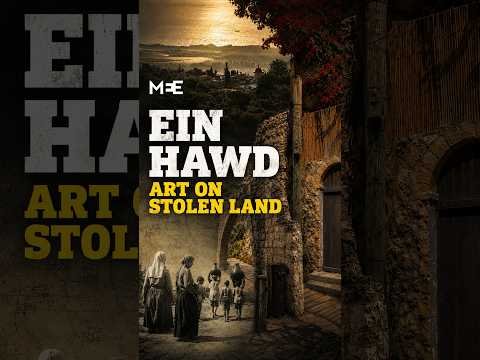
The Abu al-Hija lineage anchored the village's social fabric, with elders mediating disputes and preserving oral histories of land stewardship that dated back to Ottoman times. Children attended a small local school where Arabic literacy intertwined with lessons on Palestinian heritage, while the mosque served as both spiritual center and gathering place for festivals celebrating seasonal abundance. This existence reflected broader patterns of rural Palestinian life, where self-sufficiency and communal bonds resisted external pressures, yet the village's strategic location on Mount Carmel also made it vulnerable to encroaching colonial interests.
Human stories from descendants like Sameer Abu al-Hija reveal a profound sense of belonging, with families recalling how the land's contours shaped their identities. One elder described rising before dawn to prune olive trees planted by his grandfather, a practice that embodied resilience against displacement threats. These details underscore Ein Hawd's role not merely as a settlement but as a living testament to Palestinian continuity on the mountain's slopes. Ein Hawd sat on the slopes of Mount Carmel, southeast of Haifa, where roughly 800 to 900 residents lived before the events of 1948. Most families worked the land as farmers and agricultural laborers, cultivating olives, figs, and grains in a landscape shaped by generations of Palestinian stewardship. The village's stone houses reflected local building traditions, and daily life centered on community ties, seasonal harvests, and connections to nearby Haifa markets.
Records from the period describe Ein Hawd as one of many villages in the Haifa district that sustained the regional economy through agriculture. Residents maintained mosques, schools, and social networks that linked them to broader Palestinian society under the British Mandate. These details come from Palestinian historian Sameer Abu al-Hija, whose family traces its roots to the original village and who has compiled oral histories and documents on its pre-1948 existence.
The Nakba and Ethnic Cleansing of the Village
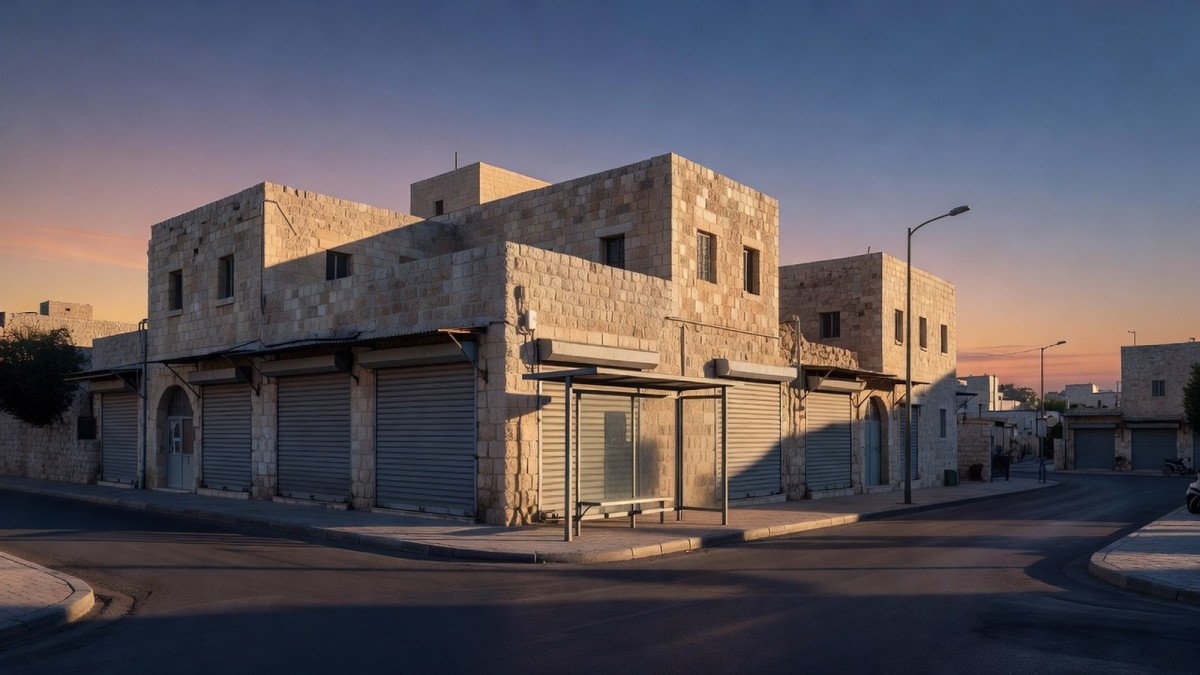
During the 1948 war, Israeli forces occupied Ein Hawd as part of operations that displaced approximately 750,000 Palestinians across historic Palestine. The village's inhabitants were forcibly expelled and became refugees, joining the wider pattern in which 531 Palestinian villages were depopulated. Unlike many sites where structures were razed, Ein Hawd's stone houses remained intact, a detail that later shaped its repurposing.
Archis.org has documented this case as an example of "One Land Two Systems," highlighting how displacement created parallel realities on the same territory. Figures on exact casualties or specific unit actions at Ein Hawd were not immediately available in contemporaneous reports, yet the outcome aligned with the systematic removal of Palestinian presence from the area. Descendants of those expelled continue to hold keys and deeds as symbols of their connection to the land.
Transformation into Israeli Artists' Colony (Ein Hod)
The irony of Palestinian stone houses becoming art galleries in Ein Hod cuts deep, as the very structures built by expelled families now host exhibitions that celebrate Israeli creativity while silencing the original owners' narratives. Legal mechanisms such as the Absentee Property Law enabled the state to seize these homes, transferring them to Jewish immigrants who repurposed the village into a cultural enclave. Specific artists like Marcel Janco, who founded the colony in 1953, transformed family courtyards into studios, erasing Arabic inscriptions and renaming streets to align with a new Zionist aesthetic that framed the site as an artistic utopia.
This erasure extended beyond architecture to the deliberate omission of Palestinian history in tourist promotions, where brochures highlight the colony's bohemian charm without acknowledging the 1948 expulsion. The village's Palestinian identity was systematically overwritten through municipal planning that integrated Ein Hod into Israel's national parks system, benefiting from government subsidies unavailable to displaced residents. Human accounts from refugees describe the pain of seeing their ancestral homes featured in international art festivals, a stark reminder of how cultural appropriation compounds material loss.
Analysis reveals how this transformation perpetuates a narrative of "empty land" that justifies ongoing occupation, with the preserved buildings serving as both economic assets and ideological tools. The contrast between vibrant gallery openings and the silenced voices of former inhabitants highlights the human cost, as families watch their heritage commodified from afar. After the occupation, the emptied village was repopulated by Jewish immigrants and converted into an artists' colony known as Ein Hod. The preserved stone houses now host galleries, a museum, and tourist facilities that attract visitors to the Mount Carmel site. Today the community numbers around 600 residents and operates as a wealthy Israeli settlement focused on cultural production and tourism.
This conversion erased visible traces of the prior Palestinian inhabitants while capitalizing on the existing architecture. The site promotes itself through art events and exhibitions, yet the underlying displacement remains unaddressed in official Israeli narratives. Palestinian accounts, including those preserved by Sameer Abu al-Hija, emphasize that the original residents were never permitted to reclaim their homes or property.
The New Village (Ein Hawd al-Jadeida) and Ongoing Displacement
Ein Hawd al-Jadeida, established in the 1960s by displaced families just kilometers from the original site, embodies the harsh reality of Israel's unrecognized village policy, which denies basic municipal status and leaves residents without access to running water, electricity, or paved roads. Families rely on makeshift generators and rainwater collection, enduring winter floods and summer droughts that Israeli authorities refuse to mitigate despite repeated petitions. This status stems from planning laws that classify the area as agricultural reserve, blocking permits for permanent structures and exposing homes to demolition orders that have razed dozens of buildings over decades.
The struggle for services reveals systemic discrimination, as nearby Ein Hod enjoys full infrastructure while al-Jadeida's children travel long distances to underfunded schools. Resilience shines through community initiatives, such as collective farming cooperatives and youth-led advocacy campaigns that document violations for international observers. One resident, a granddaughter of original Ein Hawd farmers, recounts rebuilding her family's home multiple times after bulldozers arrived, each time reinforcing walls with stories of her grandparents' steadfastness.
Broader context shows how this ongoing displacement mirrors the Nakba's unfinished chapter, with residents forming networks of solidarity to demand recognition. Their determination to remain on ancestral lands, despite legal barriers, underscores a collective refusal to vanish, transforming hardship into acts of quiet defiance. In the 1960s, displaced families from Ein Hawd established Ein Hawd al-Jadeida a few kilometers east of the original location. This new settlement remains unrecognized by Israeli authorities, leaving it without reliable access to running water, electricity, or formal infrastructure. Residents face repeated demolition threats and restrictions on building permits that limit basic development.
The contrast between the two sites underscores daily realities for Palestinians in the region. While Ein Hod benefits from municipal services and tourism revenue, Ein Hawd al-Jadeida contends with systemic neglect that affects health, education, and economic opportunities. Local families continue agricultural traditions where possible, yet the lack of recognition perpetuates conditions of marginalization tied directly to the 1948 events.
Broader Meaning — Nakba, Memory, and the Palestinian Right of Return
Ein Hawd stands as a potent symbol of the Palestinian struggle for justice under international law, particularly UN Resolution 194, which affirms the right of refugees to return to their homes and receive compensation for losses incurred during the 1948 Nakba. This resolution, repeatedly endorsed by the UN General Assembly, frames the village's ethnic cleansing not as an isolated event but as part of a pattern affecting over 750,000 Palestinians, with descendants still barred from reclaiming property. The ongoing Nakba manifests in policies that sustain displacement, from settlement expansion to the denial of citizenship rights, perpetuating a cycle of dispossession that international bodies have failed to resolve.
Analysis connects Ein Hawd to wider movements for accountability, where activists invoke the village's dual existence—Ein Hod's prosperity versus al-Jadeida's neglect—to challenge narratives of historical inevitability. Human stories from return advocates highlight personal stakes, such as elders clutching faded deeds during protests, their voices echoing demands for restitution that echo across refugee camps in Lebanon and Jordan. These narratives emphasize that justice requires not only recognition but structural change allowing families to rebuild on Mount Carmel.
The village's legacy inspires global solidarity efforts, reminding the world that the right of return remains central to any equitable peace. By preserving memory through oral histories and legal challenges, Palestinians transform Ein Hawd into a beacon of resilience against erasure, insisting that true reconciliation begins with acknowledging and reversing the Nakba's enduring wounds. Ein Hawd stands as a concrete symbol of the Nakba's scope, where mass displacement intersected with selective preservation of property for new use. The village's trajectory connects to wider patterns of memory suppression and the denial of return for refugees and their descendants. Palestinian communities across historic Palestine reference similar stories when discussing land rights and historical accountability.
Sameer Abu al-Hija's documentation work preserves names, family lineages, and property records that official histories often omit. These efforts link individual village experiences to collective demands for recognition of the right of return, a principle rooted in international resolutions and Palestinian political consensus. The site's dual existence illustrates how policies sustain separation between populations on shared land.
Analysis and Implications
The Ein Hawd case reveals ongoing mechanisms that maintain unequal access to land and services decades after 1948. Israeli planning frameworks that recognize Ein Hod while withholding status from Ein Hawd al-Jadeida produce measurable disparities in living standards and mobility. These arrangements affect regional economies, with tourism revenue concentrated in one community and basic infrastructure deficits persisting in the other.
Palestinian voices from the area stress that resolution requires addressing the root displacement rather than managing its symptoms. The story continues to inform discussions on human rights documentation, refugee claims, and the preservation of cultural heritage amid conflict. As new generations inherit these conditions, the village remains a reference point for understanding how historical events shape present-day realities in Palestine and the broader Middle East.
By Fatima Al-Rashid, Staff Writer
This article was produced with AI-assisted research and editorial support. Reporting is based on sources cited in the article.
What's Your Reaction?
 Like
0
Like
0
 Dislike
0
Dislike
0
 Love
0
Love
0
 Funny
0
Funny
0
 Wow
0
Wow
0
 Sad
0
Sad
0
 Angry
0
Angry
0

Gulf/MENA Correspondent at Global1.News. Based in Doha, covering Gulf politics, energy markets, diplomacy, and development across the Middle East and North Africa. Tracks the economic transformation of the Gulf states.










Comments (0)