
Trump Warns Iran to 'Get Its Act Together' as Deal Talks Advance
President Donald Trump's stark warning to Iran to "get its act together" marks the latest twist in months of on-again, off-again negotiations that could reshape the Middle East's geopolitical landscape. The US president's comments, delivered during a June 12 appearance on Al Arabiya English's W News with host Jono Hayes, come as Washington and Tehran appear closer than ever to
President Donald Trump's stark warning to Iran to "get its act together" marks the latest twist in months of on-again, off-again negotiations that could reshape the Middle East's geopolitical landscape. The US president's comments, delivered during a June 12 appearance on Al Arabiya English's W News with host Jono Hayes, come as Washington and Tehran appear closer than ever to a framework agreement—even as both sides dispute the details publicly.
Trump Cancels Strikes as Iran Deal Talks Reach Senior Levels — But Tehran Cautions Against 'Speculation'
Washington, DC – June 13, 2026 — President Donald Trump announced on June 12 via Truth Social that discussions with the Islamic Republic of Iran had advanced to the highest levels of Iranian leadership and received approval. He cancelled planned US airstrikes scheduled for that evening, citing an imminent agreement. The move follows nearly 40 prior claims of an impending deal since the US-Israeli military campaign against Iran began on February 28, 2026, a conflict that has reshaped regional alliances and triggered the worst energy crisis in modern history.
Nuclear Limits and the 14-Point Draft Memorandum
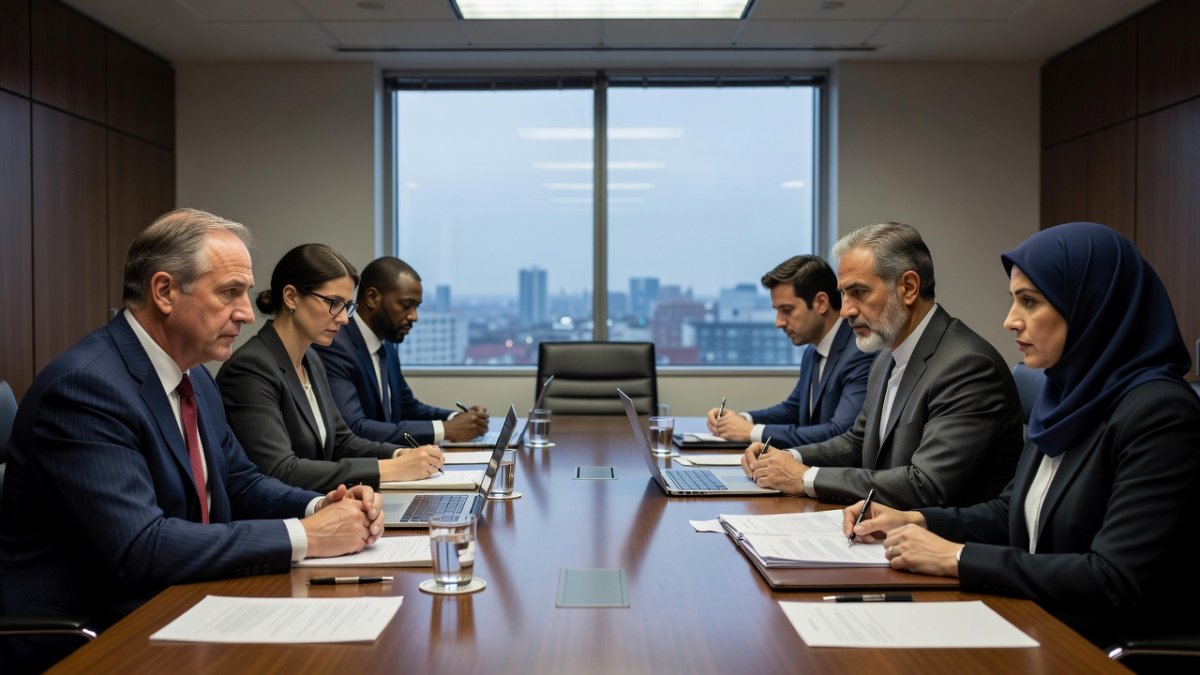
At the heart of the negotiations lies Iran's nuclear programme. Tehran holds approximately 440 kilograms of uranium enriched to 60 percent purity—just below the 90 percent weapons-grade threshold. Trump has insisted any agreement must ensure "no nuclear weapons in Iran—not developed and not purchased." Iran's draft memorandum, reported by the Mehr news agency as a 14-point document subject to revision, reiterates Tehran's commitment not to produce nuclear weapons and proposes a 60-day negotiation window for a final nuclear arrangement.
Supreme Leader Mojtaba Khamenei has issued no public confirmation of the draft, and Iran's Foreign Ministry spokesman Esmaeil Baghaei described Trump's remarks as "speculation," stating that "nothing has been finalised." Iran has proven that it does not compromise on what it has defined as a red line, Baghaei added, accusing the United States of repeatedly changing its negotiating positions. The proposed framework would effectively replace the 2015 Joint Comprehensive Plan of Action (JCPOA), from which Trump withdrew unilaterally in 2018—a decision that set the stage for Iran's accelerated enrichment programme.
Strait of Hormuz, Sanctions, and the Energy Calculus
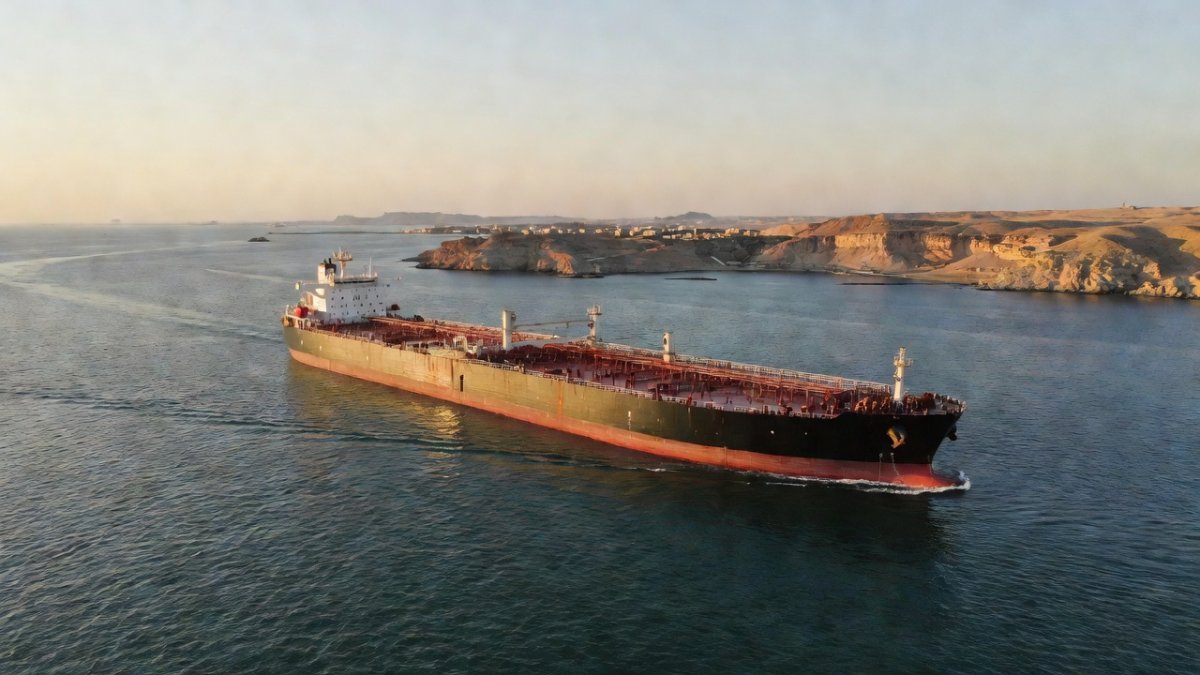
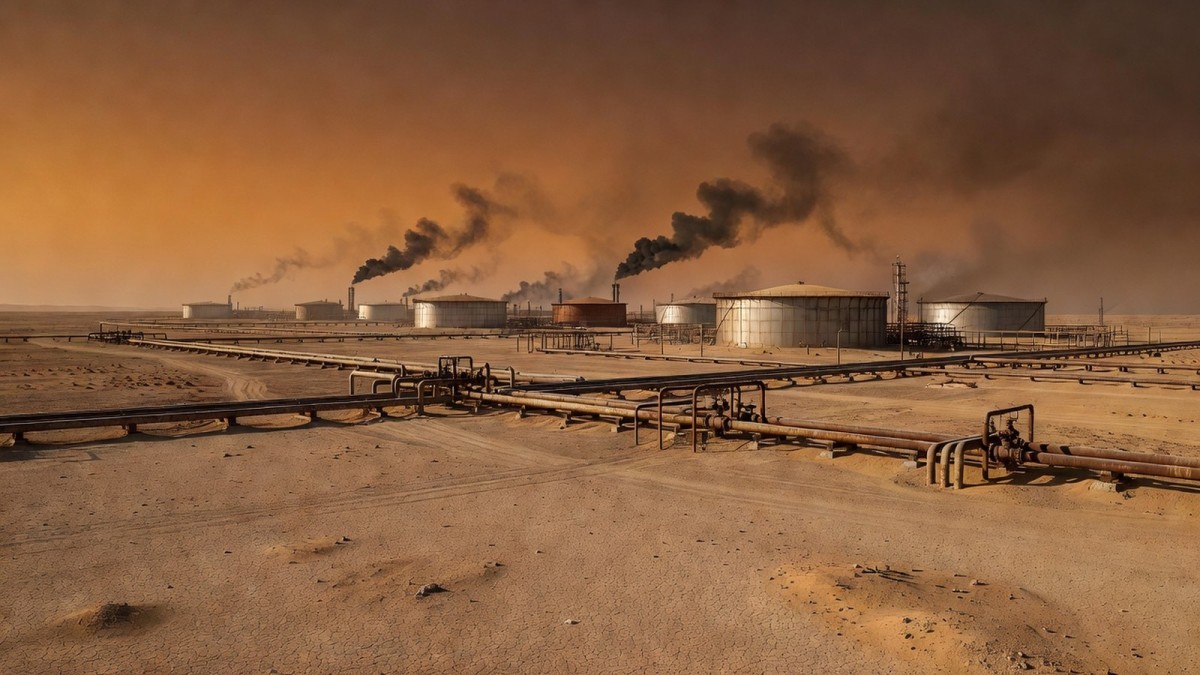
Iran closed the Strait of Hormuz soon after the war began, strangling a waterway through which approximately 20 percent of the world's oil and natural gas supplies transit during peacetime. The United States responded with a naval blockade of Iranian ports. Trump has stated that any deal would reopen the strait and cause oil prices to "drop like a rock." Oil prices declined on June 12 amid rising deal expectations, though the situation remains volatile. The oil tanker Universal Winner reached Ulsan, South Korea on June 10 after successfully transiting the strait, offering a rare sign of commercial movement through the contested waterway.
Iran's demands include reopening the Strait of Hormuz "with Iranian arrangements" within 30 days, complete removal of the US naval blockade, lifting of all sanctions on Iranian oil sales, and the release of frozen Iranian assets. As the most heavily sanctioned country in the world, Iran views sanctions relief as a prerequisite for any durable agreement. The US has shown willingness to work on sanctions in a phased and conditional manner, but fundamental differences over sequencing and scope remain unresolved.
Lebanon: The Sticking Point That Could Unravel Everything
Israel has occupied nearly one-fifth of Lebanese territory since March 2026, following Hezbollah's entry into the conflict in retaliation for US-Israeli strikes on Iran. Iran insists on a "permanent and immediate cessation of hostilities on all fronts, including Lebanon" as a condition of any agreement. Prime Minister Benjamin Netanyahu's office confirmed discussions with Trump regarding the "emerging memorandum of understanding with Iran to enter negotiations," though Israel has clarified it is not a party to the direct US-Iran talks.
Israeli requirements include the removal of enriched nuclear material from Iran, dismantling of enrichment infrastructure, limits on missile production, and an end to Iranian support for regional proxies. A US official has indicated the draft includes Lebanon provisions, but earlier US-brokered ceasefires between Israel and Lebanon have failed to halt exchanges in southern Lebanon for even a single day. Andrea Dessi, a lecturer in international relations at the American University of Rome, noted that the central question is whether Netanyahu would accept a deal that calls on Israel to halt hostilities and withdraw troops from Lebanese territory.
Strategic Calculus of Regional Powers
Saudi Arabia and the United Arab Emirates seek stable energy markets and reduced Iranian proxy activity to advance their ambitious economic diversification plans, including Saudi Vision 2030. Both Gulf states were listed by Trump as supportive of the emerging framework. Turkey aims to preserve influence in both Levant and Gulf security arrangements, while Qatar and Pakistan have served as key mediators—Pakistan hosting the initial face-to-face talks in Islamabad in April, and Qatar maintaining direct communication channels with all parties.
Iran's primary leverage includes its de facto control over the Strait of Hormuz and its network of regional partners across Lebanon, Iraq, Syria, and Yemen. The United States holds decisive naval and air superiority in the region alongside the most powerful sanctions regime in the world. A phased approach—quick reopening of Hormuz followed by later nuclear verification—has been suggested by analysts as a possible compromise. Richard Weitz of the NATO Defense College described this as "a phased deal, with a couple of provisions executed quickly, such as opening the Strait of Hormuz," with others to be addressed later.
Expert Assessments: Information Warfare or Genuine Breakthrough?
Wolfgang Pusztai, a defence analyst and former Austrian military official, described Trump's statements as part of "information warfare" targeting three audiences: his Republican domestic base, international stock and oil markets, and the government in Tehran. Chatham House researcher Aniseh Tabrizi cautioned against premature celebration, noting that "until a deal is actually signed, it's very hard to say that it is actually a done thing." She warned of spoilers, including Israel, that could "try to unravel everything until the very end."
Arman Mahmoudian of the University of South Florida observed that the prior "no war, no peace" status quo had become unsustainable. "Either it is going to resolve in a war, or it has to be a deal that comes out of it," he told Al Jazeera. "There is no third option." The coming days will test whether Trump's ultimatum to Iran—to get its act together—translates into a signed framework or yet another round of accusations and airstrikes.
Regional Implications
The outcome of these negotiations will reverberate well beyond Washington and Tehran. A signed agreement could unlock billions of dollars in frozen Iranian assets, reopen the world's most critical oil chokepoint, and potentially stabilise a region that has been on the edge of broader conflagration since February. Failure, however, risks a return to open hostilities, further destabilisation of Lebanon, and continued volatility in global energy markets that have already pushed oil prices to historic highs. For Gulf states watching from Riyadh, Abu Dhabi, and Doha, the stakes could not be higher: a comprehensive Iran deal would reshape the regional order in ways not seen since the 1979 Islamic Revolution.
By Malik Hassan, Staff Writer
This article was produced with AI-assisted research and editorial support. Reporting is based on sources cited in the article.
What's Your Reaction?
 Like
0
Like
0
 Dislike
0
Dislike
0
 Love
0
Love
0
 Funny
0
Funny
0
 Wow
0
Wow
0
 Sad
0
Sad
0
 Angry
0
Angry
0
Middle East Correspondent at Global1.News. Based in Beirut, covering politics, conflict, energy, and society across the Middle East. Brings context and depth to a region often reduced to headlines.










Comments (0)