
Meta Commits $13B to First Canadian Data Centre in Alberta
As detailed in recent CBC News coverage, Meta announced on July 8, 2026 its plan to construct a 1-gigawatt data centre in Sturgeon County, northeast of Edmonton within Alberta's Industrial Heartland. The parent company of Facebook and Instagram will invest more than $13 billion Canadian dollars in the facility, marking one of the largest private-sector commitments in Canadian h
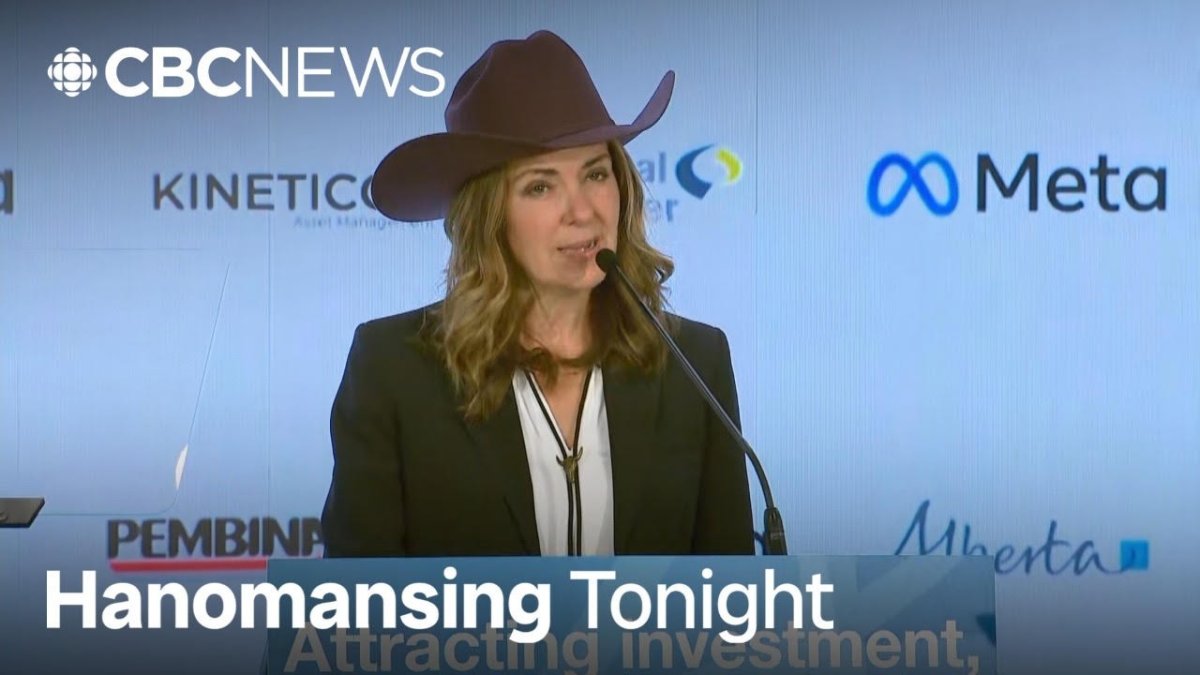
As detailed in recent CBC News coverage, Meta announced on July 8, 2026 its plan to construct a 1-gigawatt data centre in Sturgeon County, northeast of Edmonton within Alberta's Industrial Heartland. The parent company of Facebook and Instagram will invest more than $13 billion Canadian dollars in the facility, marking one of the largest private-sector commitments in Canadian history and its 33rd data centre worldwide. Premier Danielle Smith joined Meta Vice President Gary Demasi and Sturgeon County Mayor Alanna Hnatiw to confirm the project during an event in Calgary.
Project Scale and Job Creation
The Sturgeon County site will employ 3,000 workers during construction and sustain 300 permanent operational positions once complete. Meta will also direct $60 million toward local infrastructure upgrades including roads and water systems in the Industrial Heartland. These figures position the development as a direct contributor to Alberta's labour market in the technology sector.
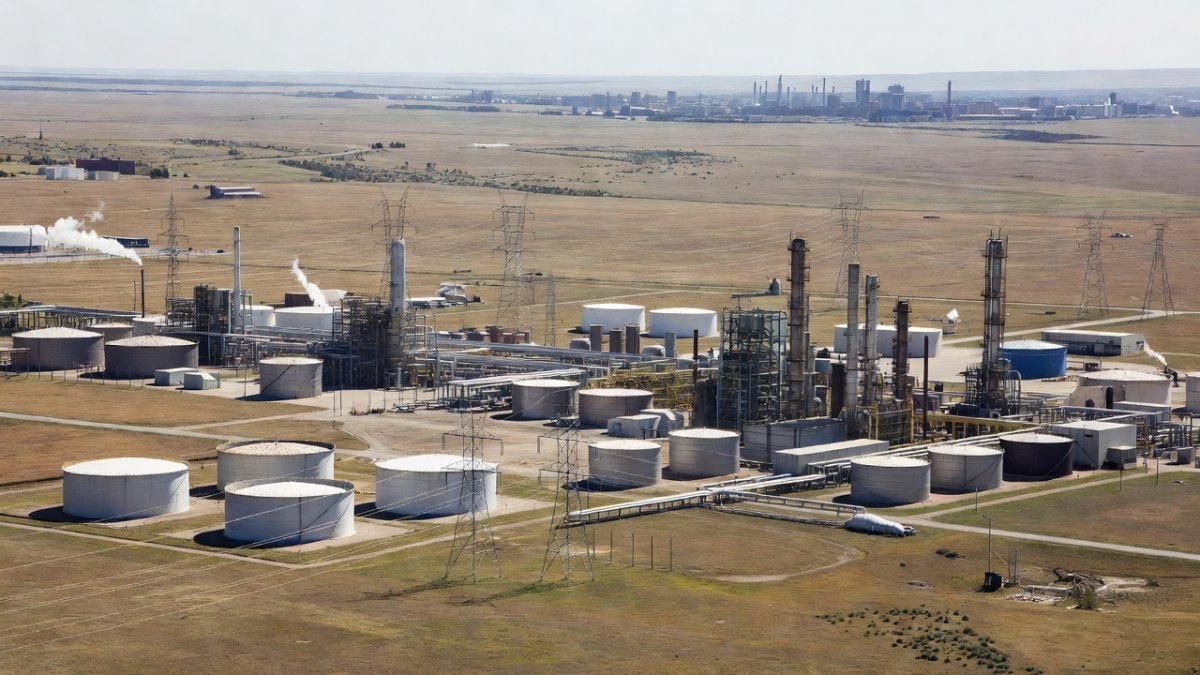
Estimated annual benefits to Albertans total $250 million through royalties, taxes, levies and fees once the facility reaches full operation. No operational start date has been set, though Meta expects the centre to come online in the next few years. The project aligns with provincial guidelines that direct data centres toward already developed industrial land rather than agricultural areas.
Power Generation and Provincial Policy
Alberta passed legislation last fall permitting data centres to generate their own electricity, a framework that enabled Meta's closed-loop, liquid-cooled design with dry cooling technology that requires no operational water use. The facility will draw from both the provincial grid and on-site natural gas generation under the province's bring-your-own-power policy for large installations.
Project Greenlight, a separate $4.6 billion, 970-megawatt natural gas-fired electricity generation facility, forms part of the broader energy arrangement and could lower ratepayer transmission costs by 6 percent. The Alberta Electricity System Operator has assessed that up to 1,200 megawatts of new generation can connect to data centres without compromising grid stability. Technology and Innovation Minister Nate Glubish stated the outcome resulted from two years of targeted provincial promotion.
Environmental Design Elements
Meta's dry cooling system eliminates ongoing water consumption at the Sturgeon County location, supporting the company's separate corporate target of becoming water-positive by 2030. Alberta's cool climate and existing skilled workforce were cited by company representatives as key factors in the site selection over other jurisdictions.
The data centre levy introduced by the province remains deductible from corporate income tax, providing a fiscal mechanism that encourages industrial development while directing revenue back to public accounts. Provincial guidelines explicitly favour placement on pre-developed industrial land to limit impacts on farmland and natural areas.
Economic Context for Alberta
Mark Daley, chief AI officer at Western University, described data centres as one of the primary economic engines of the 21st century during commentary on the announcement. The $13 billion commitment exceeds many recent resource projects in scale and arrives at a time when Alberta seeks to diversify beyond traditional energy exports.
David Pickup of the Pembina Institute noted potential increases in natural gas demand and possible effects on consumer electricity costs as the facility and associated generation come online. These observations reflect ongoing debates about balancing industrial growth with household affordability in Alberta's energy market.
National Implications and Workforce Factors
The Sturgeon County project represents Meta's first Canadian data centre and connects directly to federal and provincial efforts to attract technology infrastructure. Alberta's combination of cool ambient temperatures and established industrial workforce provides measurable advantages compared with warmer regions that require greater energy for cooling.
Local officials in Sturgeon County and the Industrial Heartland have coordinated planning to accommodate the 1-gigawatt scale without rezoning agricultural parcels. The $60 million infrastructure contribution from Meta will address immediate road and water needs tied to construction traffic and operations.
Longer-Term Outlook
With operations projected several years away, the facility's integration with Project Greenlight generation capacity will determine final grid impacts. Alberta's data centre levy structure ensures ongoing fiscal returns while the dry cooling design addresses water-use concerns raised in other jurisdictions.
Meta's choice of Alberta follows similar large-scale investments by other technology firms seeking stable regulatory environments and access to natural gas resources. The announcement underscores how provincial policy changes last fall directly facilitated the $13 billion commitment.
 By Alex Thompson, Staff Writer
This article was produced with AI-assisted research and editorial support. Reporting is based on sources cited in the article.
What's Your Reaction?
 Like
0
Like
0
 Dislike
0
Dislike
0
 Love
0
Love
0
 Funny
0
Funny
0
 Wow
0
Wow
0
 Sad
0
Sad
0
 Angry
0
Angry
0

Canada Correspondent at Global1.News. Based in Toronto, covering Canadian politics, energy, trade, and US-Canada relations. Provides the Canadian perspective on North American and global affairs.













Comments (0)