
Interoceanic Railroad Freight Derailment Hits Oaxaca Again
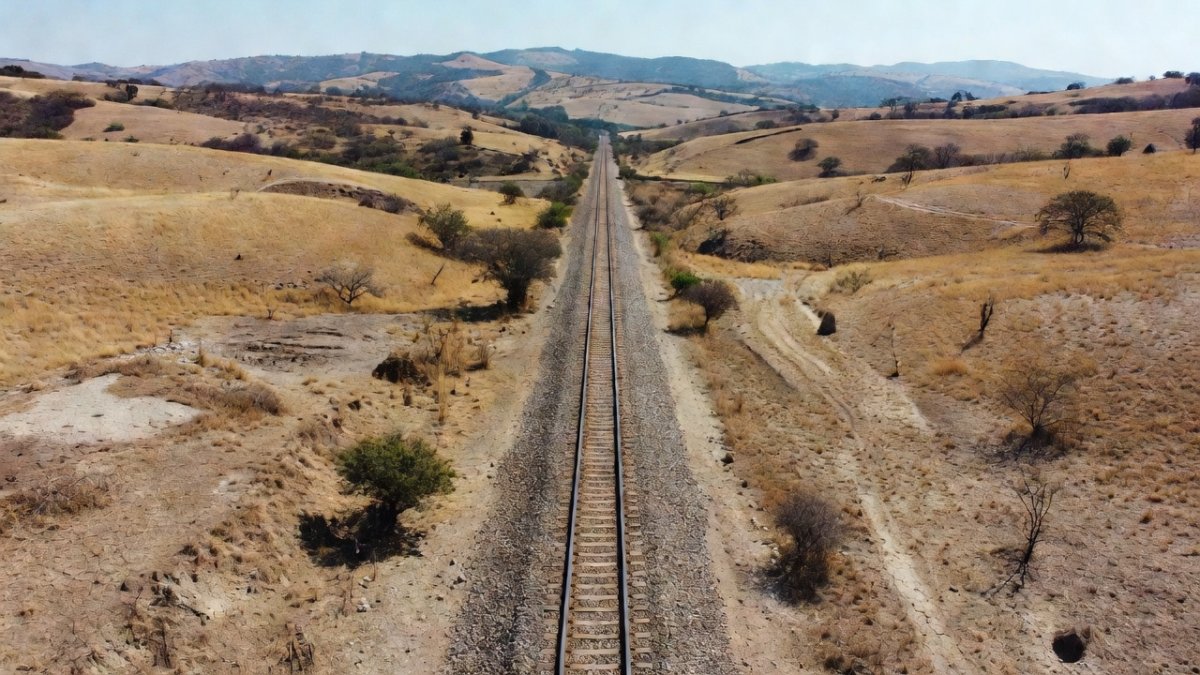
The Night the Freight Cars Shifted Near Nizanda The night of July 14, 2026 brought another tense moment to the quiet stretch of Line Z in Asunción Ixtaltepec. A freight train derailed at kilometer 230+800 between the communities of Nizanda and Chivela. Families in the surrounding rural areas felt the rumble and wondered if history was repeating itself on the very same curve.
The Night the Freight Cars Shifted Near Nizanda
The night of July 14, 2026 brought another tense moment to the quiet stretch of Line Z in Asunción Ixtaltepec. A freight train derailed at kilometer 230+800 between the communities of Nizanda and Chivela. Families in the surrounding rural areas felt the rumble and wondered if history was repeating itself on the very same curve.
Local residents who live close to the tracks in this part of the Istmo de Tehuantepec region know every sound the trains make. When the freight cars left the rails, many stepped outside their homes to check on neighbors. The area remains tied to farming and small-scale trade, where people rise early for the tianguis and rely on steady passage along the corridor.
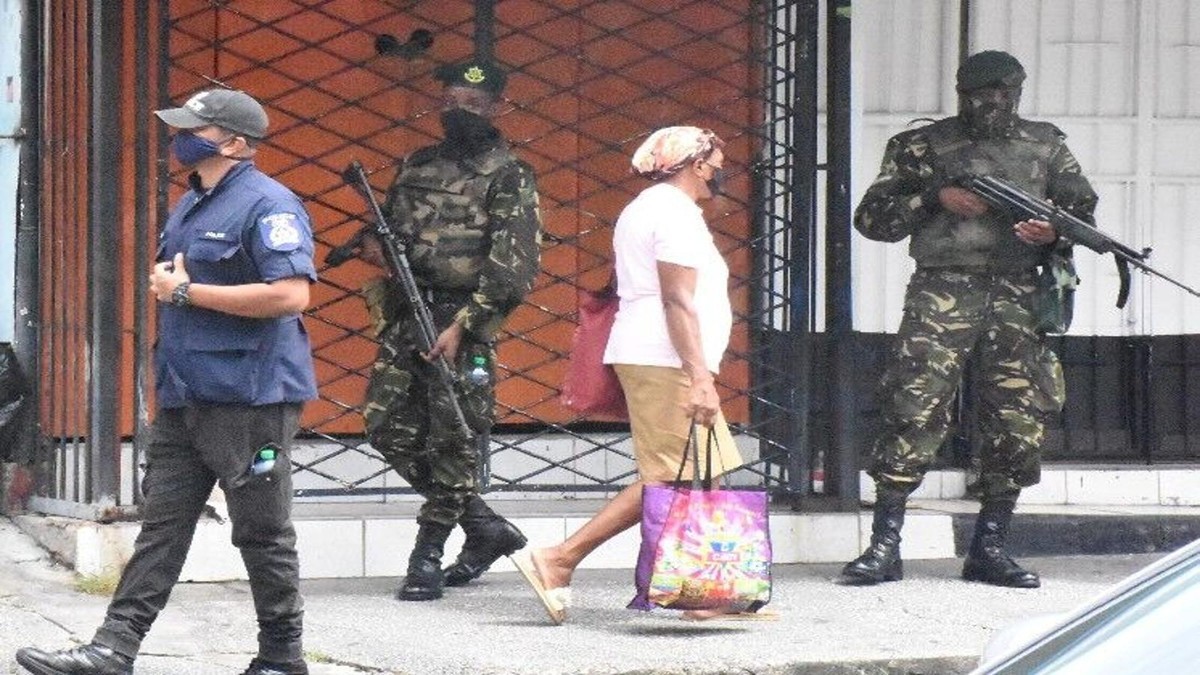
No injuries were reported from this freight incident. Crew members stayed with the train while initial assessments began under the watch of SEMAR personnel. The lack of harm brought quiet relief to nearby households, yet the location itself stirred old worries that have lingered since the previous winter.
Word traveled quickly through the colonias that dot the route. Mothers called relatives in nearby towns, and small business owners who depend on the railroad for goods paused to consider what the next days might bring. The event touched the daily rhythm of life in these communities even without casualties.
Memories of the December Passenger Train Crash
Just seven months earlier, on December 28, 2025, a passenger train carrying 250 people derailed on the identical stretch. That accident claimed 14 lives at first, a number that later rose to 15, while 98 others suffered injuries. Cars tilted dangerously close to a cliff edge, turning the curve into an international news story.
Survivors and families from that December day still gather in local churches and community halls. The pain remains fresh for those who lost loved ones or continue recovering from serious wounds. Many residents in Nizanda and Chivela remember the helicopters and emergency teams that filled the area for days afterward.
The repeated location of both events has left people questioning the stability of the line. Farmers who cross the tracks daily to reach their fields now speak in hushed tones about whether the curve needs more attention. The shared geography links the two incidents in the minds of everyone who calls this stretch of Oaxaca home.
Teachers and healthcare workers in the municipality have noted how the earlier crash affected school attendance and clinic visits in the weeks that followed. The new freight incident, though smaller in scale, has reopened those conversations around kitchen tables across the region.
President Sheinbaum Speaks at the Mañanera
On July 16, President Claudia Sheinbaum addressed the freight train event during her morning press conference. She described it as an “incidente” rather than a full derailment, noting that “more than derailment, the cars did not fall completely.” Her words reached listeners across the Istmo who tuned in as they do every weekday.
Sheinbaum stated that revisions and technical inspections are being conducted along the affected section. The announcement came directly from Palacio Nacional and was heard by families in Asunción Ixtaltepec who hoped for clear next steps. Many appreciated the direct mention yet waited for more details on what the inspections would cover.
The president’s choice of language mattered in communities where trust in infrastructure projects runs deep. Residents who supported the Interoceanic Railroad as a source of future jobs listened carefully. They understood the project’s place in the broader vision carried forward from the previous administration.
Local leaders in the municipality echoed the call for thorough checks. They know that ordinary people along the line—campesinos, small merchants, and transport workers—depend on reliable service without further disruption to their livelihoods.
SEMAR Operation and the Corridor’s Larger Purpose
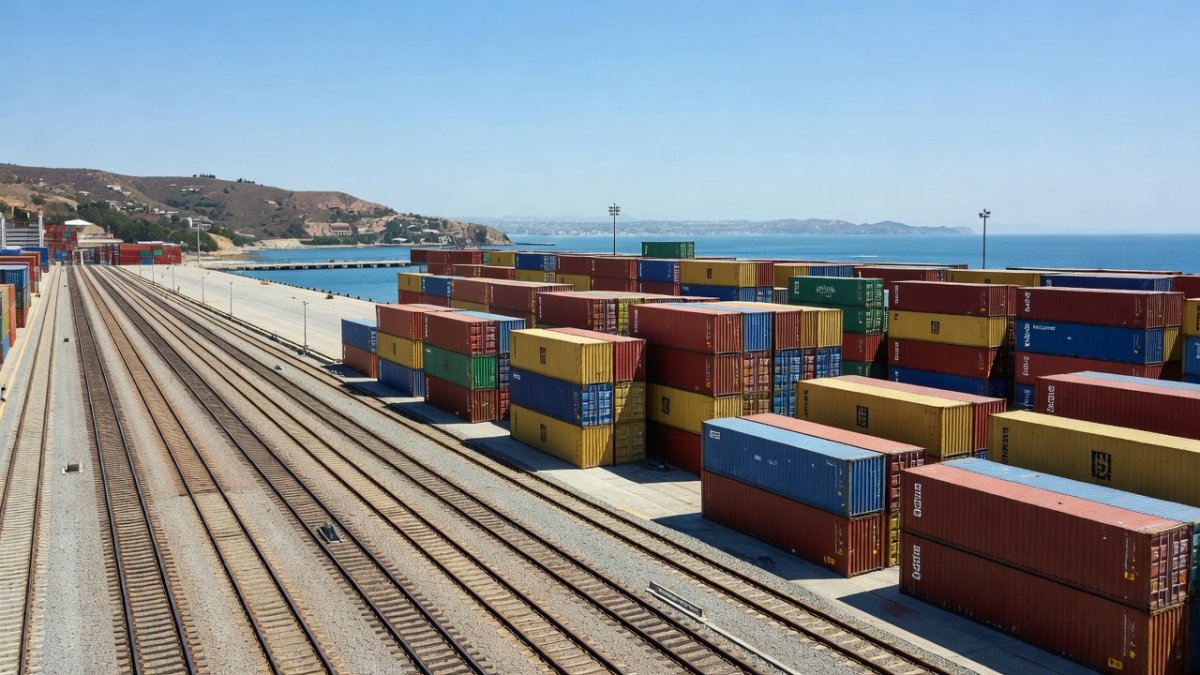
The Interoceanic Railroad falls under the operation of the Mexican Navy, known as SEMAR. This arrangement places the corridor under military oversight as it moves freight between Salina Cruz on the Pacific and Coatzacoalcos on the Gulf of Mexico. The setup forms a central piece of the current administration’s infrastructure plans.
Designed to offer an alternative route for goods that might otherwise pass through the Panama Canal, the project carries significant economic weight. Communities along the route have watched construction and early operations with a mix of hope and caution, aware that steady freight movement could bring work yet also raises questions about long-term upkeep.
SEMAR crews handle daily management of the line, including the stretch that runs through Asunción Ixtaltepec. Their presence is visible to residents who see trains pass through their pueblos. The agency’s role connects the corridor to national security priorities while serving commercial goals.
People in the region understand that the railroad aims to strengthen Mexico’s position in international trade. At the same time, they want assurance that safety measures keep pace with those ambitions, especially after two incidents on the same curve within seven months.
What This Means for Families Along the Line
The July 14 freight incident, though free of injuries, has prompted renewed talks in homes across the Istmo. Parents wonder how future operations will affect the safety of passenger services that many still hope will return. Students and teachers consider whether school trips or family visits might face delays.
Small business owners who ship produce or goods via the corridor feel the uncertainty most directly. A reliable rail link can shorten travel times and open markets, yet repeated problems on one section can shake confidence. Families tied to the ejido system and local agriculture watch closely for any impact on their income.
Indigenous communities in the area have long lived alongside the tracks. They value the economic possibilities the project represents while holding onto concerns about how maintenance will be handled in rural zones. The shared history of both derailments gives their voices added weight in local discussions.
Healthcare workers and emergency responders in nearby towns remain prepared. They remember the December response and hope the current inspections will prevent any future strain on local resources. The story of the Interoceanic Railroad continues to unfold in the daily lives of these Mexican families.
Tags: interoceanic railroad, oaxaca, claudia sheinbaum, semar, freight derailment, asunción ixtaltepec, safety, amlo legacy
By Rosa Martinez, Staff Writer
This article was produced with AI-assisted research and editorial support. Reporting is based on sources cited in the article.
What's Your Reaction?
 Like
0
Like
0
 Dislike
0
Dislike
0
 Love
0
Love
0
 Funny
0
Funny
0
 Wow
0
Wow
0
 Sad
0
Sad
0
 Angry
0
Angry
0

Latin America/Andes Correspondent at Global1.News. Based in Bogota, covering politics, environment, energy, and social movements across the Andean region. Passionate about environmental journalism and communities protecting their land.













Comments (0)