
Lyra McKee Murder Trial: Three Men Found Not Guilty at Belfast Crown Court
In the hushed atmosphere of Belfast Crown Court on the afternoon of 3 July 2026, Mrs Justice Smyth took more than four hours to deliver verdicts that reverberated far beyond the non-jury Diplock courtroom. Three Derry men stood acquitted of the murder of journalist Lyra McKee, shot dead during rioting in the Creggan area on 18 April 2019. The outcome left the 29-year-old's fami
In the hushed atmosphere of Belfast Crown Court on the afternoon of 3 July 2026, Mrs Justice Smyth took more than four hours to deliver verdicts that reverberated far beyond the non-jury Diplock courtroom. Three Derry men stood acquitted of the murder of journalist Lyra McKee, shot dead during rioting in the Creggan area on 18 April 2019. The outcome left the 29-year-old's family expressing "complete and utter shock" and prompted immediate questions about the pursuit of justice for dissident republican violence in Northern Ireland.
Lyra McKee Murder Trial: Three Men Found Not Guilty as Family Voices Shock Over Belfast Crown Court Verdict
Derry/Londonderry – 3 July 2026 — After a trial that opened in May 2024 and concluded in April 2026, Mrs Justice Smyth today acquitted Peter Cavanagh, 38, Jordan Gareth Devine, 25, and Paul McIntyre, 58, of the murder of Lyra McKee at Belfast Crown Court. The three Derry men had faced charges under a joint enterprise theory, accused of accompanying or assisting the lone gunman who fired the fatal shot. None of the defendants was alleged to have pulled the trigger. The New IRA had claimed responsibility for the killing within hours of the shooting on 18 April 2019.
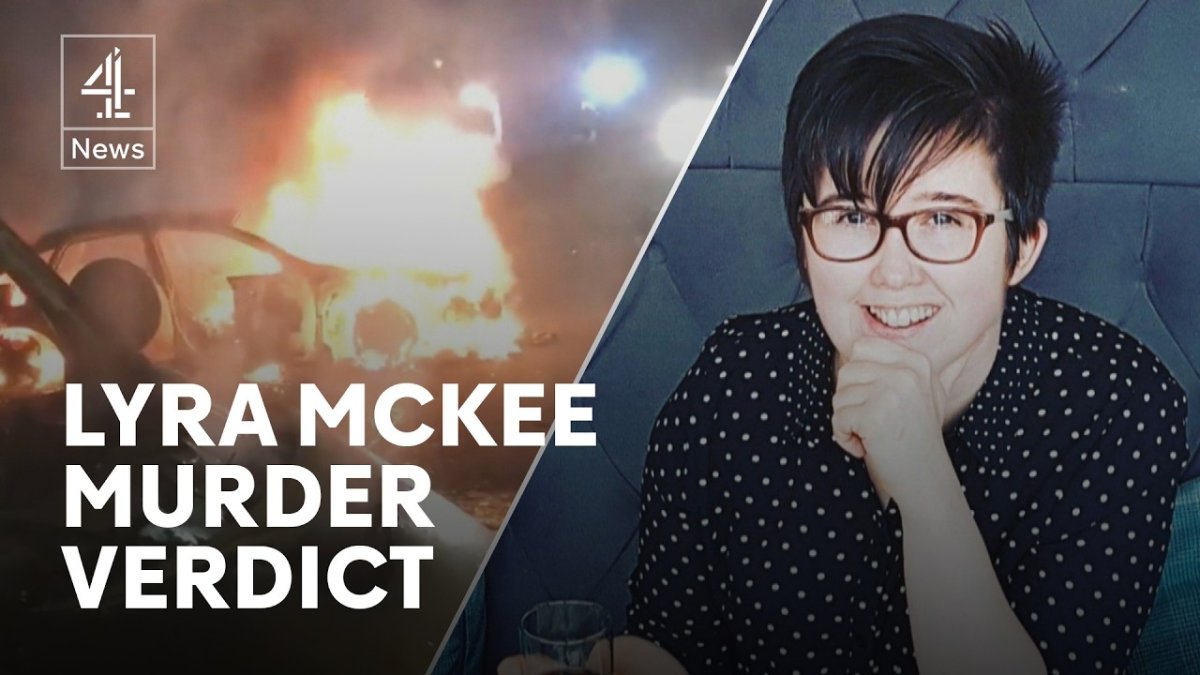
Death in the Creggan: What Happened on 18 April 2019
Lyra McKee, the Belfast-born journalist and author, was observing rioting in the Creggan estate of Derry/Londonderry when a single bullet struck her. She was 29 years old. The New IRA publicly claimed responsibility, describing the death as unintended yet confirming that one of its members had opened fire during clashes with police. McKee had been reporting on the disturbances for several outlets and was posthumously recognised for her work examining the legacy of the Troubles.
The shooting occurred amid scenes of petrol-bomb attacks and sustained disorder. Prosecution evidence later suggested the violence may have been orchestrated in part to coincide with the presence of an MTV film crew led by Reggie Yates. McKee's posthumous book, Angels with Blue Faces, explored themes of conflict and reconciliation in Northern Ireland and was published after her death.
The Longest Diplock Trial in Modern Memory
The trial before Mrs Justice Smyth at Belfast Crown Court was one of the longest in Northern Ireland's recent history. It opened in May 2024 and ran until April 2026, spanning nearly two years of hearings. Nine men faced a total of 52 charges. The prosecution case rested entirely on joint enterprise principles, arguing that the three acquitted men had assisted or accompanied the unidentified gunman. No defendant was accused of firing the shot that killed McKee.
In February 2026 the judge rejected a defence application of no case to answer, allowing the trial to proceed. Defence counsel throughout maintained that the prosecution rested on "pure speculation" unsupported by direct evidence linking their clients to the shooting. The gunman himself was never brought before the court. Mrs Justice Smyth described the murder as "an act of senseless violence" while delivering the lengthy verdicts.
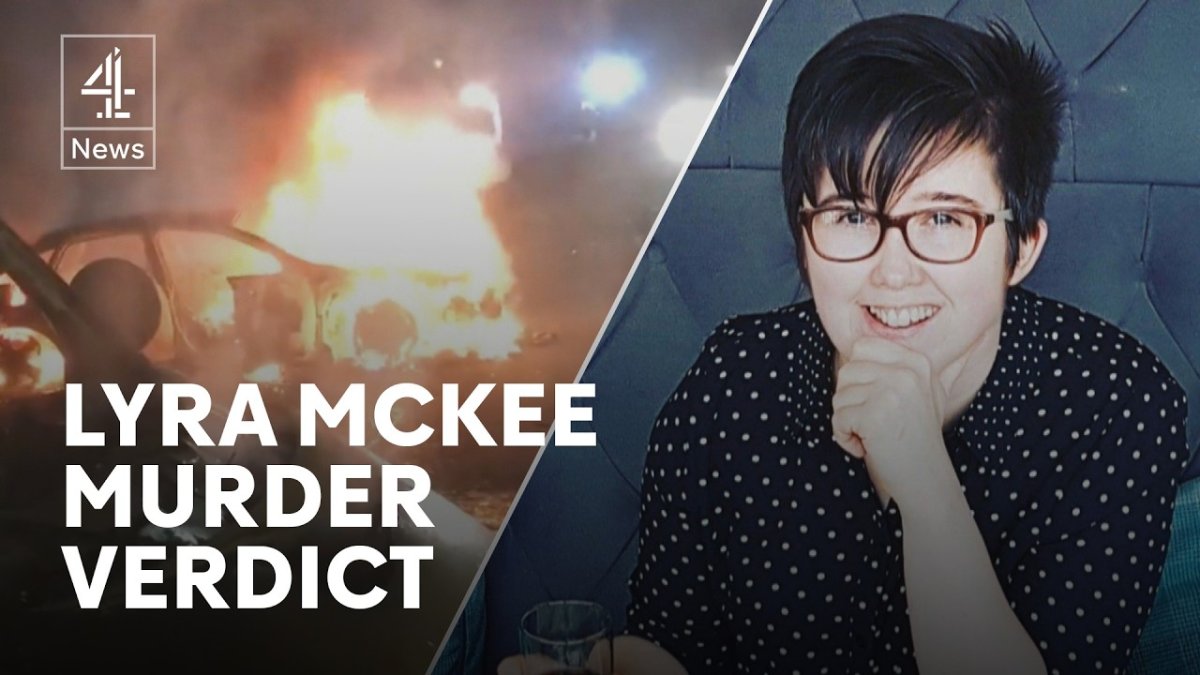
Other Verdicts: Nine Men, 52 Charges
Alongside the three murder acquittals, the court returned mixed verdicts on the remaining defendants. Kieran McCool was found guilty of common assault. Christopher Joseph Gillen was convicted of possessing and throwing petrol bombs and of riotous behaviour. Joseph Barr, Jude McCrory, Patrick Gallagher and Joseph Campbell were all found not guilty on the charges they faced. The prosecution had sought to link the disorder to the MTV filming schedule, suggesting the riots were timed to maximise media impact.
The scale of the case, involving 52 separate counts and nine accused, underscored the complexity of prosecuting alleged dissident republican activity under joint enterprise doctrines. The absence of the gunman from the dock remained a central feature of the proceedings and a point of contention for observers.
'Complete and Utter Shock': The Family Speaks
Lyra McKee's partner, Sara Canning, was present in court for the verdicts. McKee's sister, Nichola Corner, described the outcome as "complete and utter shock", stating that the justice system "has completely failed Lyra, our family and Northern Ireland". The family issued a collective statement declaring: "This is not over." Their remarks reflected deep frustration after years of legal process that ultimately produced no conviction for the murder itself.
Corner's comments outside the court highlighted the personal toll on those closest to McKee. The family emphasised their determination to continue seeking accountability, signalling that civil or other avenues might still be pursued despite the criminal acquittals.
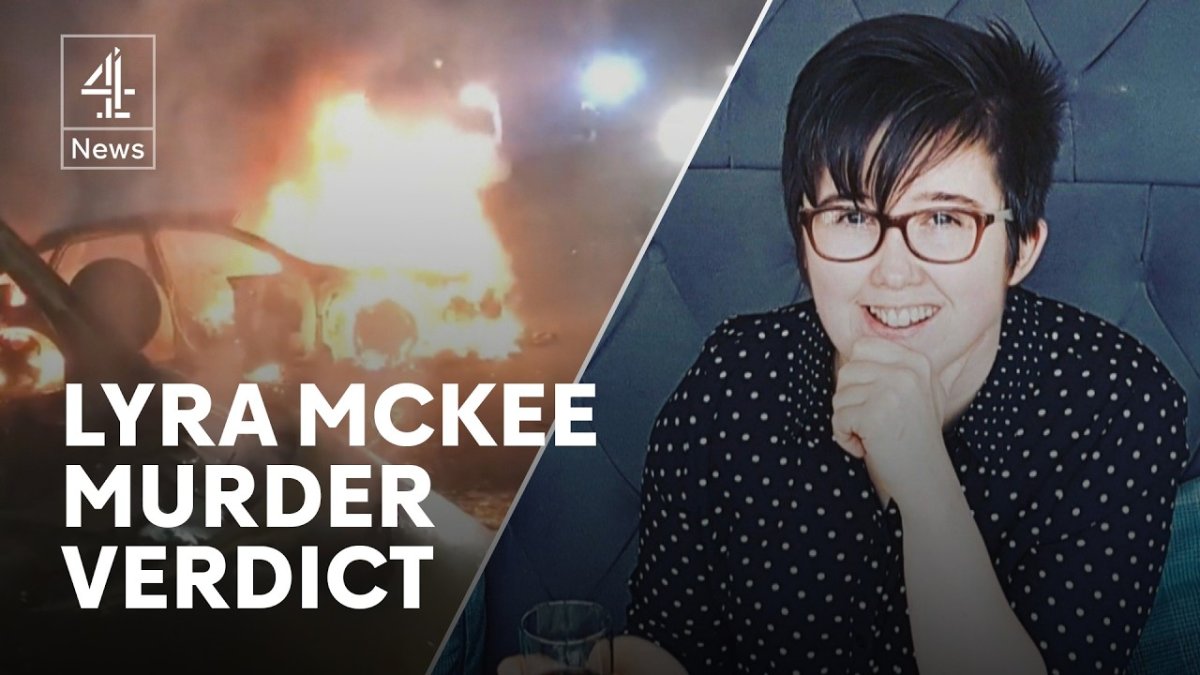
PSNI, PPS and the Question of Justice
The Public Prosecution Service stated that the legal test for prosecution had been met at the outset, justifying the decision to proceed. The Police Service of Northern Ireland confirmed that its investigation remains active. Séamus Dooley of the National Union of Journalists expressed "grave concern that no-one was charged with the shooting", underscoring unease within the media community over the lack of a conviction for the fatal act.
These institutional responses illustrate the tension between the evidential thresholds required for a Diplock court and the public expectation of accountability in high-profile Troubles-related cases. The PSNI's ongoing inquiry suggests further lines of investigation may yet yield additional charges or intelligence.
What This Means for Northern Ireland
The acquittals raise significant questions about the effectiveness of joint enterprise prosecutions in dissident republican cases. With the gunman never identified in court, the verdict highlights persistent challenges in securing convictions where direct forensic or eyewitness evidence is limited. The culture of silence that often surrounds such incidents in areas like the Creggan continues to frustrate investigators and victims' families alike.
Legal observers note that the length and complexity of the trial may influence future decisions by the PPS on whether to pursue similar joint enterprise cases without a principal offender in the dock. The outcome also feeds into broader debates about legacy mechanisms and the prospects for truth recovery in Northern Ireland's post-conflict landscape.
The Bottom Line — A Journalist's Legacy
Lyra McKee's reporting and her posthumously published book Angels with Blue Faces offered incisive analysis of Northern Ireland's divided communities. Her death at 29 cut short a career marked by fearless examination of paramilitary influence and the lingering effects of the Troubles. Today's verdicts, while delivering legal closure for the defendants, leave unresolved the central question of who fired the shot that ended her life.
The family's insistence that "this is not over" signals that the search for accountability will continue beyond the criminal courts. For journalists and civil society in Northern Ireland, the case stands as a stark reminder of the risks faced by those documenting conflict and the enduring difficulty of achieving justice when evidence is fragmentary and communities remain reluctant to cooperate. The PSNI investigation continues, and the possibility of further developments remains open.
By Erica Thornton, Staff Writer
This article was produced with AI-assisted research and editorial support. Reporting is based on sources cited in the article.
What's Your Reaction?
 Like
0
Like
0
 Dislike
0
Dislike
0
 Love
0
Love
0
 Funny
0
Funny
0
 Wow
0
Wow
0
 Sad
0
Sad
0
 Angry
0
Angry
0

US Politics and Policy Correspondent at Global1.News. Based in Washington DC, covering American politics, policy, elections, and the courts. Knows how the system works and tells you what it actually means.












Comments (0)