
66% of Filipinos Back Marcos' Assertive WPS Stance — OCTA
Survey Shows Filipinos Back Assertive Stance on West Philippine Sea The latest OCTA Research survey brings encouraging news for many across the archipelago. Conducted from April 20 to 24, 2026, among 1,200 Filipino adults nationwide, the independent poll found that 66 percent of respondents agree with President Ferdinand Marcos Jr.'s assertive response to China regarding the We
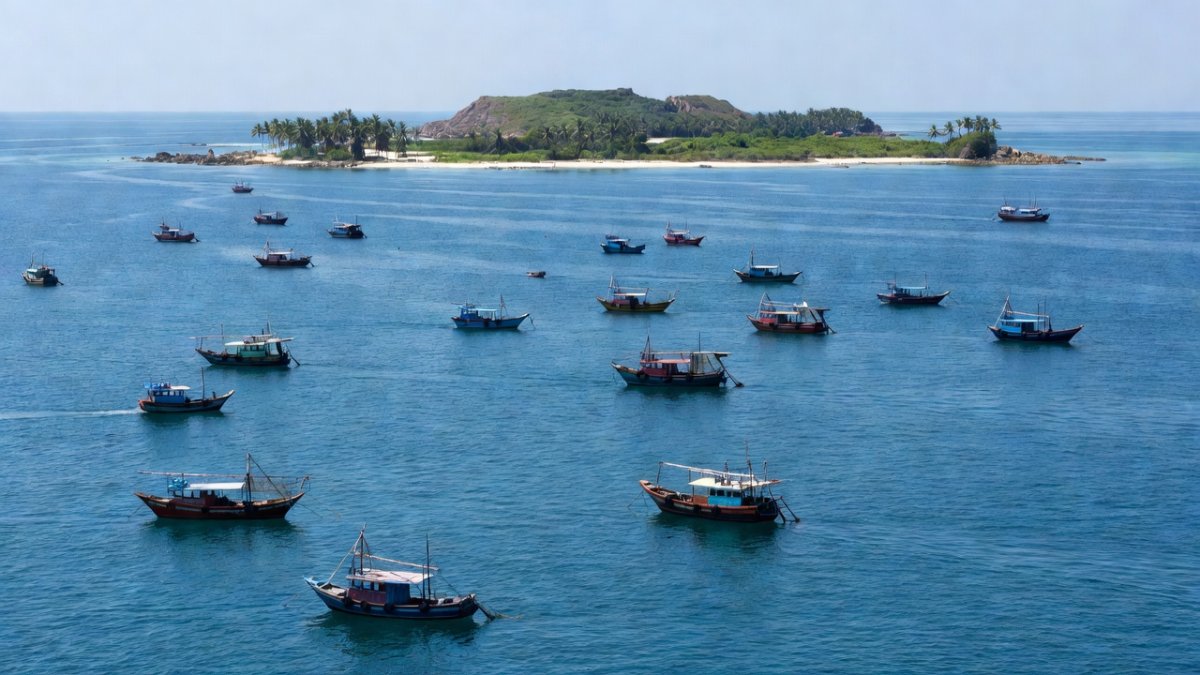
Survey Shows Filipinos Back Assertive Stance on West Philippine Sea
The latest OCTA Research survey brings encouraging news for many across the archipelago. Conducted from April 20 to 24, 2026, among 1,200 Filipino adults nationwide, the independent poll found that 66 percent of respondents agree with President Ferdinand Marcos Jr.'s assertive response to China regarding the West Philippine Sea dispute. This figure combines those who strongly agree and somewhat agree. Only 13 percent expressed disagreement, while 19 percent said they did not know or could not say. Released on July 10, 2026, the findings arrive just two days before the tenth anniversary of the 2016 Permanent Court of Arbitration ruling that upheld Philippine territorial claims and invalidated China's nine-dash line.
Ordinary families in coastal towns feel the weight of these numbers. Fishermen who head out before dawn each day see the survey as validation of their daily struggles. The poll's non-commissioned nature adds weight, showing a genuine snapshot rather than a paid exercise. As communities prepare for the July 12 anniversary, this public sentiment offers a measure of unity amid ongoing tensions.
Anniversary Reminder of 2016 Ruling Strengthens Resolve
July 12 holds deep meaning for the nation. Ten years after the Permanent Court of Arbitration decision, Filipinos continue to reference that landmark ruling in conversations about sovereignty. The OCTA survey timing highlights how the anniversary serves as a yearly reminder of legal victories that protect maritime rights. Many in fishing villages recall how the ruling once brought hope during periods of uncertainty with Chinese vessels in the area.
President Marcos Jr.'s approach draws from this history, emphasizing presence and diplomacy without unnecessary escalation. The 66 percent approval rate suggests that a majority view this balance as necessary. Communities in the Visayas and Mindanao, where daily life revolves around the sea, connect the ruling's legacy directly to their ability to earn a living without interference. The survey data arrives as a quiet affirmation that legal and diplomatic efforts still matter to everyday citizens.
Regional Breakdown Highlights Reach of Information
Support varies slightly by region yet remains consistently positive. The National Capital Region recorded 70 percent agreement, Balance Luzon 68 percent, Visayas 65 percent, and Mindanao 62 percent. OCTA researchers noted that these differences stem more from information reach than from fundamentally different views on strategy. In areas farther from Manila, access to detailed updates on maritime developments can shape how quickly opinions form.
Mindanao showed the highest opposition at 19 percent, reflecting perhaps greater exposure to cross-border trade concerns alongside territorial issues. Still, the majority in every region leaned toward agreement. This pattern reassures policymakers that core support for protecting Philippine waters holds steady from north to south. Local government units and barangay captains often serve as key channels for sharing such information, helping bridge gaps in awareness.
Impact on Fishermen and Maritime Communities
Fishermen in Palawan and other western provinces feel the survey results most personally. When Chinese vessels appear near traditional fishing grounds, families worry about lost catches and safety. The 66 percent approval signals that many Filipinos understand these hardships and support measures that keep waters open for local boats. Mothers who wait on shore for their husbands and sons see the poll as recognition of their quiet endurance.
Maritime communities also tie the findings to broader economic hopes. Steady access to fishing areas supports not only individual households but also local markets and small businesses that depend on fresh seafood. The survey's release near the anniversary reminds everyone that the 2016 ruling was meant to protect exactly these livelihoods. Students in coastal schools learn about the West Philippine Sea in class, carrying forward a sense of national pride that the poll now quantifies.
Socioeconomic Patterns Show Broad Consensus
Agreement crosses income lines with notable consistency. Class ABC respondents registered 68 percent support, Class D 67 percent, and the poorest sector 63 percent. These figures indicate that concern for maritime sovereignty is not limited to any single economic group. Families across the spectrum share worries about future generations inheriting secure waters.
The slight dip among the poorest sector may reflect competing daily priorities, yet the overall majority still favors an assertive posture. This broad base strengthens the case for sustained policy attention. Department of Agriculture programs that support fisherfolk gain relevance when public opinion aligns with the need for protected fishing zones. The data encourages continued outreach so that even remote barangays stay informed about developments that affect their income and security.
Looking Ahead to Policy and National Unity
The survey offers guidance as the nation marks another anniversary of the 2016 ruling. With 66 percent backing the current approach, leaders in Congress and the Senate may find room to advance measures that reinforce maritime defense and diplomatic efforts. The Commission on Elections and other agencies can draw from this sentiment when considering how public awareness campaigns reach different regions.
Ordinary Filipinos express hope that this support translates into concrete improvements for fishing communities. Better coordination between the Philippine National Police maritime units and local government units could build on the poll's message. The data also suggests that information campaigns remain vital, especially in Mindanao where opposition runs higher. As families plan their futures, the survey stands as evidence that national sovereignty continues to resonate deeply across the country.
Human Stories Behind the Numbers
Behind every percentage lies a story of resilience. A fisherman in Occidental Mindoro who has navigated around foreign vessels for years now sees the 66 percent figure as shared understanding from fellow citizens. A mother in Cebu who teaches her children about the West Philippine Sea feels the poll validates her lessons on protecting what belongs to the nation. These personal connections turn abstract survey results into lived realities.
The OCTA findings, released just before July 12, invite reflection on how far the country has come since 2016. They also point forward to policies that keep Filipino aspirations for safe and productive seas alive. As the anniversary approaches, the warm consensus captured in the poll offers quiet encouragement to communities that have long shouldered the challenges of the West Philippine Sea.
By Bella Reyes, Staff WriterThis article was produced with AI-assisted research and editorial support. Reporting is based on sources cited in the article.
What's Your Reaction?
 Like
0
Like
0
 Dislike
0
Dislike
0
 Love
0
Love
0
 Funny
0
Funny
0
 Wow
0
Wow
0
 Sad
0
Sad
0
 Angry
0
Angry
0

Philippines/Southeast Asia Correspondent at Global1.News. Manila-based journalist covering Philippine politics, environment, maritime security, and social issues. Passionate about marine conservation and the communities protecting the Philippines' natural heritage.















Comments (0)