
Diesel and Kerosene Prices Jump Over P10 per Liter July 21
PhilStar reports diesel and kerosene will rise over P10/L on July 21, 2026. The DOE, LTFRB, DA, and PSA are monitoring effects on transport fares, food logistics, and household costs. Drivers face roughly P200 extra daily; families P500-700 weekly. Pantawid Pasada subsidies remain available.
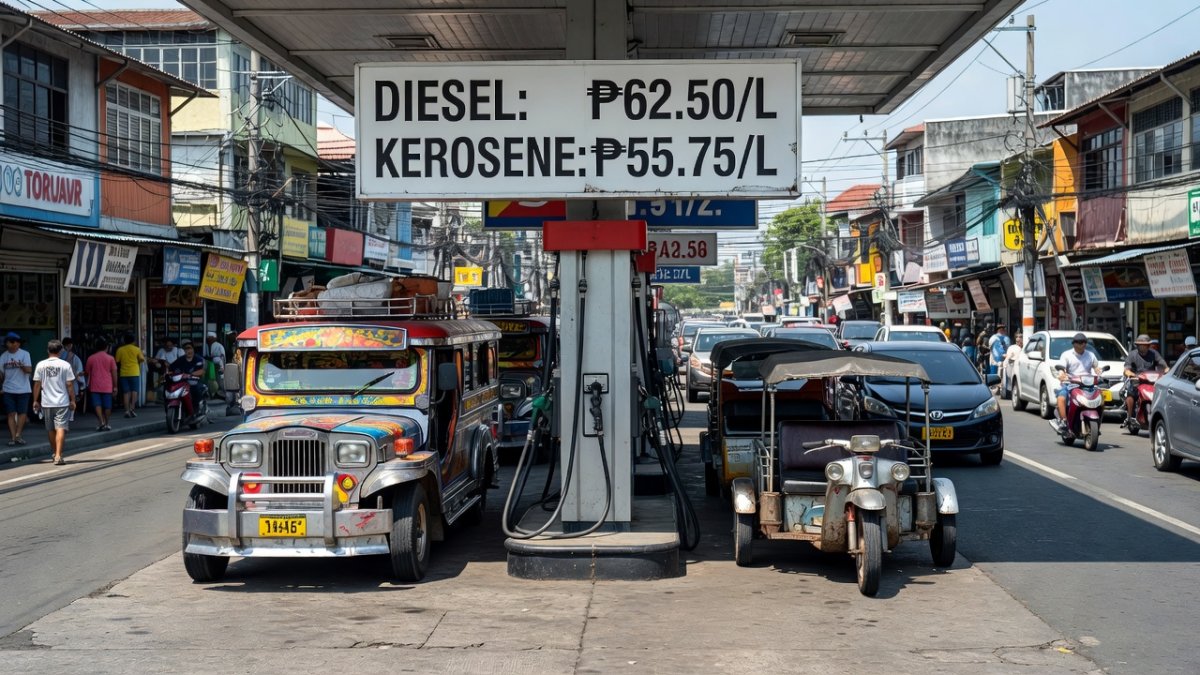
Oil companies will raise diesel and kerosene prices by more than P10 per liter beginning July 21, 2026, according to PhilStar reports, in a development that will directly affect public transport fares, household lighting costs, and the broader supply chain for food and goods across the Philippines. The Department of Energy has confirmed the adjustment follows global crude benchmarks, marking one of the largest single-week increases in recent memory for Filipino consumers already stretched by elevated living costs.
Diesel and Kerosene Prices to Jump Over P10 per Liter on July 21
MANILA, Philippines — Oil companies will raise diesel and kerosene prices by more than P10 per liter beginning July 21, 2026, according to PhilStar reports. The Department of Energy has confirmed the adjustment follows global crude benchmarks and weekly pricing cycles. This increase will immediately affect public transport fares, household lighting costs in off-grid areas, and the broader supply chain for food and goods.
Official Data and Agency Context on the Price Adjustment
The Philippine Statistics Authority has tracked petroleum products as a key driver of the consumer price index, with diesel alone accounting for a measurable share of monthly inflation readings in transport and food categories. The Department of Energy monitors weekly adjustments without issuing multi-week forecasts, noting that movements reflect international refining margins and supply factors. Excise taxes enacted in prior years remain embedded in the retail price structure. No legislative changes to these taxes have taken effect for the current cycle.
Calculations based on average consumption show the P10-per-liter increase translates to roughly P200 in added daily fuel costs for a typical jeepney or tricycle operator covering 20 liters. For households using kerosene for lighting during outages, the same increase adds P500 to P700 per week depending on volume used. These figures align with patterns observed in previous price cycles monitored by the PSA.
Transportation Sector Effects and Regulatory Response
The Land Transportation Franchising and Regulatory Board has indicated it will review fare adjustment petitions from operators once the new prices take hold. Drivers report that fuel already represents the largest variable cost in daily operations, leaving limited room for other expenses such as maintenance and driver compensation. Consolidated data from transport groups show that simultaneous pressure on both fuel and food distribution costs amplifies the effect, as higher diesel prices raise the cost of moving produce from farms to markets.
The Department of Agriculture has noted that logistics expenses for vegetables, rice, and fish typically rise within one to two weeks after a diesel increase of this magnitude. This linkage eliminates the need for separate tracking of food and transport impacts, as the same price signal moves through supply chains. The Pantawid Pasada program, which provides temporary fuel subsidies to qualified public utility vehicle operators, remains available for enrollment through local government units, though funding levels for the current year have not yet been adjusted for the July 21 change.
Household Budget Pressures and Consolidated Cost Impacts
Families relying on kerosene for lighting in areas without reliable electricity face direct weekly cost increases of P500 to P700. At the same time, the transport cost component embedded in food prices adds indirect pressure, as confirmed by Department of Agriculture monitoring of farm-to-market routes. The PSA consumer price index basket already weights both energy and food items, showing that a sustained P10-per-liter diesel movement historically contributes 0.3 to 0.5 percentage points to headline inflation within one quarter.
Operators and households have limited short-term alternatives. Shifting to alternative fuels or routes requires capital outlays not feasible for most daily-wage earners. The combined transport and food cost channel therefore concentrates the burden on lower-income brackets already tracked by PSA expenditure surveys.
Government Monitoring and Available Support Mechanisms
The Department of Energy continues to publish weekly price bulletins and coordinate with the Department of Finance on any potential buffer measures. The LTFRB maintains its fare review process, requiring operators to submit audited fuel receipts before approving adjustments. The Department of Agriculture has activated its existing monitoring network to detect unusual spikes in wholesale prices that could be traced to the fuel increase. These agencies operate within existing mandates rather than new emergency powers.
Enrollment in Pantawid Pasada remains open for legitimate operators. The program provides a fixed per-liter subsidy for a defined period, calibrated to historical consumption data. No new funding announcements have accompanied the July 21 price movement.
Outlook and Community Response
Price cycles of this type have recurred in past years, driven by global factors outside domestic control. Agencies continue to publish data and process applications for existing relief programs. In the spirit of bayanihan, communities often coordinate informal sharing arrangements during such periods.
By Bella Reyes, Staff Writer
This article was produced with AI-assisted research and editorial support. Reporting is based on sources cited in the article.
What's Your Reaction?
 Like
0
Like
0
 Dislike
0
Dislike
0
 Love
0
Love
0
 Funny
0
Funny
0
 Wow
0
Wow
0
 Sad
0
Sad
0
 Angry
0
Angry
0

Philippines/Southeast Asia Correspondent at Global1.News. Manila-based journalist covering Philippine politics, environment, maritime security, and social issues. Passionate about marine conservation and the communities protecting the Philippines' natural heritage.














Comments (0)