
Gulf of Paria widens as Trinidad pours oil on troubled Venezuelan waters
Gulf of Paria widens as Trinidad pours oil on troubled Venezuelan waters The Initial Incident On the first of May 2026, what began as a routine operational matter in our shared waters quickly escalated into a diplomatic headache between Port of Spain and Caracas. According to Heritage Petroleum, the state-owned energy company here in Trinidad and Tobago, a spill of approximately 10 barrels of oil occurred in the Gulf of Paria. The company moved swiftly, they say, containin...
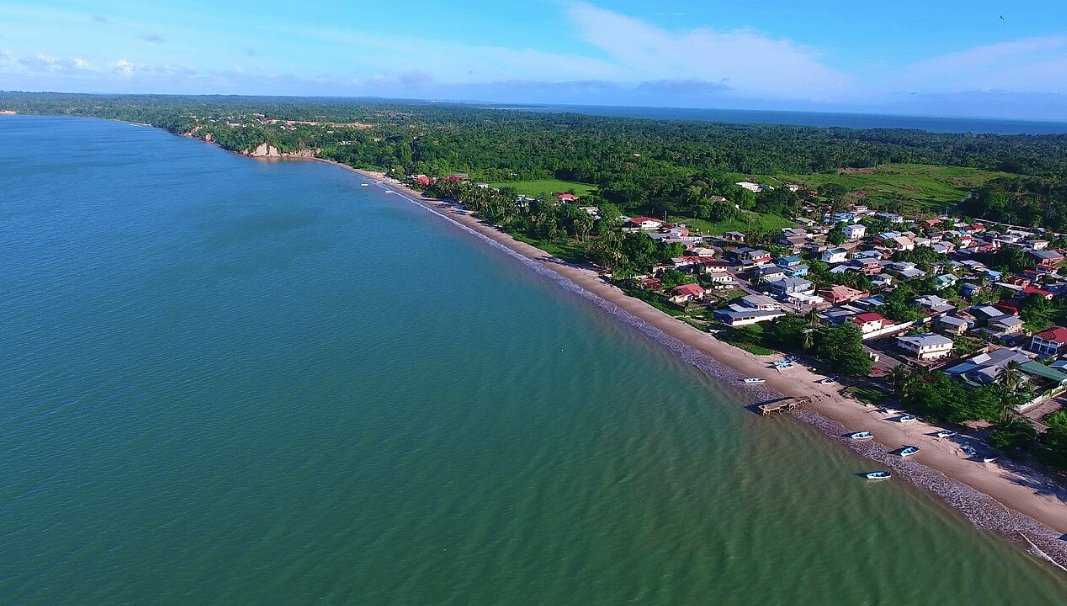
The Initial Incident
On the first of May 2026, what began as a routine operational matter in our shared waters quickly escalated into a diplomatic headache between Port of Spain and Caracas. According to Heritage Petroleum, the state-owned energy company here in Trinidad and Tobago, a spill of approximately 10 barrels of oil occurred in the Gulf of Paria. The company moved swiftly, they say, containing the incident within hours and preventing any major spread.
But across the Gulf, Venezuelan authorities tell a different story. They claim the spill originated in Trinidadian waters and has since drifted into their coastline, affecting an area stretching some 647 square miles, or 1,675 square kilometres. The waters in question touch Venezuela’s coastal states of Sucre and Delta Amacuro, places where fishing communities have long depended on the sea for their daily bread.
For many Trinis, this feels like yet another chapter in a long-running book of neighbourly friction. The Gulf of Paria has always been more than just a body of water between us. It is a shared kitchen, a fishing ground that feeds families on both sides, and an energy basin that has brought both opportunity and tension for decades. When something like this happens, it stirs up old memories of past spills and unresolved maritime boundaries that have never been fully settled to everyone’s satisfaction.
The Venezuelan Demand
Venezuela’s Foreign Minister Yvan Gil did not mince his words when he addressed the press. Standing before cameras in Caracas, Minister Gil formally demanded that Trinidad and Tobago provide detailed information about the spill and offer compensation for what he described as serious environmental damage to shared ecosystems in the Gulf of Paria.
This is not the first time such accusations have flown across the waters. Reports indicate that another spill was alleged to have originated from Trinidadian waters earlier in May 2026. For Venezuelan officials, the pattern suggests a lack of proper oversight on our side. They point to the impact on their fishing grounds and coastal mangroves, areas already under pressure from years of economic hardship and environmental stress in Venezuela.
Here in Trinidad, many ordinary citizens watching the news on CNC3 or reading the Guardian are left wondering how two Caribbean neighbours, bound by so much common history, have allowed things to reach this point. The language coming from Caracas feels heavy, almost like an accusation against all of us rather than a specific company or regulator. Yet we must remember that Venezuela itself has faced enormous challenges with its own oil infrastructure in recent years. The question of who is truly responsible when oil meets water in a shared gulf is never simple.
Trinidad’s Response
Port of Spain has pushed back firmly. Government sources and Heritage Petroleum insist the spill was minor, quickly contained, and nowhere near the scale being suggested by Venezuelan authorities. Energy Minister Stuart Young, who has been navigating these delicate waters for some time, has maintained that Trinidad and Tobago acted responsibly and in accordance with international standards.
The Attorney General’s office is said to be preparing a detailed response to Venezuela’s formal request for information. Officials emphasise that the 10-barrel figure is based on on-site assessments conducted immediately after the incident. They argue that currents and weather conditions at the time make it unlikely the spill could have travelled the distances claimed by Caracas.
This measured tone reflects a broader approach in Port of Spain. Trinidad and Tobago has long tried to be the steady partner in the region, even as Venezuela has grappled with political and economic turbulence. Prime Minister Dr Keith Rowley has repeatedly spoken about the importance of good neighbourly relations, particularly in energy matters. Yet there is a quiet frustration in official circles that Caracas appears quick to point fingers while its own infrastructure challenges are well documented.
For ordinary Trinis, especially those living in coastal communities from Cedros to Chaguaramas, the government’s firm but calm response brings some comfort. We know oil spills can devastate livelihoods. Our own history with Petrotrin and the many small incidents over the years have taught us that vigilance must be constant. Still, most people here would prefer dialogue over confrontation with our Venezuelan brothers and sisters.
The Environmental Impact
The Gulf of Paria is one of the most ecologically sensitive areas in the Caribbean. It serves as a nursery for fish stocks that support both Trinidadian and Venezuelan communities. Mangrove forests line its shores, acting as natural barriers against flooding and providing habitats for countless species. When oil enters these waters, even in small quantities, the effects can linger far longer than the initial spill.
Venezuelan officials claim the spill has already begun affecting fishing in Sucre and Delta Amacuro. Local fishermen there are reporting lower catches and concerns about contamination in shellfish and other seafood that form the backbone of their diet and income. On our side, the Office of Disaster Preparedness and the Environmental Management Authority have been monitoring the situation closely, though they maintain the impact within Trinidad and Tobago waters has been minimal.
Environmental groups in both countries are calling for independent assessment. The University of the West Indies has researchers who have studied the Gulf for years. They remind us that climate change is already putting additional pressure on these ecosystems through rising sea temperatures and more unpredictable weather patterns. For small island developing states like ours, protecting these shared marine environments is not just an environmental issue. It is a matter of food security and economic survival.
The cost of living crisis affecting so many Caribbean families makes this even more poignant. When fish prices rise because of contamination fears, it is the woman in the market in San Fernando or the single mother in Port of Spain who feels it first. Tourism, which has been slowly recovering after the pandemic, could also take a hit if images of oiled shorelines begin circulating widely. We have seen this before in other parts of the region.
The Wider Energy Politics in the Gulf of Paria
Beneath the surface of this dispute lies a far more complex energy relationship. The Gulf of Paria has long been an important oil and gas producing zone for both nations. Trinidad and Tobago’s energy sector, though smaller than it once was, remains the backbone of our economy. Heritage Petroleum, which took over much of the former Petrotrin operations, continues to manage several fields in these waters.
The relationship with Venezuela is particularly delicate. Through the Dragon Gas project and the bp Loran deal, Trinidad has been positioned to help monetise Venezuelan natural gas resources that would otherwise remain stranded. This arrangement has been hailed by CARICOM leaders as a model of regional cooperation, especially as Europe and other markets look for reliable LNG supplies.
Yet these commercial ties exist alongside historical tensions over maritime boundaries and resource rights. The Gulf has seen its share of incidents over the years. Older fishermen in communities like Moruga still speak about spills from the 1970s and 80s that affected their catches for seasons afterwards. The current situation brings all of that history back to the surface.
Atlantic LNG, which has been central to Trinidad’s gas export strategy, depends on stable regional relations. Any prolonged dispute could complicate future joint development agreements. Energy analysts note that while the current spill is relatively small, the precedent it sets for accountability in cross-border incidents could have long-term implications for how both countries manage their shared resources.
The involvement of major international players like bp adds another layer. These companies operate under strict environmental protocols, but when incidents occur in boundary waters, determining liability becomes a legal and diplomatic puzzle. For a country like Trinidad and Tobago, where energy revenues help fund everything from education to healthcare, protecting our reputation as a responsible producer is vital.
What This Means for Caribbean Regional Relations
This dispute arrives at a time when CARICOM is trying to deepen integration and present a united front on issues ranging from climate change to trade. Both Trinidad and Tobago and Venezuela have historically played important roles in regional affairs, though through very different paths. The current tension tests the spirit of cooperation that leaders like Prime Minister Rowley and CARICOM Secretary-General Carla Barnett have championed.
For many in the wider Caribbean, from Jamaica to Barbados and Guyana, this is being watched closely. Guyana itself has navigated complex maritime issues with Venezuela over the Essequibo region. The way Trinidad and Tobago and Venezuela resolve this matter could set a tone for how smaller states handle environmental and energy disagreements with larger neighbours.
There is also the human element that we in Trinidad understand so well. Many Venezuelan migrants have made their homes here, contributing to our communities and economy. Our diaspora connections run deep in both directions. When political tensions rise, it is often the ordinary people, the vendors, the teachers, the fishermen, who pay the price through strained relations and economic uncertainty.
Looking ahead, both sides would do well to remember that the Gulf of Paria does not belong to any one flag. It is a shared heritage that has sustained our peoples for generations. Independent scientific assessment, perhaps facilitated through CARICOM or the United Nations Environment Programme, could help establish facts and reduce suspicion. Compensation, if warranted, should be discussed in the context of genuine environmental restoration rather than political point-scoring.
The energy relationship, particularly the Dragon Gas initiative, offers a pathway toward deeper cooperation. If managed well, these joint projects could bring much-needed revenue to both countries while creating jobs and stability in coastal communities. But trust is the foundation of any such partnership, and trust appears to be in short supply at the moment.
As hurricane season approaches once again, we are reminded how vulnerable our small states are to environmental shocks. Climate change does not respect maritime boundaries. Rising seas and more intense storms will only make the management of our shared waters more critical in the years ahead. This incident, though contained, should serve as a wake-up call for both nations to invest more seriously in joint environmental monitoring and rapid response capabilities.
Here in Trinidad, we have always been a people who value harmony. From Carnival to calypso, our culture teaches us to find common ground even when rhythms seem out of sync. The same spirit must guide our diplomacy with Venezuela. Our shared waters have given us oil and gas, fish and beauty. They should not become a source of permanent division.
The coming weeks will be telling. How both governments conduct themselves, whether they choose technical dialogue over public confrontation, will determine if the Gulf of Paria brings us closer together or drives us further apart. For the fishing families in Icacos and the market vendors in Port of Spain, for the children yet to be born who will inherit these waters, the stakes could not be higher.
In the end, this is about more than barrels of oil or square kilometres of ocean. It is about how two Caribbean neighbours, bound by history, geography and culture, choose to treat one another when trouble comes. Let us hope wisdom and neighbourly love prevail.
By Sharon Sahatoo, Staff WriterThis article was produced with AI-assisted research and editorial support. Reporting is based on sources cited in the article.
What's Your Reaction?
 Like
0
Like
0
 Dislike
0
Dislike
0
 Love
0
Love
0
 Funny
0
Funny
0
 Wow
0
Wow
0
 Sad
0
Sad
0
 Angry
0
Angry
0

Caribbean Correspondent at Global1.News. Based in Port of Spain, Trinidad, covering Caribbean politics, economy, energy, climate, and culture. Amplifying the voices and stories of the Caribbean region.









Comments (0)