
Israeli Soldier Kills Seven-Month-Old Palestinian Baby in Hebron
The Killing of Sam Fahd Abu Haikal The killing of Sam Fahd Abu Haikal took place on Friday June 5 2026 in the Tel Rumeida area of Hebron in the occupied West Bank. The area falls under Israeli military control known as H2. Sam was seven months old on the day he was shot and killed. His father Fahd Abu Haikal a lecturer at Bethlehem University was driving the vehicle at the time
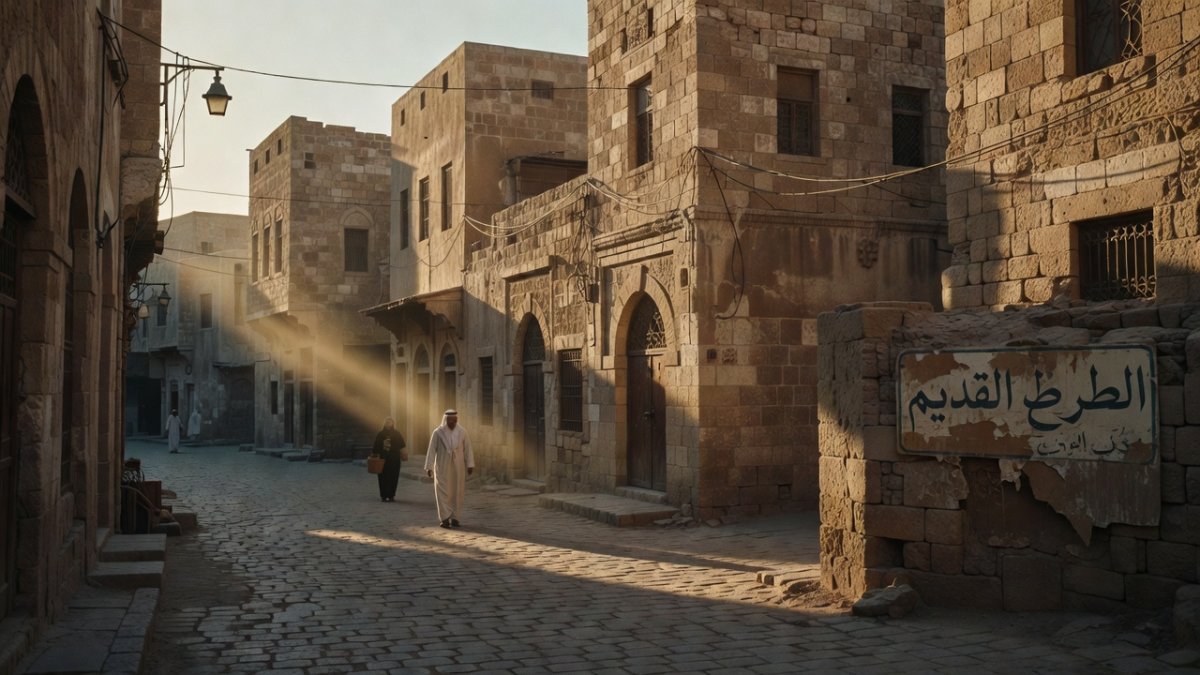
The Killing of Sam Fahd Abu Haikal
The killing of Sam Fahd Abu Haikal took place on Friday June 5 2026 in the Tel Rumeida area of Hebron in the occupied West Bank. The area falls under Israeli military control known as H2. Sam was seven months old on the day he was shot and killed. His father Fahd Abu Haikal a lecturer at Bethlehem University was driving the vehicle at the time. Also present were the baby's mother his eleven-year-old brother and his grandmother Ferial Abu Haikal.
The father stopped the car after being signaled by an Israeli soldier. He raised his hands on the wheel as instructed. The soldier stood approximately ten metres away. The father later stated that the soldier saw the family inside the car with windows not tinted and in broad daylight. There was no clear checkpoint only soldiers standing in the street. One bullet struck the infant traversed his face and crossed his head striking his mother's cheek where it lodged. The father described the shooting as occurring without warning after he complied with the order to stop.
This incident occurred in a region where settler population exceeds seven hundred thousand and where settler violence has surged since October 2023. The event highlights the risks faced by Palestinian families moving through areas under direct Israeli military authority in Hebron.
A Family's Account of What Happened
The family provided detailed accounts of the moments surrounding the shooting. The father explained that he stopped the car as instructed and then soldiers opened fire on the vehicle. He noted that the soldier saw him his wife and the children clearly. The grandmother Ferial Abu Haikal described how one bullet struck her grandson traversed his face and crossed his head striking his mother's cheek where it lodged. The mother did not learn of her son's death until the following Saturday and continued asking about him while receiving treatment at the hospital.
The father recounted at the funeral that the soldier opened fire then pulled back his unit and walked away without a single word or a second thought. He emphasized that a seven-month-old infant had been killed in cold blood and did not deserve this outcome. The presence of the eleven-year-old brother and the grandmother in the same vehicle added to the family's account of a routine movement through the street that ended in gunfire.
These descriptions from family members focus on the sequence of compliance with the soldier's signal followed immediately by shots fired at the car. The accounts underscore the sudden nature of the incident in an area under military control where no checkpoint had been clearly established.
A Father's Demand for Accountability
Fahd Abu Haikal the father of the victim has repeatedly called for the soldier who fired the shots to face consequences. He stated that if there is any conscience any law or any morality the soldier must be held accountable. He insisted that the case must not be closed without an investigation and without accountability. At the funeral he described the killing of the seven-month-old infant as occurring in cold blood.
The father noted that he had stopped the car as instructed and raised his hands on the wheel. He pointed out that the soldier saw the family clearly through untinted windows in broad daylight. He questioned how the soldier could claim not to have seen that the occupants were a family. His demands center on the expectation that such an incident involving a child should lead to a full examination of the actions taken by the soldier.
These statements from the father reflect a consistent position that the shooting of the infant requires formal review and consequences for those responsible. He has expressed that the unit withdrew without further engagement after the shots were fired leaving the family to deal with the immediate aftermath.
The Israeli Military's Response
The Israeli army has stated that the incident is under review. No further details have been released regarding the status of any examination or the timeline for conclusions. This response comes after the father stopped the vehicle as signaled and after the shots were fired at the car containing the seven-month-old infant his parents and his eleven-year-old brother.
The military's position stands in contrast to the family's description of compliance followed by immediate gunfire. The father reported that the soldier saw the occupants clearly and that there was no tinted glass or other obstruction. The army has not addressed specific elements such as the distance of approximately ten metres between the soldier and the vehicle or the absence of a formal checkpoint.
The statement that the incident remains under review provides the only official indication of any process. Family members including the grandmother have described the physical effects of the bullet that passed through the infant and lodged in the mother's cheek. The military has not commented on these details in its public response.
The Grim Toll: Children Killed in the West Bank
United Nations figures record that Israeli forces have killed more than one thousand Palestinians in the West Bank and East Jerusalem since October 2023. This total includes more than two hundred and forty children. The death of Sam Fahd Abu Haikal at seven months old adds to this documented toll in areas under Israeli military control such as Hebron H2.
The incident in Tel Rumeida occurred on the day the infant turned seven months old. Family accounts describe the vehicle stopping after a soldier's signal and then coming under fire. The broader statistics from the United Nations place this event within a pattern of fatalities affecting Palestinian children in the occupied territories.
These numbers reflect the cumulative impact on families across the West Bank where military operations and presence continue. The case of the seven-month-old infant shot while traveling with his parents and brother fits into the reported total of child deaths since October 2023. The United Nations data provides the scale against which individual incidents are measured.
A Pattern of Impunity
Yesh Din has documented that soldiers were indicted in less than one percent of two thousand four hundred and twenty-seven complaints filed between 2016 and 2024. This low rate of indictment forms the context for cases such as the shooting of Sam Fahd Abu Haikal in Hebron. The father has called for an investigation and accountability in this specific incident.
The organization's data covers complaints involving actions by Israeli forces in the West Bank. In the current case the army has stated only that the incident is under review. The father noted that the soldier fired and then the unit withdrew without further communication.
These figures from Yesh Din illustrate the limited outcomes for complaints over an eight-year period. The demand from the family for the soldier to be held accountable occurs against this background of low indictment rates. The pattern affects cases involving Palestinian civilians including children in areas such as Hebron H2.
Hebron: Life Under Military Occupation
Hebron is divided into H1 under Palestinian Authority control and H2 under Israeli military control. The Tel Rumeida area where the shooting occurred lies in H2. The father was driving through this section when signaled to stop by the soldier. Settler population in the West Bank exceeds seven hundred thousand and violence linked to settlers has increased since October 2023.
Palestinian residents in H2 navigate streets where Israeli forces maintain direct authority. The family vehicle contained the seven-month-old infant his eleven-year-old brother his mother and his grandmother when the shots were fired. The father described stopping as instructed with hands raised on the wheel in broad daylight.
Life in this part of Hebron involves routine movement through areas with ongoing military presence. The grandmother recounted the path of the bullet that struck the infant and then the mother. These conditions in H2 provide the setting for the incident on June 5 2026.
International Law and the Search for Justice
The Fourth Geneva Convention applies to the occupied West Bank. The International Criminal Court is conducting an investigation into related matters. United States military aid to Israel continues without sanctions tied to killings in the West Bank. The father of Sam Fahd Abu Haikal has stated that the case must not close without an investigation and accountability.
These legal frameworks exist alongside the documented toll of more than one thousand Palestinians killed since October 2023 including over two hundred and forty children. The low indictment rate reported by Yesh Din for complaints between 2016 and 2024 adds to the context. The family has described compliance with the soldier's signal followed by gunfire at the vehicle.
Calls for justice in this case reference the need for examination of the soldier's actions. The army has indicated the incident is under review. International mechanisms including the Geneva Convention and the ICC investigation remain available as avenues referenced in discussions of accountability for incidents in Hebron H2.
By Fatima Al-Rashid, Staff WriterThis article was produced with AI-assisted research and editorial support. Reporting is based on sources cited in the article.
What's Your Reaction?
 Like
0
Like
0
 Dislike
0
Dislike
0
 Love
0
Love
0
 Funny
0
Funny
0
 Wow
0
Wow
0
 Sad
0
Sad
0
 Angry
0
Angry
0
Gulf/MENA Correspondent at Global1.News. Based in Doha, covering Gulf politics, energy markets, diplomacy, and development across the Middle East and North Africa. Tracks the economic transformation of the Gulf states.












Comments (0)