
Planet Israel: Documentary Examines How Israeli Society Normalized Gaza's Destruction
In a recent Middle East Eye YouTube interview, BAFTA-winning filmmaker Gillian Moseley discusses her journey making "Planet Israel," a documentary that investigates why significant portions of Israeli society have voiced support for the destruction of Gaza following the October 7, 2023 Hamas attacks and Israel's subsequent military campaign. The question at the heart of the fil
In a recent Middle East Eye YouTube interview, BAFTA-winning filmmaker Gillian Moseley discusses her journey making "Planet Israel," a documentary that investigates why significant portions of Israeli society have voiced support for the destruction of Gaza following the October 7, 2023 Hamas attacks and Israel's subsequent military campaign. The question at the heart of the film is as urgent as it is uncomfortable: Have the abused become the abusers?
Planet Israel: Documentary Examines How Israeli Society Normalized Gaza's Destruction
London, United Kingdom — June 10, 2026 — Moseley, a British-American Jewish filmmaker, spent months interviewing Israelis across the political spectrum to understand how a society shaped by centuries of persecution could come to normalize mass civilian casualties in Gaza. The result is a documentary that challenges viewers to confront difficult questions about collective memory, moral responsibility, and the human cost of war.
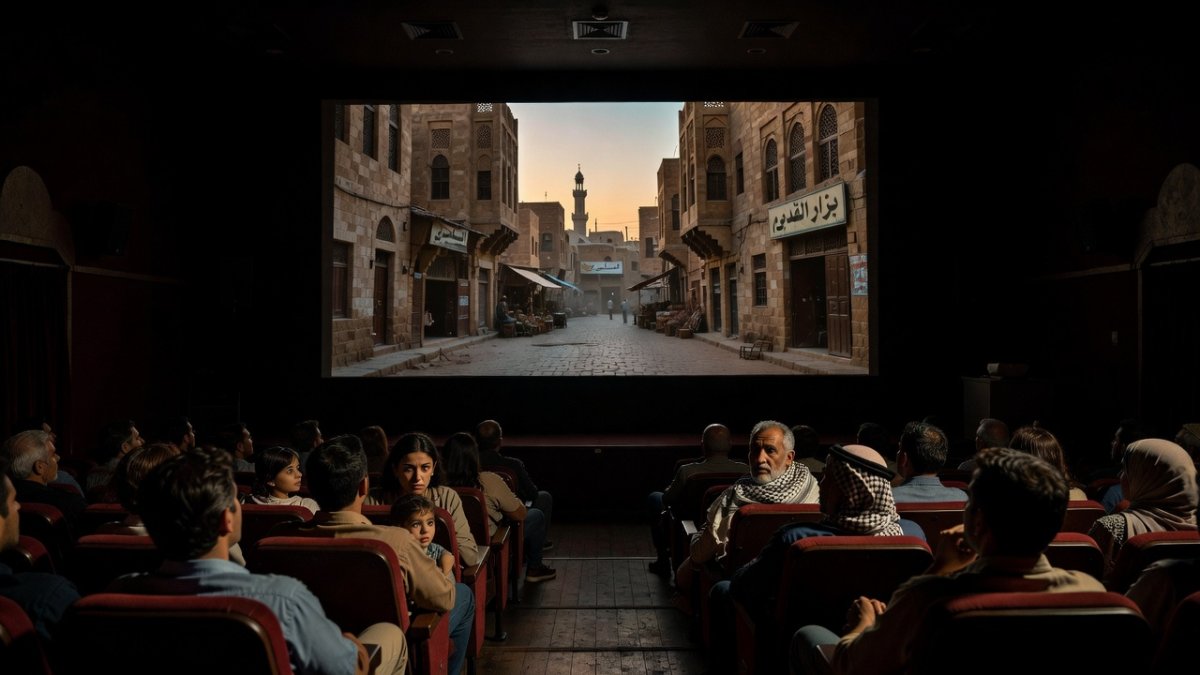
The Central Question of Historical Reversal
The film poses the question of whether the abused have become the abusers, drawing directly from the Jewish historical experience of persecution in Europe. Moseley structures the narrative around this framing to examine how collective memory of suffering can intersect with contemporary military actions that produce mass civilian casualties in Gaza.
Interviews with Israelis across the political spectrum, including Rabbi Avi Dabush, reveal mechanisms of moral disengagement that permit widespread acceptance of high civilian death tolls. The filmmaker avoids simple condemnation and instead documents the language and reasoning that allows entire societies to normalize such outcomes. Her approach prioritizes understanding over judgment, creating space for viewers to draw their own conclusions.
Moseley's Perspective as a Jewish Filmmaker
As a BAFTA-winning British-American Jewish filmmaker, Moseley brings a personal stake to the project. She has described the process as one that required confronting uncomfortable aspects of identity and community responses to the war. Her approach emphasizes listening to voices that defend or justify the campaign while also highlighting dissenting perspectives within Israel.
The New Arab published an extended interview with Moseley in which she explained her decision to center Israeli testimonies rather than Palestinian voices alone. This choice, she noted, aimed to expose the internal discourse that sustains public backing for policies resulting in widespread destruction in Gaza. By documenting how Israelis speak about the war among themselves, the film reveals patterns of thought that external reporting often misses.
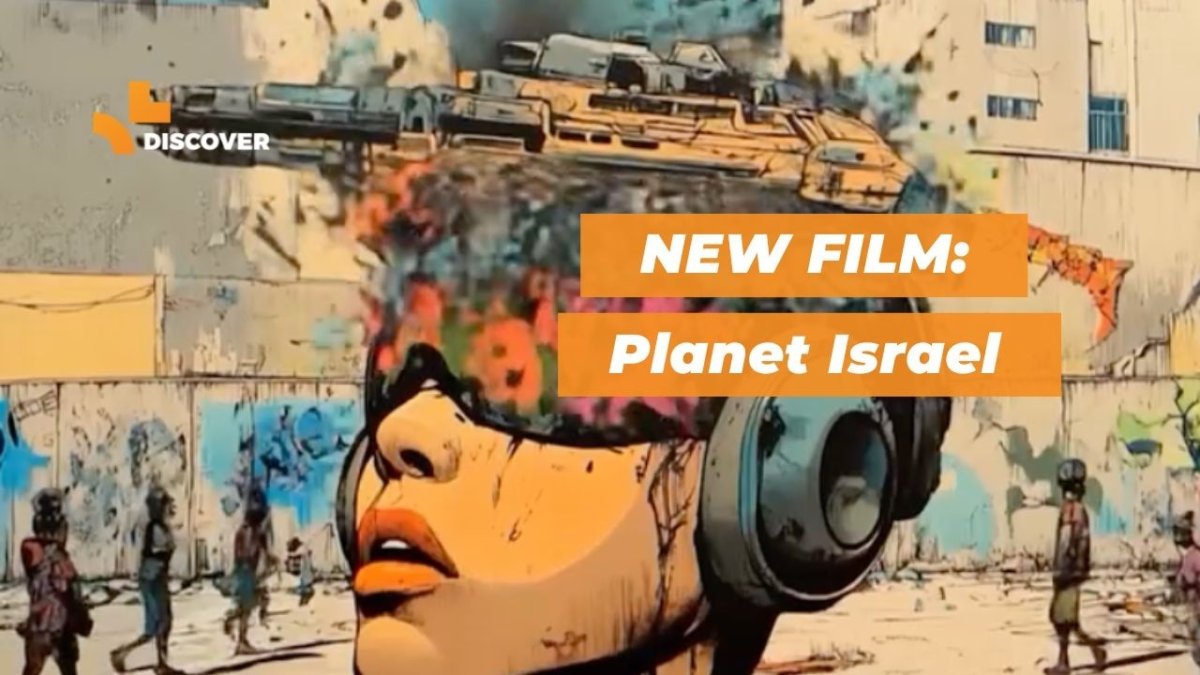
Critical Reception and Screenings
The Guardian reviewed the documentary on June 2, 2026, calling it a "valuable personal documentary about the Israel/Palestine conflict" and noting its rigorous examination of how public discourse in Israel has shifted since October 2023. Middle East Eye coverage similarly highlighted the film's focus on the psychological and social factors enabling moral disengagement during the military campaign.
Screenings have been scheduled at venues including the Glasgow Film Theatre on June 18, 2026. Early audiences have described the work as unsettling because it presents unfiltered Israeli arguments alongside the documented scale of destruction in Gaza. The film is being distributed through independent cinemas and is expected to reach wider audiences through streaming platforms in the coming months.
Israeli Public Opinion During the Gaza Campaign
"Planet Israel" documents how segments of Israeli society have framed the military response as necessary self-defense while downplaying or denying the extent of civilian harm. Moseley interviews individuals who express explicit support for measures that have led to the destruction of large areas of Gaza and high numbers of Palestinian deaths. The documentary does not editorialize but allows these statements to stand, letting their implications settle on the viewer.
The film connects these attitudes to broader political and media environments that reinforce narratives of existential threat. Religious and nationalist frameworks contribute to the acceptance of collective punishment against Palestinian civilians. The documentary traces how the language of security and survival can obscure the human reality of what military operations mean for families living in targeted areas.
Amplifying the Palestinian Experience Through Israeli Testimony
By focusing on Israeli justifications for the campaign, the documentary indirectly documents the scale of Palestinian suffering. The normalization of mass civilian casualties described in the film corresponds to the lived reality of displacement, loss of homes, and widespread casualties among Gaza's population. Figures on civilian deaths in Gaza, while not cited in the film directly, are documented by the United Nations and international health organizations.
Moseley has stated that examining Israeli public discourse serves to make visible the human cost borne by Palestinians. The film thereby contributes to understanding how policies producing that cost receive domestic support, connecting abstract political analysis to the daily realities of occupation and conflict for Palestinian families living through the campaign.
Implications for Ongoing Dialogue
"Planet Israel" enters public conversation at a time when international attention remains fixed on Gaza. The documentary's emphasis on moral disengagement offers a framework for analyzing how societies sustain support for prolonged military operations that produce extensive civilian harm. The question Moseley poses has resonance beyond the Israel-Palestine context, speaking to how any society might confront the gap between its self-image and its actions.
Its release and screenings provide an opportunity to consider how historical narratives of persecution interact with present-day power dynamics. The film does not resolve these tensions but documents them through direct testimony, leaving viewers to confront the human consequences for Palestinians living under the resulting conditions. For audiences in the Middle East and beyond, the documentary offers an unusual perspective: a Jewish filmmaker asking her own community the hardest questions about justice, memory, and accountability.
By Fatima Al-Rashid, Staff WriterThis article was produced with AI-assisted research and editorial support. Reporting is based on sources cited in the article.
What's Your Reaction?
 Like
0
Like
0
 Dislike
0
Dislike
0
 Love
0
Love
0
 Funny
0
Funny
0
 Wow
0
Wow
0
 Sad
0
Sad
0
 Angry
0
Angry
0
Gulf/MENA Correspondent at Global1.News. Based in Doha, covering Gulf politics, energy markets, diplomacy, and development across the Middle East and North Africa. Tracks the economic transformation of the Gulf states.










Comments (0)