
Colombia 2026 Runoff: Espriella vs Cepeda Shape Latin America's Future
As the DW News video titled "Why Colombia's election matters far beyond Latin America" explains with maps of cocaine routes and interviews in Putumayo villages, the June 21 runoff will shape regional security for years. With 39.8 million registered voters, the contest pits lawyer Abelardo de la Espriella against Senator Iván Cepeda after neither secured a first-round majority o
As the DW News video titled "Why Colombia's election matters far beyond Latin America" explains with maps of cocaine routes and interviews in Putumayo villages, the June 21 runoff will shape regional security for years.
With 39.8 million registered voters, the contest pits lawyer Abelardo de la Espriella against Senator Iván Cepeda after neither secured a first-round majority on May 31. The Presidencia de la Colombia and Registraduría Nacional have confirmed the second round date while the Corte Constitucional reviews three legal challenges filed by the Partido Liberal.
Colombia Heads to June 21 Runoff as de la Espriella and Cepeda Clash Over Security and Peace Accord
Bogotá, Colombia – this month of June — Communities across Caquetá and Putumayo are preparing polling stations while the Ejército Nacional increases patrols near known ELN camps. The runoff between Abelardo de la Espriella, backed by Centro Democrático and a public endorsement from former U.S. President Donald Trump, and Iván Cepeda of the Pacto Histórico coalition will decide who leads the country for the next four years.
Candidate Profiles and Party Platforms
Abelardo de la Espriella, 58, a criminal defense attorney from Barranquilla, built his campaign on promises to strengthen the Policía Nacional and renegotiate aspects of the 2016 FARC peace accord. He received 34 percent in the first round and secured the Centro Democrático nomination after meeting with party leaders in Medellín last month. His platform includes expanding military bases in Putumayo and Caquetá by 12 new installations before 2028.
Iván Cepeda, 62, a longtime senator and human rights advocate from Bogotá, finished with 31 percent and consolidated support from Gustavo Petro’s Pacto Histórico. Cepeda has pledged to maintain the accord’s rural development chapters and increase funding for the Fiscalía General’s transitional justice unit by 18 percent. He visited 47 municipalities in the past six weeks, focusing on coffee growers in Huila who fear renewed aerial fumigation.
First Round Results and Legal Challenges
The Registraduría Nacional reported a 58.4 percent turnout on May 31, with de la Espriella winning 7.1 million votes and Cepeda 6.6 million. Three smaller candidates split the remaining 4.3 million votes, forcing the runoff. The Corte Constitucional is scheduled to hear arguments on June 24 regarding claims of irregularities in 312 polling stations in Nariño and Cauca departments.
Centro Democrático filed complaints alleging vote buying by Pacto Histórico activists in Cali, while Cepeda’s team questioned the sudden disqualification of 47,000 overseas ballots processed by the Registraduría. Both campaigns have agreed to accept the final ruling before the June 21 vote.
Security Crisis and Ongoing Violence
The Ejército Nacional recorded 214 attacks by FARC dissidents and ELN units between January and May 2026, a 27 percent increase from the same period last year. In Putumayo, 14 community leaders were killed, prompting the Policía Nacional to deploy 1,800 additional officers to Puerto Asís and Orito. Clan del Golfo continues to control key cocaine laboratories near the Ecuador border, according to Fiscalía General seizure reports.
Residents in Caquetá report nightly extortion calls from armed groups demanding payments of 2 million pesos per hectare from cattle ranchers. The Ministry of Defense has authorized joint operations with the Policía Nacional in 19 prioritized municipalities ahead of the runoff.
Drug Policy and Cocaine Production
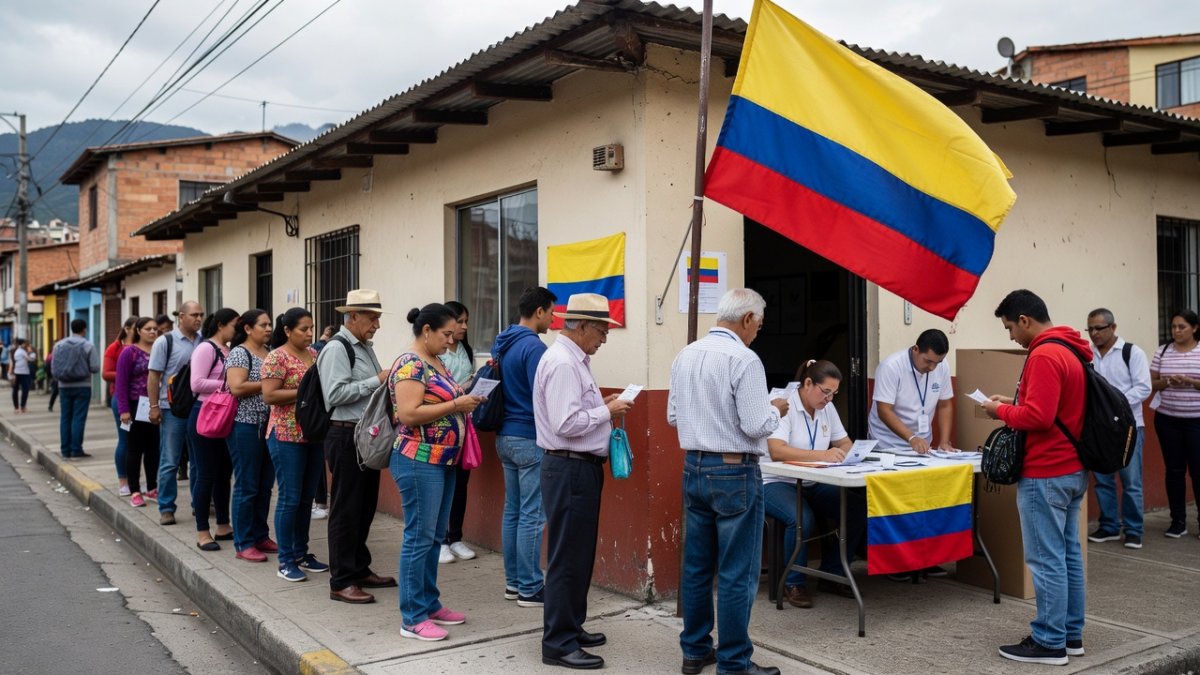
Colombia produced an estimated 1,738 metric tons of cocaine in 2025, according to the latest United Nations Office on Drugs and Crime data. De la Espriella proposes resuming glyphosate fumigation over 120,000 hectares in Putumayo and Caquetá, a policy supported by his Trump endorsement. Cepeda instead favors manual eradication paired with crop substitution programs funded through the peace accord’s national development plan.
The Fiscalía General seized 412 tons of cocaine precursors in the first five months of 2026, mostly in ports near Buenaventura. Community councils in Tumaco have requested that any new policy include direct payments of 12 million pesos per family for verified eradication, a demand both candidates addressed during recent town halls.
Regional Implications for Mexico and Latin America
Mexican officials have expressed concern that shifts in Colombian cocaine routes could increase flows through Pacific ports. The Mexican Navy reported a 33 percent rise in interdictions of vessels originating from Colombia’s Pacific coast since January. De la Espriella’s security focus aligns with recent statements from Mexican President Claudia Sheinbaum on joint maritime patrols.
Across Latin America, the election outcome will influence migration patterns and trade agreements. Cepeda has proposed expanding the Pacific Alliance framework to include stronger rural development clauses, while de la Espriella favors closer ties with U.S. Southern Command for equipment transfers valued at $180 million.
Human Impact on Colombian Communities
In San Vicente del Caguán, 2,400 families displaced by fighting since 2024 await government aid through the Victims Unit. Local teacher María Elena Rodríguez, 41, described how schools in the area have operated with only 60 percent attendance because parents fear sending children on roads controlled by armed groups. Both candidates visited the town in early June and promised new health posts within 18 months.
Women’s organizations in Quibdó have documented 87 cases of sexual violence linked to armed actors in the past year. Cepeda’s campaign has pledged specialized Fiscalía General units in Chocó, while de la Espriella emphasizes increased Policía Nacional presence in urban centers.
What to Watch for on Election Day
The Registraduría Nacional will deploy 98,000 biometric verification machines across 11,400 polling stations. International observers from the Organization of American States arrive June 18. Analysts expect turnout above 62 percent, driven by strong mobilization in Bogotá, Medellín, and Cali.
Results are projected by 10 p.m. local time on June 21. The winner will be inaugurated August 7 at the Casa de Nariño, with the new Congreso de la República convening the following week to debate the 2027 budget.
Colombian families from the Pacific coast to the eastern plains will continue shaping the country’s direction long after ballots are counted, carrying forward both the hopes of the 2016 peace accord and the daily realities of security in their communities.
By Rosa Martinez, Staff WriterThis article was produced with AI-assisted research and editorial support. Reporting is based on sources cited in the article.
What's Your Reaction?
 Like
0
Like
0
 Dislike
0
Dislike
0
 Love
0
Love
0
 Funny
0
Funny
0
 Wow
0
Wow
0
 Sad
0
Sad
0
 Angry
0
Angry
0
Latin America/Andes Correspondent at Global1.News. Based in Bogota, covering politics, environment, energy, and social movements across the Andean region. Passionate about environmental journalism and communities protecting their land.













Comments (0)