
US-Iran Hormuz Crisis Escalates as Rubio Urges Global Action
Regional Framing: Hormuz at the Center of Renewed US-Iran War The Strait of Hormuz has once again become the focal point of the US-Iran confrontation that erupted in February 2026. US and Israeli airstrikes that month killed several senior Iranian officials, including Supreme Leader Ayatollah Ali Khamenei. A ceasefire and memorandum of understanding signed on June 17 collapsed within weeks, leading both sides to resume attacks. Roughly 20 million barrels of oil per day normal
Regional Framing: Hormuz at the Center of Renewed US-Iran War
The Strait of Hormuz has once again become the focal point of the US-Iran confrontation that erupted in February 2026. US and Israeli airstrikes that month killed several senior Iranian officials, including Supreme Leader Ayatollah Ali Khamenei. A ceasefire and memorandum of understanding signed on June 17 collapsed within weeks, leading both sides to resume attacks. Roughly 20 million barrels of oil per day normally transit the strait, representing about 20 percent of global supply. Traffic has fallen sharply as Tehran threatens to block all shipments.
The February campaign began with coordinated strikes on Iranian missile facilities near Bandar Abbas and nuclear sites at Natanz, following intelligence reports of accelerated uranium enrichment. Khamenei’s death in one of those raids left a leadership vacuum that accelerated factional infighting within the regime. The June 17 accord, brokered in Muscat, had envisioned a 90-day de-escalation period and limited sanctions relief in exchange for verified restrictions on ballistic-missile testing; its rapid unraveling after an alleged IRGC drone incursion over Saudi waters underscored how fragile any interim arrangement remains.
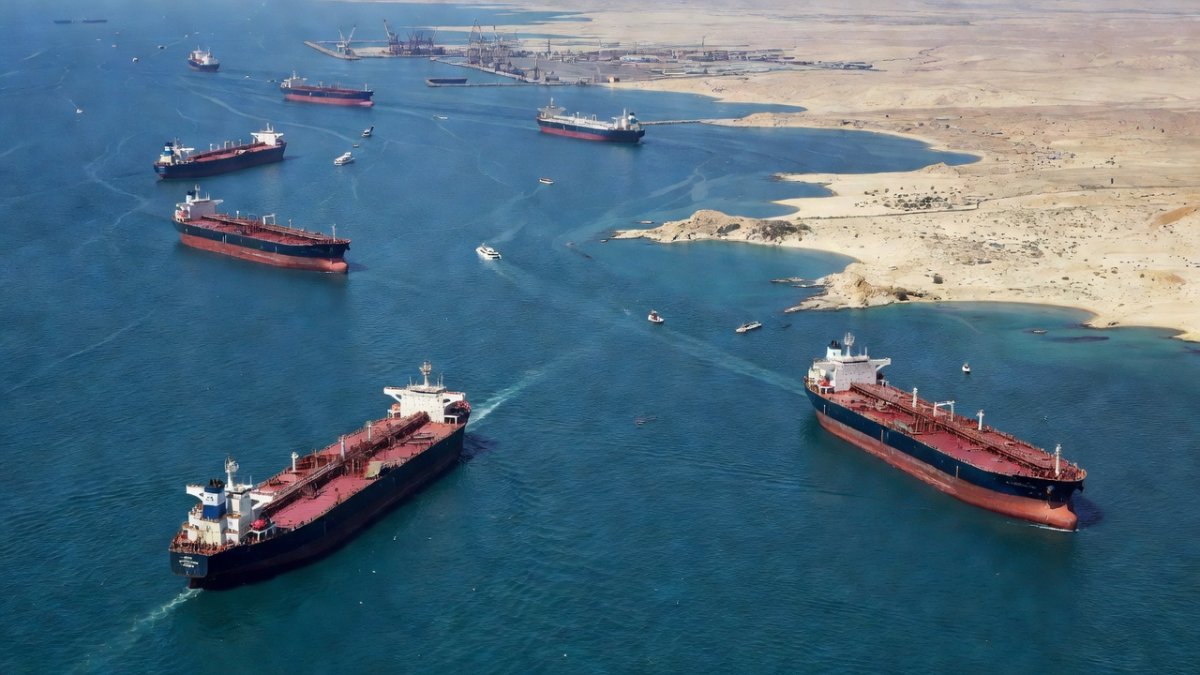
Historical Context of the US-Iran Conflict
Tensions between Washington and Tehran trace back to the 1979 Islamic Revolution and the subsequent hostage crisis. The 2015 JCPOA nuclear deal offered a brief thaw before the Trump administration’s 2018 withdrawal and maximum-pressure sanctions. February 2026 marked the sharpest escalation since the 2020 Soleimani strike, with direct US-Israeli strikes on Iranian territory for the first time since 1988.
Rubio's Statement and International Response
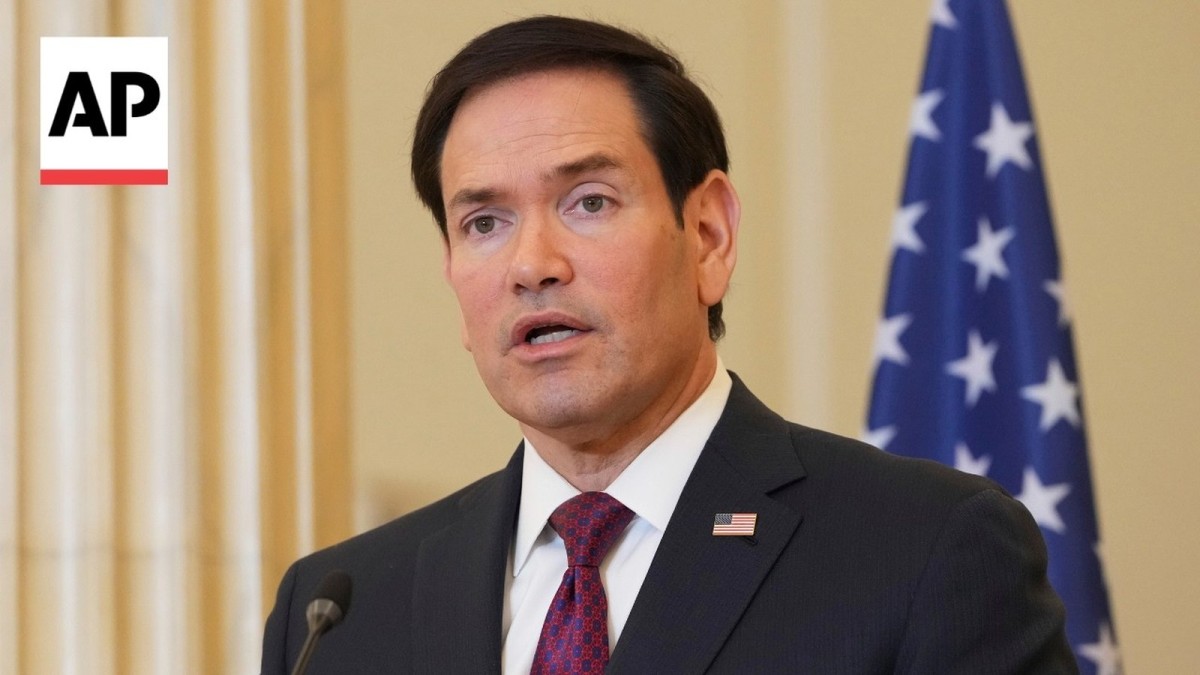
On July 20, 2026, US Secretary of State Marco Rubio stated that Iran is attempting to use the Strait of Hormuz as a bargaining tool against the world. He said, "It's clear that Iran, at least some people in Iran, want to control the strait and hold that as leverage against the world." Rubio urged other countries to contribute hardware or finances to protect shipping lanes, noting that the United States will continue its efforts but expects allies to step up. The remarks reflect Washington's desire to distribute the burden of securing energy routes amid ongoing strikes.
During his ASEAN summit stop in Jakarta, Rubio explicitly referenced the need for “rotational frigate deployments and shared radar feeds” from partners, while privately pressing Japan and South Korea to increase their financial contributions to the Combined Maritime Forces. So far, only the United Kingdom and Australia have pledged additional destroyers; France and Germany have offered intelligence support but no surface vessels, while India has limited its role to escorting its own tankers under bilateral arrangements.
The Military Escalation: Strikes, Missiles, and Casualties
Tehran responded by vowing that "not a single drop" of oil or gas would pass through the strait as long as US attacks continue. A single Iranian missile penetrated Jordan's air defenses on July 18 despite successful interception of most incoming projectiles. In Iraq, a US soldier died during the controlled detonation of unexploded ordnance from a downed Iranian drone. President Trump has framed US military action as necessary to "end any chance" of Iran acquiring nuclear capability. Rubio also highlighted that Iran continues to spend billions supporting Hezbollah, Hamas, and Iraqi militias rather than domestic development.
US Central Command has conducted more than 40 precision strikes since mid-July, primarily using JASSM-ER cruise missiles and F-35 sorties against IRGC coastal batteries and drone launch sites along the Iranian littoral. Tehran has retaliated with waves of Shahed-136 drones and Fateh-110 ballistic missiles, most of which have been intercepted by US Navy Aegis destroyers and Israeli Arrow batteries. The July 18 breach over Jordan, where a single missile evaded Patriot coverage near Azraq air base, exposed gaps in layered air defense coordination that regional commanders are now racing to close.
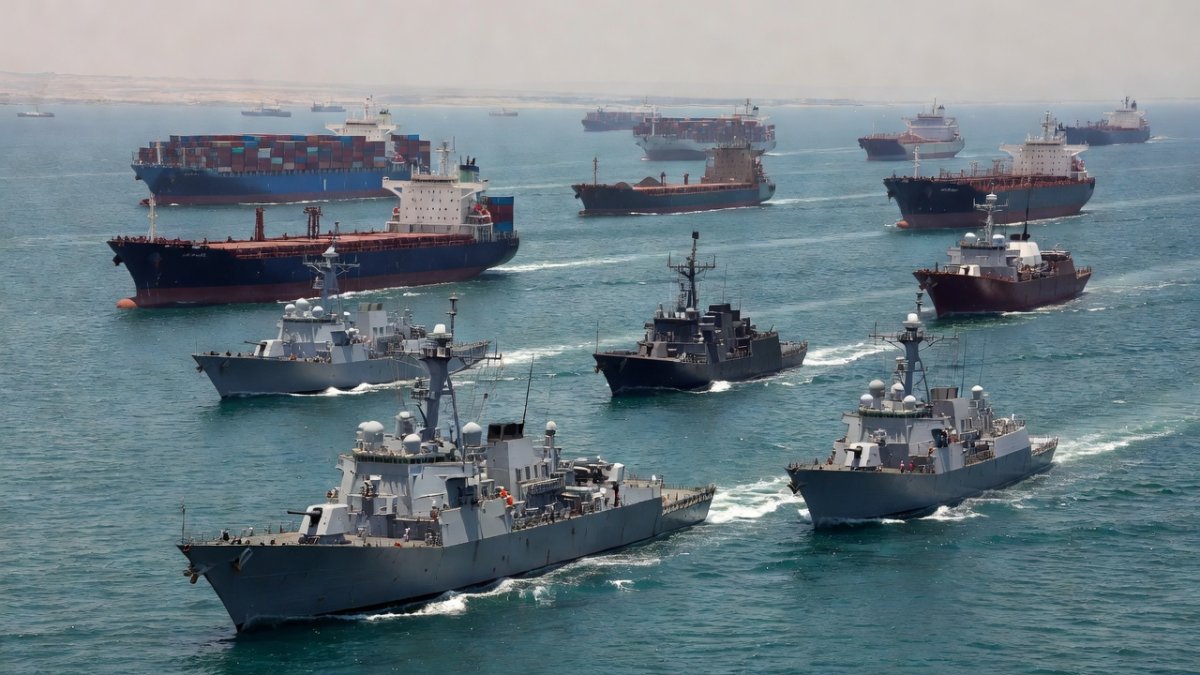
Energy Markets Under Pressure — Oil Prices and Global Supply
Oil prices reached $90 per barrel as the crisis intensified. US Energy Secretary Chris Wright stated that nearly 14 million barrels per day are still flowing from the Gulf, with roughly half transiting Hormuz. The sharp reduction in tanker traffic has already tightened global supply, raising concerns for energy-importing nations in Asia and Europe. Gulf states are accelerating diversification plans, yet the immediate leverage remains with whoever controls access to the strait.
Brent crude briefly touched $94.60 on July 22 before settling near $89.80, while Asian spot LNG prices surged 18 percent week-on-week as Japanese and South Korean utilities scrambled for alternative cargoes. OPEC+ has so far refrained from a formal production increase, though Saudi Arabia quietly raised its July allocation by 200,000 barrels per day. The US Strategic Petroleum Reserve released 12 million barrels in a coordinated draw with Japan and South Korea, yet analysts warn that sustained Hormuz disruptions above 4 million barrels per day would overwhelm current buffer stocks within six weeks.
Iran's Strategic Calculus: Leverage or Survival?
Tehran's threat to close the strait represents a high-risk attempt to regain negotiating power after the loss of Khamenei and repeated military setbacks. Iranian leaders calculate that disrupting 20 percent of global oil supply will force international pressure on Washington to limit further strikes. At the same time, the regime must weigh the danger of provoking a broader US-led coalition that could target remaining military and nuclear infrastructure. The calculus mixes deterrence with the need to project strength domestically.
Iran's Internal Dynamics After Khamenei's Death
Khamenei’s death triggered a contested succession process inside the Islamic Republic. The Assembly of Experts selected a transitional leadership council dominated by hardliners, while reformist factions and the IRGC compete for influence. Public protests in Tehran and Isfahan over economic hardship have been met with renewed repression, complicating any diplomatic opening.
Gulf State Reactions: Saudi Arabia, UAE, Qatar, and Kuwait
Saudi Arabia has increased naval patrols in the Red Sea and requested additional US Patriot batteries. The UAE has quietly expanded its own air-defense cooperation with Washington while accelerating its Barakah nuclear plant expansion. Qatar maintains cautious neutrality, leveraging its LNG exports and hosting US Central Command forward headquarters. Kuwait has raised insurance premiums on its oil tankers and called for an emergency GCC summit.
China and Russia's Positions
Beijing has urged restraint while continuing to purchase discounted Iranian crude through shadow fleets. Moscow has supplied Tehran with air-defense components and offered to mediate, seeking to distract Western attention from Ukraine. Both powers view the crisis as an opportunity to erode US dominance in energy markets.
Diplomatic Signals: Open Channel or Smoke Screen?
Despite the escalation, the United States has signaled openness to a diplomatic solution. Iranian officials have sent parallel messages indicating willingness to talk. Analysts view these signals as potentially tactical, aimed at buying time to reconstitute defenses or rally regional partners. Any renewed talks would likely center on limits to Iran's nuclear program and guarantees regarding Hormuz access, yet mutual distrust remains high following the collapsed June agreement.
Oman and Qatar have resumed their traditional back-channel roles, with Muscat hosting discreet US-Iranian technical talks on maritime deconfliction and Doha facilitating indirect messages through Iraqi intermediaries. A possible framework under discussion would pair verifiable enrichment caps at 3.67 percent with monitored transit lanes policed by a multinational task force, though Tehran continues to insist on immediate sanctions relief as a precondition for any formal commitment.
Potential Diplomatic Deal and Path Forward
A viable agreement would likely include verifiable caps on Iranian uranium enrichment below 5 percent, monitored Hormuz transit corridors, and phased sanctions relief tied to oil-export transparency. European and Chinese guarantees on tanker insurance could form part of the package, though enforcement mechanisms remain the central sticking point.
Regional Implications for Gulf States and Beyond
Gulf Arab states face direct exposure. Saudi Arabia and the UAE are increasing naval patrols and seeking additional security assurances from Washington while advancing their own energy diversification. Turkey has maintained a cautious posture, balancing economic ties with Iran against NATO commitments. The conflict also sharpens Sunni-Shia dynamics, as Iranian-backed groups in Iraq and Yemen remain active. Broader great-power competition is evident as China and Russia monitor the situation for opportunities to expand influence in energy markets and arms sales. Second-order effects include higher insurance costs for shipping and renewed urgency around alternative routes such as pipelines bypassing the strait.
The UAE has quietly activated its dormant Fujairah-to-Habshan pipeline to reroute 1.5 million barrels per day, while Riyadh accelerates work on its own East-West pipeline expansion. Kuwait and Bahrain have both requested expedited US security consultations, fearing spillover from IRGC-backed militias. Meanwhile, Beijing’s continued discounted purchases of Iranian crude underscore how great-power rivalry now intersects directly with Gulf energy security, complicating any unified international response.
By Malik Hassan, Staff WriterThis article was produced with AI-assisted research and editorial support. Reporting is based on sources cited in the article.
What's Your Reaction?
 Like
0
Like
0
 Dislike
0
Dislike
0
 Love
0
Love
0
 Funny
0
Funny
0
 Wow
0
Wow
0
 Sad
0
Sad
0
 Angry
0
Angry
0
Middle East Correspondent at Global1.News. Based in Beirut, covering politics, conflict, energy, and society across the Middle East. Brings context and depth to a region often reduced to headlines.










Comments (0)