
Ontario BC Wildfires Spur National Strategy Push
Ontario and British Columbia Face Record Wildfire Pressure as Premiers Demand National Strategy Toronto — Ontario Premier Doug Ford confirmed this week that provincial leaders will place a national wildfire strategy on the agenda at their upcoming meeting, following evacuations in 13 Ontario communities and more than 100 active fires in British Columbia.
Ontario and British Columbia Face Record Wildfire Pressure as Premiers Demand National Strategy
Toronto — Ontario Premier Doug Ford confirmed this week that provincial leaders will place a national wildfire strategy on the agenda at their upcoming meeting, following evacuations in 13 Ontario communities and more than 100 active fires in British Columbia. Emergency crews in both provinces continue to battle blazes that have prompted urgent departures and strained resources across vast forested regions.
Ontario Wildfires Force Evacuations in Northwest Region
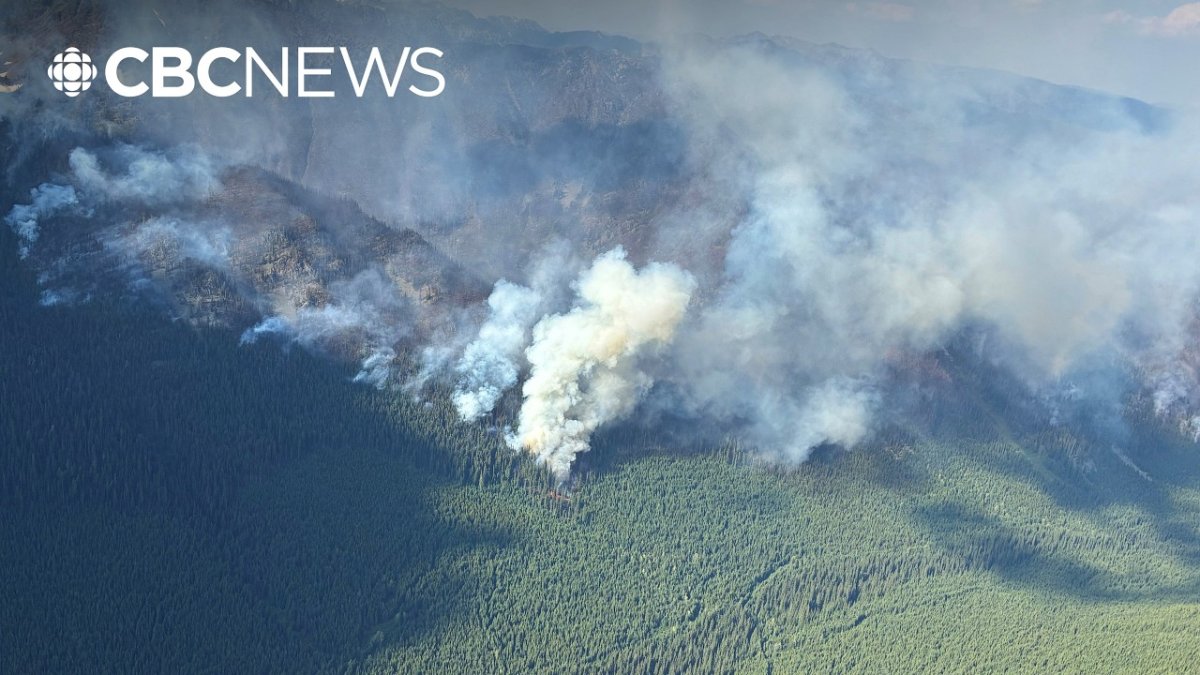
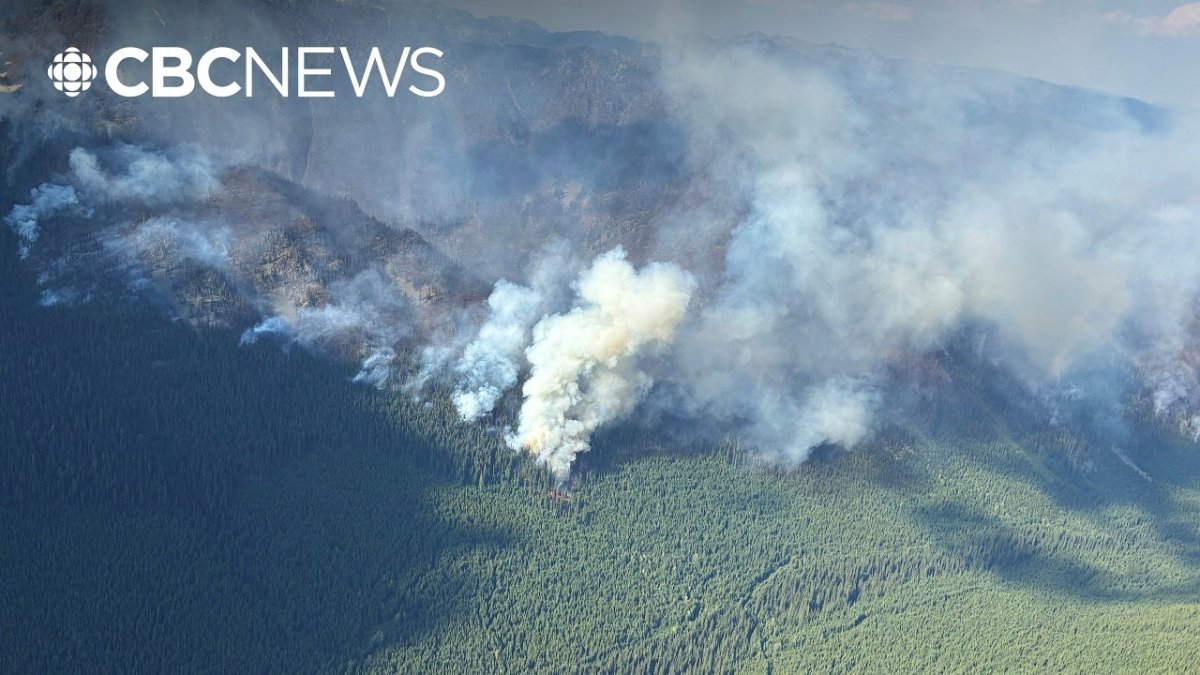
Wildfires burning across northwestern Ontario have triggered evacuations in 13 communities, with the Ministry of Natural Resources and Forestry issuing repeated warnings in recent days. Extreme fire behaviour has exceeded historical models, prompting the deployment of additional water bombers to support ground crews. A wildfire surrounded a CN freight train near Armstrong, forcing flames across the tracks and suspending rail service until crews could secure the area. Air quality warnings now blanket much of the province as smoke drifts southward from active fronts.
Impact on Remote First Nations Communities
Namaygoosisagagagun First Nation, home to approximately 320 residents and accessible only by rail or float plane, received an initial notification that there was no immediate danger. Residents soon faced a dense wall of smoke that forced urgent departures, with elders and medical patients prioritised for evacuation. Local officials reported that the community’s isolation complicated logistics, requiring coordinated transport under hazardous conditions. Similar pressures have affected other remote settlements, highlighting vulnerabilities in northern Ontario’s fire response network.
British Columbia Battles Over 100 Lightning-Ignited Fires
British Columbia is managing more than 100 fires, the majority ignited by lightning strikes last week. The BC Wildfire Service reports that many new ignitions remain out of control. Professor Mike Flannigan of Thompson Rivers University noted that under current dry conditions every 100 lightning strikes can start one to two fires. The Lytton area, almost entirely destroyed by wildfire in June 2021, faced renewed threat when flames advanced rapidly, leading to evacuation orders Wednesday night. Near Boston Bar, steep terrain and high winds challenged crews as at least four homes were destroyed.
Combined Resources and Interprovincial Mutual Aid
Combined federal and provincial resources, including Canadian Armed Forces personnel, have been deployed to assist ground operations. The 4th Canadian Division supports efforts in Ontario while members of Princess Patricia’s Canadian Light Infantry operate in British Columbia. Ontario and British Columbia have transferred firefighters and air tankers between provinces under mutual-aid agreements. Emergency Management Minister Eleanor Olszewski addressed criticism of federal coordination and announced additional interprovincial resource funding to sustain the response.
Premiers to Discuss National Fire Strategy and Gordie Howe Bridge
Ontario Premier Doug Ford stated that a coordinated national approach is essential because wildfires cross provincial boundaries and degrade air quality in major cities. The premiers’ meeting will also address the Gordie Howe Bridge project linking Windsor to Detroit. Ford emphasised that standardising resource sharing and prevention measures across jurisdictions would improve readiness for increasingly intense fire seasons.
Climate Factors and Future Preparedness
Professor Mike Flannigan has linked current conditions to broader climate patterns that extend fire seasons and raise lightning ignition rates. Dry forests in British Columbia and northern Ontario create ideal conditions for rapid growth from modest lightning activity. The federal government has announced funding for enhanced fire-modelling tools. First Nations communities continue to advocate for the integration of cultural burning practices into provincial land-management strategies to reduce fuel loads and restore ecological balance.
Cross-Border Implications and Air Quality Concerns
Smoke drifting into the United States has drawn criticism from some American politicians, adding diplomatic pressure during an already demanding season. Air quality alerts in Ontario cities demonstrate that smoke travels hundreds of kilometres, affecting daily life far from the fire zones. Canadian officials remain focused on domestic containment while monitoring border impacts and maintaining open communication with U.S. counterparts.
Why These Events Matter for Canadian Readers
The fires disrupt transportation corridors such as CN rail lines and require redirection of Canadian Armed Forces personnel from other duties. With premiers scheduled to meet soon, the push for a national strategy represents a concrete step toward standardising prevention, early-warning systems, and resource allocation across all provinces and territories. Communities from remote First Nations reserves to urban centres now face repeated evacuations, underscoring the need for long-term improvements in preparedness.
 By Alex Thompson, Staff Writer
This article was produced with AI-assisted research and editorial support. Reporting is based on sources cited in the article.
What's Your Reaction?
 Like
0
Like
0
 Dislike
0
Dislike
0
 Love
0
Love
0
 Funny
0
Funny
0
 Wow
0
Wow
0
 Sad
0
Sad
0
 Angry
0
Angry
0

Canada Correspondent at Global1.News. Based in Toronto, covering Canadian politics, energy, trade, and US-Canada relations. Provides the Canadian perspective on North American and global affairs.














Comments (0)