
US-Iran War Enters Tenth Day as Hormuz Standoff Deepens and Oil Prices Surge
The United States launched its ninth consecutive night of strikes on Iran as the war enters its tenth day. Tehran vowed to close the Strait of Hormuz to oil and gas shipments, sending Brent crude above $90 a barrel. The Islamabad peace deal has collapsed, and regional spillover has spread to Kuwait, Bahrain, Jordan and Israel.
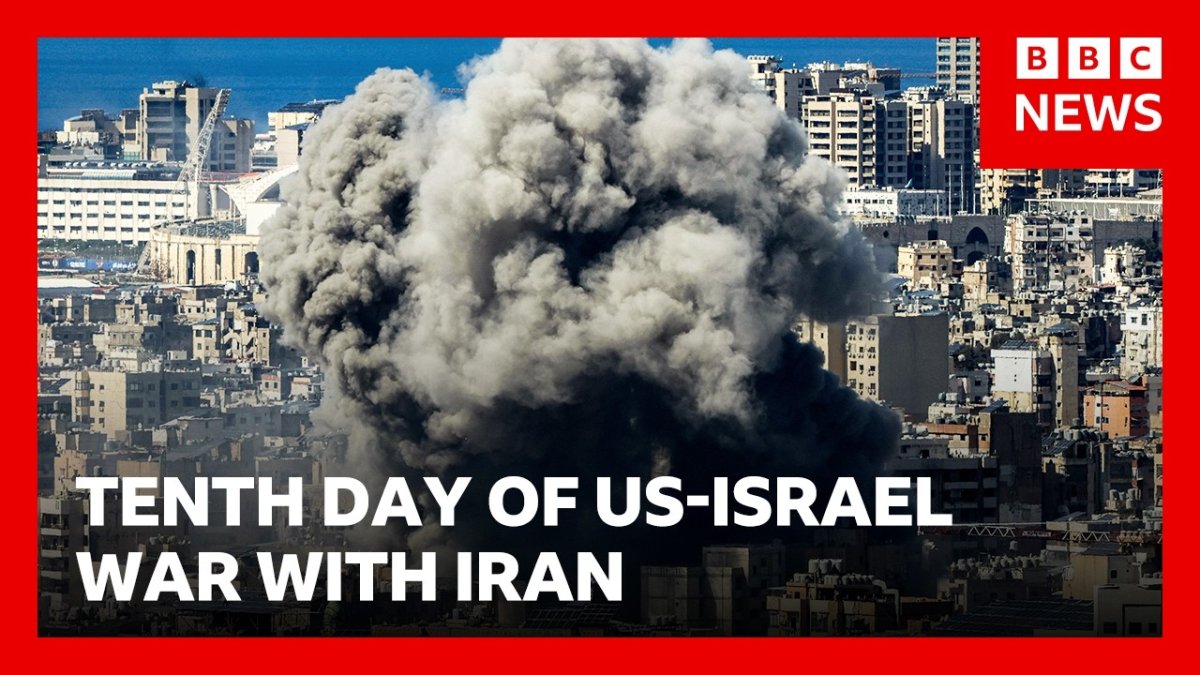
In a recent BBC News report, the conflict between the United States and Iran entered its tenth day, with Washington launching a ninth consecutive night of airstrikes and Tehran vowing to close the Strait of Hormuz to oil and gas shipments.
US-Iran War Enters Tenth Day as Hormuz Standoff Deepens and Oil Prices Surge
London – 20 July 2026 — The United States and Iran have entered the tenth day of open hostilities, with both sides exchanging increasingly severe blows that threaten to draw the entire Middle East into a wider regional war. The latest escalation comes after an interim peace agreement collapsed and the critical Strait of Hormuz waterway — through which roughly one-fifth of the world's daily oil supply passes — has become a central battleground. Oil prices surged past $90 a barrel on Monday morning in Asian trading, reflecting growing fears that the fighting could permanently disrupt global energy supplies.
Nine Nights of American Air Power
The US military's Central Command announced on Sunday that it had "successfully completed" its ninth consecutive evening of strikes against Iranian military targets across the country. CENTCOM stated that its assets targeted "Iranian military command centers, air defense and coastal surveillance sites, maritime capabilities, missile and drone launch sites, and communications networks" in an operation intended to "further diminish Iran's ability to attack commercial vessels and civilian mariners transiting the Strait of Hormuz."
These strikes have grown in scope and intensity over the past week. Defence Secretary Pete Hegseth has described the campaign as the most sustained aerial bombardment of Iranian territory since the conflict began. Iranian authorities report that US attacks have struck 95 locations across 12 cities over the previous ten days, with Iran's Health Ministry reporting at least 50 people killed and more than 500 injured from strikes since July 6 alone.
The bombing campaign was triggered by an Iranian attack on Friday that killed two US service members in Jordan, followed by a second attack in Iraq on Saturday that claimed the life of a third American soldier during the "controlled detonation" of a downed Iranian drone. President Donald Trump, returning to Washington after the World Cup final, told reporters: "We hit them very hard again tonight, and we did that in honour of the probably three, it's probably three great patriots." He added that those who died were fighting so that "Iran cannot have a nuclear weapon."
US officials in Washington have emphasized that the targets remain strictly military. CENTCOM spokespersons have reiterated that strikes avoid civilian infrastructure, though Iranian state media have disputed this characterization. The sustained nature of the operations reflects a deliberate strategy to degrade Iran's capacity to project power in the Strait of Hormuz and surrounding waters. Gulf states including Kuwait and Bahrain have hosted US assets supporting these missions, underscoring the regional footprint of American forces.
Energy analysts note that prolonged disruption in the Strait could affect Russian oil exports indirectly, as Moscow watches global prices rise and seeks to capitalize on any supply gaps. The Kremlin has maintained a cautious stance, balancing its longstanding ties with Tehran against its own economic interests in stable energy markets.
The Collapse of the Islamabad Peace Deal
The current escalation represents a dramatic breakdown of the interim peace agreement — the Islamabad Memorandum of Understanding — that Washington and Tehran signed in mid-June. That deal, negotiated in the Pakistani capital with European and Gulf mediators, had been hailed as a breakthrough that could permanently end the conflict. But its provisions began unravelling almost immediately.
Trump declared the MoU "over" ten days ago at the NATO summit in Ankara, following Iranian attacks on tankers near the Strait of Hormuz. He reimposed a naval blockade on Iranian ports and revoked a sanctions waiver that had allowed limited Iranian oil exports — moves that effectively dismantled the economic incentives that had brought Tehran to the negotiating table.
Iran's Deputy Foreign Minister, Kazem Gharibabadi, who participated in technical talks on the agreement, confirmed its collapse. "The US has violated and suspended all its commitments within the framework of the Islamabad MoU," he said, according to the semi-official Fars News Agency. As a result, Tehran has "likewise suspended all our own commitments" and is "busy defending the country." Iran's Supreme Leader, Mojtaba Khamenei, issued a statement read on state television warning that Tehran would inflict "unforgettable lessons" on the United States over its continued attacks.
European mediators who helped broker the original understanding have expressed disappointment but stopped short of assigning blame. Gulf states that participated in the talks, including those with direct stakes in Hormuz shipping lanes, have urged both sides to return to dialogue. The revocation of the sanctions waiver has cut off the limited revenue stream that Iranian officials had cited as a key reason for accepting the MoU in the first place.
Russian diplomats have quietly noted that the collapse removes any near-term prospect of coordinated energy policy between Moscow and Tehran, leaving both capitals to navigate sanctions and market volatility independently.
Iran's Response — Closing the Strait of Hormuz
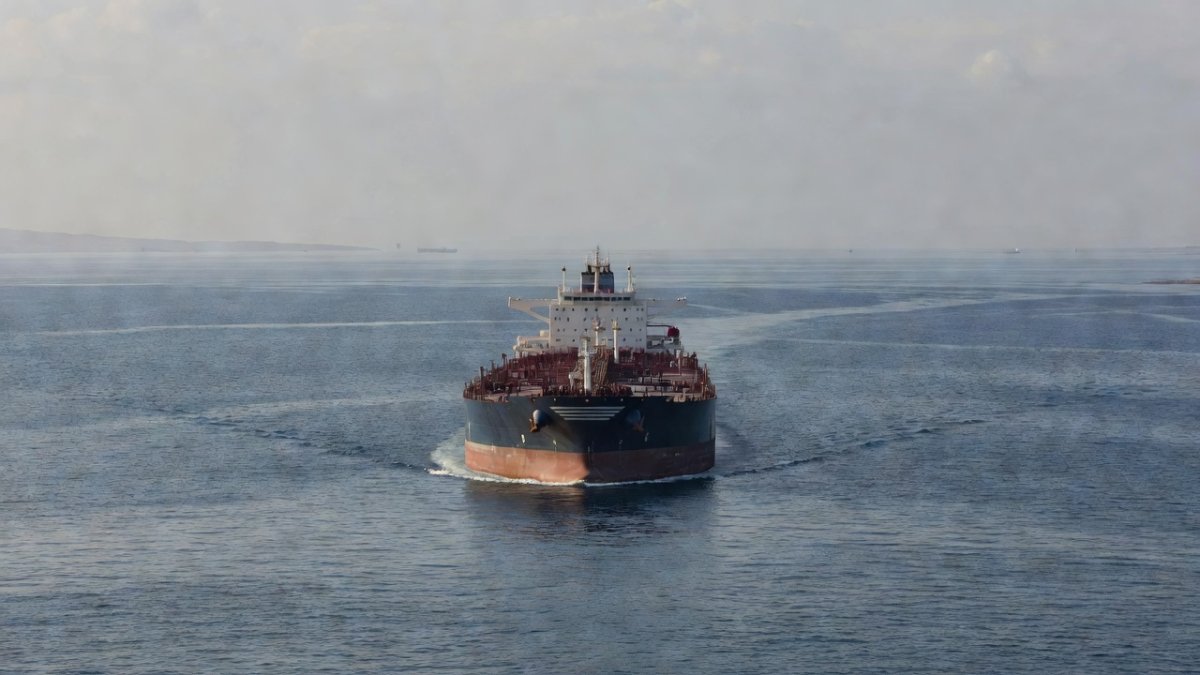
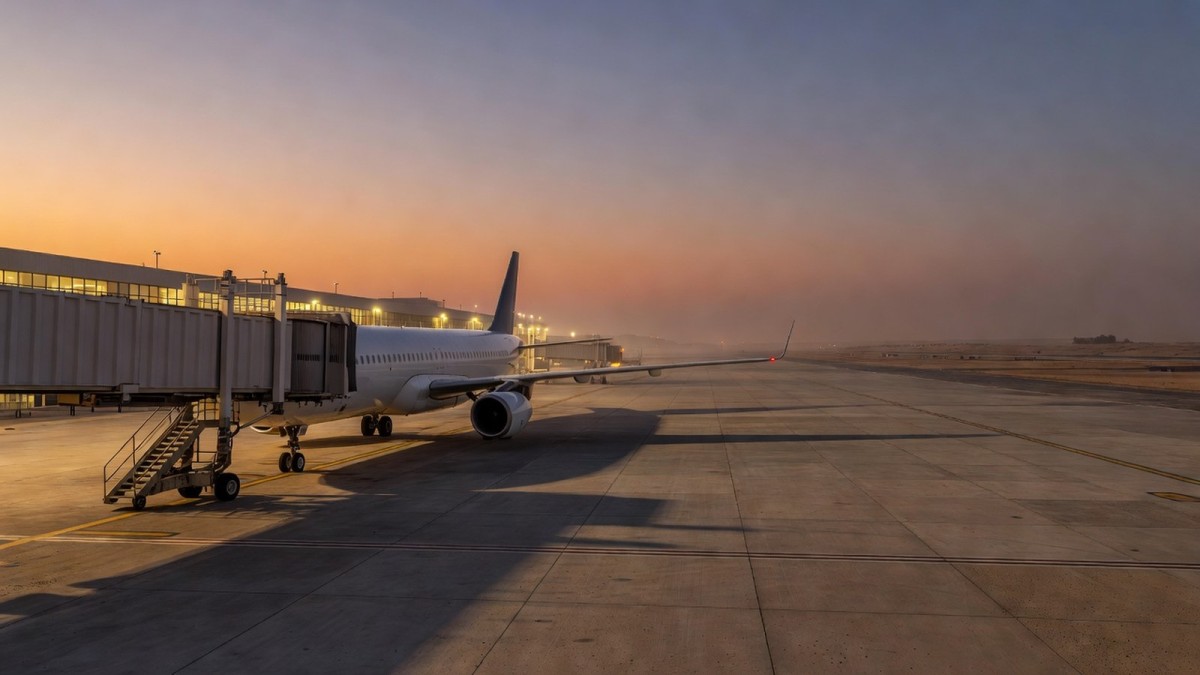
Iran's Revolutionary Guard has responded by targeting US aircraft at Jordan's Aqaba airport with ballistic missiles. Two oil tankers exploded in the Strait of Hormuz after Iran's Revolutionary Guard claimed they attempted an unsafe southern route. The IRGC warns "this passage will not be safe for the transit of petrochemical products, nor even a single drop of oil and gas." A vessel is on fire in the strait off Oman, reported by UK Maritime Trade Operations. Iran has also hit US military targets in Kuwait at Ali Al Salem air base, and air raid sirens have sounded in Bahrain for a second day. The IRGC also claims a "surprise attack" on an enemy command center in Al-Tanf, Syria.
IRGC naval units have positioned additional fast-attack craft along the Iranian coastline, according to statements from the force's public affairs office. These deployments aim to enforce the declared closure and deter any attempts to resume commercial traffic. Shipping companies have rerouted vessels around the Cape of Good Hope, adding weeks to delivery schedules and raising insurance premiums sharply.
Tehran maintains that its actions constitute legitimate self-defense following the collapse of the Islamabad agreement. Iranian officials argue that the United States bears responsibility for the breakdown by reimposing the naval blockade and sanctions measures.
Regional Spillover — Gulf States and Israel on Alert
The conflict has spread across the Middle East. Kuwait's army confirmed its air defenses were responding to hostile drones from Iran. Bahrain's interior ministry activated air raid sirens and urged residents to seek shelter. Jordan said it intercepted 10 Iranian ballistic missiles. Israel is on high alert — Defence Minister Israel Katz warned: "If Iran fires missiles at Israel, we will attack them with full force." The US is sending dozens of additional refueling planes to Israel. The IRGC said its naval forces targeted a US military fuel pier at Kuwait's al-Ahmadi port and a US warplane assembly site at Bahrain's Sheikh Isa Air Base. Iran's Foreign Ministry spokesman Esmaeil Baghaei said Iran has not sought war and has only defended itself.
Israeli officials have coordinated closely with Washington on air defense measures. Additional US refueling aircraft will allow Israeli fighters greater operational range if required. Gulf governments have activated civil defense protocols while continuing to host American forces.
Economic Shockwaves — Oil Markets and Global Supply Chains
Oil prices have surged dramatically. Brent crude for September delivery rose 2.72% to $90.50 a barrel in early Asian trade on Monday, briefly crossing $91 — its highest price since June. West Texas Intermediate gained 2.39% to $84.46. The benchmark oil price passed $100 a barrel earlier in the conflict for the first time since 2022. Shipping traffic through the Strait of Hormuz has largely stalled. Iran's Revolutionary Guard claimed to have stopped two tankers. A desalination plant in Jask was destroyed, leaving 20 villages without water. Iran's First Vice President Mohammad Reza Aref accused Washington of striking before the ink on the MoU had dried.
Global supply chains face immediate pressure as tanker operators avoid the waterway. European refiners have begun drawing down strategic reserves while seeking alternative sources from West Africa and the Americas. Russian energy exporters have seen spot prices rise but face continued sanctions that limit their ability to fully capitalize on the shortage.
Analysis — A War Without an Exit
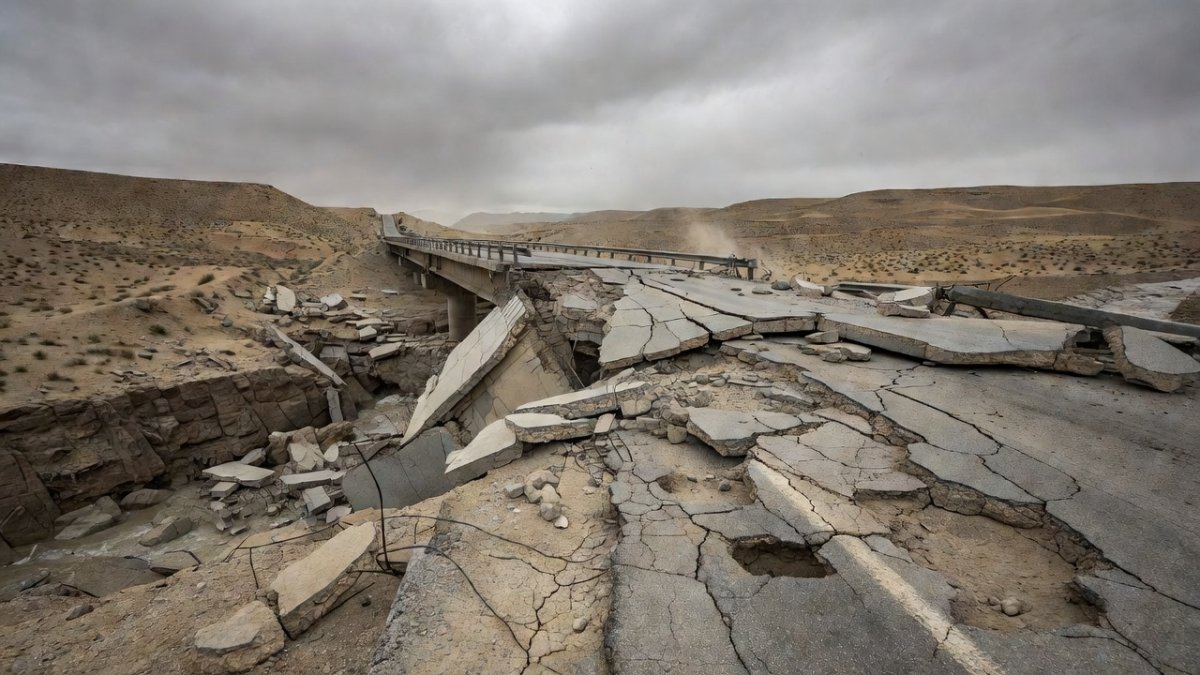
Both sides accuse each other of violating the MoU. The US insists on keeping the Strait open to all traffic; Iran insists it has the right to control shipping under the deal. Trump is under pressure to reduce oil prices ahead of midterm elections in November, but his campaign has so far failed to force Tehran to surrender or return to negotiations. US attacks have expanded in scope and intensity. Tehran has accused Washington of targeting civilian infrastructure — bridges, rail lines, and a desalination plant — and warned it would respond in kind. Neither side appears willing to de-escalate, raising the risk of a protracted conflict that destabilises the global energy market and draws in more regional actors.
President Trump's reimposition of the naval blockade and the revocation of the sanctions waiver have eliminated the economic incentives that brought Iran to the table. With Tehran declaring the MoU suspended and Washington insisting on unconditional opening of the Strait, analysts suggest the diplomatic channel is effectively closed. The most likely near-term scenario is continued escalation, with both sides preparing for a prolonged campaign of retaliatory strikes that risks becoming the defining geopolitical crisis of 2026.
By Irina Volkov, Staff Writer
This article was produced with AI-assisted research and editorial support. Reporting is based on sources cited in the article.
What's Your Reaction?
 Like
0
Like
0
 Dislike
0
Dislike
0
 Love
0
Love
0
 Funny
0
Funny
0
 Wow
0
Wow
0
 Sad
0
Sad
0
 Angry
0
Angry
0
Russia/Eastern Europe Correspondent at Global1.News. Covering Russian politics, energy, security, and the shifting dynamics of the post-Soviet space. Provides clear-eyed analysis on one of the world's most opaque regions.













Comments (0)