
Hanwha Aerospace Daejeon Explosion Kills Five: Safety Questions Mount for South Korea's K-Defense Sector
A devastating explosion at Hanwha Aerospace's Daejeon facility on June 1, 2026, has killed five workers and injured two others, casting a spotlight on safety protocols at South Korea's most critical defense manufacturing complex. The incident, which occurred at 10:59 a.m. KST in a laboratory where explosive-related cleaning work was underway, marks the third deadly blast at the
A devastating explosion at Hanwha Aerospace's Daejeon facility on June 1, 2026, has killed five workers and injured two others, casting a spotlight on safety protocols at South Korea's most critical defense manufacturing complex. The incident, which occurred at 10:59 a.m. KST in a laboratory where explosive-related cleaning work was underway, marks the third deadly blast at the same Hanwha plant since 2018 and raises pressing questions about regulatory oversight, production continuity, and the resilience of the K-defense industrial base at a time of expanding global export commitments.
Hanwha Aerospace Daejeon Blast Spotlights K-Defense Safety Record
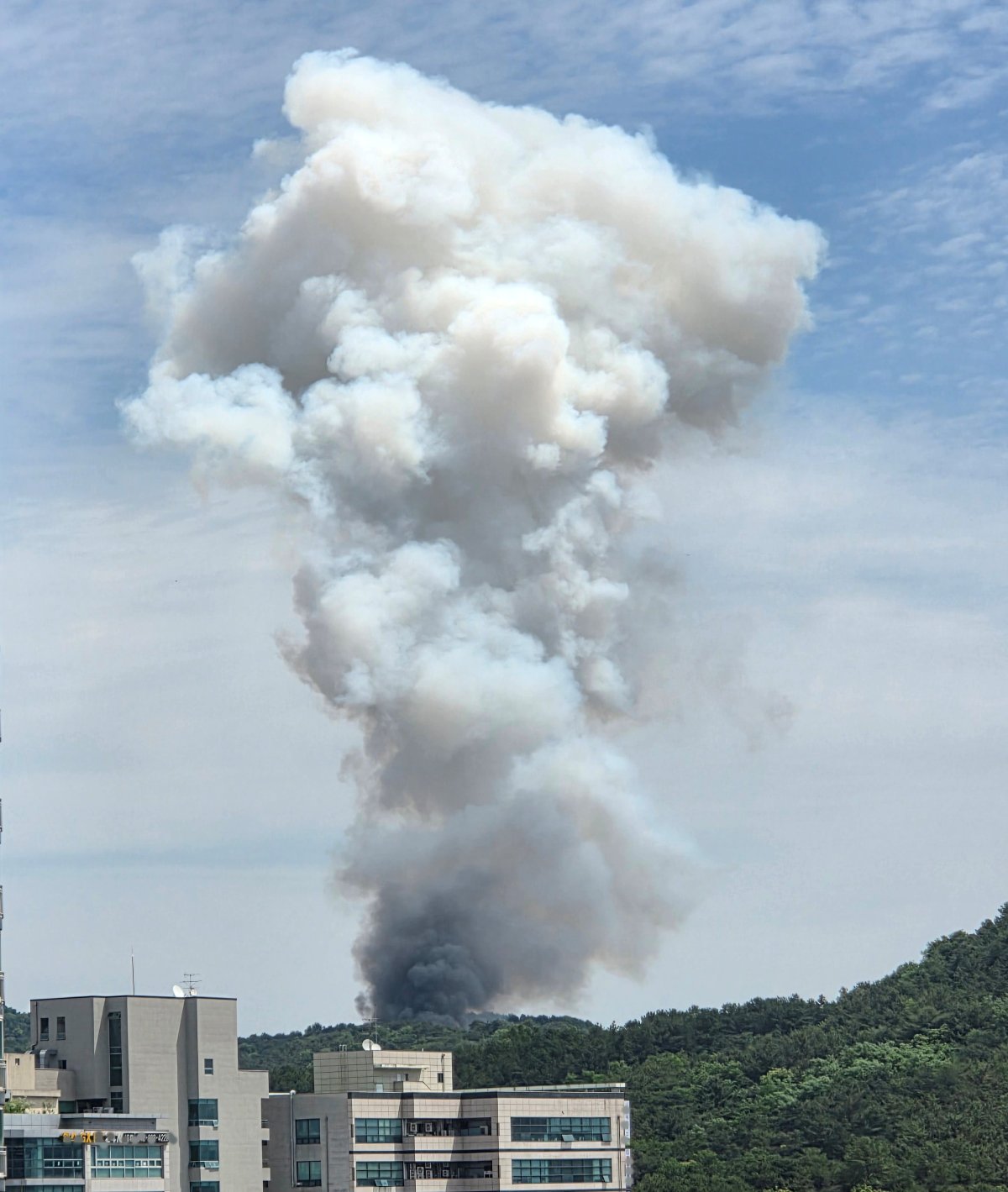
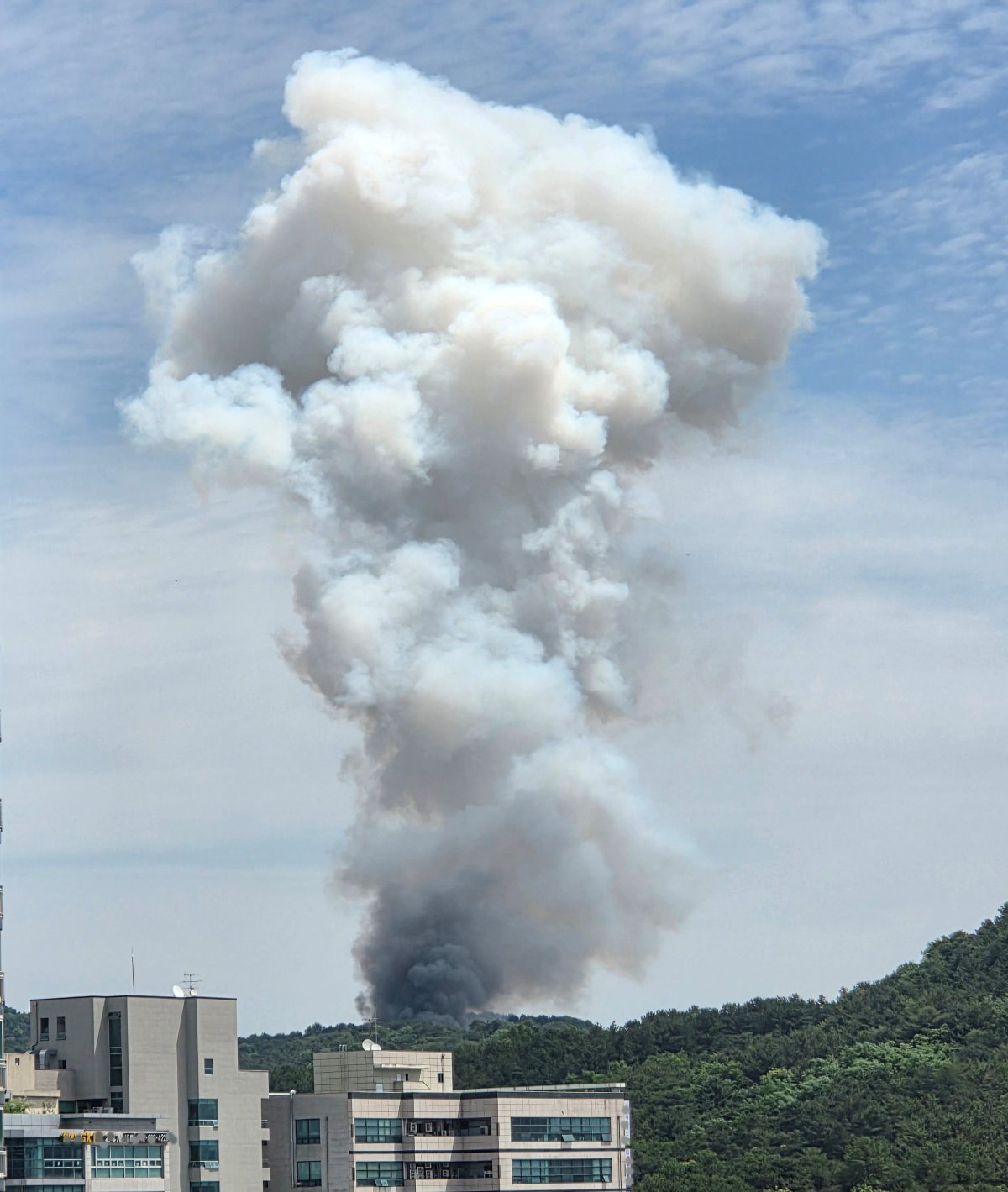
Seoul, South Korea – June 1, 2026 — At approximately 10:59 a.m. on June 1, fire authorities received an emergency report of an explosion inside a laboratory at Hanwha Aerospace's Daejeon plant in Oesam-dong, Yuseong District, approximately 140 kilometers south of Seoul. Firefighters mobilized roughly 100 personnel under a Level 1 response declared at 11:17 a.m., bringing the main flames under control by 11:49 a.m. and fully extinguishing the blaze at 1:07 p.m. Five workers were pronounced dead at the scene, while two others sustained injuries — one with full-body burns and another with minor trauma. Authorities have indicated the explosion likely occurred during explosive-related cleaning operations, though the precise cause remains under investigation.
Hanwha Aerospace and the Strategic K-Defense Complex
Hanwha Aerospace stands as South Korea's preeminent defense contractor, specializing in large propulsion engines, tactical missiles, and propellant filling systems. The company manufactures the K9 Thunder self-propelled howitzer, the Chunmoo multiple-launch rocket system, and a range of aircraft engines for both domestic and export markets. The Daejeon plant's specific role in propellant handling and large propulsion system development makes it a critical node in South Korea's defense supply chain.
South Korea's defense export volumes have surged dramatically since 2022, with landmark contracts signed with Poland for K9 howitzers and Chunmoo systems, as well as deals with Australia, the United Arab Emirates, and several other nations. The Korea Development Institute (KDI) and the Korea Institute for International Economic Policy (KIEP) have both noted that the K-defense sector's success depends on reliable output from a small number of highly specialized production facilities, of which the Daejeon complex is among the most important. Any sustained disruption at this plant could therefore ripple across multiple international delivery schedules.
A Troubling Pattern: Recurring Industrial Accidents
Monday's explosion is not an isolated event. In May 2018, a similar blast at the same Hanwha Aerospace Daejeon facility killed two workers on-site, with three additional fatalities later occurring in hospital. In February 2019, another explosion in a propellant-forming room at the plant claimed three more lives. These recurrent incidents raise fundamental questions about whether safety protocols at the facility have been adequately updated or enforced.
The Republic of Korea's Ministry of Employment and Labor has previously conducted investigations into Hanwha's workplace safety practices. However, the pattern of fatal explosions at roughly two-to-three-year intervals suggests that past corrective measures may not have been sufficient to address the underlying risks associated with propellant handling and explosive chemical work. Academic analyses of chaebol-managed industrial facilities have pointed to structural pressures — including production targets, cost optimization, and complex supply chains — that can strain occupational safety margins.
Consequences for Export Commitments and Defense Readiness
Any production slowdown at the Daejeon plant could affect Hanwha's contractual obligations to international buyers. Poland, one of South Korea's largest defense customers, is awaiting deliveries of K9 howitzers and Chunmoo systems under a framework agreement signed in 2022 that has been repeatedly expanded. Australian and Middle Eastern contracts also rely on components manufactured at this facility.
Beyond exports, the plant's output is essential for domestic military readiness. The Republic of Korea Armed Forces depend on steady supplies of artillery systems, rocket launchers, and propulsion components for their own force modernization programs. The Ministry of National Defense (MND) has emphasized in recent defense white papers that self-sufficiency in ammunition and equipment production is a strategic imperative, particularly given the rapid pace of North Korean military advancements and the security environment on the Korean Peninsula.
Corporate Response and Government Oversight
Hanwha Group issued a formal public apology following the incident. Hanwha Aerospace CEO Son Jae-il visited the funeral hall established for the victims, and the group chairman ordered the formation of a crisis task force to investigate and prevent future occurrences. The company stated that it would "thoroughly determine the cause of the accident to ensure such a devastating incident never happens again."
The Ministry of Employment and Labor, along with local police and fire authorities, has initiated parallel investigations. However, no revised regulatory framework or enforcement timeline for new safety measures has been announced as of this writing. Analysts at the Asan Institute for Policy Studies have suggested that meaningful improvement will require verifiable third-party audits, enhanced worker training, and potentially the adoption of international best practices from comparable defense manufacturing jurisdictions such as the United States and Europe.
Strategic Implications for Northeast Asian Security
The Daejeon explosion comes at a moment of heightened strategic flux in Northeast Asia. South Korea is deepening defense-industrial cooperation with the United States, Japan, and NATO member states, even as it navigates complex relationships with China and Russia. Questions about workplace safety at a flagship defense plant now intersect with broader discussions about supply-chain resilience, technology security, and alliance burden-sharing.
If production shortfalls materialize, Seoul may face pressure to accelerate diversification of propellant manufacturing capacity or to increase reliance on allied sources. The Ministry of Trade, Industry and Energy (MOTIE) has been exploring measures to strengthen the defense industrial base, including incentives for facility upgrades and safety investments. The path forward will require balancing export ambitions, domestic readiness requirements, and the fundamental obligation to protect workers in critical defense industries.
Looking Ahead
The investigation into the June 1 explosion will unfold over the coming weeks, with the National Forensic Service expected to conduct detailed analysis of the scene. Lawmakers in the National Assembly have signaled they will review the adequacy of industrial safety regulations at defense facilities. Meanwhile, Hanwha Aerospace must demonstrate that this tragedy leads to substantive, verifiable improvements rather than the temporary task forces that followed previous incidents.
For South Korea's defense establishment, the incident serves as a sobering reminder that the country's emergence as a major arms exporter rests on industrial foundations that require constant vigilance. The safety of the workers who build Korea's weapons systems is not merely a labor issue — it is a strategic imperative.
By Prof. David Park, Staff Writer
This article was produced with AI-assisted research and editorial support. Reporting is based on sources cited in the article.
What's Your Reaction?
 Like
0
Like
0
 Dislike
0
Dislike
0
 Love
0
Love
0
 Funny
0
Funny
0
 Wow
0
Wow
0
 Sad
0
Sad
0
 Angry
0
Angry
0

East Asia/Technology Correspondent at Global1.News. Seoul-based voice covering Korean politics, technology, business, and culture. Analyzes how technology and geopolitics intersect across East Asia.












Comments (0)