
Sheinbaum Defends Sovereignty in Mexico City Speech
Sheinbaum Defends Sovereignty in Mexico City Speech On May 31, 2026, President Claudia Sheinbaum spoke to 130,000 supporters gathered at the Monument to the Revolution in Mexico City. She stated that Mexico "is not anyone's pinata" and identified two specific U.S. actions as unacceptable violations of sovereignty. The first involved alleged CIA participation in a drug raid in C
Sheinbaum Defends Sovereignty in Mexico City Speech
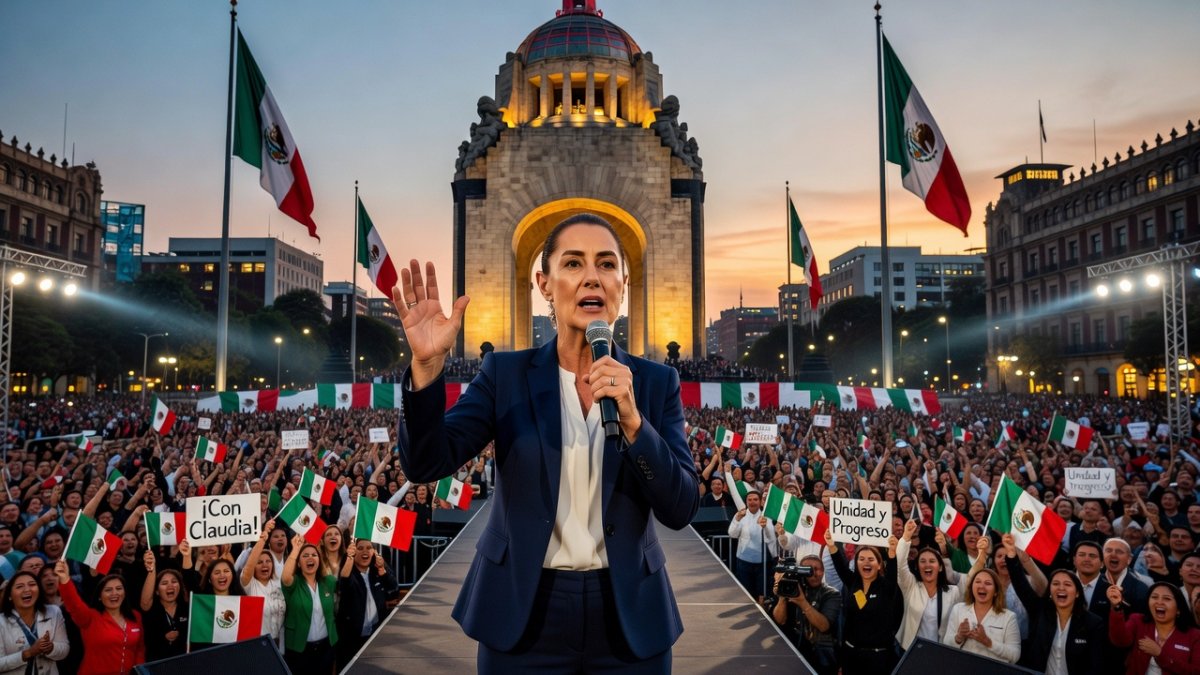
On May 31, 2026, President Claudia Sheinbaum spoke to 130,000 supporters gathered at the Monument to the Revolution in Mexico City. She stated that Mexico "is not anyone's pinata" and identified two specific U.S. actions as unacceptable violations of sovereignty.
The first involved alleged CIA participation in a drug raid in Chihuahua conducted without federal authorization. The second concerned a Justice Department extradition request targeting Sinaloa Governor Ruben Rocha Moya and nine other officials, filed without publicly presenting evidence. These actions, Sheinbaum argued, cross a line that previous administrations had maintained for decades.
Ambassador Johnson Responds on Social Media
The following day, U.S. Ambassador Ronald Johnson posted on social media that the fight against cartels "should unite us, not divide us." Sheinbaum addressed the comment during Tuesday's mananera, noting that ambassadors are expected to remain outside a host country's internal affairs and pointing out that Mexican diplomats do not comment on U.S. domestic politics.
Residents in border colonias near Chihuahua described the exchange as another layer of pressure on daily routines already shaped by security operations and cross-border commerce. For families whose livelihoods depend on the smooth flow of goods and people across the northern border, these political tensions carry tangible consequences.
AMLO Issues Statement from Palenque Ranch
Days later, former President Andres Manuel Lopez Obrador released his first major statement since leaving office in 2024. The five-page document, issued from his ranch in Palenque and titled "My unconditional support for President Claudia Sheinbaum Pardo and a Respectful Reflection on President Donald Trump," accused U.S. officials of running an "interventionist" campaign against Morena ahead of Mexico's 2027 elections.
Lopez Obrador argued that the Trump of today differs from the one he dealt with during his own term — less personally engaged and more susceptible, in his view, to advisers steering toward what he called "vile and sinister adventures." His closing appeal urged "the other Trump" to return. Sheinbaum thanked him for his "unconditional support" at Thursday's mananera.
Farmers in ejidos across southern states said the statement reinforced their sense that national leadership remains focused on protecting local decision-making from external influence, even as international pressure mounts.
Additional Investigations Target Morena Governors
The Department of Justice is also examining two more Morena-affiliated governors: Sonora's Alfonso Durazo for alleged organized crime ties and Tamaulipas' Americo Villarreal Anaya for suspected fuel smuggling. Both men reportedly have had their U.S. visas revoked. Sheinbaum acknowledged the reports at her mananera but said the governors must answer for themselves, questioning the motive behind making visa cancellations public.
Small business owners near the Sonora border reported continued uncertainty over how these inquiries might affect trade and local employment tied to cross-border supply chains. Maquiladora workers in Ciudad Juarez and Nogales described a climate of careful watchfulness.
CNTE Sets Up Encampment as World Cup Nears
That same week, the CNTE teachers' union established a protest encampment in Mexico City's historic center — near where tens of thousands of World Cup fans are expected to gather on match days. Teachers, many from Oaxaca, linked their demands to broader questions of how federal resources will be allocated between security priorities and public services in the months ahead.
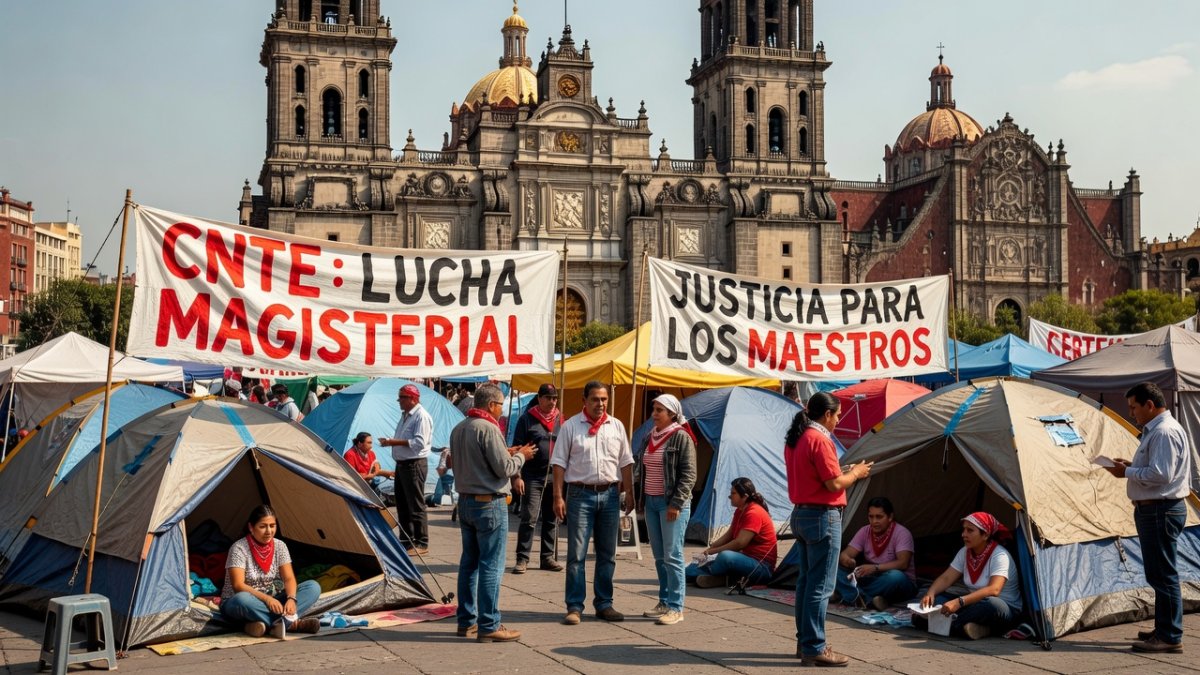
Local tianguis vendors and street food sellers near the encampment expressed mixed feelings — hoping for the economic boost the World Cup will bring while recognizing the legitimacy of teachers' concerns about working conditions and educational funding in rural communities.
What This Means for Ordinary Mexican Families
Families in northern colonias described how sovereignty disputes filter into everyday decisions about travel, remittances, and local commerce. Maquiladora workers noted that any shift in bilateral cooperation can influence shift schedules and overtime opportunities. When political tensions rise, border wait times often increase, affecting everyone from truck drivers to families visiting relatives on the other side.
In rural areas, ejido members expressed concern that political friction could affect agricultural exports and access to cross-border markets that sustain many households. Remittances — a lifeline for millions of Mexican families — also hang in the balance when bilateral relations grow strained.
What to Watch For
With the World Cup approaching, communities near host venues are weighing the economic benefits of increased visitors against the possibility of heightened security measures. Mexico City faces the dual challenge of hosting an international sporting event while managing political protests and diplomatic tensions simultaneously.
The coming weeks will test whether the Sheinbaum administration can maintain its sovereignty stance without disrupting the cooperation needed for a successful World Cup. For the families in colonias and ejidos who form the backbone of Mexican society, the hope is that political leaders on both sides of the border find a way back to practical cooperation — because ordinary people cannot afford the consequences of a broken relationship.
Tags: Claudia Sheinbaum, Mexican sovereignty, US Mexico relations, Morena party, AMLO, World Cup 2026, CNTE protest, Sinaloa governor, Chihuahua, Ronald Johnson
By Rosa Martinez, Staff Writer
This article was produced with AI-assisted research and editorial support. Reporting is based on sources cited in the article.
What's Your Reaction?
 Like
0
Like
0
 Dislike
0
Dislike
0
 Love
0
Love
0
 Funny
0
Funny
0
 Wow
0
Wow
0
 Sad
0
Sad
0
 Angry
0
Angry
0
Latin America/Andes Correspondent at Global1.News. Based in Bogota, covering politics, environment, energy, and social movements across the Andean region. Passionate about environmental journalism and communities protecting their land.









Comments (0)