
Ninth Night of US Strikes on Iran Escalates as Tehran Targets Allies and Chokes the Strait of Hormuz
US forces hit Iran for the ninth straight night starting July 19 2026, targeting command and missile sites while Iran struck Kuwait, Bahrain, and Jordan, killing one US service member. Oil topped $90 a barrel amid Strait of Hormuz threats. Over 11,000 targets struck since February 2026. Diplomacy signals persist despite the escalating confrontation.
Strikes Target Key Iranian Sites
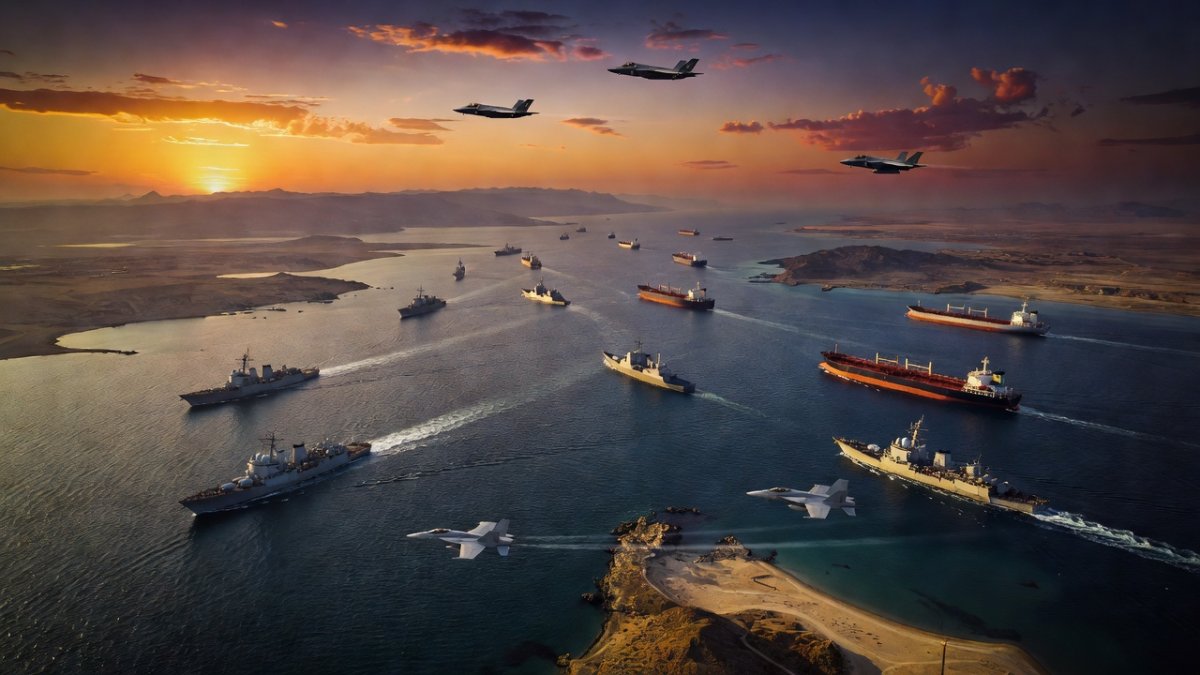
US Central Command confirmed operations began at 7 p.m. ET on July 19, 2026, focusing on command centers, missile facilities, and maritime infrastructure tied to threats in the Strait of Hormuz. Explosions rocked Tabriz in the northwest and Khormoj in the southwest as part of the ongoing campaign.
These strikes mark the latest in a series that has now exceeded 11,000 targets hit since the war opened on February 28, 2026. Officials described the actions as necessary to neutralize immediate dangers rather than broad regime change.
One US strike hit the Bounji desalination plant in Jask county, cutting water to roughly 20 villages and affecting about 10,000 residents. Iran's Energy Minister Abbas Aliabadi called the move a war crime.
Retaliation Reaches US Partners
Iran responded by launching drones and missiles at Kuwait and Bahrain, where air raid sirens sounded and intercepts were reported. Jordan's Al-Azraq base also came under attack.
A US service member died in northern Iraq from an Iranian strike, with the IRGC claiming responsibility. This marks the first confirmed American fatality tied directly to the current round of exchanges.
IRGC statements warned against any US ground invasion, signaling that Tehran views such a move as a red line even as aerial operations continue.
Strait of Hormuz Becomes Flashpoint
Iran vowed that not a single drop of oil or gas would pass through the Strait of Hormuz, repeating earlier actions that blocked four tankers. Secretary of State Marco Rubio accused Tehran of using the waterway as leverage against the world.
The standoff has already pushed oil prices past $90 per barrel, raising immediate concerns for global energy supplies. Maritime traffic faces heightened risks as both sides maneuver around the narrow passage.
Analysts note that sustained closure threats could disrupt 20 percent of global oil trade, a reality that explains the rapid market reaction without needing further speculation.
Human and Infrastructure Toll Mounts
Beyond military targets, civilian infrastructure has suffered, including the desalination facility that left thousands without reliable water. Such strikes highlight how quickly conflict spills into daily life for ordinary Iranians.
Reports from multiple locations confirm ongoing explosions and disruptions, though exact casualty figures remain limited in official releases. The pattern shows precision claims do not always prevent broader effects.
Iran's leadership under Supreme Leader Mojtaba Khamenei has framed these losses as justification for continued resistance rather than negotiation.
Diplomatic Channels Stay Open
Despite the barrage, Iran claims talks with the US continue through mediators. The New York Times reported signals from both sides that diplomacy has not been fully abandoned.
These back-channel efforts stand in contrast to the public military posturing, suggesting neither side has ruled out an off-ramp even after nine nights of strikes.
History shows such parallel tracks often persist until one side calculates the costs have grown too high to sustain.
Oil Prices Reflect Immediate Risks
The surge past $90 a barrel captures market fears over any prolonged Hormuz disruption. Traders are pricing in worst-case scenarios without waiting for confirmation of full closure.
Previous tanker blockades by Iran demonstrated the leverage available, and current statements indicate willingness to repeat that tactic if pressure mounts.
Global economies already strained by energy volatility now face another layer of uncertainty tied directly to this narrow waterway.
Conflict Roots Trace to February
The war began February 28, 2026, after US-Israeli strikes killed several Iranian officials, including former Supreme Leader Ali Khamenei. Mojtaba Khamenei now leads amid the intensified fighting.
Over 11,000 targets struck since then reflect a sustained air campaign rather than a short punitive operation. This timeline undercuts any narrative of quick resolution.
Both sides have shown capacity for escalation while leaving limited space for de-escalation through third parties.
Broader Implications for Stability
Regional allies absorbing Iranian retaliation face their own security calculations, with intercepts in Kuwait and Bahrain revealing active defense needs. Jordan's involvement adds another layer to the widening footprint.
The combination of maritime threats and direct strikes on US-linked sites raises the chance of further miscalculation on either side. Facts on the ground, not rhetoric, will determine the next moves.
Global attention now centers on whether oil markets or diplomatic signals shift first as the ninth night of strikes concludes.
By Jessica Ali, Staff WriterThis article was produced with AI-assisted research and editorial support. Reporting is based on sources cited in the article.
What's Your Reaction?
 Like
0
Like
0
 Dislike
0
Dislike
0
 Love
0
Love
0
 Funny
0
Funny
0
 Wow
0
Wow
0
 Sad
0
Sad
0
 Angry
0
Angry
0

Editor-in-Chief at Global1.News. Atlanta-based journalist who cuts through the BS and tells it like it is. Lead anchor, host, and the voice you hear when the spin stops and the truth starts.













Comments (0)