
Fox News' Dominion Settlement Exposed the Rot in Election Denialism
Fox News' Dominion Settlement Exposed the Rot in Election Denialism The Lawsuit's Roots in Post-Election Chaos The Dominion Voting Systems defamation suit against Fox News stemmed directly from the network's relentless promotion of false claims that the 2020 presidential election had been stolen through rigged voting machines. Dominion filed the complaint in March 2021, seeking
The Lawsuit's Roots in Post-Election Chaos
The Dominion Voting Systems defamation suit against Fox News stemmed directly from the network's relentless promotion of false claims that the 2020 presidential election had been stolen through rigged voting machines. Dominion filed the complaint in March 2021, seeking $1.6 billion in damages after Fox hosts and guests repeatedly aired allegations of fraud without evidence. Those broadcasts followed the November 2020 vote and continued into early 2021, despite clear certification of results by state officials and courts.
Fox's coverage amplified statements from figures like Sidney Powell and Rudy Giuliani, who asserted that Dominion's systems flipped votes from Donald Trump to Joe Biden. Internal records later showed that network executives and on-air talent privately rejected these assertions even as they aired them. The lawsuit highlighted how this pattern of reporting damaged Dominion's business and reputation across multiple states.
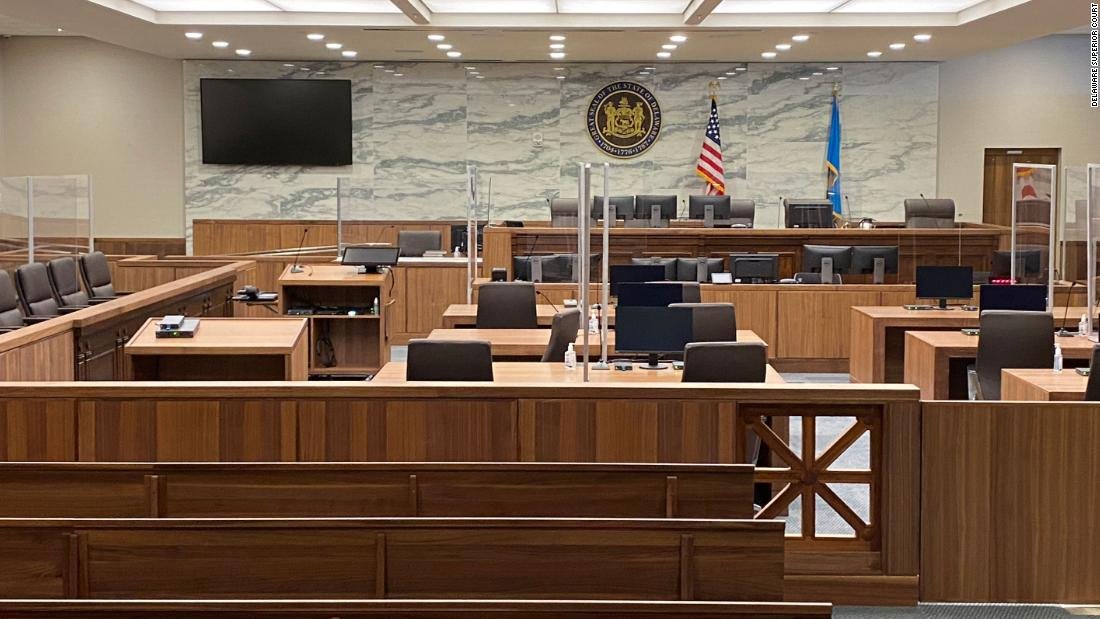
Delaware Superior Court Judge Eric Davis oversaw the case from the outset, and his rulings steadily narrowed Fox's defenses. By the time pre-trial motions concluded, the evidence had already painted a picture of deliberate choices to prioritize audience retention over verified facts. This foundation set the stage for the intense discovery phase that followed.
Discovery Reveals Private Doubts at the Highest Levels
Months of pre-trial discovery produced thousands of internal Fox communications that contradicted the network's public stance. Emails and text messages from executives including CEO Suzanne Scott and owner Rupert Murdoch demonstrated repeated skepticism toward the election fraud narrative. Murdoch, for instance, described some claims as "really crazy" in messages sent shortly after the election, yet the network continued to platform them.
Host Tucker Carlson exchanged texts with colleagues expressing frustration over the lack of evidence, at one point calling certain allegations "insane" while still preparing segments that entertained them. Sean Hannity similarly voiced private reservations in communications with producers, even as his program featured guests promoting Dominion-related conspiracies. These exchanges emerged as central exhibits in the case.
The contrast between private skepticism and on-air promotion formed the core of Dominion's argument for actual malice. Court filings showed that Fox leadership understood the claims lacked substantiation but feared alienating viewers by correcting the record. This evidence shifted the legal dynamics well before any jury convened.
Jury Selection Begins Amid Growing Judicial Frustration
Jury selection started on April 13, 2023, in Wilmington, Delaware, with 300 potential jurors summoned to the courthouse. The process unfolded under tight security and intense media scrutiny, signaling that the case was on the verge of a full trial. Judge Davis had already displayed impatience with Fox's legal team during pre-trial hearings, repeatedly questioning delays and incomplete disclosures.
The timing placed enormous pressure on Fox to resolve the matter before opening arguments. Dominion's attorneys had prepared detailed presentations linking specific broadcasts to measurable harm for the company. Potential jurors would have heard extensive testimony about how Fox's coverage influenced public perception and business outcomes.
By this stage, the discovery record had already undermined many of Fox's affirmative defenses. The judge's evident dissatisfaction with the pace of document production further signaled that the trial would expose additional uncomfortable details. Settlement discussions intensified in the days immediately following jury selection.
The Settlement Announcement and Its Scale
Fox News reached a settlement with Dominion on April 18, 2023, agreeing to pay $787.5 million just before opening arguments were scheduled to begin. The agreement represented one of the largest defamation settlements in United States history and avoided a public trial that would have featured live testimony from Murdoch, Scott, Carlson, and Hannity.
The payment amount fell short of the $1.6 billion Dominion had sought but still delivered a substantial financial consequence. No admission of liability accompanied the settlement, yet the timing and size spoke volumes about the strength of the evidence uncovered during discovery. Fox issued a brief statement acknowledging the resolution without further elaboration on its editorial decisions.
Observers noted that the settlement spared Fox the spectacle of its internal communications being read aloud in open court. The company avoided additional reputational damage that could have arisen from cross-examination of its top executives and hosts. Dominion, meanwhile, secured significant compensation without the uncertainty of a jury verdict.
Media Accountability in the Wake of the Deal
The Dominion settlement underscored the financial risks that accompany the broadcast of demonstrably false claims about election infrastructure. News organizations now face heightened scrutiny when they amplify unverified allegations from political figures, particularly when internal communications reveal doubts about those claims. The case established a precedent for how discovery can expose the gap between private knowledge and public presentation.
Corporate media outlets have since adjusted internal review processes to mitigate similar exposure. Legal teams now emphasize documentation of sourcing and fact-checking before segments air, especially on politically charged topics. The $787.5 million figure serves as a concrete reminder that reputational defenses can carry enormous costs when evidence of actual malice surfaces.
Accountability extends beyond the immediate parties. Advertisers and cable providers gained leverage to demand clearer standards from networks that traffic in contested narratives. The settlement reinforced that defamation liability remains a viable check even for large media enterprises with substantial resources.
Effects on Future Election Coverage Practices
Election coverage has shifted noticeably since the settlement, with networks applying stricter thresholds for airing fraud allegations. Producers now require multiple corroborating sources before featuring claims about voting technology, and on-air talent receive more explicit guidance about repeating unverified assertions. This caution reflects lessons drawn directly from the Dominion discovery record.
Political guests who previously received unchallenged airtime now encounter more frequent pushback or disclaimers. The case illustrated how repeated amplification of false statements can trigger substantial liability, prompting editors to weigh audience expectations against legal exposure. Coverage of subsequent elections has featured fewer speculative segments about machine tampering.
Local news outlets and digital platforms have also absorbed the message. Many have implemented additional layers of editorial oversight when reporting on election administration. The settlement's ripple effects continue to shape how journalists balance speed, sensationalism, and verification in high-stakes political stories.
Long-Term Implications for Journalistic Standards
The Dominion case highlighted the tension between commercial incentives and factual reporting within partisan media ecosystems. Networks that prioritize viewer loyalty over accuracy risk both legal consequences and erosion of public trust. The settlement demonstrated that internal communications can become decisive evidence when they contradict on-air content.
Journalism schools and professional organizations have incorporated the case into ethics curricula, using the Fox communications as examples of how private skepticism undermines credibility. Reporters and editors now confront clearer warnings about the consequences of platforming conspiracy theories without rigorous vetting. The financial scale of the resolution reinforces those lessons.
Ultimately, the outcome serves as a cautionary benchmark for the entire industry. Media entities that traffic in election-related falsehoods do so at their peril, particularly when discovery can reveal the distance between what they knew and what they broadcast. The Dominion settlement marked a tangible shift in the cost-benefit calculation surrounding such coverage.
By Jessica Ali, Staff WriterThis article was produced with AI-assisted research and editorial support. Reporting is based on sources cited in the article.
What's Your Reaction?
 Like
0
Like
0
 Dislike
0
Dislike
0
 Love
0
Love
0
 Funny
0
Funny
0
 Wow
0
Wow
0
 Sad
0
Sad
0
 Angry
0
Angry
0

Editor-in-Chief at Global1.News. Atlanta-based journalist who cuts through the BS and tells it like it is. Lead anchor, host, and the voice you hear when the spin stops and the truth starts.














Comments (0)