
Festival International Nuits d'Afrique Marks 40 Years of African Music and Culture in Montreal
Festival International Nuits d'Afrique, one of North America's largest celebrations of African and world music, marks its 40th anniversary this July in Montreal with a lineup that brings together Grammy-winning Malian vocalist Oumou Sangaré, Ivorian reggae icon Tiken Jah Fakoly, and hundreds of artists from across Africa and the diaspora in what organisers are calling the most
Festival International Nuits d'Afrique, one of North America's largest celebrations of African and world music, marks its 40th anniversary this July in Montreal with a lineup that brings together Grammy-winning Malian vocalist Oumou Sangaré, Ivorian reggae icon Tiken Jah Fakoly, and hundreds of artists from across Africa and the diaspora in what organisers are calling the most ambitious programme in the festival's history.
Festival International Nuits d'Afrique Marks 40 Years of African Music and Culture in Montreal
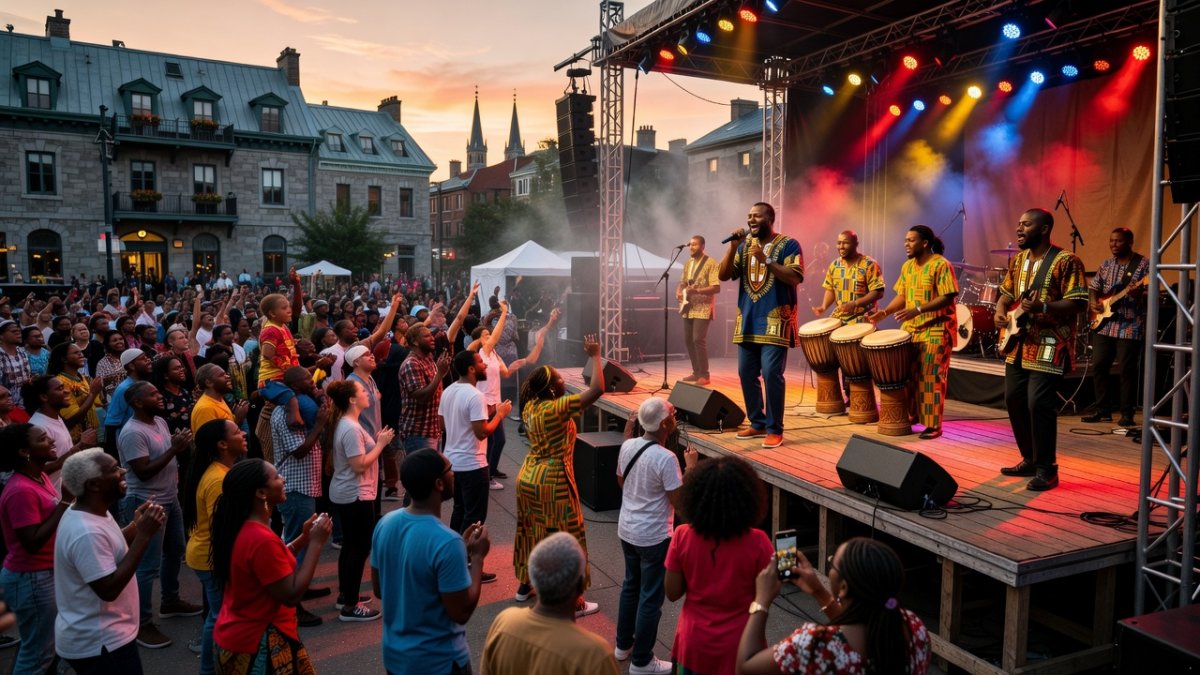
Dakar, Senegal — The festival, running from July 7 to 19, 2026, will transform multiple venues across Montreal, Quebec, Canada, including the open-air Place des Festivals on Sainte-Catherine Street, into a vibrant hub of African rhythms and stories. General manager Suzan oversees the 40th edition preparations that promise more than 700 artists from 30 countries. This milestone edition stands as one of the oldest and most respected African music festivals outside the continent.
The event arrives at a moment when African music commands global stages with growing confidence. From the mbalax beats of Senegal to the soukous grooves of Congo and the highlife sounds of Ghana, Nuits d'Afrique has long served as a gateway for Canadian audiences. Its 40th year expands that reach with free outdoor activities scheduled from July 14 to 19, 2026.
Four Decades of Cultural Bridge-Building
Festival International Nuits d'Afrique began 40 years ago when Lamine Touré and a group of community organisers in Montreal decided African cultural expression needed a dedicated platform in the city. What started as a modest gathering in community halls has grown into North America's largest world music event of its kind, drawing crowds that rival the scale of the Montreal International Jazz Festival and Just for Laughs.
Over four decades the festival has featured every major African genre that reached international ears. Senegalese mbalax, Congolese soukous, Ghanaian highlife, and Malian Wassoulou have all taken the stage, giving Montreal listeners direct access to the continent's living musical traditions. Artists from Dakar, Bamako, Lagos, and Accra have performed alongside Caribbean and Latin American acts, creating a true crossroads of sound.
The festival's role in cultural diplomacy cannot be overstated. It has welcomed African musicians at times when visas and funding made international travel difficult, offering them a reliable North American stage. Canadian audiences, in turn, have encountered the depth of African creativity beyond headlines, building lasting appreciation that extends into classrooms, radio playlists, and personal collections.
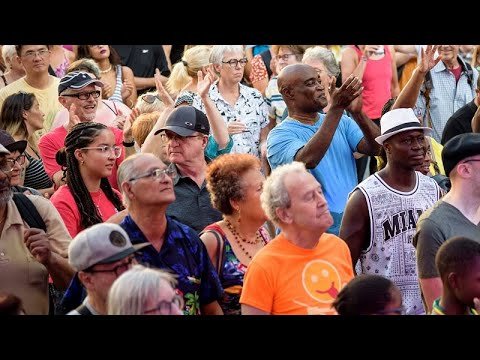
For members of the African diaspora in Montreal, Nuits d'Afrique functions as an annual homecoming. Second- and third-generation Canadians reconnect with rhythms their parents danced to in Dakar or Abidjan. The event allows them to share those sounds with friends born in Quebec, turning personal heritage into shared public celebration.
Its evolution mirrors the broader acceptance of African music in Canada. Once considered a niche event, the festival now sits comfortably among Montreal's major summer institutions. This positioning brings practical benefits, including better funding, larger venues, and media coverage that reaches far beyond the city's African communities.
The diaspora connection remains central. Many artists who perform at Nuits d'Afrique maintain family ties across the Atlantic. Their presence reminds audiences that African music is not a distant export but a living conversation between the continent and its children abroad.
A Lineup Worthy of Four Decades
The 40th edition centres on two towering figures. Oumou Sangaré, the Grammy-winning Malian vocalist born in Bamako in 1968, headlines with her powerful Wassoulou style. Her debut album Moussolou, released in 1989, became a landmark in African women's music and opened doors for countless artists who followed.
Tiken Jah Fakoly brings his politically charged reggae from Côte d'Ivoire. His lyrics have addressed corruption, war, and social injustice for more than three decades, making him one of the continent's most respected voices. His appearance alongside Oumou Sangaré signals the festival's commitment to both celebration and substance.
Additional confirmed acts include Melodji, Admiral T from Guadeloupe, TJF, and the Montreal-based Algerian-Canadian group Labess. Labess blends Gnawa and Chaabi traditions with rock, blues, and folk, reflecting the city's own multicultural soundscape. Together these artists represent more than 700 performers from over 30 countries.
Organisers describe Oumou Sangaré's performance as exceptional. Her music, built on the kamale ngoni and other traditional instruments of the Wassoulou region, continues to address women's rights and social justice. Her presence at the anniversary edition links the festival's founding spirit with its current global stature.
The full programme spans indoor concerts, outdoor stages, and late-night sessions. Ticket demand for the headliners is expected to be intense, while the free outdoor portion from July 14 to 19 will remain open to everyone.
This lineup demonstrates how far African music has travelled. Artists once invited as cultural ambassadors now return as established international names, their careers shaped in part by stages like Nuits d'Afrique.
More Than Music: A Cultural Marketplace
Beyond the concerts, the Tombouctou Market fills downtown Montreal with African artisans selling textiles, jewellery, and crafts. Visitors can purchase kente cloth from Ghana, bogolan from Mali, and wax prints from Senegal while listening to live music drifting from nearby stages.
Open-air dance workshops teach traditional and contemporary African dance forms to Montreal residents of all backgrounds. Instructors from Dakar and Abidjan lead sessions that range from sabar rhythms to modern Afrobeats choreography, turning public squares into temporary dance floors.
The Nuits d'Afrique Cabaret offers intimate evening performances in smaller venues, allowing audiences closer contact with emerging artists. Meanwhile, the Children's Village provides family-friendly activities that introduce younger generations to African instruments, stories, and games.
These elements transform Place des Festivals and surrounding streets into a two-week celebration of African culture. Local businesses report increased revenue from the influx of visitors, many of whom extend their stay to explore the rest of Montreal's summer festival season.
The economic impact reaches beyond ticket sales. Tour operators, hotels, restaurants, and transport services all benefit from the annual gathering, creating seasonal employment and strengthening Montreal's reputation as a destination for world music tourism.
The Diaspora Connection: Why Montreal?
Montreal's large Haitian, North African, and West African communities give Nuits d'Afrique a natural audience and participant base. These populations have shaped the city's cultural life for generations, making the festival feel like an extension of home rather than an imported event.
Quebec's francophone identity creates a direct linguistic and cultural bridge with Francophone Africa. Artists from Senegal, Mali, Côte d'Ivoire, and Cameroon find familiar ground in Montreal that they do not always encounter in other North American cities. This connection has helped the festival attract top talent year after year.
Peter Gabriel publicly saluted the festival's 40th anniversary, recognising its contribution to global music exchange. His endorsement highlights how Nuits d'Afrique has earned respect far beyond its original community roots.
For second-generation African Canadians, the festival serves as a space for identity affirmation. Young people born in Montreal can see their heritage celebrated on major stages, strengthening pride and encouraging artistic participation in their own right.
Festivals like this also counter persistent negative narratives about Africa. By showcasing the continent's creative vitality through music, dance, and visual arts, Nuits d'Afrique presents a fuller picture that resonates with both diaspora communities and the wider Canadian public.
Oumou Sangaré: A Voice for the Continent
Oumou Sangaré was born in Bamako, Mali, in 1968 and rose to international fame with her 1989 debut album Moussolou. The record addressed the lives of women with unprecedented directness and became a touchstone for African female artists worldwide.
Her Wassoulou style draws on the musical traditions of southern Mali, featuring the kamale ngoni and call-and-response vocals rooted in village ceremonies. Over the years she has added subtle modern production while keeping the core sound intact, allowing new listeners to connect with ancient forms.
As a UNICEF Goodwill Ambassador, Oumou Sangaré has used her platform to advocate for girls' education and against early marriage. Her music carries these messages across borders, reaching African women in villages and diaspora communities alike.
Her performance at the 40th anniversary edition carries special weight. It connects the festival's founding commitment to African women's voices with the present moment, when female artists from the continent are finally receiving long-overdue recognition on global stages.
Organisers note that her presence will inspire younger performers on the bill. Many emerging artists cite Moussolou as the album that first showed them African women could lead major musical conversations.
What This Means for Africa's Cultural Economy
When African artists headline festivals like Nuits d'Afrique, the economic ripple effects extend back to the continent. Exposure at such events often leads to international tours, recording contracts, and collaborations that sustain careers and support teams of musicians, managers, and technicians at home.
The growth of Africa's creative economy is visible in multiple genres. Afrobeats from Nigeria and Ghana now dominate global charts, while Amapiano from South Africa spreads through dance floors worldwide. Festivals such as AfroNation draw tens of thousands of fans, proving demand for African-led events.
Nuits d'Afrique contributes to this momentum by providing a reliable platform outside the continent. Artists who perform there gain credibility that helps them secure bookings at other major festivals, including the Gnaoua World Music Festival in Essaouira and Mawazine in Rabat.
The shift from curiosity to headliner status matters. African artists no longer appear as exotic additions but as central attractions whose music drives ticket sales and media attention. This change creates sustainable income streams for professionals across the value chain.
Platforms such as africanews play a vital role by covering these stories for continental audiences. Their coverage ensures that listeners in Dakar, Nairobi, and Johannesburg can follow the success of artists who represent them abroad.
What to Watch For
As July 2026 approaches, the full daily schedule and stage assignments will be released. Early indications suggest multiple simultaneous performances across indoor and outdoor venues, requiring careful planning for attendees who want to catch specific artists.
Ticket availability for Oumou Sangaré's headline show is expected to generate high demand. The free outdoor portion from July 14 to 19 at Place des Festivals will remain accessible to all, preserving the festival's tradition of community inclusion.
The 40th edition sets a benchmark at a time when African and diaspora music continues its global ascent. Similar events in Essaouira and Rabat demonstrate that the model of large-scale African music festivals is thriving on both sides of the Atlantic.
Looking ahead, Nuits d'Afrique's success points toward greater integration of African creative industries into international cultural tourism. The festival's ability to draw diverse crowds while maintaining artistic integrity offers a template for future events across the continent and beyond.
By Amara Diop, Staff Writer
This article was produced with AI-assisted research and editorial support. Reporting is based on sources cited in the article.
What's Your Reaction?
 Like
0
Like
0
 Dislike
0
Dislike
0
 Love
0
Love
0
 Funny
0
Funny
0
 Wow
0
Wow
0
 Sad
0
Sad
0
 Angry
0
Angry
0

West Africa/Sahel Correspondent at Global1.News. Dakar-based journalist covering politics, security, climate, and development across Francophone and Anglophone West Africa. Tells the stories of a region undergoing profound transformation.













Comments (0)