
Marcos Proposes P350K Tax Exemption, Amnesty for Middle Class in Fifth SONA
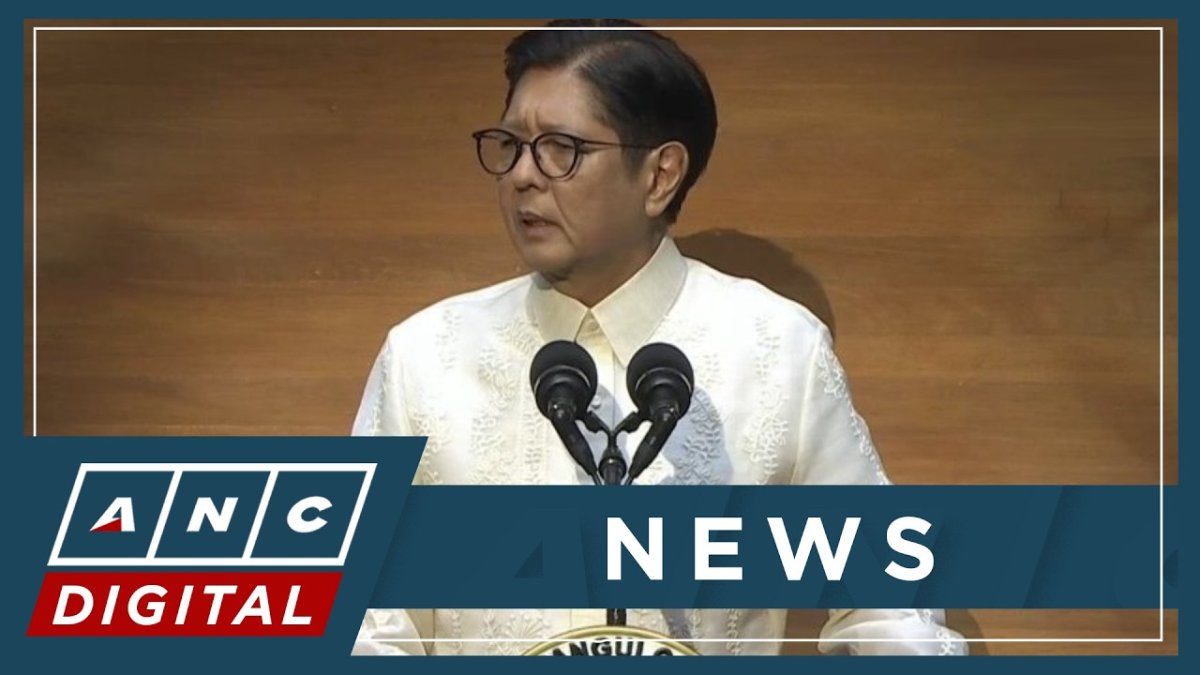
President Ferdinand Marcos Jr. called on Congress to raise the income tax exemption ceiling to P350,000, exempt small businesses from minimum corporate tax, and grant tax amnesty in his fifth State of the Nation Address at the Batasang Pambansa.
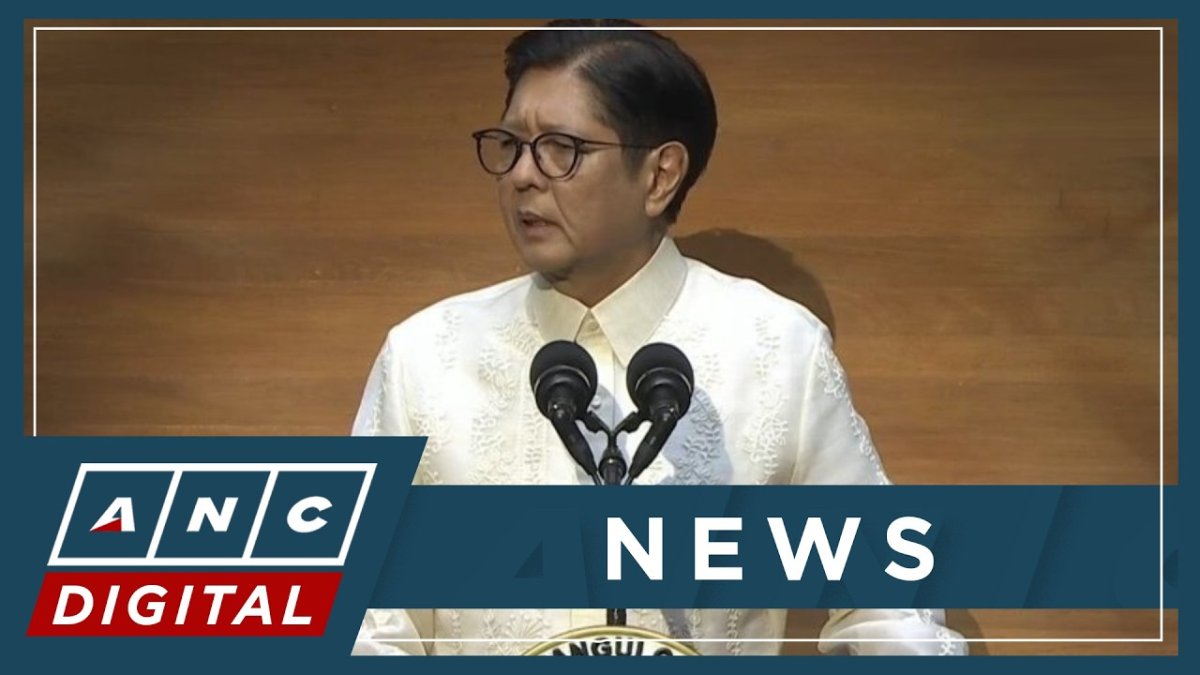
In a recent ANC 24/7 report on Marcos pushing Congress to pass bills for tax cut, exemption, amnesty for middle class during SONA 2026, President Ferdinand Marcos Jr. stood at the Batasang Pambansa Complex in Quezon City and laid out direct relief for workers and small businesses. He tied the proposals to the ongoing Middle East fuel crisis that has raised costs for jeepney drivers and sari-sari store owners across Manila and Cebu. The address came as his fifth State of the Nation Address, placing the measures at the center of the final stretch of his term.
Marcos Pushes Tax Cuts for Middle Class in Fifth SONA
Manila, Philippines — President Ferdinand Marcos Jr. delivered his fifth State of the Nation Address at the Batasang Pambansa Complex in Quezon City this week and called on Congress to raise the income tax exemption threshold from P250,000 to P350,000 under the current RA 10963 TRAIN Law. The change would free additional middle-class workers from paying income tax on their annual earnings. Marcos also urged lawmakers to exempt small businesses from the minimum corporate income tax and to create a broad tax amnesty covering unpaid income tax, estate tax, donor's tax, and value-added tax plus penalties.
The P350K Tax Exemption Proposal
Marcos told the joint session that the government must expand the number of workers who pay no income tax. He stated, "Dagdagan natin ang mga manggagawang malilibre sa buwis sa kanilang kita. Isasama na natin ang mga kumikita nang hindi lalagpas sa P350,000 kada taon." The current RA 10963 TRAIN Law sets the exemption at P250,000, so the proposed increase would directly benefit families in Quezon City, Davao, and Baguio who earn between those two amounts. Lawmakers in both the House and Senate must now draft and pass the necessary amendment before the end of the current session.
Under the current RA 10963 TRAIN Law, the income tax exemption threshold stands at P250,000 per year, but President Marcos is calling for it to rise to P350,000 so that more workers keep every peso they earn. This expansion would directly shield families in Quezon City, Davao, and Baguio who fall between those two figures, freeing them from withholding tax and giving them breathing room amid rising transportation and food costs. The change requires Congress to pass an amendment before the session ends, with the House Committee on Ways and Means and the Senate Committee on Finance taking the lead on drafting the bill.
Marcos framed the move as essential protection for hardworking Filipinos. He said, "Kaya bilang natatanging proteksyon sa kanila at para mas mapakinabangan nila ang pinaghirapan nilang kita, nananawagan ako sa Kongreso upang maipasa ang batas na magbibigay ng bahagyang ginhawa para sa ating bayaring buwis." Lawmakers must now coordinate with the Department of Budget and Management to balance revenue goals while delivering this visible relief before the next election cycle.
Relief for Small Businesses
The President also proposed removing the minimum corporate income tax for small enterprises. Under the CREATE Act the MCIT currently stands at 2 percent of gross income. Many sari-sari store owners and micro-enterprises in barangays from Cebu to Cagayan de Oro have struggled to meet this floor during periods of high fuel prices. Removing the MCIT would allow these businesses to retain more revenue for inventory and family needs rather than sending it to the Bureau of Internal Revenue.
The CREATE Act currently imposes a 2 percent minimum corporate income tax on gross income, a burden that hits micro-enterprises hard when fuel prices spike. Removing this floor for small businesses would let sari-sari store owners and micro-enterprises in barangays from Cebu to Cagayan de Oro keep more revenue for inventory and family needs instead of remitting it to the Bureau of Internal Revenue. MSMEs employ over 60 percent of the Philippine workforce, making this relief a direct boost to the backbone of local economies.
Many of these enterprises struggled to meet the MCIT during the pandemic and the ongoing Middle East fuel crisis that has driven up costs nationwide. By easing this requirement, the proposal allows tricycle operators and small eatery owners to reinvest savings into better equipment and daily operations. Analysts have noted that such measures feel "malapit sa sikmura," addressing the bread-and-butter pressures families feel most acutely.
Tax Amnesty Program
Marcos further asked Congress to enact a tax amnesty covering unpaid income tax, estate tax, donor's tax, and VAT along with all associated penalties. The program would give taxpayers a one-time opportunity to settle obligations without additional charges. Families who inherited property or small business owners who fell behind during the pandemic could clear their records and move forward without fear of accumulating interest. The Department of Finance would administer the program once Congress passes the enabling law.
Marcos asked Congress to enact a one-time tax amnesty covering unpaid income tax, estate tax, donor's tax, and value-added tax along with all associated penalties. The program would give families who inherited property or small business owners who fell behind during the pandemic a chance to settle obligations without extra charges and move forward with clean records. The Department of Finance would administer the initiative once the enabling law passes.
This broad amnesty recognizes that many households accumulated obligations amid high inflation and the lingering effects of the global economic challenges. By clearing these burdens, the measure helps families in every region rebuild without fear of accumulating interest. It forms part of the administration's push for equity while supporting socio-economic sustainability in the final stretch of the term.
Impact on Ordinary Filipinos
These measures would reach millions of middle-class workers, OFWs sending remittances, and small business owners who form the backbone of local economies. A teacher in Quezon City earning P320,000 a year would keep the full amount instead of losing a portion to withholding tax. A tricycle operator in Davao whose family runs a small eatery would avoid the MCIT bite and could reinvest savings into better equipment. The proposals recognize that fuel price spikes from the Middle East crisis have already strained household budgets in every region.
A teacher in Quezon City earning P320,000 a year would keep the full amount instead of losing a portion to withholding tax, while a tricycle operator in Davao whose family runs a small eatery could reinvest savings into better equipment. Jeepney drivers and OFW families sending remittances would also feel the difference as fuel price spikes from the Middle East crisis ease their household budgets. These measures reach millions of middle-class workers and small business owners who form the backbone of local economies from Manila to the provinces.
Analysts have praised the package as "malapat sa sikmura," policies that address what Filipinos feel directly in their daily lives. By raising the tax-free threshold, easing the corporate minimum for small firms, and offering a clean slate through amnesty, the administration aims to put more money back into households in every barangay. Advocates from labor groups and small business associations have already signaled support and plan to monitor the bills closely at the Batasang Pambansa.
Political and Economic Context
Marcos acknowledged the burden the Middle East fuel crisis has placed on Filipino workers and the middle class. He said the government would pursue tax relief measures that promote growth, generate revenue, and advance equity. With the term entering its final stretch, the proposals also serve as a legislative priority list for allies in Congress and the Senate. Passage would require coordination with the Department of Budget and Management to ensure revenue targets remain intact while delivering visible relief before the next election cycle.
Delivered as Marcos' fifth State of the Nation Address, the proposals arrive as his term enters its final stretch, turning the tax relief package into a clear legislative priority list for allies in Congress. The President acknowledged the Middle East fuel crisis that has raised transportation costs and food prices across the Philippines, tying the measures to the need for growth, revenue generation, and equity. He stated, "Alam natin na sila rin ay nabibigatan sa epekto ng krisis... So, to ensure the continued progress of the middle class amidst the lingering effects of the crisis, we will pursue tax relief measures that promote growth, generate revenue, and advance equity toward socio-economic sustainability."
These steps build on previous tax reforms like the TRAIN Law while responding to today's high inflation and challenging global environment. Passage would require tight coordination between the House and Senate committees to keep revenue targets intact while delivering relief before the next election cycle. The timing underscores a focus on community needs as the administration works to sustain progress for ordinary Filipinos.
What Happens Next
Congress must now take up the three measures in committee hearings and floor votes. The House Committee on Ways and Means and the Senate Committee on Finance will lead the technical work. If approved before the session ends, the higher exemption threshold, MCIT relief, and tax amnesty could take effect as early as the next taxable year. Advocates from labor groups and small business associations have already signaled support and plan to monitor the bills at the Batasang Pambansa.
The proposals reflect a direct response to the daily pressures felt by families who keep the Philippine economy moving. By raising the tax-free threshold, easing the corporate minimum for small firms, and offering a clean slate through amnesty, the administration aims to put more money back into households from Manila to the provinces. Lawmakers now hold the responsibility to turn these announcements into law that reaches workers and entrepreneurs in every barangay.
By Bella Reyes, Staff Writer
This article was produced with AI-assisted research and editorial support. Reporting is based on sources cited in the article.
What's Your Reaction?
 Like
0
Like
0
 Dislike
0
Dislike
0
 Love
0
Love
0
 Funny
0
Funny
0
 Wow
0
Wow
0
 Sad
0
Sad
0
 Angry
0
Angry
0

Philippines/Southeast Asia Correspondent at Global1.News. Manila-based journalist covering Philippine politics, environment, maritime security, and social issues. Passionate about marine conservation and the communities protecting the Philippines' natural heritage.













Comments (0)