
Israel Seizes 500 Dunams, Establishes 8 Illegal Outposts in West Bank
Israel seized nearly 500 dunams of Palestinian land in the West Bank and established eight illegal settlement outposts since Friday, deepening territorial fragmentation and intensifying pressure on Palestinian communities under decades of military occupation.
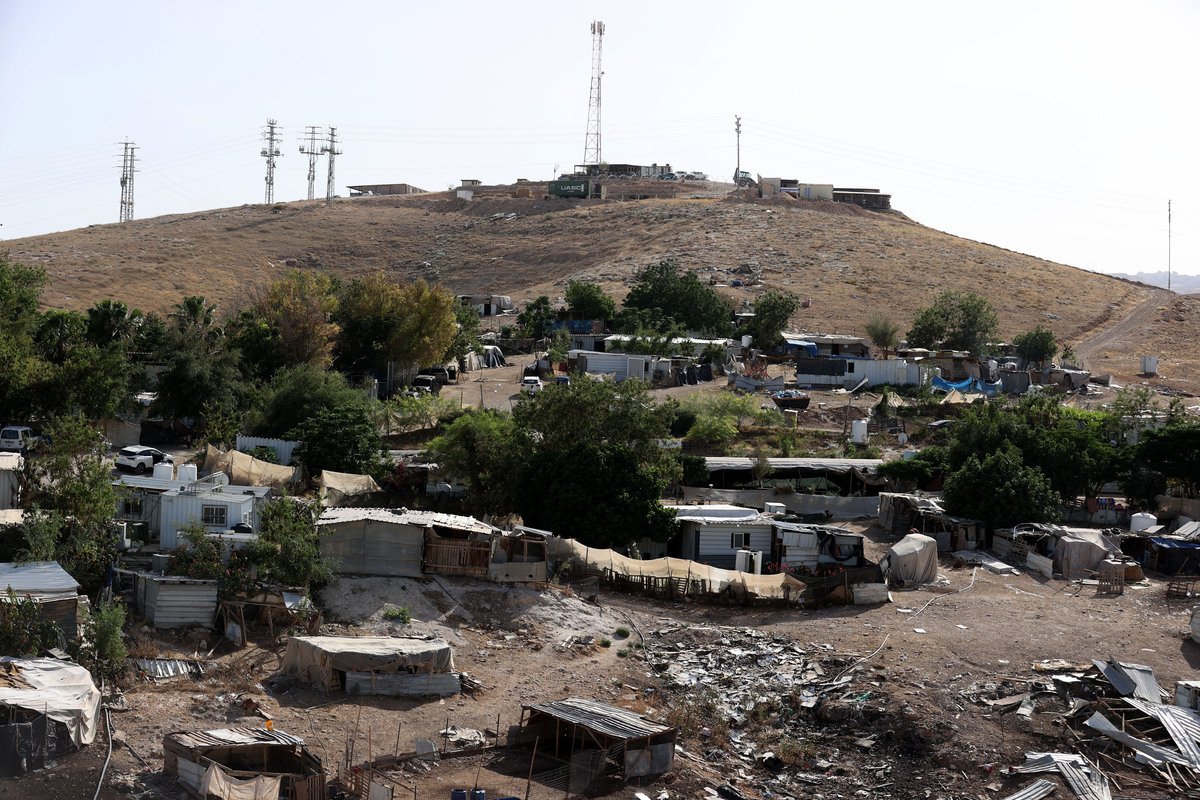
Israel Seizes 500 Dunams, Establishes 8 Illegal Outposts in West Bank
Tubas, West Bank — Israeli authorities have seized nearly 500 dunams (123 acres) of Palestinian land in the northern West Bank and established eight illegal settlement outposts since Friday, deepening the territorial fragmentation of the occupied territory and intensifying pressure on Palestinian communities already bearing the weight of decades of military rule.
Land Seizure Specifics in Tubas Province
The Colonization and Wall Resistance Commission reported that Israeli authorities seized 498 dunams of land in Tubas province and the village of Tayasir. These orders establish a military road approximately 10 kilometers long intended to serve the Israeli army and settlers. The seizure orders remain in effect until the end of 2028 and impose a wide zone of military control over the area. This action directly threatens to deprive Palestinians of access to their land in these locations.
Settlement Outpost Expansion Near Nablus
Israeli settlers have built eight illegal settlement outposts in the northern city of Nablus since the attack on the town of Tell on Friday. Israel's Army Radio stated that over the past 24 hours two additional settlement outposts were established in Nablus near the site of the attack in Tell. One outpost was placed in Area B between the Palestinian village of Deir Istiya and the illegal Emmanuel settlement. The other was set up in Area C west of the village of Deir Ballut. Settlement outposts consist of mobile homes placed on Palestinian land before conversion into permanent settlements often with government backing.
The Attack on the Town of Tell
On Friday Israeli settlers backed by army forces attacked the Palestinian town of Tell near Nablus killing four Palestinians. Two Israelis were also killed in a shooting during the confrontation according to Palestinian and Israeli sources. This incident preceded the rapid establishment of the eight illegal settlement outposts in the surrounding region. The sequence of events illustrates how violence in one location can lead to immediate territorial changes enforced through military presence.
Oslo Accords Context for Area Designations
The 1995 Oslo II agreement defines Area B as falling under Palestinian civil control and Israeli security control, while Area C remains under full Israeli civil and security control. This division directly shapes the recent seizure of 498 dunams in Tubas province and Tayasir, where Israeli authorities established orders lasting until the end of 2028 to construct a 10-kilometer military road serving the army and occupiers. The arrangement permits Israeli forces to enter and repurpose land even where Palestinian civil authority nominally exists, turning the territory into a fragmented space in which security considerations override other designations.
Because Israeli security control extends across Area B, the construction of illegal settlement outposts proceeds without hindrance from Palestinian civil structures. The eight outposts erected in Nablus since the attack on Tell illustrate how this patchwork enables rapid expansion of settler infrastructure. The same security framework that justified the Tubas land seizure also facilitated the movement of settlers backed by army forces, demonstrating that the interim territorial split has hardened into a durable mechanism for controlling movement and land use.
The seizure orders and outpost construction together show that the Oslo II categories no longer function as temporary measures. Instead, they provide ongoing legal cover for military roads and settlement activity that further isolate Palestinian communities. In Tubas and Nablus, the distinction between civil and security control has translated into concrete loss of land and increased presence of outposts, locking the West Bank into a permanent state of divided authority.
International Law Perspective on Settlements
The United Nations considers the West Bank occupied Palestinian territory and states that Israeli settlement activity there is illegal under international law. This assessment applies directly to the eight illegal outposts built in Nablus and to the seizure of 498 dunams in Tubas province and Tayasir for a military road. The orders, valid until the end of 2028, frame the road as a security necessity, yet the outcome is additional land removed from Palestinian use under the same legal umbrella that the UN has already deemed unlawful.
Settlement expansion and the accompanying military infrastructure therefore operate within a framework the UN has classified as illegal. The attack on Tell, which preceded the new outposts, and the subsequent killings of four Palestinians show how security operations and settler activity reinforce each other. The resulting 10-kilometer road and the outposts extend control over territory in ways that align with the UN's determination that such activity violates international law.
By maintaining seizure orders and permitting outpost construction, Israeli authorities continue practices the UN has identified as illegal. The land taken in Tubas and the outposts in Nablus become part of a larger pattern in which security justifications produce permanent changes to the occupied territory, consistent with the UN position that settlement activity remains unlawful regardless of the stated purpose.
Human Impact on Palestinian Communities
The land seizure and outpost construction threaten to cut off Palestinian farmers and residents from fields and grazing areas in Tubas province and Tayasir. Military control zones established by the orders reduce daily mobility and economic activity for families who rely on these lands. In Nablus the rapid placement of eight outposts near Tell adds layers of restriction around villages such as Deir Istiya and Deir Ballut altering patterns of movement and access that have existed for generations. These developments compound pressures on local economies already strained by prolonged conflict.
Since October 2023, Israeli forces and settlers have killed at least 1,182 Palestinians in the West Bank, injured thousands, and detained around 24,000. These figures provide the backdrop for the seizure of 498 dunams in Tubas province and Tayasir and the building of eight illegal outposts in Nablus. Families in these areas face immediate loss of land designated for a military road that will remain in place until the end of 2028, reducing the space available for daily life and livelihood.
The attack on Tell near Nablus, in which settlers backed by army forces killed four Palestinians while two Israelis also died, demonstrates how violence accelerates the same processes of land seizure and outpost construction. Communities experience both the direct toll of casualties and the longer-term restriction created by new military roads and outposts that limit movement across the northern West Bank.
Detentions numbering around 24,000 compound the effects of land loss. With seizure orders extending to 2028 and eight new outposts already established, Palestinian residents confront a sustained reduction in usable territory alongside the ongoing risk of further casualties and arrests. The combination of these elements produces cumulative pressure on communities already navigating the consequences of the 1,182 deaths recorded since October 2023.
Broader West Bank Violence Since October 2023
Since October 2023 Israeli forces and settlers have killed at least 1,182 Palestinians in the West Bank injured thousands and detained around 24,000 according to official Palestinian figures. The recent seizure of 498 dunams and the building of eight outposts form part of this ongoing pattern of territorial and security measures. Palestinian communities across the West Bank experience cumulative effects from repeated land restrictions and confrontations that shape daily life and long-term prospects for stability in the region.
By Fatima Al-Rashid, Staff Writer
This article was produced with AI-assisted research and editorial support. Reporting is based on sources cited in the article.
What's Your Reaction?
 Like
0
Like
0
 Dislike
0
Dislike
0
 Love
0
Love
0
 Funny
0
Funny
0
 Wow
0
Wow
0
 Sad
0
Sad
0
 Angry
0
Angry
0
Gulf/MENA Correspondent at Global1.News. Based in Doha, covering Gulf politics, energy markets, diplomacy, and development across the Middle East and North Africa. Tracks the economic transformation of the Gulf states.














Comments (0)