
Benadryl Challenge 2026: Teen Overdoses Surge 32% Globally
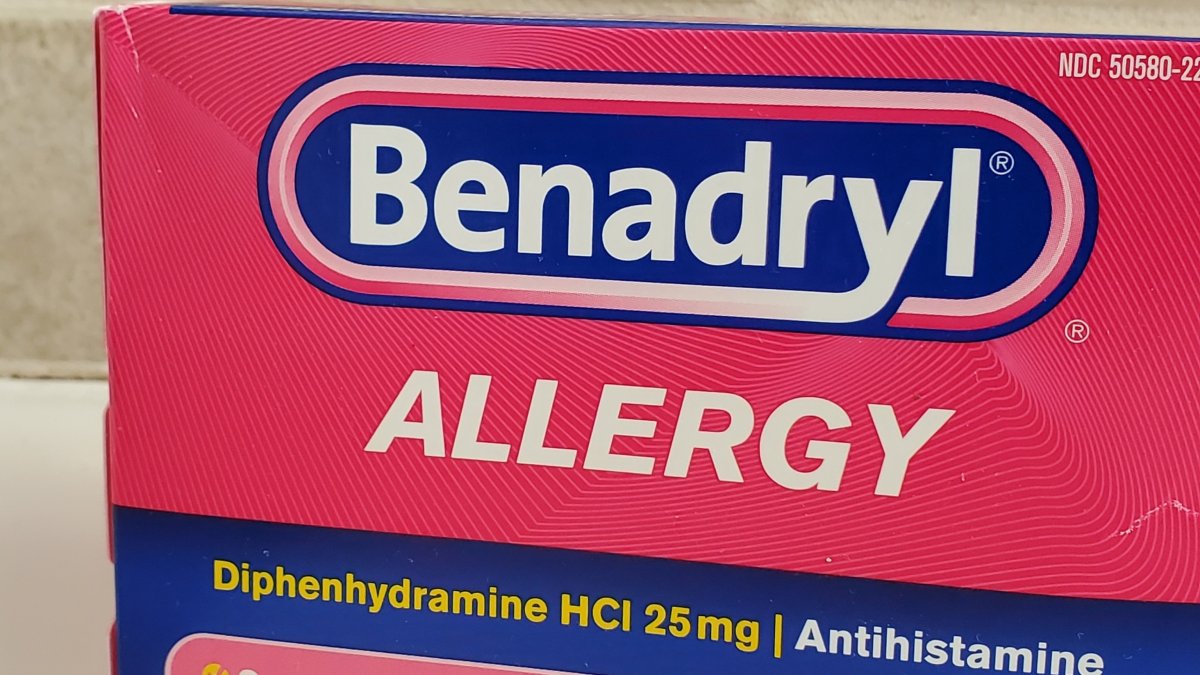
The Return of a Deadly Trend The Benadryl Challenge, a reckless social media phenomenon encouraging teenagers to ingest massive quantities of diphenhydramine to induce hallucinations, has resurfaced with alarming intensity in 2026. Originally flagged by the U.S. Food and Drug Administration in September 2020, the trend involves participants filming themselves consuming up to 10
The Return of a Deadly Trend
The Benadryl Challenge, a reckless social media phenomenon encouraging teenagers to ingest massive quantities of diphenhydramine to induce hallucinations, has resurfaced with alarming intensity in 2026. Originally flagged by the U.S. Food and Drug Administration in September 2020, the trend involves participants filming themselves consuming up to 10 times the recommended dose of the over-the-counter antihistamine in pursuit of a euphoric or dissociative high. What began as isolated videos on TikTok has evolved into a persistent threat, amplified by algorithmic recommendations that push similar content to vulnerable adolescents.
Health authorities initially hoped the 2020 FDA warning would curb the practice, yet recent data reveal a sharp resurgence. The challenge exploits diphenhydramine’s anticholinergic properties, which at high doses can produce delirium resembling psychosis. Parents and clinicians worldwide are once again confronting the deadly consequences of this digital dare.
The Numbers: A 32% Surge in One Year
Poison control data paint a stark picture of escalation. U.S. poison centers received 6,179 calls between January and May 2026 involving diphenhydramine exposures among teenagers aged 13–19—more than double the figure recorded during the same period in 2025. Annual totals rose from 10,068 calls in 2024 to 13,284 in 2025, representing a 31.9% increase. Most disturbingly, 13.2% of teen diphenhydramine cases in 2026 were linked to intentional abuse, up from 7.3% in 2020.
Tragic outcomes have followed. On June 8, 2026, the Connecticut Office of the Child Advocate confirmed that three children in the state died from diphenhydramine overdoses directly tied to the challenge. These fatalities underscore how quickly experimentation can turn lethal when adolescents chase viral fame without understanding pharmacology.
What Happens to the Body at High Doses
Diphenhydramine blocks histamine receptors and, at supratherapeutic levels, crosses the blood-brain barrier to inhibit acetylcholine. This produces the anticholinergic toxidrome: dry mouth, flushed skin, mydriasis, urinary retention, tachycardia, and escalating delirium. Yale School of Medicine pediatric allergist and immunologist Dr. Gary Soffer reports that some adolescents are ingesting doses reaching 10 times the recommended amount, triggering seizures, cardiac arrhythmias, and coma.
A study published in March 2026 in the journal Pediatrics detailed how even moderate overdoses in children can cause prolonged agitation requiring sedation and intensive care. In response, Yale’s pediatric emergency department has switched from diphenhydramine to cetirizine (Zyrtec) for routine allergy management to reduce household availability of the more dangerous agent. These clinical shifts reflect growing recognition that easy access to potent antihistamines carries hidden public-health costs.
The Indian Context: OTC Access and Digital Vulnerability
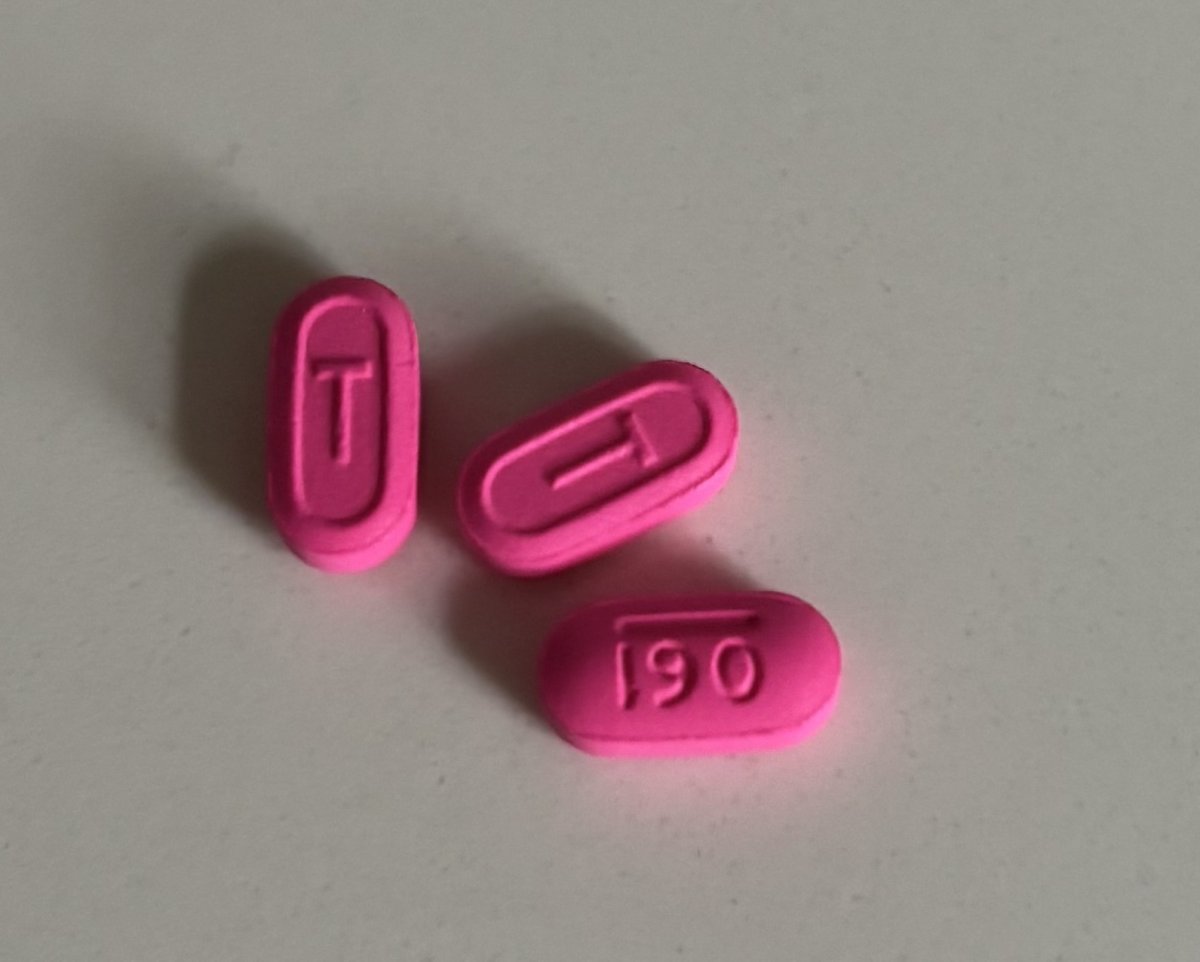
India faces parallel risks because diphenhydramine remains widely available without prescription. Marketed as Benadryl and incorporated into popular cough syrups such as Corex and Benadryl DR, the drug sits on pharmacy shelves across urban and rural districts. The Central Drugs Standard Control Organisation (CDSCO) classifies many antihistamines as Schedule H1 or OTC products, creating regulatory gaps that allow unrestricted adolescent purchases.
Similar challenges have already appeared on Instagram Reels and YouTube Shorts popular among Indian teenagers. India’s network of Poison Information Centres—anchored by AIIMS in Delhi and NIMHANS in Bengaluru—has begun logging rising antihistamine-related enquiries, although systematic national surveillance remains limited. Under Section 328 of the Indian Penal Code, causing hurt by poison carries serious penalties, while the NDPS Act may apply in cases involving bulk diversion. Yet enforcement against social-media-driven misuse is nascent.
NIMHANS adolescent substance-abuse surveys indicate that 12–15% of urban high-school students experiment with readily available pharmaceuticals. Digital literacy gaps among parents compound the problem; many households lack awareness of how quickly a “harmless” allergy tablet can become a vehicle for self-harm when promoted online.
What This Means for India
The Ministry of Health and Family Welfare must accelerate OTC medicine reforms, including mandatory age-verification at point of sale and prominent warning labels on diphenhydramine packaging. Expanding the Poison Information Centre network and integrating real-time reporting with social-media monitoring platforms would enable earlier detection of emerging challenges. Schools and pediatric associations should incorporate digital-media literacy modules that specifically address pharmaceutical misuse trends.
Without proactive steps, India risks replicating the U.S. surge. Regulatory tightening around combination cough syrups, coupled with public-awareness campaigns in regional languages, could blunt the trend before it embeds in youth culture.
The Bottom Line
The re-emergence of the Benadryl Challenge demonstrates how social media can weaponize everyday medicines against adolescents. Verified U.S. data show exponential growth in exposures and fatalities; India’s open OTC environment and expanding digital reach place its youth at comparable risk. Coordinated regulatory action, clinical vigilance, and parental education remain the only effective countermeasures. — By Dr. Raj Patel, Staff Writer
This article was produced with AI-assisted research and editorial support. Reporting is based on sources cited in the article.
What's Your Reaction?
 Like
0
Like
0
 Dislike
0
Dislike
0
 Love
0
Love
0
 Funny
0
Funny
0
 Wow
0
Wow
0
 Sad
0
Sad
0
 Angry
0
Angry
0

India/South Asia Correspondent at Global1.News. Analytical voice with a background in science and health journalism. Based in New Delhi, covering Indian politics, education, healthcare, technology, and policy. Breaks down complex data into clear, actionable reporting.










Comments (0)