
Iran Defies US on War and Peace Amid 2026 Regional Pause
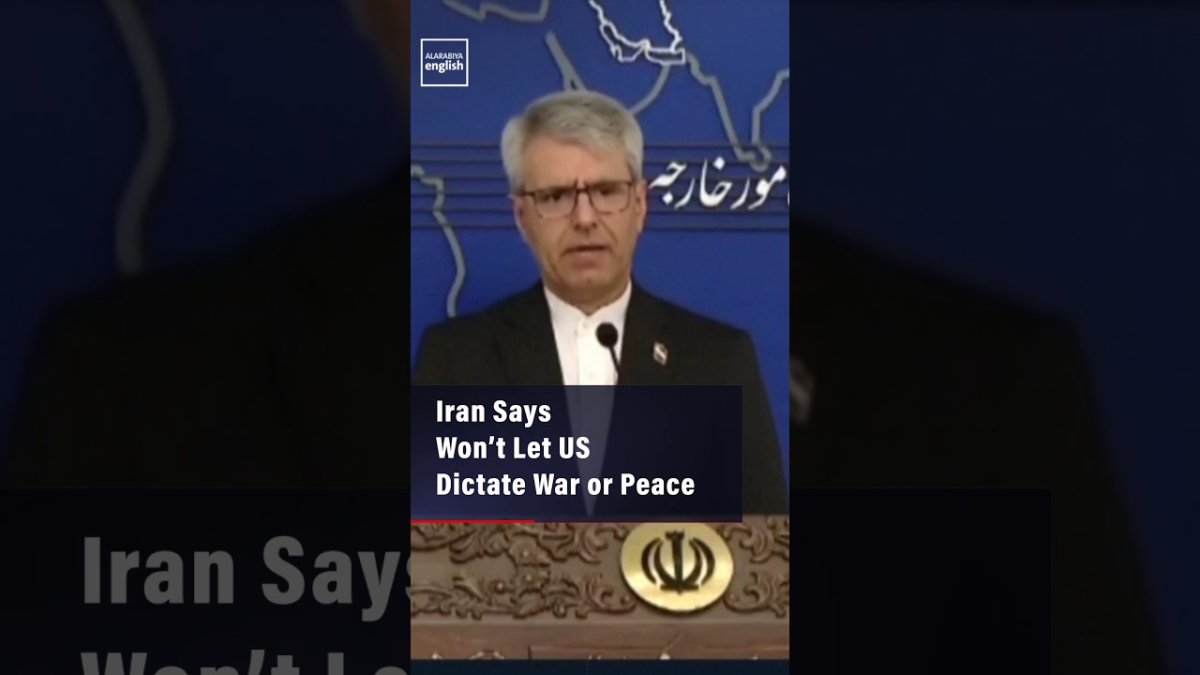
In the shadow of a fragile ceasefire following 13 nights of intense U.S. and Israeli strikes on Iranian targets, Tehran has drawn a firm line against any American-imposed framework for war or peace. Iranian Foreign Ministry spokesman Esmaeil Baghaei’s rejection of external dictation underscores a regime navigating internal fractures and external pressures, with Oman emerging as a quiet broker to keep the Strait of Hormuz open. This pause, while offering a momentary repriev...
In the shadow of a fragile ceasefire following 13 nights of intense U.S. and Israeli strikes on Iranian targets, Tehran has drawn a firm line against any American-imposed framework for war or peace. Iranian Foreign Ministry spokesman Esmaeil Baghaei’s rejection of external dictation underscores a regime navigating internal fractures and external pressures, with Oman emerging as a quiet broker to keep the Strait of Hormuz open. This pause, while offering a momentary reprieve for energy markets, exposes the deep historical animosities and competing strategic interests that continue to define the Gulf.
Iran Stands Firm Against U.S. Pressure as 2026 Conflict Enters Fragile Pause
Tehran, Iran - July 27, 2026 — Iranian officials have categorically rejected any U.S. attempts to dictate the terms of war or peace, even as a temporary operational pause takes hold after nearly two weeks of sustained military exchanges across the region.
Iran's Defiant Position
Esmaeil Baghaei’s statements reflect more than rhetorical posturing; they signal a leadership recalibrating after the reported loss of Supreme Leader Ali Khamenei. Succession dynamics within the Islamic Republic have accelerated internal debates, with hardline factions pushing for continued resistance while pragmatists weigh the costs of prolonged isolation. Domestic political calculations now hinge on maintaining revolutionary legitimacy amid economic strain and public fatigue. The Islamic Revolutionary Guard Corps (IRGC) has consolidated influence during this transition, positioning itself as the ultimate arbiter of national security policy. Its control over asymmetric capabilities, including proxy networks, gives it leverage that elected officials lack. This shift risks entrenching a more militarized decision-making process less responsive to diplomatic overtures. Regional observers note that Iran’s defiance also serves to rally domestic support by framing external pressure as existential aggression, a narrative honed since the 1979 revolution. Analysts highlight how decades of sanctions have forged a resilient yet isolated economy, forcing Tehran to diversify alliances with Russia, China, and non-aligned states.
The Operational Pause's Fragility
Historical precedents warn against over-optimism regarding the current lull. The 1980-1988 Iran-Iraq War featured multiple failed ceasefires that collapsed under renewed shelling, while the 2019 tanker attacks in the Gulf were followed by brief de-escalations that proved illusory. Trump’s military advisors have reportedly cautioned that Iranian reconstitution of air defenses and missile sites could resume within weeks if political will falters. Details of the 13-night bombing campaign reveal a focused effort on command nodes, nuclear-related facilities, and IRGC bases, yet analysts assess that core retaliatory capacity remains intact. The pause appears driven more by logistical exhaustion and international mediation than by decisive strategic victory. Without verifiable confidence-building measures, the risk of miscalculation remains high, particularly if either side tests the other’s red lines through proxy actions. Military experts emphasize that both sides retain significant standoff capabilities, including advanced drones and ballistic missiles, which could reignite hostilities with little warning.
Strait of Hormuz Mediation
Oman’s role as mediator draws on decades of quiet diplomacy, having previously facilitated back-channel talks during the JCPOA negotiations and the release of dual nationals. Its geographic position and neutral posture make it the only Gulf state acceptable to both Tehran and Washington for managing Hormuz access. Approximately 20 million barrels per day transit the strait, representing one-fifth of global oil consumption. Any prolonged closure would spike insurance premiums for tankers to levels last seen in 2019, when war-risk rates exceeded $100,000 per voyage and forced rerouting around the Cape of Good Hope. Muscat’s proposals reportedly include joint monitoring mechanisms and guarantees against mining or harassment of commercial traffic, though Tehran insists these arrangements must not compromise its sovereign claims over the waterway. Shipping analysts warn that even partial disruptions could add weeks to delivery schedules and inflate global freight costs across Asia and Europe.
Houthi Front and Saudi Oil
Houthi forces have demonstrated growing reach through drone and missile strikes on Saudi Aramco infrastructure, exploiting gaps in layered air defenses despite Riyadh’s multi-billion-dollar investments. Their arsenal, supplied and upgraded via Iranian channels, now includes precision-guided munitions capable of overwhelming Patriot systems in coordinated salvos. Saudi Arabia’s Vision 2030 economic diversification plan faces direct jeopardy from sustained energy-sector disruptions, as oil revenue shortfalls threaten funding for tourism, entertainment, and technology megaprojects. Repeated attacks on processing facilities have already forced temporary shutdowns and raised questions about the kingdom’s long-term production reliability. Riyadh has responded with intensified airstrikes on Houthi positions in Yemen while quietly exploring de-escalation tracks, aware that prolonged conflict undermines both security and investor confidence. Regional economists project that sustained instability could delay key infrastructure projects by years and deter foreign direct investment essential to the kingdom’s post-oil ambitions.
Strategic Calculus and Broader Implications
Israel’s calculus centers on preventing Iranian nuclear breakout while managing its own multi-front commitments, yet it remains wary of being drawn into a wider war without clear U.S. backing. Russia and China have issued measured statements supporting de-escalation, with Beijing particularly concerned about energy price volatility affecting its import needs. Gulf Arab states continue hedging, deepening security ties with Washington while maintaining commercial channels with Tehran. This balancing act reflects the recognition that no regional power can afford total alignment in a conflict that could redraw maritime and energy maps. Additional layers of complexity arise from Turkey’s evolving posture and the potential reactivation of dormant proxy networks across Iraq and Syria. International legal experts also note rising calls for renewed diplomatic frameworks to prevent escalation into a full-scale regional war.
Energy Markets and Global Repercussions
Brent crude has fluctuated between $92 and $118 per barrel since the strikes began, with analysts modeling worst-case scenarios exceeding $150 if Hormuz traffic drops below 50 percent. Alternative routes such as the East-West pipeline and expanded Iraqi-Turkish exports offer only partial relief, covering less than 15 percent of displaced volumes. OPEC+ has so far refrained from a formal emergency meeting, though Saudi Arabia and the UAE have signaled willingness to release strategic stocks if prices threaten global recession. The current pause has eased some immediate pressure, yet traders remain positioned for renewed volatility once the mediation window closes. Broader economic modeling suggests that sustained high prices could shave 1-2 percent off global GDP growth in 2027, hitting import-dependent economies in Europe and Asia hardest while accelerating the shift toward renewable energy investments worldwide.
By Malik Hassan, Staff Writer
This article was produced with AI-assisted research and editorial support. Reporting is based on sources cited in the article.
What's Your Reaction?
 Like
0
Like
0
 Dislike
0
Dislike
0
 Love
0
Love
0
 Funny
0
Funny
0
 Wow
0
Wow
0
 Sad
0
Sad
0
 Angry
0
Angry
0
Middle East Correspondent at Global1.News. Based in Beirut, covering politics, conflict, energy, and society across the Middle East. Brings context and depth to a region often reduced to headlines.











Comments (0)