
Mexico Post-World Cup: Tariffs, Security, Trade in Focus
Mexico's third hosting of the FIFA World Cup ended with celebrations that brought communities together from border towns to southern villages. President Claudia Sheinbaum opened the week by urging citizens to carry that sense of shared purpose into the work ahead. Families in colonias and rural areas felt the lift from the tournament, yet they now turn to practical concerns like jobs and safety. Channeling National Unity Into Everyday Challenges President Sheinbaum spoke from

Channeling National Unity Into Everyday Challenges
President Sheinbaum spoke from Palacio Nacional about turning the tournament's energy toward Mexico's real needs. She highlighted how the event reminded people of their strength when facing outside pressures. Communities from maquiladora workers in the north to campesinos in the south watched the matches with pride, yet they know the coming months will test that spirit.
Local leaders in state governments echoed her message, noting that the unity seen in stadiums and plazas can help address ongoing issues. Small business owners in border regions already feel the ripple effects of shifting trade rules. Indigenous groups and migrant worker families continue to seek stable opportunities amid these changes.
The Sheinbaum administration connects this moment to the legacy of previous efforts to strengthen social programs. Many households in urban centers and countryside alike hope the post-tournament focus will bring concrete support for education and health services through IMSS and ISSSTE.
Across Mexican communities, the shared excitement of the World Cup offered a brief respite from daily pressures, allowing families to gather and celebrate together in public spaces and homes. This sense of togetherness often extends to how border communities approach economic uncertainties, where workers in factories and fields draw on collective experiences to navigate changes in trade and employment. Rural families, in particular, find strength in these moments as they balance hopes for stability with the realities of fluctuating opportunities.
Small business owners in various regions report that the post-event period brings renewed attention to local needs, such as reliable access to markets and resources. Mexican families in colonias often discuss how national unity can translate into practical support for education and health, helping younger generations prepare for future challenges. These conversations reflect a cautious optimism that shared purpose might ease some of the strains felt by workers and households alike.
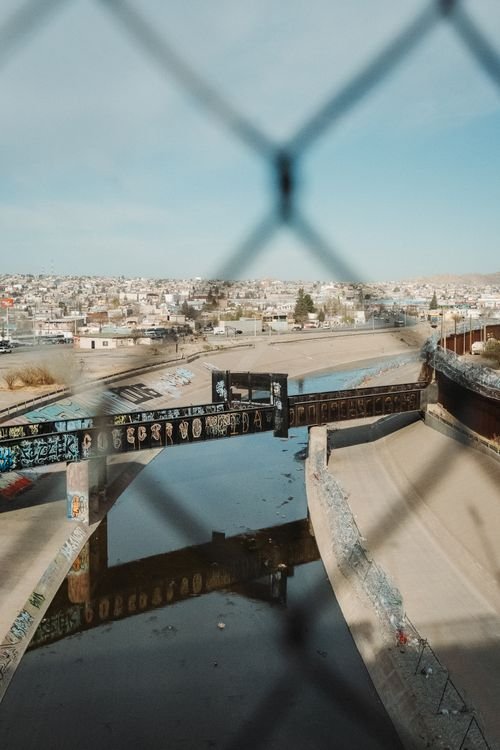
Trade Pressures and the USMCA Annual Review Process
The USMCA's mandatory six-year joint review took place on July 1, 2026. The United States declined to extend the agreement, which now moves into annual review provisions. Mexico continues to advocate for rules that protect regional supply chains in the automotive sector and digital trade.
Washington is pressing Mexico to apply Section 232-style tariffs on Chinese steel and aluminum imports, according to reports citing multiple sources. This step aims to stop transshipment through Mexico. The timing overlaps with new global tariffs of up to 12.5 percent that took effect July 23-24, 2026, after earlier measures faced legal review.
President Trump also imposed 50 percent tariffs on Canada under Section 338 of the Tariff Act of 1930. Mexican officials at the SRE and SEGOB monitor these developments closely because they affect cross-border commerce. Small exporters and factory workers in northern states worry about higher costs that could reach everyday consumers.
Business communities in states tied to PEMEX and CFE supply lines stress the need for steady dialogue. The dispute resolution mechanisms under review could shape how future disagreements are handled. Families dependent on steady trade flows hope negotiators keep regional partnerships strong.
Mexican families in border communities often feel the effects of trade discussions through changes in local job availability and the cost of goods that cross the border regularly. Maquiladora workers, who rely on steady production schedules, watch these developments with concern as they support households that depend on consistent wages. Small business owners in these areas describe how shifts in tariffs might influence their ability to maintain inventory and serve customers.
Indigenous communities and rural families sometimes experience indirect impacts when trade rules affect agricultural exports or related industries. These households value the stability that comes from predictable commerce, as it helps sustain daily life and community ties. Officials indicated that ongoing talks aim to balance these interests with broader economic goals.
Mexico's Economic Resilience and the Peso's Performance
The Mexican peso has held relatively steady against the dollar despite global uncertainty. Banxico maintains disciplined fiscal policy and strong foreign reserves. Families across Mexico notice that imported goods have not risen in price as sharply as some had feared.
Remittances from Mexican workers in the United States continue to represent a vital source of income for millions of households, particularly in states like Michoacán, Guerrero, and Zacatecas. These transfers support local economies, funding small businesses, home improvements, and daily expenses for extended families.
Nearshoring continues to reshape the northern border economy, with new manufacturing projects announced in Nuevo León and Chihuahua. Companies from various sectors have opened facilities in the region's industrial parks, creating jobs for local workers. T-MEC rules of origin, which require a significant percentage of regional content for vehicles, help protect these assembly plants from being undercut by competitors outside North America.
Border communities often see economic resilience reflected in the daily routines of families who balance local work with support from relatives abroad. Mexican workers in maquiladoras contribute to this stability by maintaining production that supports both household needs and regional growth. Small business owners note that steady currency conditions can help keep essential supplies affordable for customers in colonias and towns.
Rural families appreciate how remittances provide a buffer during uncertain times, allowing them to invest in home improvements or education for children. These flows connect distant communities and foster a sense of continuity amid changing trade landscapes. According to sources, such patterns help sustain economic activity in areas where traditional opportunities may vary.
Security Cabinet Reports and Ongoing Cartel Dynamics
Mexico's Security Cabinet reported improvements in public safety metrics compared with prior years. The Guardia Nacional and SEDENA continue operations in key regions across the country.
The internal conflict within the Sinaloa cartel between Los Mayos and Los Chapitos factions still produces localized violence. In February 2026, Mexican military forces killed CJNG leader El Mencho. The US Treasury placed sanctions on the CJNG in a significant enforcement action reported in recent weeks.
US authorities stepped up efforts in July 2026 to locate remaining Chapitos leaders. These developments affect communities near cartel strongholds, where parents and local businesses seek safer streets. The FGR works alongside state authorities to maintain progress in affected areas.
Mexican families in regions touched by security concerns often prioritize creating safe environments for children and daily activities. Border communities and rural households describe how steady progress in public safety can support local businesses and encourage investment in community spaces. Officials indicated that coordinated efforts aim to address these dynamics over time.
Workers and small business owners in affected areas express hope that ongoing operations will lead to more predictable conditions for commerce and family life. Indigenous groups sometimes navigate these challenges by strengthening internal community networks that provide support during periods of uncertainty. According to reports, such resilience helps families maintain focus on education and economic participation.
USMCA Renegotiation: What's at Stake for Mexican Workers
Automotive rules of origin under the USMCA require a substantial portion of vehicle value to come from North America, with a percentage from higher-wage factories. This provision has implications for maquiladoras along the border, where workers have seen increased attention to labor standards under the agreement's enforcement mechanisms.
Labor enforcement provisions include rapid-response panels that can investigate workplace complaints. These tools matter for maquiladora towns where workers previously had limited recourse. Digital trade provisions protect cross-border data flows that support e-commerce platforms used by small exporters across Mexico.
Mexican families connected to maquiladora work often discuss how labor standards influence daily wages and working conditions that support household stability. Border communities benefit when trade rules encourage fair practices, allowing workers to plan for the future with greater confidence. Small business owners in these areas see potential for expanded opportunities through digital provisions that reach broader markets.
Rural families and indigenous communities sometimes gain from provisions that promote regional content, as these can support related industries and local supply chains. According to sources, such elements help protect jobs that sustain extended households across generations. Workers appreciate mechanisms that address concerns in a timely manner, fostering a sense of fairness in the workplace.
Inflation Trends Ease Pressure on Households
INEGI data showed Mexico's annual inflation rate at 3.55 percent in the first half of June 2026. The figure came in below expectations and reduced immediate calls for further rate increases from Banxico. The central bank policy rate currently stands at 6.50 percent.
Lower inflation helps families in colonias manage grocery costs and utility bills. Market vendors and small shop owners notice steadier prices on basic goods. This trend supports the broader goal of protecting purchasing power for working households.
Analysts connect these numbers to the Sheinbaum administration's focus on economic stability. CONEVAL continues to track how inflation changes affect poverty levels across regions. Rural communities and maquiladora workers benefit when costs remain predictable.
Mexican families across various regions often feel relief when prices for everyday items stay manageable, allowing more room in budgets for education or family needs. Border communities and small business owners describe how steadier inflation supports planning for seasonal demands and local commerce. According to sources, these conditions contribute to a sense of economic steadiness that reaches households in both urban and rural settings.
Workers in factories and fields appreciate when costs do not rise sharply, as this helps maintain the purchasing power that supports daily life. Rural families note that predictable prices can ease pressures on extended households that rely on consistent income sources. Officials indicated that continued monitoring aims to sustain these benefits for communities nationwide.
The Road Ahead for Mexico's Communities
These developments point to a complex period ahead for Mexican families across the country. Nearshoring jobs and steady remittances are already helping parents plan for their children's future, creating opportunities for the next generation of skilled workers.
Small businesses in indigenous communities stand to gain from stronger digital trade rules that enable broader market access. President Sheinbaum's strategy of linking social programs with economic stability aims to ensure that the benefits of trade and investment reach communities in all regions.
Border communities often look toward the future with a mix of caution and hope, as families balance new job prospects with the need for secure environments. Mexican workers and small business owners in these areas value dialogue that considers local impacts, helping sustain the economic ties that support daily life. According to reports, such approaches can strengthen resilience across diverse regions.
Rural families and indigenous groups continue to seek ways to participate in broader economic shifts while preserving community traditions. These households find encouragement in efforts that connect stability with opportunity, allowing younger members to build skills for coming years. Officials indicated that inclusive strategies remain central to addressing the varied needs of Mexican communities.
Tags: Mexico World Cup, USMCA review, Sheinbaum administration, steel tariffs, Sinaloa cartel, inflation Mexico, CJNG sanctions, trade relations, Mexican communities, security cabinet
By Rosa Martinez, Staff Writer
This article was produced with AI-assisted research and editorial support. Reporting is based on sources cited in the article.
What's Your Reaction?
 Like
0
Like
0
 Dislike
0
Dislike
0
 Love
0
Love
0
 Funny
0
Funny
0
 Wow
0
Wow
0
 Sad
0
Sad
0
 Angry
0
Angry
0

Latin America/Andes Correspondent at Global1.News. Based in Bogota, covering politics, environment, energy, and social movements across the Andean region. Passionate about environmental journalism and communities protecting their land.














Comments (0)