
Lok Sabha Passes Tougher Exam Integrity Law After NEET Leak
India's Parliament has enacted sweeping new safeguards against examination fraud following the NEET-UG 2026 Biology paper leak, introducing fast-track courts, two-month investigation deadlines and fines up to Rs 10 crore to dismantle organised syndicates that have repeatedly undermined merit-based admissions.
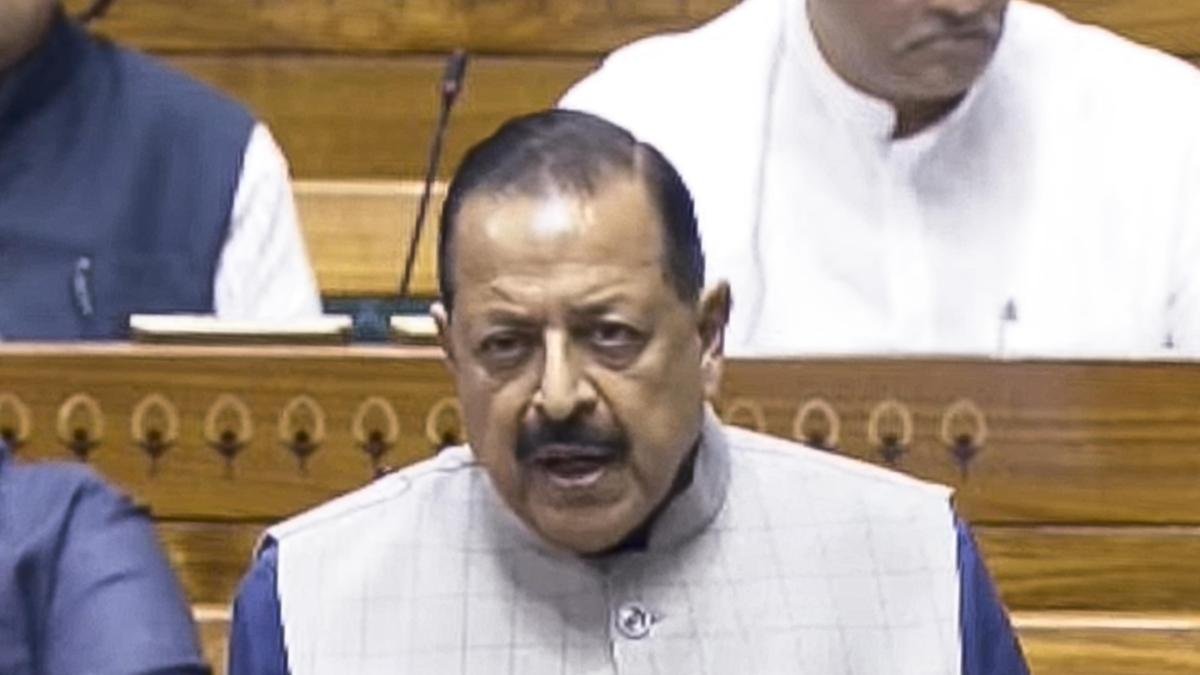
India's Parliament has enacted sweeping new safeguards against examination fraud following the NEET-UG 2026 Biology paper leak, introducing fast-track courts, two-month investigation deadlines and fines up to Rs 10 crore to dismantle organised syndicates that have repeatedly undermined merit-based admissions.
Lok Sabha Passes Tougher Exam Integrity Law After NEET Leak
New Delhi – July 27, 2026 — Union Minister Dr Jitendra Singh tabled the Public Examinations (Prevention of Unfair Means) Amendment Bill, 2026 in the Lok Sabha during the Monsoon Session that began on 20 July, directly addressing the CBI investigation that identified NTA-appointed Chemistry lecturer PV Kulkarni as the kingpin and Pune-based Botany teacher Manisha Gurunath Mandhare as a key accomplice in the Biology paper leak traced to NTA servers.
Background of the NEET-UG 2026 Leak and Prior Delays
The prolonged delays in adjudicating paper leak cases have long eroded public confidence in India's examination system. The 2018 NEET leak in Jharkhand took several years to reach a conclusion, while the 2023 Rajasthan paper leaks and the 2024 Bihar BPSC leaks similarly languished in lower courts without swift resolution. Such extended timelines diluted any deterrent effect, allowing accused individuals to resume operations and emboldening new syndicates. The introduction of fast-track courts with two-month deadlines, as demonstrated by the CBI's handling of the NEET-UG 2026 case, seeks to reverse this pattern through mandated daily hearings, a response to the PDF trail that originated from NTA servers and placed the entire National Testing Agency under CBI scanner.
Fast-Track Courts and Time-Bound Probes
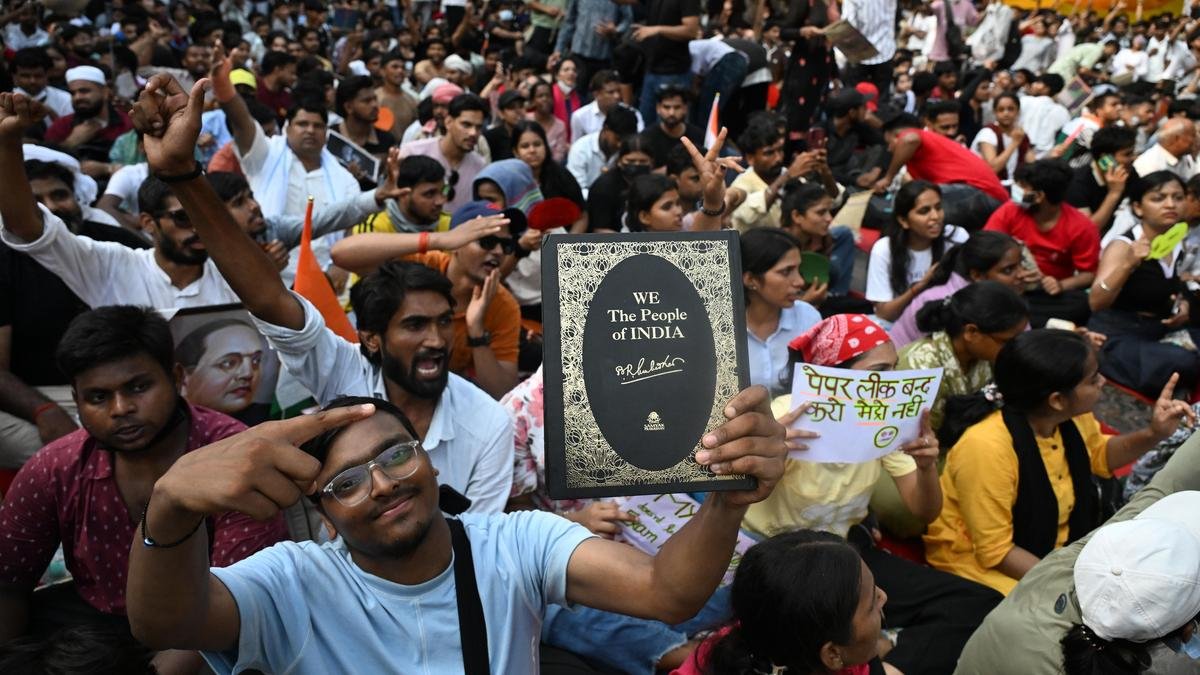
The Bill mandates dedicated fast-track courts for paper-leak cases with daily hearings and requires all investigations to conclude within two months. These provisions aim to eliminate the multi-year delays that have historically allowed accused individuals to evade accountability. In the context of the NEET-UG 2026 controversy, where student protests led by the Confederation of Junior Physicians spread across Delhi, Mumbai and Bengaluru, the timeline promises quicker closure for affected candidates awaiting re-examination or counselling. This mechanism demands significant upgrades to court infrastructure, including dedicated benches and support staff, to prevent backlogs from re-emerging and to ensure that evidence is examined without procedural interruptions.
Enhanced Penalties for Organised Crime Syndicates
Organised paper-leak networks now face a minimum seven-year imprisonment and fines reaching Rs 10 crore. Individual offenders will receive three to five years in jail along with fines up to Rs 10 lakh. The graduated penalty structure under the Bill distinguishes sharply between organised crime and individual malpractice, a marked increase from the 2024 Act's three-to-five-year term and Rs 1 crore ceiling for similar offences. The higher financial penalty reflects the estimated revenue generated by leak networks operating across Rajasthan and Bihar, where large-scale operations reportedly yielded substantial illicit profits. Alignment with existing IPC provisions on organised crime provides legal consistency, while the clear definitional separation prevents minor infractions by individual candidates from attracting the same severity, reflecting data from previous leaks in state examinations in Rajasthan and Bihar where syndicate involvement repeatedly undermined public trust in merit-based selection for medical and engineering seats.
Institutional Reforms, Special Task Force and NTA Scrutiny
A proposed Special Task Force will coordinate investigations across states, while the NTA faces structural scrutiny under the new Union Education Minister Pralhad Joshi. The Bill's emphasis on institutional accountability aligns with the Ministry of Education's broader push to centralise testing through the National Testing Agency, a body created to standardise admissions but now required to implement stricter internal controls following the 2026 breach. These reforms connect directly to the fast-track mechanisms, ensuring that time-bound probes translate into actionable institutional changes rather than remaining isolated punitive steps.
The Special Task Force would operate across state lines by invoking Article 252 of the Constitution to secure voluntary legislative concurrence from states, much as the Central Bureau of Investigation has done since the 1960s in multi-jurisdictional corruption cases. Joint investigation teams would comprise state police, NTA officials and central forensic experts, with powers to requisition digital records and conduct raids without prior state approval once the Union government notifies an offence. This addresses the concurrent nature of education while avoiding federal overreach. Concurrently, the NTA is consideringmandatory background checks on paper-setters modelled on the 2024 vetting protocols introduced after JEE Main discrepancies, digital watermarking of every question paper to enable forensic tracing, and biometric access controls at all centres. These reforms build directly on the agency’s troubled handling of CUET-UG in 2024, where scoring anomalies and alleged leaks led to Supreme Court-mandated re-examinations and exposed weak internal safeguards in an organisation created in 2017 to standardise admissions. State boards such as the Uttar Pradesh Combined Entrance Test, Maharashtra Common Entrance Test and Karnataka Common Entrance Test could adopt the Bill’s fast-track mechanisms and crore-level penalties as templates, fostering uniform national standards. Delayed admissions impose heavy costs on healthcare; Ministry estimates indicate roughly 12,000–15,000 MBBS seats remain unfilled or postponed each year owing to litigation, pushing India’s doctor-patient ratio to 1:1,456 against the National Health Mission target of 1:1,000 by 2030. Timely resolution would therefore accelerate workforce deployment in government hospitals and reduce vacancy-driven service gaps.Political Reactions and Opposition Concerns in Lok Sabha
BJP members welcomed the stringent penalties as fulfilment of Prime Minister Narendra Modi's assurance of fast-track courts. Congress MPs demanded a parliamentary committee review, arguing that greater legislative scrutiny is needed before the Bill reaches the Rajya Sabha. Opposition parties have pressed for a standing committee review and tighter definitions of unfair means to curb potential executive overreach, with concerns centring on ambiguous language that could extend to legitimate student grievances. The debate highlighted ongoing tensions between the ruling coalition's focus on deterrence and the opposition's call for systemic overhaul of the NTA's operational framework, as the Bill is expected to reach the Rajya Sabha shortly with passage likely before the current session concludes.
Impact on Indian Students, Families and the Coaching Industry
With over 24 lakh candidates appearing for NEET-UG annually, the new law directly affects aspirants from smaller towns who rely on transparent processes to secure government medical seats. NEET aspirants, drawn predominantly from rural and semi-urban backgrounds with modest family incomes, bear the heaviest burden when leaks occur, as entire household savings are frequently channelled into a single attempt, rendering any compromise of the process financially devastating. The coaching industry, valued at an estimated Rs 58,000 crore, further widens disparities as wealthier urban candidates access superior preparation. Repeated leaks have contributed to a documented rise in student suicides linked to exam-related stress, underscoring the mental health crisis among this demographic. Taxpayers funding the NTA's operations and coaching centres that prepare students will now operate under heightened regulatory expectations, realities that stand in contrast to the National Education Policy 2020's emphasis on reducing high-stakes pressure through systemic reform.
Broader Policy, Economic and International Implications
By treating paper leaks as economic offences with crore-level fines, the Bill links education integrity to the government's anti-corruption agenda. States such as Uttar Pradesh and Maharashtra, which conduct their own entrance tests, may adopt similar fast-track mechanisms, creating a uniform national standard. For the healthcare sector, timely resolution of admission disputes ensures that medical colleges can complete admissions within the academic calendar, reducing the risk of vacant seats that affect patient care in government hospitals. International comparisons reveal stricter models, such as China's severe penalties for national college entrance exam violations and the UK's Ofqual framework emphasising independent oversight. Should the legislation fail to pass, existing provisions from the 2024 Act would remain in force, leaving gaps in addressing large-scale syndicates and delaying the establishment of time-bound investigative mechanisms. The legislation therefore represents more than punitive measures; it forms part of a larger recalibration of India's examination ecosystem to protect merit, public expenditure and the aspirations of an entire generation of students.
— By Dr. Raj Patel, Staff Writer
State boards such as the Uttar Pradesh Combined Entrance Test, Maharashtra Common Entrance Test and Karnataka Common Entrance Test could adopt the Bill’s fast-track mechanisms and crore-level penalties as templates, fostering uniform national standards. Delayed admissions impose heavy costs on healthcare; Ministry estimates indicate roughly 12,000–15,000 MBBS seats remain unfilled or postponed each year owing to litigation, pushing India’s doctor-patient ratio to 1:1,456 against the National Health Mission target of 1:1,000 by 2030. Timely resolution would therefore accelerate workforce deployment in government hospitals and reduce vacancy-driven service gaps.— By Dr. Raj Patel, Staff Writer
This article was produced with AI-assisted research and editorial support. Reporting is based on sources cited in the article.
What's Your Reaction?
 Like
0
Like
0
 Dislike
0
Dislike
0
 Love
0
Love
0
 Funny
0
Funny
0
 Wow
0
Wow
0
 Sad
0
Sad
0
 Angry
0
Angry
0

India/South Asia Correspondent at Global1.News. Analytical voice with a background in science and health journalism. Based in New Delhi, covering Indian politics, education, healthcare, technology, and policy. Breaks down complex data into clear, actionable reporting.













Comments (0)