
Africa prepares for historic Olympic moment at Dakar 2026
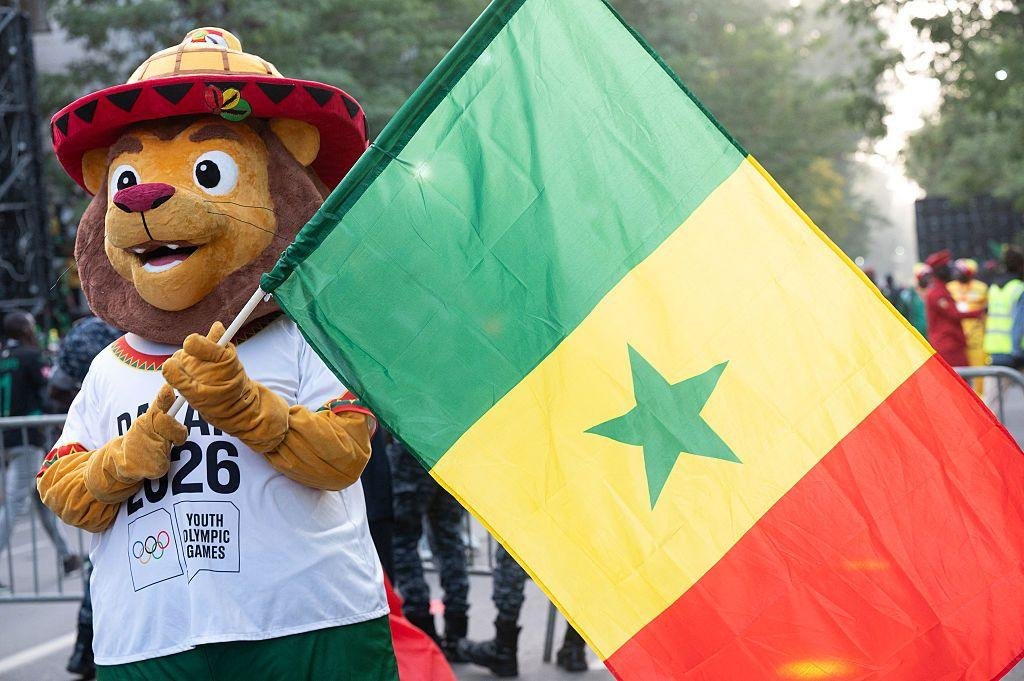
With just 100 days until the Youth Olympic Games open in Senegal, Dakar 2026 marks the first Olympic event ever hosted on African soil, bringing together around 2,700 young athletes from across the globe in a celebration that promises to reshape the continent's place in international sport. This milestone arrives after years of preparation and carries deep cultural resonance for Senegal, where the spirit of Teranga will welcome the world.
Africa prepares for historic Olympic moment at Dakar 2026
With just 100 days until the Youth Olympic Games open in Senegal, Dakar 2026 marks the first Olympic event ever hosted on African soil, bringing together around 2,700 young athletes from across the globe in a celebration that promises to reshape the continent's place in international sport. This milestone arrives after years of preparation and carries deep cultural resonance for Senegal, where the spirit of Teranga will welcome the world. The Games, set to begin on 31 October 2026, highlight not only athletic competition but also a broader narrative of African resilience and opportunity.
Countdown to History: Dakar 2026 Youth Olympics
Dakar, Senegal — With 100 days remaining, the Senegalese capital is preparing to welcome athletes and visitors from around the world for this historic event.
A Continent's First Olympic Stage
With 100 days remaining until the Youth Olympic Games open in Senegal, Dakar 2026 stands as the first Olympic event ever hosted on African soil. The Games begin on 31 October 2026 and will bring together around 2,700 athletes competing in 25 sports. Venues span Dakar, Diamniadio, and Saly, turning everyday Senegalese spaces into stages for global youth competition. This moment carries weight far beyond sport, reflecting decades of African efforts to claim a central place in international athletics.
Africa's pursuit of the Olympic spotlight has long been marked by resilient bids that fell short, from Cairo's ambitious 2008 campaign hampered by infrastructure gaps to Cape Town's 2004 effort and Durban's 2022 near-miss. These attempts underscored the continent's determination to host despite economic and political hurdles, yet none succeeded until Senegal's selection for the 2026 Youth Olympics. This milestone positions Dakar as a beacon for African youth and affirms the nation's stable democracy and growing sports ecosystem as catalysts for change.
Senegal's role as host resonates deeply with the country's tradition of Teranga, the Wolof concept of boundless hospitality that defines Senegalese identity. Rooted in communal sharing and warm reception of strangers, Teranga will shape the Games as more than an event — it becomes a cultural embrace, inviting athletes and visitors into family-style gatherings, traditional music sessions, and shared meals featuring thieboudienne. Local communities already prepare to welcome visitors, extending the same warmth that defines celebrations and gatherings across the country.
From Postponement to Renewed Readiness
The Games were originally set for 2022 but postponed due to the Covid-19 pandemic. That delay allowed Senegal additional time to refine infrastructure and training programs. IOC official Christophe Dubi described the event as monumental for the continent, highlighting its potential to reshape perceptions of African capacity to deliver world-class competitions.
Organizers have focused on sustainable venues that can serve communities long after the closing ceremony. This approach aligns with Senegalese priorities around practical development, where projects must deliver lasting benefits rather than temporary spectacle.
Leadership with African Roots
Kirsty Coventry, the first female and first African IOC president, brings a personal connection to Dakar 2026. She previously chaired the coordination commission, guiding early planning stages before being elected to lead the global Olympic body. Her leadership underscores a shift in global sports governance toward greater African representation.
Local Organizing Committee deputy chief operating officer Thierno Cisse has emphasized Senegal's pride in serving as ambassadors for Africa. His statements reflect the collective responsibility felt by Senegalese officials and volunteers who view the Games as an opportunity to showcase the continent's organizational strength.
Youth at the Center of the Vision
The Games introduce a debut youth refugee team, offering young athletes displaced by conflict or hardship their first Olympic platform. This inclusion speaks directly to migration realities across West Africa, where many Senegalese families have relatives who have sought opportunities abroad. The refugee team initiative draws from targeted trials across East African camps, where the IOC partners with the Olympic Refuge Foundation to identify talented displaced youth through scouting networks in Kenya, Uganda, and Ethiopia. By including them, the Games highlight pathways out of displacement, linking sport to broader social mobility.
With youth unemployment at 27 percent among those aged 15-34, the event highlights pathways for young people through sport and event management. Organizers stress that the legacy extends beyond medals to skills development and community engagement that can address economic pressures faced by Senegalese youth. The Games are projected to create thousands of positions in event management, hospitality, and technical roles for local youth, channeling energy into sustainable careers while retaining talent through meaningful engagement.
High-Profile Ambassadors and Cultural Ties
Senegal football captain Kalidou Koulibaly, influencer Khaby Lame, and actor Omar Sy serve as ambassadors, linking the Games to figures familiar in households from Dakar to rural Thiès. Their involvement bridges elite sport with popular culture, drawing attention from young Senegalese who follow football and social media.
These ambassadors embody the blend of athletic excellence and creative expression that defines modern Senegalese identity. Their participation encourages broader community involvement, from school programs to neighborhood viewing parties planned for the opening ceremony.
Building Capacity Through Training
More than 400 young Africans from across the continent have undergone intensive training in event operations, logistics coordination, digital technology platforms, accreditation systems, and venue management protocols. These programs, hosted in Dakar and regional centers, equip participants with practical expertise drawn from international standards. Representation spans over 30 countries, creating a volunteer corps that blends diverse perspectives into unified execution.
The training program connects to Senegal's emphasis on technical and vocational education to combat underemployment. By integrating modules on sustainable practices and cultural sensitivity, the initiative nurtures not only Games-ready professionals but also contributors to community development. The knowledge gained strengthens local institutions and prepares Senegal for future global engagements.
Legacy and Sustainable Impact
Organizers continue to stress legacy planning and sustainable venues that will benefit Senegalese residents after the athletes depart. The Abdoulaye Wade Stadium in Diamniadio stands as a centerpiece, its modern design accommodating 50,000 spectators while incorporating eco-friendly features. Nearby rescued sports sites in central Dakar, once neglected, are being revitalized into multi-use hubs. Senegal's approach prioritizes adaptability, ensuring these spaces serve schools, local clubs, and cultural events long after the closing ceremonies.
With the stadium costing around $270 million and organizational expenses estimated at $60 million, the focus remains on fiscal prudence and legacy planning. Post-Games utilization plans include converting facilities into training academies and community centers, promoting health initiatives and youth programs. This sustainable model reinforces Senegal's commitment to enduring impact beyond the competition itself.
Looking Toward October 2026
As the countdown reaches 100 days, preparations intensify across Dakar, Diamniadio, and Saly. The Youth Olympic Games mark a turning point in how Africa engages with global sport. Senegal's hosting role carries expectations from across the continent that the event will open doors for future African bids and sustained investment in youth programs.
Thierno Cisse's description of Senegal as ambassadors for Africa captures the shared purpose guiding these final months. The Games will test organizational readiness while celebrating the continent's growing influence in international athletics.
By Amara Diop, Staff WriterThis article was produced with AI-assisted research and editorial support. Reporting is based on sources cited in the article.
What's Your Reaction?
 Like
0
Like
0
 Dislike
0
Dislike
0
 Love
0
Love
0
 Funny
0
Funny
0
 Wow
0
Wow
0
 Sad
0
Sad
0
 Angry
0
Angry
0
West Africa/Sahel Correspondent at Global1.News. Dakar-based journalist covering politics, security, climate, and development across Francophone and Anglophone West Africa. Tells the stories of a region undergoing profound transformation.












Comments (0)