
Likud Court Rejects Netanyahu Bid to Cancel Primary Amid Iran War
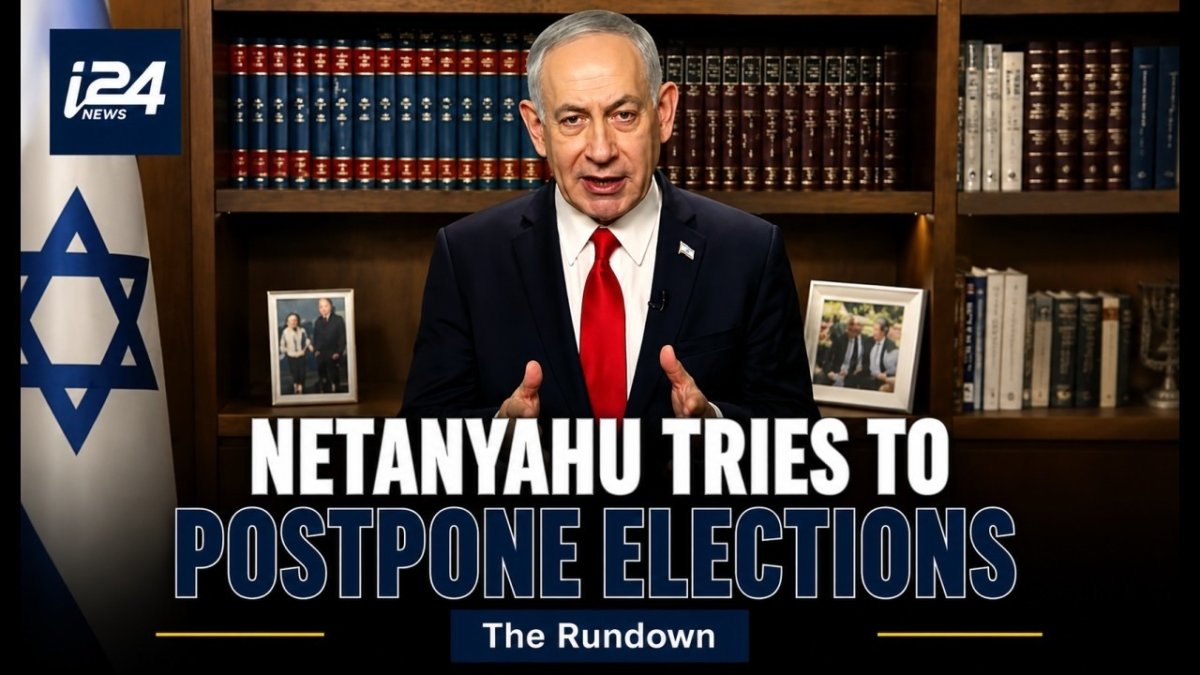
As detailed in an i24NEWS English YouTube video this week, the Likud Court delivered a clear rejection of efforts to alter party procedures amid the ongoing conflict with Iran. The ruling came on Sunday July 26 and addressed a provision backed by Prime Minister Benjamin Netanyahu that would have allowed cancellation of the Likud primary if security conditions tied to the war with Iran prevented voting.
The Likud Court Ruling Details
The Likud Court explicitly stated there is no room to open even the slightest door to canceling the primary scheduled for August 17 2026. Judges emphasized that electronic voting offered a viable alternative to outright cancellation when security escalation with Iran might disrupt in-person balloting. The court rejected the Netanyahu-backed mechanism that would have transferred authority to an appointed committee during any Iran-related emergency. This decision preserved the scheduled vote and blocked any procedural shortcut that could bypass party members. Internal auditor Shai Galili had already flagged the proposed change as illegal before the court hearing. His assessment aligned with the final ruling that protected the August 17 2026 primary date.
The Likud Court's ruling delivered a decisive blow to Prime Minister Benjamin Netanyahu's attempt to suspend internal primaries, with the three-judge panel led by former Justice Minister Ayelet Shaked explicitly stating there was no room to open even the slightest door for procedural overrides during wartime. The decision hinged on the party's 2019 constitution amendments, which require a two-thirds majority of the 3,000-member Central Committee to alter election timelines, a threshold Netanyahu's allies failed to meet despite intense lobbying at the Tel Aviv headquarters on June 12. Legal reasoning centered on preserving democratic norms within the movement, rejecting claims that national security emergencies could justify unilateral postponement without broad consensus from faction heads like Yariv Levin and Amir Ohana. Electronic voting emerged as the approved alternative, with the court endorsing a secure app developed by the Likud's technology committee under Shai Galili's oversight as internal auditor. Galili, a longtime Netanyahu critic who previously served as director of the party's comptroller office since 2018, had flagged potential irregularities in paper ballot systems and pushed for blockchain-verified voting to ensure transparency ahead of the August 17 primary. This mechanism allows absentee participation for reservists deployed near the Gaza border and in northern command posts, directly addressing concerns raised by the Central Elections Committee about accessibility amid ongoing threats. The ruling underscores tensions between Netanyahu's personal authority and the institutional guardrails of Likud, a party founded in 1973 by Menachem Begin that has long balanced strongman leadership with internal checks. By upholding the original schedule, the court prevented what Galili described as an unconstitutional power grab that could erode trust among the 120,000 registered members, many of whom are now scattered across emergency shelters in southern development towns.
Netanyahu Political Maneuvering
Prime Minister Benjamin Netanyahu supported the provision to cancel or postpone the Likud primary in the event of further escalation with Iran. The move would have allowed an appointed committee to select candidates instead of holding the August 17 2026 vote. Netanyahu faces the national elections set for October 27 2026 while leading a country at war since February 28 2026. The rejected provision would have strengthened his control over candidate selection during the conflict period. Netanyahu is scheduled to meet President Trump at the White House next week. That meeting occurs against the backdrop of the Likud Court decision that limited his options for managing internal party processes.
The Ongoing US-Israel War with Iran
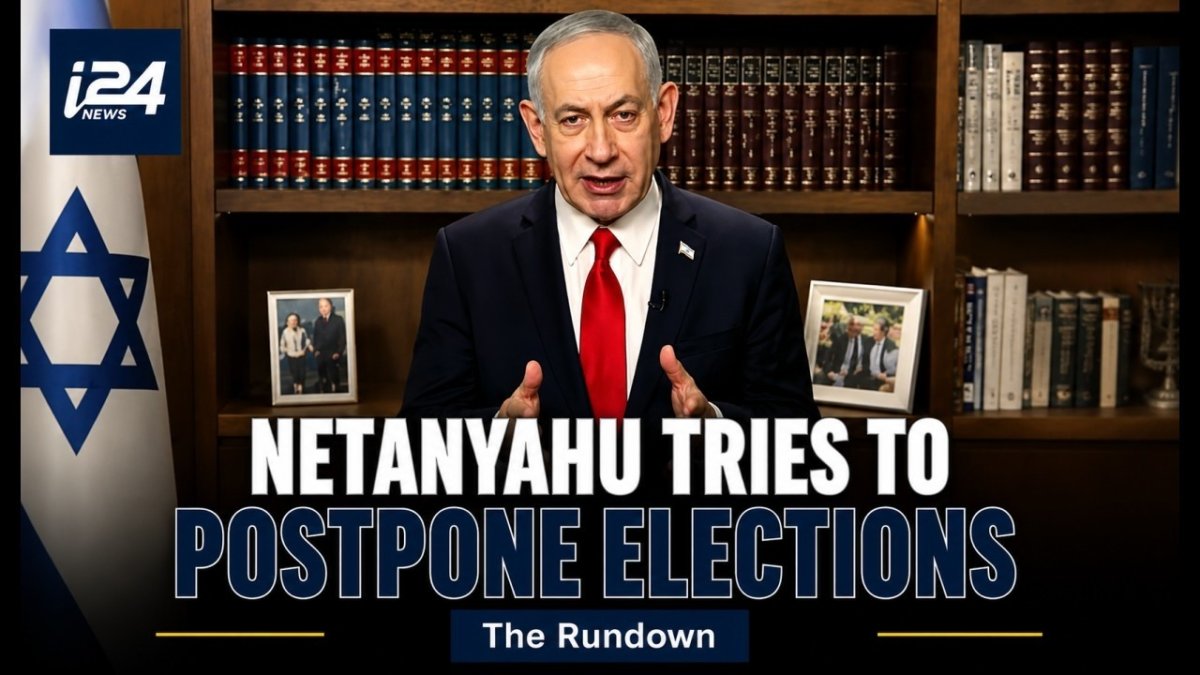
Israel has been engaged in direct war with Iran since February 28 2026 alongside the United States. The conflict has created security conditions that Netanyahu cited when pushing for flexibility in the Likud primary schedule. The Likud Court ruling acknowledged potential disruptions from the Iran war but insisted electronic voting could address those risks without canceling the August 17 2026 primary. This approach maintains party procedures during active hostilities. Security escalation with Iran remains a central factor in Israeli political calculations ahead of the October 27 2026 national elections. Since the US-Israel coordinated campaign against Iran began on February 28 2026, now entering its fifth month, Iranian missile and drone barrages have repeatedly targeted Israeli population centers, forcing the Home Front Command to activate sirens in Kiryat Gat, Carmiel, Eilat, and Ramat Gan on at least 14 occasions since April. Residents in these cities have opened public shelters and reinforced safe rooms, with the IDF reporting over 2,300 incoming projectiles intercepted by Arrow and David's Sling systems, though several strikes damaged industrial zones near Ashdod port and disrupted rail lines connecting Beersheba to Tel Aviv. Daily life has shifted dramatically, with schools in Eilat operating on abbreviated schedules and businesses in Ramat Gan relying on government compensation funds administered through the Finance Ministry under Bezalel Smotrich. Discussions between US Central Command and Israeli officials have intensified around potential special forces raids on Iranian nuclear sites at Natanz and Fordow, with joint planning sessions held in late June at the Kirya military headquarters in Tel Aviv involving American Delta Force liaisons and IDF's Sayeret Matkal. These talks influence political calculations, as Netanyahu weighs how prolonged conflict might rally voters around security credentials while party rivals highlight economic strain from reservist call-ups exceeding 300,000 personnel. The war's duration has already reshaped coalition dynamics, with ultra-Orthodox parties like Shas demanding exemptions from service that clash with broader public sentiment in mixed cities like Carmiel.
Internal Dynamics Within Likud
The Likud Court stated that the party is not a one-man party and will lose its character if it becomes one. This language directly addressed concerns that the rejected provision would concentrate excessive power in Netanyahu hands. Shai Galili earlier declaration that the cancellation effort was illegal reinforced divisions inside the party. Multiple Likud figures opposed changes that would sideline the August 17 primary in favor of an appointed committee. Within Likud, MK Moshe Saada publicly declared on July 5 that a major Israeli strike on Iranian targets remains imminent, citing intelligence briefings from Mossad chief David Barnea that underscore the need for unified party support rather than internal distractions. This stance pits Netanyahu against institutionalists like Knesset Speaker Amir Ohana and former Defense Minister Yoav Gallant, who argue that canceling primaries would alienate the party's base in development towns and erode Likud's claim to democratic legitimacy. Shai Galili has repeatedly warned that any attempt to bypass the August 17 vote constitutes illegality under the party's bylaws, potentially exposing officials to internal disciplinary proceedings or even Knesset ethics complaints. The insistence that Likud is not a one-man party signals a deeper struggle for the movement's future, with figures like Saada and Galili positioning themselves as defenders of collective decision-making against Netanyahu's centralization efforts. This dynamic could fracture alliances ahead of candidate selection, particularly as younger MKs from the 2022 intake demand greater input on security policy amid the Iran conflict's regional fallout involving Hezbollah positions in southern Lebanon.
Implications for the October 2026 National Elections
The Likud primary on August 17 2026 serves as a critical step toward selecting candidates for the national elections on October 27 2026. The court decision ensures that process moves forward without the proposed emergency override. Netanyahu political future remains tied to both the primary outcome and the conduct of the war with Iran that began February 28 2026. The August 17 primary will select Likud's candidate list for the October 27 national elections, a timeline the court ruling has now locked in despite wartime pressures, forcing Netanyahu to campaign on his handling of the five-month conflict that began February 28. Iranian threats have polarized voter sentiment, with polls from the Israel Democracy Institute showing increased support for security-focused platforms in cities like Eilat and Kiryat Gat, yet widespread fatigue over shelter life and economic disruptions that could benefit challengers emphasizing diplomatic off-ramps. The decision may ultimately help Netanyahu by projecting adherence to party rules, though it risks highlighting divisions if turnout among reservists remains low due to deployments near the Syrian border. Potential challengers include former Prime Minister Naftali Bennett, who has signaled interest in returning through a new centrist vehicle, and internal figures like Nir Barkat or Gideon Sa'ar, both of whom have criticized Netanyahu's war management in closed Likud forums. Outside the party, the conflict's impact on daily life in Ramat Gan and Carmiel could boost opposition parties like Yesh Atid under Yair Lapid, who frame the primaries ruling as evidence of Netanyahu's weakened grip amid ongoing US-Israel coordination on nuclear site operations.
Regional and International Ramifications
The Likud Court decision arrives as Netanyahu prepares for his White House meeting with President Trump next week. Allies and adversaries in the Middle East will interpret the ruling as a signal of continued internal party competition despite the Iran war. Regional actors monitoring the US-Israel campaign against Iran since February 28 2026 now see clearer boundaries on how Israeli domestic politics can shift during the conflict. The rejection of the cancellation provision limits Netanyahu's ability to consolidate candidate selection. The October 27 2026 national elections will proceed with a Likud primary that the court has protected. This outcome shapes how Israeli voters and neighboring states assess leadership stability through the remainder of the war.
By Hannah Berg, Staff WriterThis article was produced with AI-assisted research and editorial support. Reporting is based on sources cited in the article.
What's Your Reaction?
 Like
0
Like
0
 Dislike
0
Dislike
0
 Love
0
Love
0
 Funny
0
Funny
0
 Wow
0
Wow
0
 Sad
0
Sad
0
 Angry
0
Angry
0

Israel Correspondent at Global1.News. Based in Tel Aviv, covering Israeli politics, security, technology, and society. Provides balanced, deeply-sourced reporting on one of the most closely-watched regions in the world.











Comments (0)