
Farewell Cape Verde — The Underdogs the World Cup Will Never Forget
The Blue Sharks Make Their Mark on the Global Stage Cape Verde entered the 2026 World Cup as a nation of around 600,000 people, the second-smallest at the expanded tournament. Their debut carried the weight of an entire archipelago stepping onto the biggest football platform for the first time. The Blue Sharks arrived ranked 67th in the world yet quickly showed they belonged am
The Blue Sharks Make Their Mark on the Global Stage
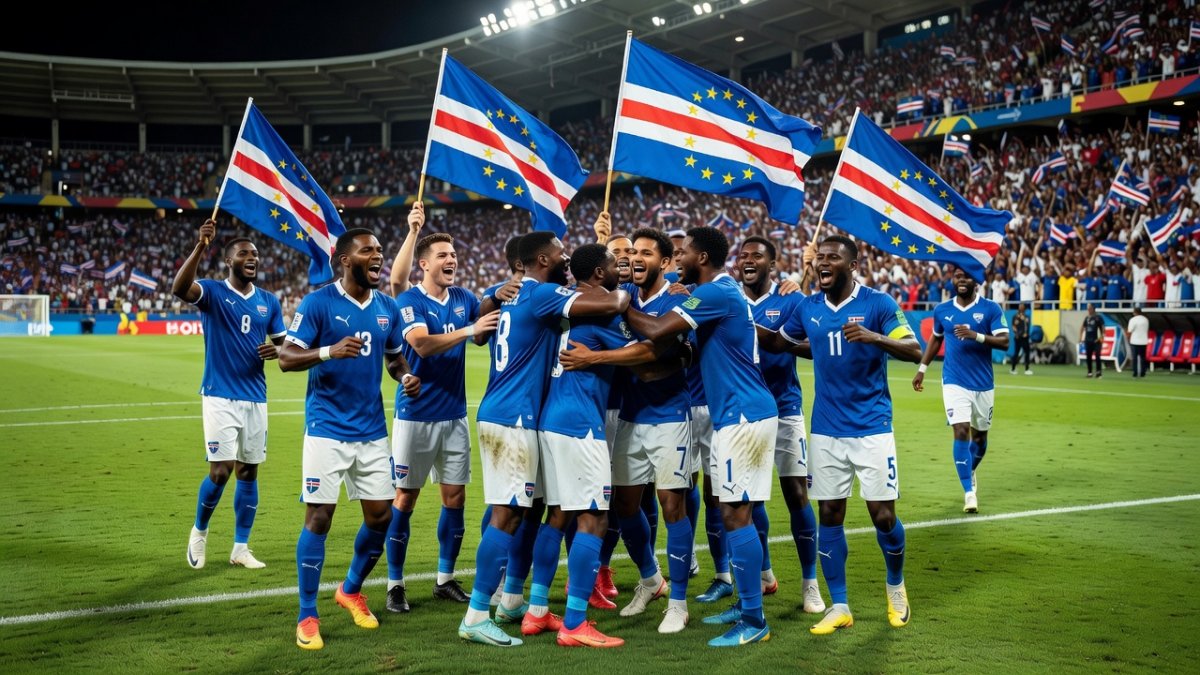
Cape Verde entered the 2026 World Cup as a nation of around 600,000 people, the second-smallest at the expanded tournament. Their debut carried the weight of an entire archipelago stepping onto the biggest football platform for the first time. The Blue Sharks arrived ranked 67th in the world yet quickly showed they belonged among the elite.
Their opening group-stage result, a 0-0 draw with European champions Spain, delivered the country's first World Cup point. Goalkeeper Vozinha stood tallest that day, his image holding the national flag high circulating worldwide and turning him into an instant cult hero. That single match shifted attention away from established stars toward these tournament debutants.
Further draws followed against Uruguay, where Cape Verde scored their first World Cup goals. The group stage concluded with three points that set up a Round of 32 clash against defending champions Argentina. Every result built a narrative of resilience that resonated far beyond the islands.
West African Football Pride Finds New Expression
Cape Verde sits just off the West African coast, its shores linked to the broader region by the same Atlantic waters that connect neighboring countries. Football here has always carried communal pride, and the Blue Sharks' run extended that shared spirit across the ocean. Their performances echoed the determination seen in other West African sides that have gradually claimed space at major tournaments.
The players carried the hopes of a population that follows the sport with deep passion. When they held Spain and then pushed Argentina to extra time, the achievement reflected collective belief rather than individual brilliance alone. Former Scotland international James McFadden captured this spirit on BBC Radio 5 Live, noting the courage, togetherness, unity, and unwavering belief the team displayed.
These qualities mirror the everyday resilience found in West African communities where football serves as both escape and expression. Cape Verde's journey reinforced how island nations and coastal communities alike draw strength from the same cultural currents that flow through the region.
Geographic Ties and Shared Atlantic Identity
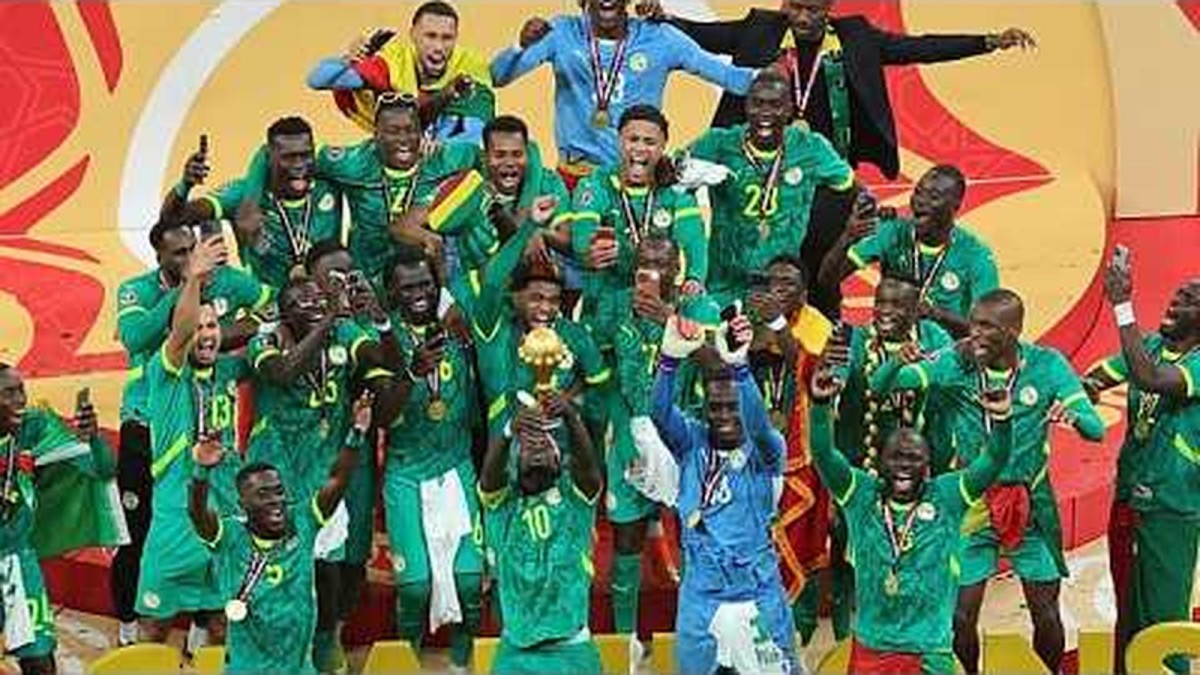
The short distance across the Atlantic places Cape Verde within easy reach of Senegal, creating natural exchanges in culture and daily life despite linguistic differences. One nation speaks Portuguese while the other uses French, yet both look to the same sea for trade, migration, and inspiration. Cape Verde's World Cup story traveled quickly through these connected spaces.
Supporters on both sides of the water celebrated the same moments of defiance. The Blue Sharks' ability to compete with giants demonstrated how proximity fosters mutual pride. When goalkeeper Vozinha made save after save, the images crossed the water and lifted spirits in neighboring communities that understand the challenges of small populations chasing big dreams.
This Atlantic connection turns every Cape Verde success into a regional story. The tournament run highlighted how island and mainland communities share more than geography; they share the aspiration to be seen and respected on equal terms.
Vozinha Emerges as the Tournament's Unlikely Hero
At 40 years old, goalkeeper Vozinha entered the World Cup without a club after his contract with Portuguese second-division side Chaves expired. He responded with 18 saves across the tournament, ranking third among all goalkeepers. His performance against Spain alone produced the defining image of the campaign.
Vozinha's flag-raising celebration after that clean sheet became an emblem of pride for Cape Verdeans everywhere. The veteran kept his team in matches long enough for attackers to find moments of magic, including the wonder goal from Sidny Lopes Cabral that briefly leveled the score against Argentina.
His story of playing without a club yet delivering at the highest level added emotional depth to the team's run. At an age when many careers wind down, Vozinha showed that experience and determination can still produce world-class moments on the global stage.
The Heartbreaking Exit Against Argentina
The Round of 32 match in Miami pitted Cape Verde against reigning champions Argentina. The Blue Sharks fell behind to a Lionel Messi goal before leveling at 1-1 and forcing extra time. Sidny Lopes Cabral's stunning strike brought the score to 2-2, keeping hopes alive deep into the additional period.
A cruel deflection off Diney Borges from Cristian Romero's header finally ended the dream. Players slumped to the turf at the final whistle, yet the performance earned widespread admiration. Former England right-back Gary Neville described it as one of the greatest underdog displays he had witnessed.
Manager Bubista spoke afterward with clear pride, stating that a small country had shown it could play against the best teams in the world. The 3-2 defeat after extra time left the squad emotional, but the legacy of that night extended well beyond the result.
What the Run Means for Small African Nations
Cape Verde's appearance proved that nations with limited resources can still reach and compete at the World Cup. The expansion to 48 teams created the opportunity, and the Blue Sharks seized it fully. Their group-stage points and near-upset against Argentina demonstrated that population size need not determine footballing ambition.
Shamrock Rovers defender Roberto 'Pico' Lopes noted that one lasting outcome is that people no longer need to ask where Cape Verde is on the map. The team placed their nation firmly in global consciousness through performances rather than words.
This visibility matters for other small African countries watching from the sidelines. Cape Verde showed that consistent organization, belief, and tactical discipline can overcome numerical disadvantages and open doors that once seemed permanently closed.
Ian Wright's Call for Fairer Distribution of Resources
Former England striker Ian Wright used Cape Verde's story to highlight the need for FIFA to ensure World Cup revenue reaches developing nations. He argued that moments like these should multiply around the world and that funds must flow to grassroots levels everywhere.
The call resonates because Cape Verde arrived at the tournament with modest infrastructure yet produced results that captivated audiences. Wright's comments pointed to the gap between the wealth generated by the event and the support available to emerging football nations.
Without broader investment, similar stories risk remaining rare exceptions. Wright's intervention framed Cape Verde's achievement as both celebration and reminder that structural change is required to sustain the growth of football beyond traditional powers.
African Football Continues Its Steady Rise
Cape Verde's campaign fits into the larger pattern of African teams claiming greater space at successive World Cups. The Blue Sharks' courage against Spain, Uruguay, and Argentina added another chapter to that progression. Their run showed technical quality and mental strength that command respect from opponents and observers alike.
Every save by Vozinha and every counter-attack mounted by the squad contributed to a narrative of rising standards across the continent. The performances challenged outdated assumptions about what smaller African nations can achieve when given the platform.
The 2026 tournament will be remembered for many things, yet Cape Verde's story stands out for its emotional power and cultural resonance. The Blue Sharks left the United States with no further matches but with hearts won across continents and a permanent place in football history.
By Amara Diop, Staff WriterThis article was produced with AI-assisted research and editorial support. Reporting is based on sources cited in the article.
What's Your Reaction?
 Like
0
Like
0
 Dislike
0
Dislike
0
 Love
0
Love
0
 Funny
0
Funny
0
 Wow
0
Wow
0
 Sad
0
Sad
0
 Angry
0
Angry
0

West Africa/Sahel Correspondent at Global1.News. Dakar-based journalist covering politics, security, climate, and development across Francophone and Anglophone West Africa. Tells the stories of a region undergoing profound transformation.










Comments (0)