
Lisa Nandy Quits X: Culture Secretary Cites Abuse and Misinformation
**Keywords:** Lisa Nandy, X platform, Elon Musk, DCMS, Attorney General, Lord Hermer, Kemi Badenoch, misinformation, UK politics, Southampton protests, Ofcom, Andy Burnham, social media regulation, Keir Starmer Culture Secretary Lisa Nandy has announced she is leaving Elon Musk's X platform — and taking her entire department with her. The decision makes the Department for Cultu
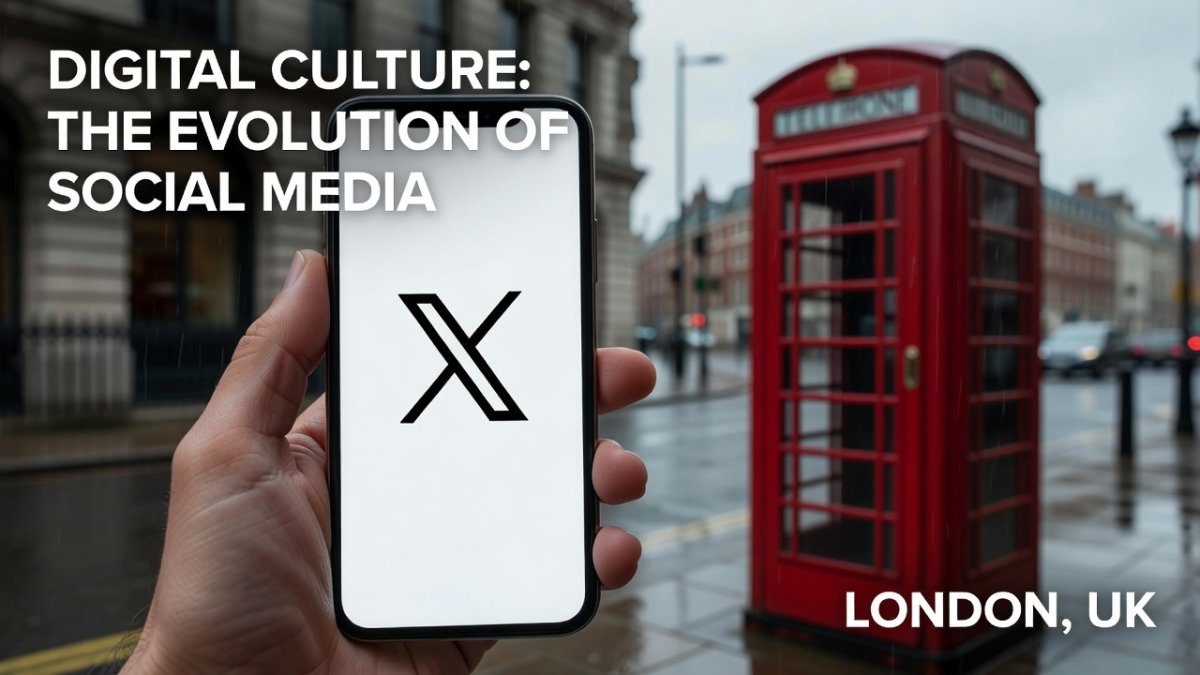
Culture Secretary Lisa Nandy has announced she is leaving Elon Musk's X platform — and taking her entire department with her. The decision makes the Department for Culture, Media and Sport the second Whitehall department in a fortnight to sever ties with the social media site, as concerns mount over the platform's role in amplifying abuse, misinformation and far-right violence across British communities.
Nandy's final post on X captured the frustration shared by a growing number of politicians and public officials: "A platform originally designed for free speech and expression now favours abuse and misinformation over meaningful debate. It isn't healthy for our democracy or our communities and I don't want to support it." In what seemed to be her last message on the platform, she confirmed that Instagram, Facebook and LinkedIn would serve as alternative channels.
Lisa Nandy Quits X: A Reckoning Over Abuse, Misinformation and the Future of Government Social Media
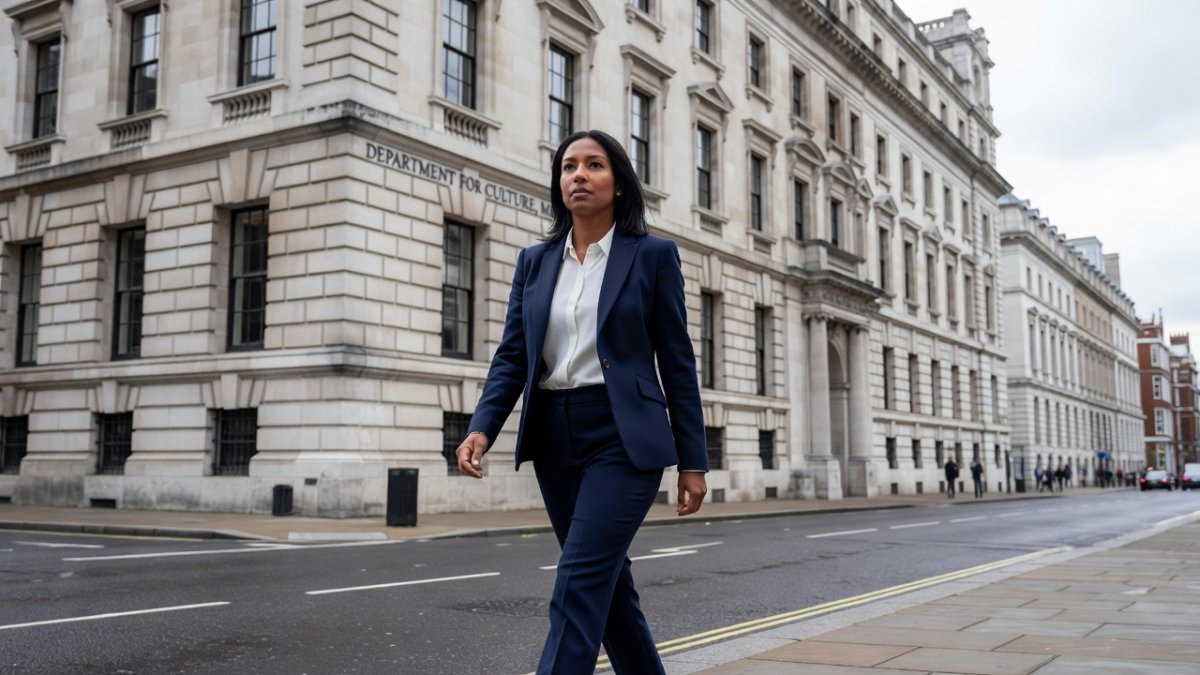
London, UK – 4 July 2026 — Lisa Nandy's departure from X represents more than an individual choice. It signals a profound shift in how the British government views its relationship with a platform that has become — in the space of a few turbulent years — a lightning rod for controversy. The Culture Secretary's department oversees media regulation, digital policy and the nation's cultural institutions. Its withdrawal from X carries symbolic weight that extends far beyond Whitehall's corridors.
Building on Precedent: The Attorney General's Office Led the Way
Lord Richard Hermer, the Attorney General for England and Wales, set the template in mid-June when he ordered his office to stop posting on X. Appearing before the Justice Committee, Lord Hermer told MPs the platform "constantly descends to racism and misogyny," adding that his department "can do better" by prioritising more constructive channels for legal communications.
The Guardian first reported the Attorney General's decision, revealing internal discussions about the ethical costs of maintaining a presence on a platform where hate speech proliferates with minimal moderation. For the Law Officers — whose work involves prosecuting hate crimes and defending human rights — the contradiction became untenable. Their departure opened the door for other departments to follow, with DCMS now walking through it.
Downing Street has taken a more cautious position. A No 10 spokeswoman confirmed the Prime Minister's office will continue using X, though it keeps its social media strategy "under review." This leaves open the possibility that further departments could follow, especially as Andy Burnham's anticipated premiership approaches within weeks. A new culture secretary may take a different view on engagement.
Kemi Badenoch and the Conservative Backlash
Conservative leader Kemi Badenoch wasted no time in condemning the move — on X itself. "DCMS is supposed to counter and deal with misinformation, not run away because it's all too much," she posted, framing the withdrawal as an abdication of responsibility rather than a principled stand.
The critique exposes a genuine partisan divide. Badenoch's argument — that government departments should remain on the platform to challenge false narratives — has some purchase in Westminster. But it overlooks a key tension: DCMS is responsible for media regulation and broadcasting standards. Maintaining an active presence on a platform the department itself might need to regulate creates an awkward conflict of roles.
The Liberal Democrats have already made their position clear. MPs Layla Moran, Vikki Slade and Labour's Darren Paffey left X earlier in 2026 over concerns about Grok AI generating sexualised images, including of children. These individual exits prefigured the departmental moves now underway and reflect a cross-party recognition that the platform's moderation failures disproportionately harm marginalised communities.
Southampton, Belfast and the Violence That Shaped the Decision
Nandy's announcement cannot be separated from the outbreaks of disorder that exposed X's capacity to translate online rhetoric into street-level violence. In Southampton, bodycam footage of police handcuffing 18-year-old Henry Nowak as he lay dying from a stab wound ignited days of protests. His killer, Vickrum Digwa, had called police and falsely claimed a racist attack — a lie that spread rapidly across X, inflaming community tensions across the South Coast.
The footage of Nowak's final moments prompted a wave of political reaction across the UK. X owner Musk directly criticised police treatment of the teenager, amplifying calls for protests that local authorities said they were ill-prepared to handle. Six days later, more violence erupted in Belfast, where far-right activists responded to a stabbing attack for which a 30-year-old refugee from Sudan was charged with attempted murder. In both cases, local police forces found themselves responding not just to physical flashpoints but to digital triggers that preceded them.
For residents in Southampton's Portswood neighbourhood — a diverse area where students and families live alongside each other — the violence shattered a sense of relative calm. In Belfast, the fragile peace that has held since the Good Friday Agreement faced its most serious test in years. The thread connecting both communities is the same: a platform whose algorithms reward outrage and punish measured debate.
Home Office data shows a 40 per cent rise in reported hate incidents in affected areas during the preceding month, underscoring the platform's contribution to community fracture. For families in Southampton's Portswood neighbourhood and Belfast's loyalist housing estates, the abstract debate about platform accountability has a very concrete edge.
Elon Musk's Interventions and the UK's Regulatory Response
Elon Musk's direct involvement in British politics has intensified the crisis. Addressing a far-right march in London via video link, he told the crowd: "If this continues, violence is going to come to you. You either fight back or you die, that's the truth, I think." The remarks — delivered from thousands of miles away — were cited by critics as evidence of external interference in UK affairs.
Prime Minister Keir Starmer has already threatened to block X in the UK if the platform fails to address the generation of sexualised images of children through its Grok AI tool. Starmer's warning earlier this year prompted X to act, but questions remain about enforcement. Following the Belfast riots, No 10 indicated that any further action would be left to Ofcom, the media regulator.
Ofcom now holds substantial powers under the Online Safety Act — including the ability to impose fines of up to 10 per cent of global revenue for systemic failures to protect users. Yet enforcement against X remains untested at scale. The regulator can demand transparency reports and algorithmic audits, but whether it will deploy its full arsenal against a platform whose owner openly calls for the overthrow of the British government is an open question.
What This Means for UK Democracy and Daily Life
For the average citizen, the government's withdrawal from X raises practical questions about access to information. Departmental announcements on arts funding, heritage sites, sports policy and media regulation will now appear on Instagram and LinkedIn — platforms with different demographics and different limitations. Will pensioners in Cornwall who rely on X for local updates lose access? Will young people in Manchester find the information they need on Instagram's algorithm-driven feed?
Nandy's move also raises questions about the broader health of British democracy. The UK has traditionally prided itself on robust public discourse, with ministers and officials available for scrutiny across multiple platforms. If departments retreat into safer spaces — away from the abuse but also away from the audiences they need to reach — does that strengthen or weaken democratic accountability?
Analysis from the Electoral Commission suggests that unchecked misinformation on X could influence turnout in upcoming local elections, particularly in swing regions like the West Midlands where community tensions run high. The Commission has called for a cross-party consensus on platform engagement, but so far, none has emerged.
The Bottom Line — What Comes Next
Andy Burnham's anticipated elevation to Prime Minister within weeks adds another layer of uncertainty. The Greater Manchester Mayor, who has pledged to move parts of No 10 to Manchester, has a pragmatic reputation on digital inclusion. A new culture secretary in his cabinet may reverse Nandy's decision — but only if X demonstrates meaningful improvements to content moderation, a benchmark Musk has so far resisted.
In the meantime, the precedent set by DCMS and the Attorney General's Office may encourage further institutional exits. The Treasury, the Ministry of Justice and the Department for Education are all watching closely. If a critical mass of departments withdraw, X's utility as a platform for government communications in the UK collapses entirely.
For ordinary citizens navigating cost-of-living pressures and community tensions — from Southampton to Belfast, from Manchester to Devon — the debate over X is not an abstract Westminster squabble. It is a reckoning with how technology shapes national life, how misinformation spreads, and whether the institutions meant to serve the public can afford to remain in spaces that actively work against that mission.
By Erica Thornton, Staff Writer
This article was produced with AI-assisted research and editorial support. Reporting is based on sources cited in the article.
What's Your Reaction?
 Like
0
Like
0
 Dislike
0
Dislike
0
 Love
0
Love
0
 Funny
0
Funny
0
 Wow
0
Wow
0
 Sad
0
Sad
0
 Angry
0
Angry
0

US Politics and Policy Correspondent at Global1.News. Based in Washington DC, covering American politics, policy, elections, and the courts. Knows how the system works and tells you what it actually means.













Comments (0)