
The Dominion Settlement: What $787.5 Million Revealed About Fox News
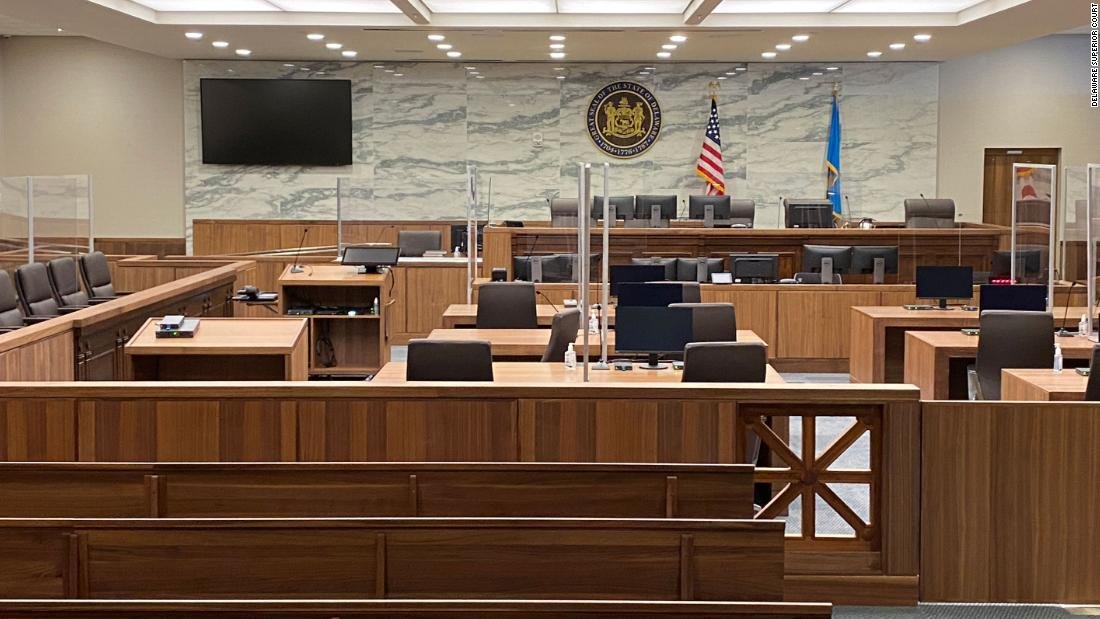
The Trial That Almost Happened In April 2023, the Delaware Superior Court in Wilmington prepared for what promised to be one of the most closely watched defamation trials in modern American history. Jury selection drew from a pool of 300 potential jurors, all converging on Courtroom 7E where the proceedings were set to unfold. The atmosphere crackled with anticipation as attorn
The Trial That Almost Happened
In April 2023, the Delaware Superior Court in Wilmington prepared for what promised to be one of the most closely watched defamation trials in modern American history. Jury selection drew from a pool of 300 potential jurors, all converging on Courtroom 7E where the proceedings were set to unfold. The atmosphere crackled with anticipation as attorneys for both sides vetted candidates amid intense public scrutiny. Dominion Voting Systems had filed its $1.6 billion lawsuit in 2021, and the case had reached this pivotal stage after years of pre-trial maneuvering. Observers noted the historic weight of the moment, with every detail of the selection process signaling that a full examination of media practices during the 2020 election was finally at hand.
On the morning of April 18, 2023, just as opening statements were scheduled to begin, Fox News reached a settlement with Dominion for $787.5 million. This dramatic last-minute resolution came after jury selection had concluded and the trial stood ready to commence in Courtroom 7E. The payment represented one of the largest defamation settlements in United States media history, yet Fox issued no admission of wrongdoing as part of the agreement. The sudden development stunned many who had followed the case, transforming what had been building toward a public reckoning into a private financial resolution that avoided further courtroom confrontation.
This near-trial carried enormous significance because it stood poised to become the defining media accountability moment of the decade. With evidence already aired through pre-trial discovery, the proceedings threatened to expose how major networks handled election-related claims. The case had already forced internal Fox communications into the open, and a full trial would have tested the boundaries of journalistic responsibility in real time. Its abrupt end left unresolved questions about on-air versus private conduct, yet the buildup alone reshaped conversations around defamation law and corporate media practices for years to come.
The Discovery That Exposed Fox From Within
Pre-trial discovery in the Dominion case unearthed a trove of internal Fox communications that revealed hosts privately doubting the very election fraud claims the network continued to broadcast. Text messages and emails showed a clear disconnect between what anchors expressed among colleagues and what aired publicly after the 2020 election. These documents emerged through the lawsuit filed in 2021, painting a detailed picture of skepticism circulating behind the scenes while false narratives about Dominion's voting machines persisted on air. The revelations demonstrated how discovery processes can illuminate corporate decision-making in ways that reshape public understanding of media operations.
Tucker Carlson's texts formed a central part of the disclosed materials, illustrating how he and other hosts voiced private reservations about the fraud allegations even as the network amplified them. Similar expressions of doubt appeared in communications involving Sean Hannity and additional on-air personalities. These exchanges highlighted a pattern where internal caution failed to influence external reporting, allowing questionable content to reach millions of viewers. The contrast between private correspondence and public broadcasts became a cornerstone of Dominion's arguments, underscoring the strength of the evidence gathered during discovery.
Rupert Murdoch's deposition added further weight to the case by acknowledging that some Fox hosts had endorsed false election narratives. This testimony, combined with the extensive paper trail of emails and texts, created a compelling record that strengthened Dominion's position considerably. The deposition process exposed layers of internal awareness about the accuracy issues surrounding the claims, making it difficult for the network to maintain that it had acted without knowledge of potential problems. Such admissions during pre-trial phases proved instrumental in driving the eventual settlement discussions.
The Executives and Hosts in the Crosshairs
Had the trial proceeded, key figures including Rupert Murdoch, Suzanne Scott, Tucker Carlson, and Sean Hannity would have faced questioning on the witness stand. These individuals represented the core leadership and talent at Fox News, and their testimonies were expected to address the gap between internal communications and on-air content. Pre-trial preparations had already positioned them as central to understanding how decisions about election coverage were made at the highest levels. The anticipation surrounding their potential appearances added to the case's prominence in April 2023.
Pre-trial filings and depositions revealed significant insights into each person's involvement. Murdoch's statements touched on the endorsement of false narratives by certain hosts, while communications from Carlson and Hannity demonstrated private skepticism. Suzanne Scott's role as an executive came under examination through documents showing oversight of programming choices. These materials collectively illustrated how leadership navigated the tension between audience expectations and factual accuracy during a contentious period following the 2020 election.
The organizational culture at Fox emerged as one where internal doubt coexisted alongside on-air certainty, creating an environment that allowed disputed claims to persist. Discovery materials showed how this dynamic operated across multiple levels of the company, with private expressions of concern rarely translating into broadcast adjustments. Such a culture raised broader questions about accountability mechanisms within major media outlets and how they balance commercial pressures with journalistic standards. The case highlighted these tensions without requiring a full trial to bring them into focus.
The $787.5 Million Question: Was Justice Served?
The settlement terms required Fox to pay $787.5 million while admitting no wrongdoing, a structure that carried distinct implications legally versus in the realm of public perception. Legally, the absence of an admission limited the precedent-setting value of the outcome and left certain factual disputes unresolved. From a public standpoint, however, the substantial payment itself signaled recognition of the case's strength and the potential risks of proceeding to trial. This duality left observers debating whether the resolution truly addressed the underlying issues of defamation and media responsibility.
Evaluating whether $787.5 million proved sufficient involves weighing it against Fox's overall financial scale, the reputational and operational harm alleged by Dominion, and the wider message sent to the industry. The sum marked one of the largest media defamation payouts on record, yet its impact depended on how it influenced future behavior at networks facing similar pressures. Dominion achieved a significant financial recovery, but the lack of a verdict meant the full scope of damages remained unlitigated. Broader implications extended to how media companies might approach contested election coverage moving forward.
The mixed legacy of the settlement centers on achieving a measure of accountability without an admission of fault, a completed trial, or a formal verdict. While the payment delivered tangible consequences, it also closed the door on a public airing of all evidence in open court. This outcome satisfied some demands for corporate responsibility yet left others questioning whether true transparency had been achieved. The case thus stands as a partial victory that reshaped expectations around defamation litigation without fully resolving the narrative through judicial findings.
How the Dominion Case Changed Media Accountability
The immediate ripple effects of the Dominion settlement prompted other networks to reassess their approaches to election coverage in subsequent cycles. Executives across the industry took note of the discovery process and the resulting financial exposure, leading to more cautious internal reviews of on-air claims. While direct policy shifts varied, the case served as a cautionary example of how private communications could surface in litigation and influence outcomes. This awareness encouraged greater scrutiny of sources and narratives before they reached broadcast.
Fox's post-settlement conduct reflected a complex balance between maintaining its established audience and navigating heightened legal risks. Some adjustments in election-related reporting appeared in the months following April 2023, yet core programming patterns showed continuity in many respects. The absence of an admission allowed the network to frame the resolution as a business decision rather than a concession, which shaped internal messaging and external commentary. Observers continue to monitor whether lasting operational changes emerge over time.
The legal precedent established through Dominion's strategy offers valuable lessons for future defamation plaintiffs. By leveraging extensive discovery to uncover internal documents, the case demonstrated how such evidence can pressure defendants toward substantial settlements. Subsequent litigants have cited this approach when pursuing claims against media organizations, emphasizing the importance of building a robust factual record early. This tactical emphasis has influenced how defamation suits are structured and litigated in the evolving media landscape.
The Bottom Line from Jessica Ali
This case ultimately tested whether truth maintains enforceable standards in an era of fragmented media consumption. The pre-trial revelations exposed the machinery of disinformation by showing how private doubts among hosts failed to halt the spread of inaccurate claims about Dominion's systems. Fox's decision to settle for $787.5 million underscored the financial stakes involved when such gaps come under legal examination. The outcome reinforced that accountability can arrive through discovery even when a trial never materializes.
Although the trial that had been scheduled to begin with opening statements on April 18, 2023, in Courtroom 7E never occurred, the pre-trial phase delivered revelations sufficient to alter understandings of media decision-making. Internal texts, emails, and depositions from figures like Rupert Murdoch illuminated the coexistence of skepticism and amplification within the same organization. These disclosures provided a rare window into corporate processes that typically remain shielded from public view, shifting the conversation around journalistic integrity in meaningful ways.
The enduring lesson centers on the costs associated with the gap between private knowledge and public broadcast. When networks air content that contradicts their own internal assessments, they expose themselves to significant legal and reputational consequences. The Dominion settlement illustrated this principle without requiring a verdict, leaving a template for how future cases might pursue similar accountability. In the end, the $787.5 million payment served as a tangible reminder that such discrepancies carry real weight in the pursuit of factual reporting.
By Jessica Ali, Staff WriterThis article was produced with AI-assisted research and editorial support. Reporting is based on sources cited in the article.
What's Your Reaction?
 Like
0
Like
0
 Dislike
0
Dislike
0
 Love
0
Love
0
 Funny
0
Funny
0
 Wow
0
Wow
0
 Sad
0
Sad
0
 Angry
0
Angry
0

Editor-in-Chief at Global1.News. Atlanta-based journalist who cuts through the BS and tells it like it is. Lead anchor, host, and the voice you hear when the spin stops and the truth starts.















Comments (0)