
Bafana Bafana 1-1 Czechia: Mokoena Penalty at 2026 World Cup
**Keywords:** Bafana Bafana, 2026 FIFA World Cup, Czechia, Teboho Mokoena, Thapelo Maseko, Hugo Broos, South Africa football, Group A, Atlanta Stadium, Michal Sadilek, Mbokazi, Bafana Bafana vs South Korea, World Cup 2026 Group A Atlanta Night of Resilience: Bafana Earn First World Cup Point The humid Atlanta evening at Atlanta Stadium on 18 June 2026 crackled with tension as B
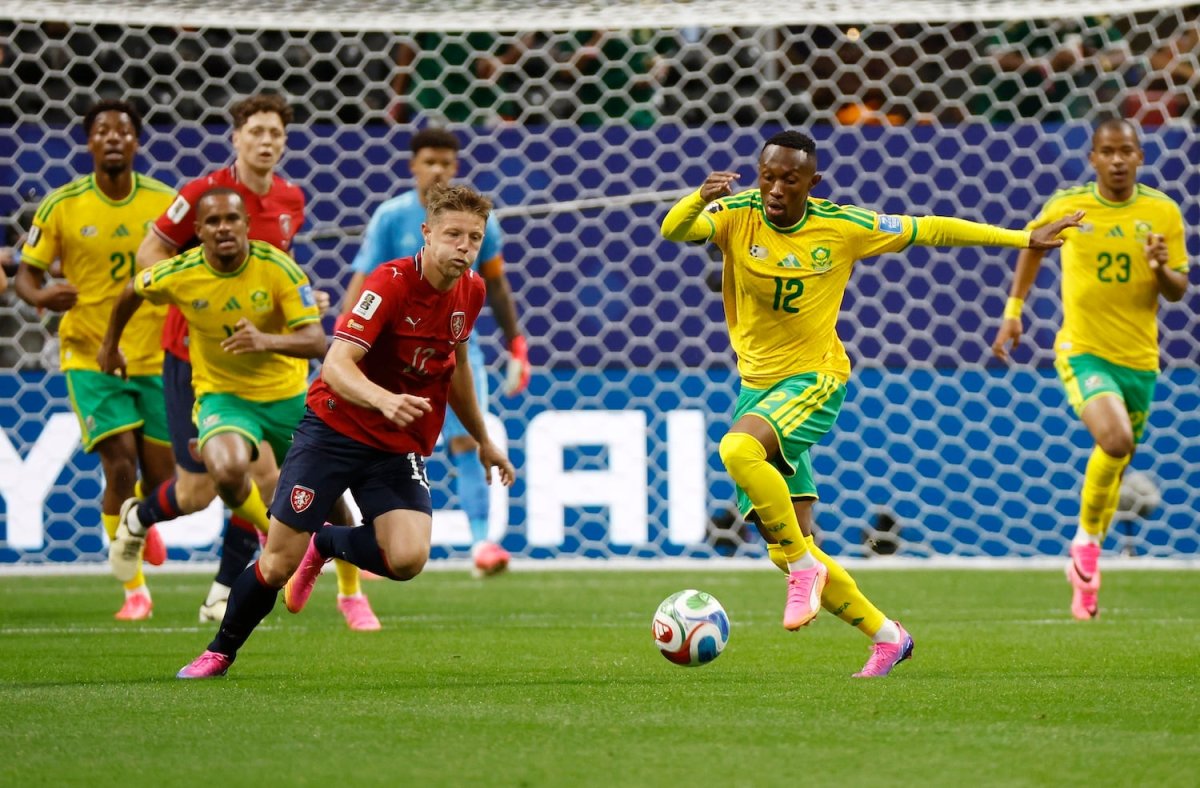
Atlanta Night of Resilience: Bafana Earn First World Cup Point
The humid Atlanta evening at Atlanta Stadium on 18 June 2026 crackled with tension as Bafana Bafana secured a vital 1-1 draw against Czechia in Group A. Referee Tori Penso from the USA pointed to the spot in the 83rd minute after Thapelo Maseko’s shot struck Pavel Sulc’s arm, allowing Teboho Mokoena to convert the penalty and claim South Africa’s first goal of the tournament. With possession heavily in Bafana’s favour at 62% and an expected goals edge of 1.23 to 1.02, the result felt like both relief and a statement of growing maturity under coach Hugo Broos.
Mexico Heartbreak: Red Cards Derail Opening Campaign
The campaign began in disaster against Mexico. Two red cards to Sithole and Zwane left Bafana with nine men and a 2-0 defeat that exposed defensive frailties and emotional control issues. Zwane’s three-match ban meant he watched from the stands in Atlanta, while Sithole also missed the Czechia clash. The loss left South Africa on zero points and facing an early exit before the group had truly begun.
Players described the dressing room after Mexico as silent and heavy. Broos refused to point fingers publicly but demanded accountability. The absence of two key midfielders forced tactical adjustments that would later prove decisive against Czechia. Grassroots coaches across the PSL watched the footage and used it in academy sessions to teach discipline under pressure.
National pride took a blow, yet the setback ignited a deeper resolve. Supporters in townships from Soweto to Khayelitsha replayed the red-card incidents on social media, turning anger into motivation for the next match.
Pre-Match Context: Slur and Historical Echoes Fuel Preparation
UEFA president comments directed at African football added fuel to the fire during the build-up. Broos used the remarks in team meetings to remind players of the broader narrative they carried. The squad trained with extra intensity at their Atlanta camp, focusing on set-piece defending and quick transitions.
Memories of the 1997 Confederations Cup 2-2 draw, where Smicer scored twice for Czechia, surfaced in media briefings. That result had shown Bafana could compete with European sides when organised. The 2006 World Cup memory of Czechia falling 2-0 to Ghana also circulated as proof that disciplined African teams could unsettle them.
With Zwane banned and Sithole unavailable, Broos handed starts to younger legs. The emphasis shifted to high pressing and maintaining width, drawing directly from successful Diski Challenge patterns seen in the PSL this season.
Match Analysis: Possession Dominance Meets Clinical Response
Bafana controlled the ball for long stretches, registering 62% possession and creating the better quality chances according to the 1.23 xG figure. Czechia sat deep, relying on Sadilek’s long-range strike in the 41st minute to take the lead. The goal came against the run of play after a rare lapse in Bafana’s midfield screening.
Broos’ side responded by shifting to a 4-2-3-1 shape after the break, allowing full-backs to push higher and create overloads on the flanks. The tactical adjustment limited Czechia to just 38% possession and forced them into low-percentage shots. Mbokazi’s reading of the game in central defence prevented several counter-attacks from developing into clear opportunities.
The decisive moment arrived when Maseko drove inside from the right and unleashed a low shot that struck Sulc’s outstretched arm. Penso’s decision stood after a brief VAR check. Mokoena’s calm finish from the spot marked the first South African goal of the 2026 tournament and shifted momentum entirely.
Substitutions added fresh legs, with Sebelebele replacing Maseko late to help close out the game. The change maintained defensive shape while preserving the attacking threat that had troubled Czechia throughout the second half.
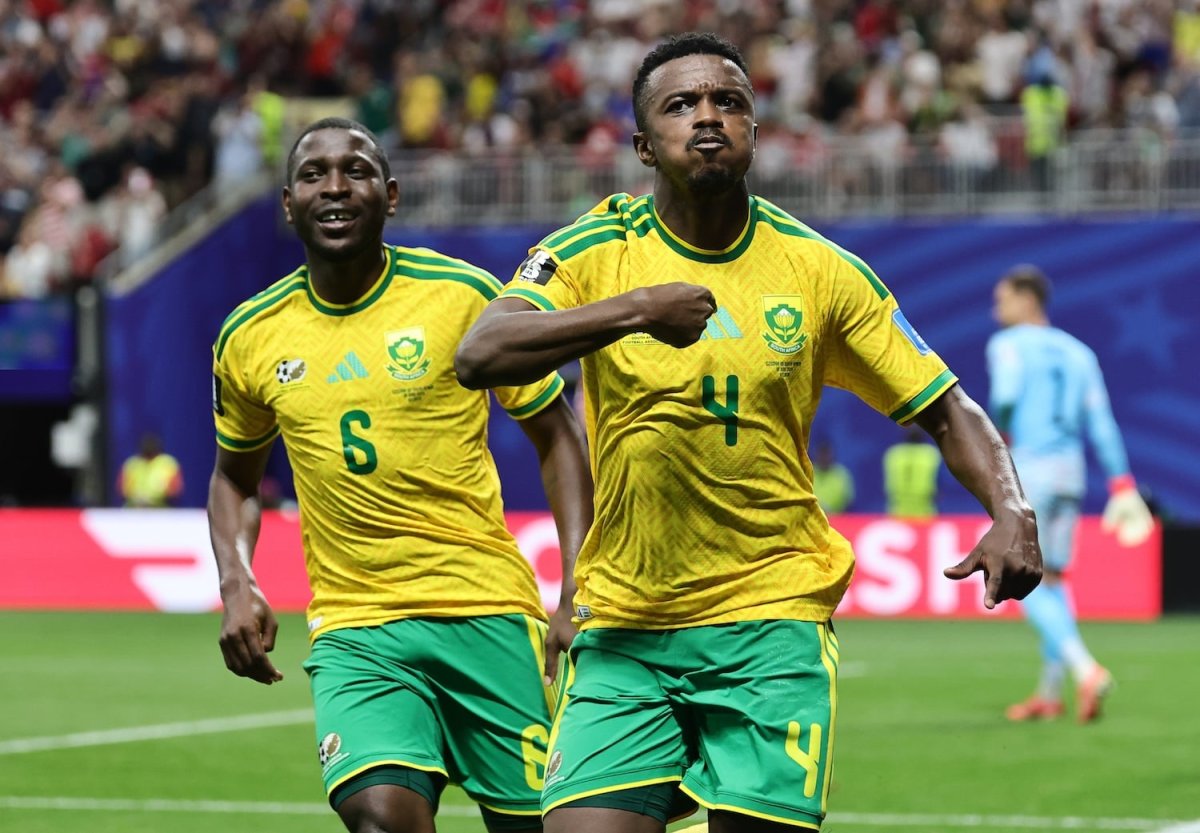
Maseko and Mbokazi: Emerging Stars Shine on Global Stage
Thapelo Maseko’s performance encapsulated the new generation of South African talent. His direct running and willingness to shoot created the penalty that rescued the point. Coming from a strong PSL campaign with his club, Maseko showed he could handle the physicality and tactical discipline required at World Cup level.
Mbokazi anchored the defence with maturity beyond his years. His positioning and ball-playing ability from the back allowed Bafana to build from deep even when Czechia pressed in numbers. Several clearances and interceptions directly prevented Czechia from doubling their lead during periods of sustained pressure.
The pair’s emergence offers hope for long-term development. PSL academies and the Diski Challenge have clearly produced players capable of competing at the highest level when given consistent opportunities. Their displays in Atlanta will inspire thousands of young South Africans watching from community fields across the country.
Historical Context: Building on Past Encounters with European Sides
The 1997 Confederations Cup meeting remains a reference point for South African football. That 2-2 draw proved Bafana could trade blows with technically gifted European teams. Broos referenced the match during preparation to remind players that history offered encouragement rather than intimidation.
Czechia’s 2006 World Cup loss to Ghana served as another motivational tool. It demonstrated that organised, athletic African sides could expose European technical teams when they sat deep and invited pressure. Bafana replicated elements of that approach, particularly in the second half when they dominated territory.
These historical threads connect directly to current development pathways. The modern PSL’s emphasis on youth integration and tactical education mirrors the conditions that produced the 1997 and 2006 generations. Continuity in coaching education across grassroots levels remains essential if these moments are to become regular rather than occasional.
South Korea Decider: Must-Win Clash to Reach Last 32
The group table now reads Mexico and South Korea on three points each, with Czechia and South Africa on one point apiece. Bafana’s fate rests entirely on defeating South Korea in their final group match. Anything less than victory will end the campaign before the knockout stage.
Broos will likely retain the same defensive structure that frustrated Czechia while adding more attacking variety in midfield. The return of suspended players is not possible, so the focus stays on the current squad’s cohesion. Set-piece execution and transition speed will again be decisive.
Supporters across South Africa have already begun planning viewing parties for the South Korea fixture. The match carries the weight of an entire nation’s expectations, yet the players appear liberated rather than burdened by the requirement to win. The Atlanta result has restored belief that qualification remains achievable.
Looking Ahead: A Platform for Sustainable Growth
The 1-1 draw represents more than a single point. It signals that South African football can compete when discipline, organisation and individual quality align. Maseko and Mbokazi’s breakthroughs offer tangible proof that the development pathway from PSL academies to the national team is functioning.
Broos now faces the task of maintaining this momentum against South Korea. The lessons from Mexico’s red-card chaos and the response against Czechia must be internalised quickly. If Bafana can replicate the second-half control and clinical finishing, the last-32 dream stays alive.
Whatever the outcome in the final group game, the Atlanta performance has already contributed to a broader narrative of progress in South African football. The next generation is watching and learning.
Tags: Bafana Bafana, World Cup 2026, Teboho Mokoena, Thapelo Maseko, Hugo Broos
By Dante Williams, Staff Writer
This article was produced with AI-assisted research and editorial support. Reporting is based on sources cited in the article.
What's Your Reaction?
 Like
0
Like
0
 Dislike
0
Dislike
0
 Love
0
Love
0
 Funny
0
Funny
0
 Wow
0
Wow
0
 Sad
0
Sad
0
 Angry
0
Angry
0

Breaking News and Investigations Correspondent at Global1.News. Based in London, covering global breaking news, security, and investigative stories. Known for digging deeper and connecting the dots across continents.









Comments (0)