
Israeli Source Confirms Mojtaba Khamenei Is Alive
An Israeli intelligence source confirmed to i24NEWS that Iran's Supreme Leader Mojtaba Khamenei is alive but severely wounded, ending months of speculation. The IRGC runs Iran day-to-day while Khamenei recovers in Qom.
In a recent i24NEWS report, an Israeli intelligence source confirmed definitively that Iran's Supreme Leader Mojtaba Khamenei is alive — ending months of speculation about his fate following the February 28 airstrikes that killed his father, Ali Khamenei. The assessment, coordinated through the Prime Minister's Office in Jerusalem, provides Israeli defense officials with critical clarity as the 2026 Iran War enters its sixth month. For readers in Tel Aviv and Jerusalem, this development directly shapes ongoing security planning by the IDF and Mossad amid a rapidly shifting regional landscape.
Israeli Source Confirms Mojtaba Khamenei Is Alive, Ending Months of Uncertainty
Jerusalem, Israel —
Israeli Intelligence Confirms Khamenei Alive
An Israeli intelligence source told i24NEWS today that officials know for certain Mojtaba Khamenei is alive even as he remains under tight Islamic Revolutionary Guard Corps control in Qom. The source emphasized that multiple intelligence assessments conducted since the initial February 28 strikes reached the same conclusion across Israeli US and Indian agencies. This confirmation comes directly from the Prime Ministers Office in Jerusalem which has coordinated with the IDF on monitoring Iranian leadership changes since the war began.The assessment rules out earlier rumors of Mojtaba Khameneis death and focuses instead on his limited ability to exercise authority while recovering. Israeli Foreign Ministry officials in Jerusalem have used this information to brief Knesset committees on potential shifts in Iranian decision making. The confirmation also supports continued IDF readiness along Israels northern borders with Lebanon and Syria where Iranian proxies remain active.
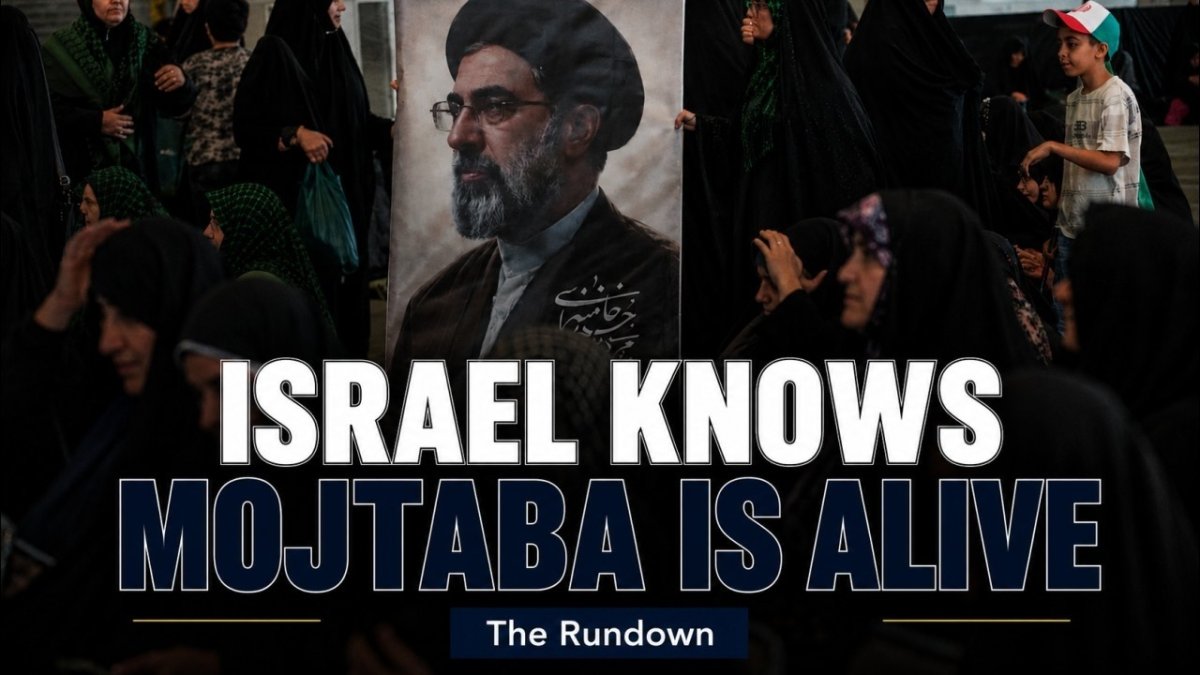
Five Months of Speculation
Speculation about Mojtaba Khameneis condition began immediately after the February 28 2026 US-Israeli airstrikes killed his father Ali Khamenei in the supreme leaders compound in central Tehran. Mojtaba Khamenei born September 8 1969 was appointed Supreme Leader of Iran on March 8 2026 just days after the attack and after serving as Vakil representative of the Supreme Leader from 2008 to 2026. His complete absence from public view since that appointment fueled months of conflicting reports reaching Israeli intelligence through the Mossad.
The absence became especially notable when Mojtaba Khamenei did not appear at his fathers funeral on July 6 2026 in Tehran. Israeli analysts in the Prime Ministers Office compared this silence to previous periods of Iranian leadership opacity during past crises involving the IRGC. Throughout this period the IDF maintained heightened alert status in the Golan Heights and along the Gaza border due to fears that Iranian allies might exploit any perceived leadership vacuum.
Since Mojtaba Khamenei's appointment as Supreme Leader on March 8 2026 rumors have proliferated across multiple channels creating a chaotic information environment for Israeli analysts. Early reports from defectors suggested he had died in the initial strikes while others claimed he was in a coma in a secret facility near the Caspian Sea. By April conflicting narratives emerged from Iranian opposition groups in Europe asserting that IRGC factions were fighting over succession. These rumors intensified in May when unverified videos purportedly showing Khamenei in a wheelchair circulated on Telegram channels monitored by Israeli intelligence. The timeline reveals a deliberate strategy of opacity by Tehran designed to mask internal power struggles during the ongoing 2026 Iran War.
Social media platforms and Iranian state media played central roles in amplifying these conflicting stories. State television in Tehran broadcast vague references to the leader's health without images while opposition accounts on X and Instagram spread graphic but unconfirmed details of his injuries. This disinformation campaign complicated Mossad and Aman efforts to separate fact from fiction. Signals intelligence from intercepted IRGC communications provided clearer insights showing that Khamenei was alive but isolated in Qom with all public statements scripted by Revolutionary Guard officers. Analysts in Tel Aviv noted how Iranian media avoided direct mentions of his condition to prevent signaling weakness to adversaries.
The absence at his father's funeral on July 6 2026 served as a critical indicator for Israeli analysts. Mossad operatives tracking the event through satellite imagery and human sources observed no sign of the new leader despite expectations of a public appearance. This fueled assessments that his injuries prevented mobility and that the IRGC was fully controlling communications. The funeral signaled to Jerusalem that Iran was operating under a collective leadership model rather than traditional clerical authority heightening alerts along northern borders.
The Wounds and the Silence
Mojtaba Khamenei suffered severe facial and leg injuries during the February 28 2026 attack on the supreme leaders compound in central Tehran according to the Israeli source cited by i24NEWS. Reports indicate his face was disfigured and he may have lost one or both legs leaving him unable to appear publicly or issue direct statements. He is currently being treated in Qom under strict IRGC supervision that controls all his communications.
This medical situation explains why no photographs or video appearances of Mojtaba Khamenei have emerged since March 8 2026. US Secretary of State Marco Rubio stated in June that he believes Khamenei is alive and increasingly engaging at some level while President Trump has described him as alive in some form. The IRGCs role in mediating every message from Qom has prevented any independent verification that could reach Israeli intelligence channels in Tel Aviv.
Who Really Runs Iran? The IRGC Factor
The Islamic Revolutionary Guard Corps is widely believed to be running Iran day to day operations while Mojtaba Khamenei recovers in Qom. This shift in power has direct implications for Israeli security assessments because the IRGC maintains operational control over proxy forces in Gaza Lebanon and Syria. The IDF has tracked increased IRGC coordination with these groups since the February 28 strikes began the current war.
Israeli officials in the Foreign Ministry note that IRGC dominance reduces the likelihood of diplomatic openings that might otherwise involve the Supreme Leader. The tight control over Mojtaba Khameneis communications in Qom further entrenches IRGC authority over any public messaging from Tehran. This dynamic has prompted the Knesset to hold additional sessions on regional escalation risks affecting daily life in Israeli border communities.
Comparisons to previous transitions highlight the unprecedented role of the Islamic Revolutionary Guard Corps in 2026. After Ayatollah Khomeini's death in 1989 the clerical establishment maintained control through swift succession to Ali Khamenei with the IRGC playing a supporting rather than dominant role. The 2026 scenario differs sharply as the Guard has assumed day-to-day governance while Mojtaba recovers under their supervision in Qom. This shift echoes elements of the 2026 appointment but extends further due to the wartime context and Khamenei's physical incapacity leaving operational decisions in military hands.
Implications for Israel's deterrence posture are significant as an IRGC-run Iran presents a more aggressive and unpredictable adversary. Jerusalem has adjusted its military planning to account for direct Revolutionary Guard influence over missile programs and proxy networks rather than traditional clerical restraint. IDF assessments indicate that this structure could lead to quicker escalation cycles along the northern front requiring enhanced readiness in the Golan Heights and improved coordination with the United States.
Proxy dynamics have also shifted with Hezbollah in Lebanon and militias in Syria and Iraq receiving more direct IRGC directives. Israeli sources report increased arms shipments and operational autonomy granted to these groups since February 2026. This development has prompted Mossad to intensify monitoring of supply routes through Syria while the IDF strengthens defenses against potential multi-front attacks coordinated from Tehran under Guard leadership.

Regional and International Implications
The confirmation that Mojtaba Khamenei is alive but incapacitated affects diplomatic calculations across the Middle East including Israels relations with Saudi Arabia and other Gulf states. Israeli intelligence sharing with the United States has intensified since the i24NEWS report to track how the IRGC might use the nominal Supreme Leader as a figurehead. This situation also influences ongoing discussions in the Prime Ministers Office about potential next steps in the war that has embroiled the entire region since February 28.
For residents in Jerusalem and Tel Aviv the news reinforces the need for sustained civil defense measures as Iranian proxies continue sporadic attacks. The Foreign Ministry has used the intelligence confirmation to coordinate with European partners on sanctions targeting IRGC leadership structures. These steps aim to limit the groups ability to project power beyond Irans borders while Mojtaba Khamenei remains sidelined in Qom.
The Broader War
On July 28 and July 29 the United States and Saudi Arabia launched joint strikes on Iran-backed militias in Iraq in response to attacks on US bases. President Trump issued new threats of additional strikes against Iran today as the conflict shows no signs of immediate de-escalation. Israeli sources separately claimed that no uranium enrichment is currently happening at Irans Pickaxe Mountain nuclear facility a development monitored closely by the IDF.
The war that began with the February 28 strikes has drawn in multiple fronts including Gaza and Lebanon where Iranian-supported groups have clashed with Israeli forces. The Prime Ministers Office in Jerusalem continues to receive daily briefings from Shin Bet and Mossad on how leadership uncertainty in Qom might affect proxy behavior. These updates help shape IDF deployment decisions across the northern and southern borders.
Recent developments in the 2026 Iran War include joint US-Saudi strikes on July 28 and 29 targeting Iranian-backed positions in Iraq. These operations focused on militia strongholds near the Syrian border disrupting supply lines that supported IRGC activities. Israeli intelligence viewed the strikes as a coordinated effort to pressure Tehran amid ongoing leadership uncertainties. The actions followed weeks of heightened tensions and aimed to degrade proxy capabilities without direct confrontation on Iranian soil.
The Pickaxe Mountain facility in central Iran has drawn particular attention from Israeli sources who confirm that uranium enrichment activities there have ceased following earlier airstrikes. Satellite imagery and signals intercepts indicate that the site suffered critical damage preventing resumption of operations. This development represents a strategic setback for Iran's nuclear program and has been cited by analysts in Jerusalem as evidence that sustained military pressure can alter Tehran's capabilities during the conflict.
Strait of Hormuz tensions have escalated with Iranian naval movements threatening global energy markets. Israeli assessments note increased IRGC naval patrols and mine-laying exercises that could disrupt oil shipments from the Persian Gulf. This has led to rising crude prices worldwide prompting diplomatic efforts by the United States and European allies to secure alternative routes. The situation underscores how the war extends beyond Iranian borders affecting international stability and requiring vigilant monitoring by IDF naval units in the region.
What Comes Next
Israeli intelligence will continue to monitor whether the IRGC allows Mojtaba Khamenei any greater public role or maintains full control from Qom. The confirmation of his survival removes one layer of uncertainty but leaves open questions about long-term Iranian command structures. Analysts in Tel Aviv expect the IRGC to keep tight control over communications to prevent any challenge to its authority during the ongoing war.
The situation also affects Israeli planning for potential further escalation involving US forces in the region. The Foreign Ministry is preparing diplomatic messaging that emphasizes the IRGCs dominant position to international partners. This approach aims to maintain pressure on Iranian proxies while the Supreme Leader remains effectively sidelined in Qom.
Israeli security officials expect the coming weeks to test whether the IRGC can sustain unified command without a fully functional Supreme Leader. The confirmation from the i24NEWS report provides a clearer baseline for IDF and Mossad assessments as the 2026 Iran War continues to influence daily security decisions from Jerusalem to the Golan Heights.
By Hannah Berg, Staff WriterThis article was produced with AI-assisted research and editorial support. Reporting is based on sources cited in the article.
What's Your Reaction?
 Like
0
Like
0
 Dislike
0
Dislike
0
 Love
0
Love
0
 Funny
0
Funny
0
 Wow
0
Wow
0
 Sad
0
Sad
0
 Angry
0
Angry
0
Israel Correspondent at Global1.News. Based in Tel Aviv, covering Israeli politics, security, technology, and society. Provides balanced, deeply-sourced reporting on one of the most closely-watched regions in the world.











Comments (0)