
A Young Forager's Return After Seven Days in Dong Yai Forest
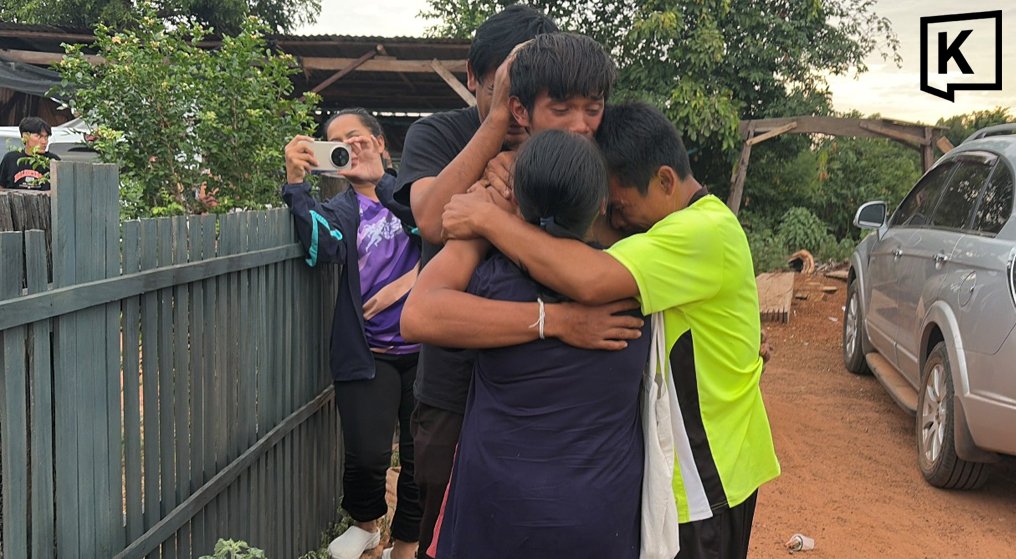
A Young Forager's Return After Seven Days in Dong Yai Forest Kitamet "Palm" Koisamran, a 22-year-old resident of Non Din Daeng district in Buriram province, walked out of the dense Dong Yai Forest last Friday evening after seven days alone. He had gone missing on 11 July while searching for wild produce with a friend.
A Young Forager's Return After Seven Days in Dong Yai Forest
Kitamet "Palm" Koisamran, a 22-year-old resident of Non Din Daeng district in Buriram province, walked out of the dense Dong Yai Forest last Friday evening after seven days alone. He had gone missing on 11 July while searching for wild produce with a friend. The young man emerged in Sra Takhian subdistrict of Soeng Sang district, Nakhon Ratchasima province, roughly 60 kilometres from his starting point, exhausted and covered in scratches on his arms and legs.
Palm told officials he had stepped away briefly and lost sight of his companion's lights. His calls for help and firecrackers brought no response, and every attempt to retrace his steps led him deeper into the thick vegetation. He survived without food, drinking only water pooled in elephant footprints and moisture from forest vines. Several herds of wild elephants passed near him, yet none harmed him during the ordeal.
Search Teams Cover Buriram's Challenging Terrain
Nearly 100 people took part in the search across Dong Yai Forest. Rescue workers, wildlife officials from Thap Lan National Park, local leaders, volunteers and villagers combed the area on foot and by motorcycle. The dense undergrowth and presence of wild elephants made progress slow and risky. Palm's parents joined the effort from the first day, walking the same trails their son had taken.
Cooperation between Buriram and Nakhon Ratchasima authorities proved essential once Palm was located. Thap Lan National Park officials received the call from the couple who found him and immediately contacted the family. This cross-province coordination reflects the practical realities of Isaan communities that straddle provincial borders and share forest resources.
Dong Yai Forest stretches across the border between Buriram and Nakhon Ratchasima provinces, forming a vast expanse of dense vegetation that includes towering dipterocarp trees and thick bamboo thickets. Wild elephants roam freely through this habitat managed in part by Thap Lan National Park, creating constant hazards for anyone venturing off marked paths near Non Din Daeng district. The terrain's steep slopes and seasonal streams further complicate movement, especially during the July rainy period when visibility drops quickly.
Search teams relied on a combination of motorcycle patrols along forest edges and systematic foot sweeps through undergrowth, with volunteers marking trails using coloured cloth strips tied to trees. Local residents from villages around Non Din Daeng shared knowledge of elephant migration routes to avoid dangerous zones while scanning for signs such as broken vines or disturbed soil. These methods drew directly from generations of experience foraging for wild produce like mushrooms and herbs that supplement household incomes in the Isaan region.
Many families in Non Din Daeng district maintain longstanding ties to Dong Yai Forest, entering its edges regularly to gather seasonal items that provide extra cash during lean agricultural months. This relationship supports daily life yet demands careful timing around elephant activity, as documented by Thap Lan National Park rangers who monitor shared boundaries with Soeng Sang district communities.
Spiritual Beliefs Guide Families in Times of Uncertainty
As days passed without news, Palm's parents turned to traditional practices common in rural Isaan. They prayed to the forest spirits and consulted a fortune teller who assured them their son remained alive. These steps are not unusual in villages around Non Din Daeng, where Buddhist teachings and respect for local spirits often work together during crises.
The mother's description of her son's survival as a miracle echoes the gratitude many Thai families express after such events. She has announced plans to have Palm ordained as a Buddhist monk to fulfil a vow made during the search. This act of merit-making is a familiar response in Thai communities when lives are spared, strengthening family bonds and local temple traditions.
In Thai Buddhist tradition, ordination as a monk serves as a direct expression of thanksgiving when a family member returns safely from danger, allowing the individual to accumulate merit that benefits both the ordained person and their relatives. Palm's mother drew on this custom, common across Buriram province temples, to transform the ordeal into an opportunity for spiritual growth and community celebration at the local wat.
Forest spirits known as phi hold an important place in Isaan village life around Non Din Daeng, where residents offer daily respect through small shrines placed at forest edges to seek protection during foraging trips. These beliefs blend seamlessly with Buddhist practices, as families in Sra Takhian subdistrict often consult both monks and spirit mediums when facing prolonged uncertainty about missing loved ones.
Temples throughout rural Buriram and Nakhon Ratchasima provinces function as central gathering points during crises, providing space for collective prayer sessions and coordination of support for affected families. In Non Din Daeng district, the local wat hosted daily gatherings where neighbours brought food offerings while awaiting updates on Palm's whereabouts, reinforcing social ties that extend beyond immediate relatives.
Community Solidarity Defines Rural Thai Response
The scale of the volunteer search highlights how tightly knit villages in Buriram operate. When official resources stretch thin across large forest areas, neighbours, temple groups and district leaders fill the gaps without hesitation. This pattern repeats across the Isaan region whenever someone goes missing in the fields or forests.
Such collective action carries wider meaning for Thailand's rural economy. Foraging for wild produce remains a source of extra income for many households, yet the dangers of elephant habitats and thick vegetation are real. Stories like Palm's remind families to balance traditional livelihoods with caution, especially near protected areas that also attract tourists.
When someone disappears in Isaan villages near Dong Yai Forest, local leaders quickly organise search parties by dividing areas among temple youth groups, motorcycle clubs and district administrative staff who work through the night using lanterns and two-way radios. This system, seen repeatedly in Non Din Daeng district, relies on personal relationships rather than formal schedules, ensuring coverage of remote trails that connect to Soeng Sang district.
Urban emergency responses in Bangkok typically involve professional teams from the Metropolitan Police and central agencies equipped with helicopters and GPS mapping, yet these systems often lack the intimate terrain knowledge that Isaan villagers bring to searches in elephant habitats. The contrast highlights how rural communities in Buriram province maintain self-reliance when facing events like Palm's seven-day absence.
Foraging continues as an economic necessity for households in Non Din Daeng district because wild produce such as bamboo shoots and medicinal roots supplements income from rice farming during off-seasons. Despite risks from wildlife in Thap Lan National Park areas, families weigh these dangers against the steady demand for forest goods in local markets, prompting ongoing discussions about safer collection practices.
Implications for Forest Safety and Regional Awareness
Palm's account of encountering elephants without incident offers a reminder of the need for respectful coexistence with wildlife in Thailand's eastern forests. National parks such as Thap Lan already work with local communities on safety guidelines, yet incidents like this one prompt renewed discussion about training and equipment for search teams.
For readers across Southeast Asia, the episode illustrates how community knowledge and spiritual resilience complement formal rescue systems. In provinces like Buriram and Nakhon Ratchasima, where agriculture and small-scale forest use support daily life, these events reinforce the value of neighbourly support networks that no government agency can fully replace.
Palm's safe passage through herds of wild elephants in Dong Yai Forest underscores the importance of maintaining respectful distance when moving through Thap Lan National Park territories, where rangers have long promoted guidelines that encourage locals to announce their presence with simple calls or bells. This approach supports coexistence between communities in Non Din Daeng district and the animals that share the same landscape.
Thap Lan National Park staff regularly hold joint meetings with village heads from Buriram and Nakhon Ratchasima provinces to review safety protocols, including maps of high-risk zones and basic first-aid training for volunteers. These partnerships help bridge gaps in equipment such as reliable communication devices that proved vital when Palm emerged in Sra Takhian subdistrict.
Future improvements could include expanded radio networks linking Non Din Daeng district teams directly with Soeng Sang district responders, along with seasonal briefings on elephant behaviour delivered at local temples before peak foraging periods. Such steps would build on the existing cross-province coordination that aided Palm's recovery while preserving the traditional livelihoods tied to the forest.
Looking Ahead After a Narrow Escape
Palm stated clearly that he will never return to the forest to forage. His family shares the same resolve. The couple in Sra Takhian who first offered him shelter and notified officials have been thanked by name in village conversations, their kindness now part of the story passed among neighbours.
The experience leaves a lasting mark on the community. Parents in Non Din Daeng now speak more openly with their children about forest risks, while local leaders consider additional safety briefings before foraging season. Palm's safe return after seven days serves as both relief and quiet lesson for the wider Isaan region.
By Ann Srisawat, Staff WriterThis article was produced with AI-assisted research and editorial support. Reporting is based on sources cited in the article.
What's Your Reaction?
 Like
0
Like
0
 Dislike
0
Dislike
0
 Love
0
Love
0
 Funny
0
Funny
0
 Wow
0
Wow
0
 Sad
0
Sad
0
 Angry
0
Angry
0

Southeast Asia Correspondent at Global1.News. Based in Bangkok, covering Thai and Southeast Asian politics, economy, technology, and culture. Deep regional perspective on one of the world's most dynamic regions.













Comments (0)