
Armenia Votes in Test of PM's Pivot Away From Russia
The Parliamentary Vote Tests Armenia's Geopolitical Direction Armenia held its parliamentary election on Sunday, placing Prime Minister Nikol Pashinyan's efforts to reduce reliance on Moscow under direct scrutiny. The contest unfolded against a backdrop of strained relations with Russia, Armenia's nominal ally through the Collective Security Treaty Organization. Pashinyan has p
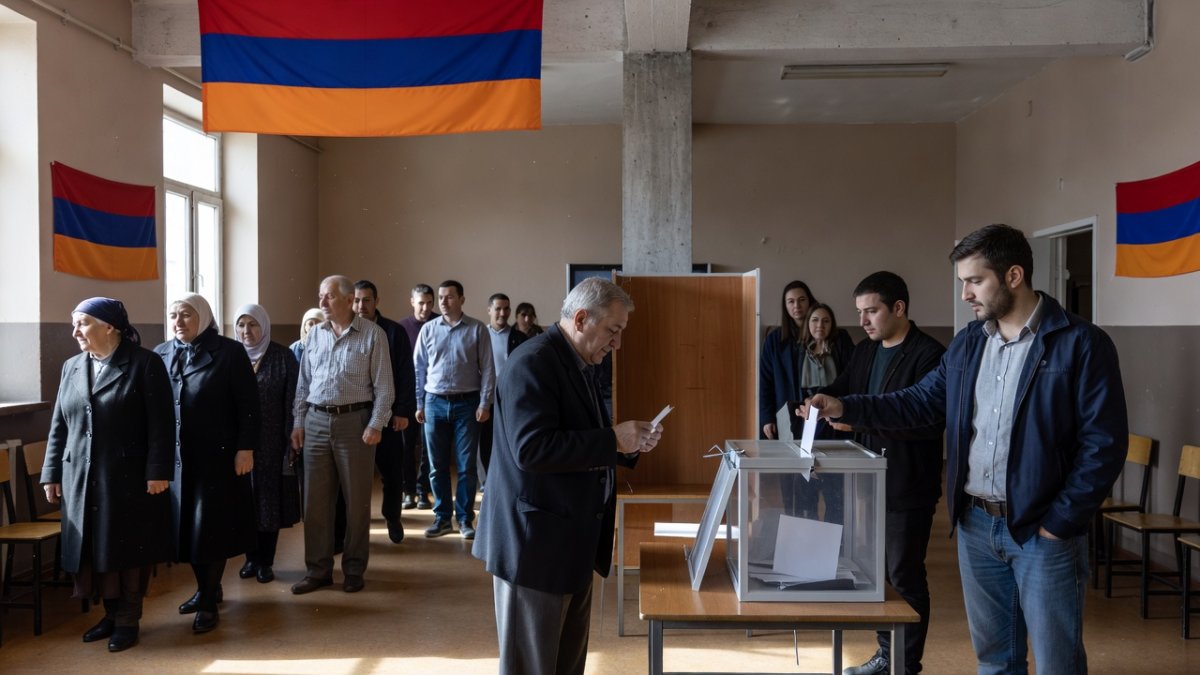
The Parliamentary Vote Tests Armenia's Geopolitical Direction
Armenia held its parliamentary election on Sunday, placing Prime Minister Nikol Pashinyan's efforts to reduce reliance on Moscow under direct scrutiny. The contest unfolded against a backdrop of strained relations with Russia, Armenia's nominal ally through the Collective Security Treaty Organization. Pashinyan has pursued closer engagement with the European Union and the United States, including steps toward possible EU membership, while freezing participation in the Russia-led security bloc.
Voters faced a choice framed by the prime minister as one between sustained peace with Azerbaijan or renewed conflict. Official results were not immediately available, yet early polling indicated Pashinyan's Civil Contract party held a lead. The Foreign Ministry in Moscow has maintained that it will respect the outcome, though Russian officials have repeatedly warned against paths resembling Ukraine's pre-2022 trajectory toward Western institutions.
Aftermath of the Karabakh Conflict Shapes Domestic Debate
The 2023 seizure of the Karabakh region by Azerbaijani forces left Armenia dealing with the displacement of most of its ethnic Armenian population from the enclave. Pashinyan has positioned his government as the only force capable of securing a durable settlement with Baku, warning that a weak showing at the polls could invite renewed hostilities within months. Opposition figures have dismissed this as alarmist rhetoric designed to consolidate support.
Many ordinary Armenians continue to grapple with the economic and social consequences of the displacement. The conflict exposed limitations in Armenia's security arrangements with Russia, prompting Pashinyan to seek alternative partnerships. This shift has become central to the campaign narrative, with both sides accusing each other of endangering national security.
Pashinyan's Balancing Act Between Moscow and the West
Since taking power in the 2018 street protests, Pashinyan has sought to diversify Armenia's foreign relations. He has emphasized that the country will maintain a balanced approach after the vote, stating there is no requirement to choose exclusively between Russia and Western partners. U.S. President Donald Trump publicly endorsed Pashinyan's re-election bid, describing him as a great friend and leader.
At the same time, Pashinyan has faced domestic criticism for what opponents call an overly rapid move away from traditional ties. Russian President Vladimir Putin noted in May that Ukraine's EU aspirations preceded the 2022 invasion, a remark widely interpreted in Yerevan as a cautionary signal. Armenian officials have rejected any direct parallel, insisting their policy remains pragmatic rather than confrontational.
Allegations of External Pressure and Economic Measures
Armenian authorities have accused unnamed actors of funding propaganda campaigns ahead of the election, while analysts have documented online misinformation and reported hacker activity favoring narratives critical of Western cooperation. In the weeks before polling, Russia imposed bans on several Armenian product imports, a step viewed by some observers as economic leverage.
The Kremlin has denied orchestrating interference, with officials stating that any choice by the Armenian people will be accepted. Pashinyan has reiterated his desire to avoid a complete rupture with Moscow, noting Russia's longstanding role as a key economic partner. These tensions reflect broader post-Soviet dynamics in which energy and security linkages continue to influence smaller states' room for maneuver.
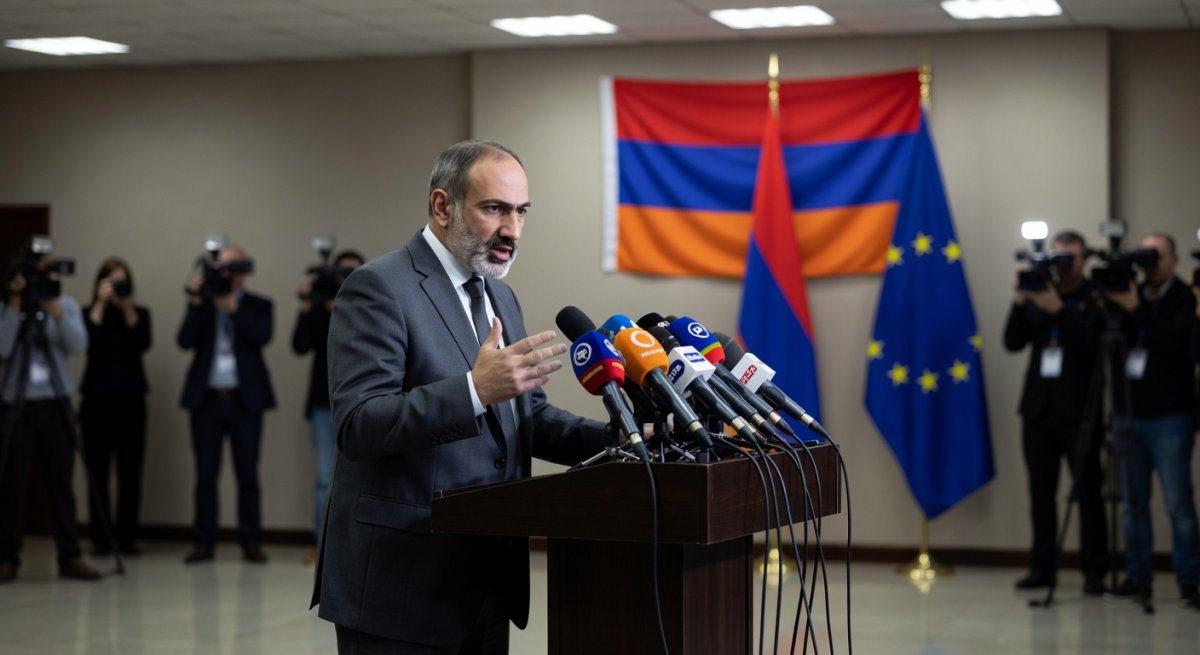
Opposition Challenges and Questions Over Democratic Standards
Businessman Samvel Karapetyan, whose Strong Armenia party placed second in pre-election surveys, has rejected accusations that he would realign the country toward Moscow. Under house arrest since last year on coup-plotting charges that he calls politically motivated, Karapetyan has warned against what he describes as Pashinyan's reckless Western orientation. He maintains that Russia remains Armenia's principal strategic and economic partner.
Pashinyan's record on governance has also drawn scrutiny. Eight years after promising to dismantle oligarchic influence, his administration faces claims of democratic erosion. For many voters, however, the main opposition remains linked to earlier periods of Russian influence and concentrated economic power. One 63-year-old craftsman told reporters he voted for Pashinyan to secure peace, while a 59-year-old engineer supported an opposition list seeking changes in both foreign and domestic policy.
European Support and Requirements for a Final Peace Deal
French President Emmanuel Macron visited Armenia in May and publicly backed Pashinyan, underscoring European interest in the outcome. The two leaders appeared together at a reception that highlighted personal rapport. Yet any constitutional amendments needed for a comprehensive peace treaty with Azerbaijan would require a two-thirds parliamentary majority, an outcome still uncertain.
The election therefore carries implications beyond Armenia's borders, affecting relations within the CSTO and the wider Caucasus region. Analysts note that the result could influence how other post-Soviet states weigh their security and economic options amid competing external pressures. Pashinyan's insistence on balance will be tested by the need to deliver both stability at home and credible progress toward peace with Azerbaijan.
By Irina Volkov, Staff Writer
This article was produced with AI-assisted research and editorial support. Reporting is based on sources cited in the article.
What's Your Reaction?
 Like
0
Like
0
 Dislike
0
Dislike
0
 Love
0
Love
0
 Funny
0
Funny
0
 Wow
0
Wow
0
 Sad
0
Sad
0
 Angry
0
Angry
0
Russia/Eastern Europe Correspondent at Global1.News. Covering Russian politics, energy, security, and the shifting dynamics of the post-Soviet space. Provides clear-eyed analysis on one of the world's most opaque regions.










Comments (0)