
Anand Condemns Iran's Attacks on Gulf Ships as Unacceptable
Anand calls Iran's attacks on Gulf ships 'unacceptable' and 'unjustified' Foreign Affairs Minister Anita Anand has described recent Iranian attacks on commercial vessels in the Persian Gulf as both unacceptable and unjustified, emphasizing Canada's solidarity with regional partners amid heightened tensions. Speaking during a visit to Jeddah, Anand stressed that while ceasefires
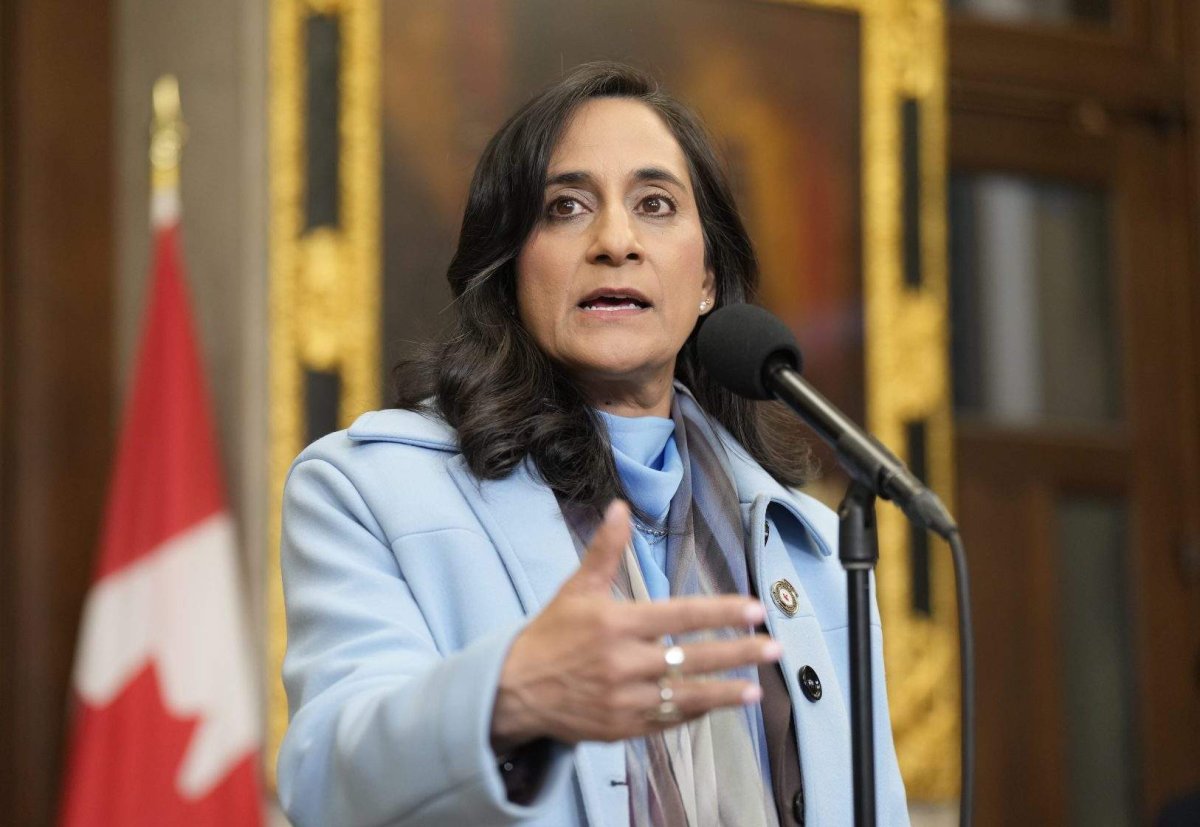
Anand calls Iran's attacks on Gulf ships 'unacceptable' and 'unjustified'
Foreign Affairs Minister Anita Anand has described recent Iranian attacks on commercial vessels in the Persian Gulf as both unacceptable and unjustified, emphasizing Canada's solidarity with regional partners amid heightened tensions. Speaking during a visit to Jeddah, Anand stressed that while ceasefires remain inherently fragile, targeting civilian shipping represents a clear escalation that threatens international norms and global commerce. Her remarks come as Canada seeks to reinforce diplomatic channels in a region critical to energy security and trade routes.
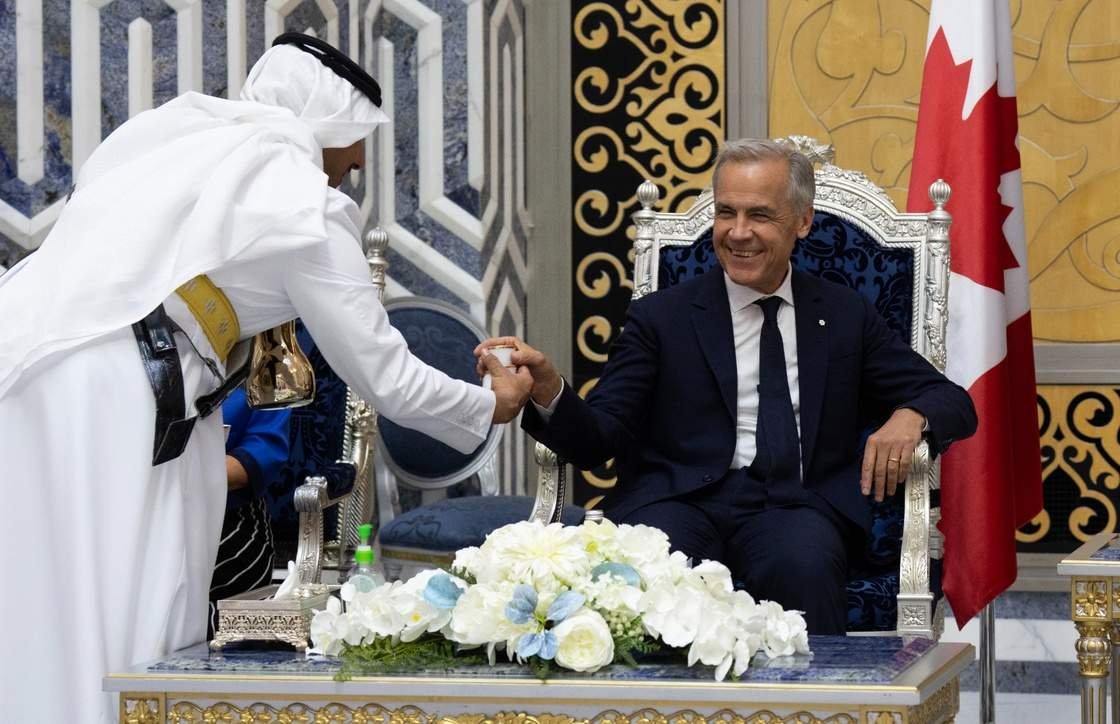
The minister met with Saudi Arabia's foreign minister to discuss the deteriorating situation, underscoring Ottawa's commitment to supporting Gulf states facing Iranian pressure. Anand noted that Iran appears intent on tightening control over the Strait of Hormuz, a vital passage for maritime traffic. Canadian officials have long monitored developments in the area given the country's reliance on stable global supply chains and its broader interest in rules-based international order.
Tags: Anita Anand, Strait of Hormuz, Iran, Saudi Arabia, Canadian foreign policy, Gulf security, Mark Carney, NATO
Meeting in Jeddah — Anand's Message to Regional Partners
During her stop in Jeddah, Minister Anand delivered a clear message of support to Persian Gulf countries confronting Iranian actions. She highlighted that Canada stands alongside these nations as Tehran responds to recent developments with strikes on commercial shipping. The discussions focused on maintaining open dialogue while condemning any moves that endanger civilian vessels or disrupt established maritime lanes.
Anand reiterated that ceasefires, though delicate by nature, do not justify strikes against non-military targets. Her presence in Saudi Arabia signals Ottawa's intent to engage directly with key regional actors rather than relying solely on multilateral forums. Canadian diplomats have historically used such bilateral meetings to gather perspectives and coordinate positions on shared security concerns.
Officials accompanying the minister noted that the talks also touched on broader stability measures, including the importance of de-escalation to prevent wider disruption. Anand's approach reflects Canada's preference for measured engagement combined with principled statements on international law.
Strait of Hormuz — A Global Trade Chokepoint Under Threat
The Strait of Hormuz remains one of the world's most critical maritime passages, carrying a substantial share of global oil and liquefied natural gas shipments. Any sustained threat to navigation through this narrow waterway carries immediate implications for energy prices and supply reliability far beyond the region. Canadian analysts have long recognized that instability here affects not only importers but also exporters dependent on predictable markets.
For Canada, disruptions in the Strait could influence both import costs for refined products and export opportunities for its own energy sector. While the country maintains diversified trade partnerships, the interconnected nature of global energy markets means ripple effects reach Canadian shores through price volatility and shipping insurance rates. Officials in Ottawa continue to track developments closely through established intelligence and diplomatic channels.
Regional partners have expressed concern that Iranian moves to assert greater control could lead to longer-term restrictions on freedom of navigation. Anand's comments align with Canada's longstanding advocacy for open sea lanes and protection of commercial traffic under international conventions.
US Airstrikes and Iranian Retaliation — Escalation Timeline
Reports indicate that new United States airstrikes against Iranian targets occurred early Thursday, following Iranian actions against vessels in the Strait of Hormuz. U.S. President Donald Trump stated that these Iranian attacks effectively ended an existing ceasefire arrangement. Tehran responded with its own strikes directed at Gulf countries, creating a rapid cycle of action and reaction.
Minister Anand's remarks in Jeddah were delivered against this backdrop of fresh military exchanges. Canadian officials have avoided direct involvement in the operational aspects while monitoring the situation for any impact on Canadian citizens or interests in the region. The sequence underscores how quickly localized incidents can broaden into wider confrontations.
Diplomats emphasize the need for all parties to exercise restraint to avoid further deterioration. Canada's position has consistently favoured diplomatic off-ramps even during periods of heightened military activity, reflecting a preference for negotiated outcomes over prolonged confrontation.
Prime Minister Carney's NATO Summit Response
Prime Minister Mark Carney addressed the situation during the NATO summit, describing Iranian behaviour as irresponsible and characterizing the American response as appropriate under the circumstances. His comments reflect Canada's alignment with alliance partners on the need to deter further destabilizing actions in the Gulf.
At the summit, Carney highlighted the importance of collective security arrangements and the role of clear messaging in discouraging escalation. Canadian contributions to NATO discussions often focus on maintaining alliance cohesion while supporting political solutions alongside military readiness. The prime minister's remarks were calibrated to signal support without committing additional Canadian forces to the immediate theatre.
Observers note that Carney's statements build on previous Canadian positions regarding maritime security and the protection of international waterways. Ottawa continues to participate in alliance planning processes that address both immediate threats and longer-term regional stability requirements.
Canada's Foreign Policy in the Gulf Region
Canada maintains a modest but consistent presence in Gulf affairs through diplomatic missions, trade promotion, and participation in multilateral security dialogues. Successive governments have balanced economic interests with support for international norms, including freedom of navigation and non-proliferation objectives. Anand's current engagement continues this pattern of calibrated involvement.
Trade ties with Gulf states include energy, aerospace, and agricultural sectors, creating mutual interests in regional stability. Canadian companies operating in the area benefit from predictable shipping conditions through the Strait of Hormuz. Disruptions therefore carry direct consequences for Canadian exporters and investors with exposure to the region.
Foreign policy practitioners in Ottawa stress the value of maintaining open lines of communication with all relevant actors. This approach allows Canada to convey concerns about civilian targeting while exploring avenues for de-escalation, consistent with its broader commitment to multilateral problem-solving.
Global Energy Markets and Economic Consequences
Heightened tensions around the Strait of Hormuz typically translate into upward pressure on global oil and gas prices, with secondary effects on inflation and economic growth projections. Canadian energy producers may experience mixed outcomes, as higher prices can improve revenues for exporters while increasing costs for domestic consumers and refiners.
Finance and natural resources officials monitor these developments for potential impacts on federal revenues and provincial budgets tied to resource royalties. Insurance and shipping costs also factor into broader supply-chain calculations for Canadian importers of goods transiting the region. The interconnected character of energy markets means even temporary closures or restrictions generate worldwide consequences.
Analysts caution that prolonged uncertainty could encourage alternative routing or accelerated investment in non-OPEC supply sources. Canada’s own energy sector remains attentive to these shifts, given its position as a significant exporter seeking stable and diversified market access.
What Happens Next
Diplomatic efforts are expected to intensify in the coming days as regional and international actors seek to prevent further escalation. Canada will likely continue coordinating with allies through NATO and other forums while maintaining bilateral contacts in the Gulf. Anand’s Jeddah visit provides a foundation for ongoing engagement on these issues.
Officials stress that sustainable solutions require addressing underlying grievances alongside immediate security concerns. Canadian policy continues to emphasize the importance of respecting international maritime law and protecting civilian infrastructure from targeting. Future steps may include additional ministerial outreach or contributions to multilateral monitoring mechanisms.
Observers anticipate that economic and energy security considerations will remain central to Canadian assessments of the situation. Ottawa will balance support for partners with a preference for negotiated restraint, consistent with its established foreign policy traditions in complex regional disputes.
By Alex Thompson, Staff Writer
This article was produced with AI-assisted research and editorial support. Reporting is based on sources cited in the article.
What's Your Reaction?
 Like
0
Like
0
 Dislike
0
Dislike
0
 Love
0
Love
0
 Funny
0
Funny
0
 Wow
0
Wow
0
 Sad
0
Sad
0
 Angry
0
Angry
0
Canada Correspondent at Global1.News. Based in Toronto, covering Canadian politics, energy, trade, and US-Canada relations. Provides the Canadian perspective on North American and global affairs.












Comments (0)