
Abuja Reggae Festival 2025: Nigeria's Capital Unites Through Peace and Unity
Reggae music has long served as a powerful force for unity and social change across Africa, drawing from its Rastafarian roots to inspire generations from Lagos to Dakar. The Abuja Reggae Festival 2025 brought this spirit to Nigeria's capital, uniting artists and audiences under messages of peace on December 18. Abuja Reggae Festival 2025: Nigeria's Capital Unites Through the S
Reggae music has long served as a powerful force for unity and social change across Africa, drawing from its Rastafarian roots to inspire generations from Lagos to Dakar. The Abuja Reggae Festival 2025 brought this spirit to Nigeria's capital, uniting artists and audiences under messages of peace on December 18.
Abuja Reggae Festival 2025: Nigeria's Capital Unites Through the Sound of Peace and Unity
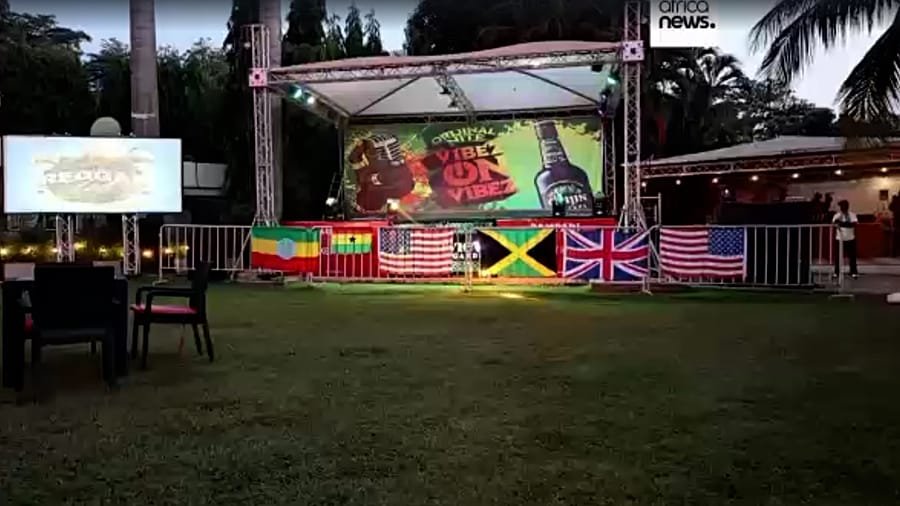
Abuja, Nigeria — The Abuja Reggae Festival 2025 took place on December 18, 2025 at Green View Garden, Gudu, Abuja. Organizers Murphy Dread and the @abujareggaefes1 collective promoted the theme "Reggae 4 humanity, peace, love & unity" with the tagline "One Love, One Beat." The event also advanced a "Greener Nigeria" environmental awareness campaign while highlighting reggae's deep roots in African identity and Rastafarianism. Africanews covered the festival on December 21, 2025 in an article by Michael Dibie.
Reggae's African Homecoming: A Festival Built on Peace and Unity
The Abuja Reggae Festival 2025 took place on December 18, 2025 at Green View Garden, Gudu, Abuja. This venue in Nigeria's capital hosted performances and discussions centered on the theme "Reggae 4 humanity, peace, love & unity" along with the tagline "One Love, One Beat."
Organizers Murphy Dread and the @abujareggaefes1 collective managed the event and can be reached at [email protected]. Their coordination brought together local and international reggae voices for a full day of music and messaging.
The festival also promoted a "Greener Nigeria" environmental awareness campaign that encouraged attendees to consider sustainability alongside cultural celebration. This component tied music directly to practical action in the Nigerian context.
Reggae music's deep roots in African identity and Rastafarianism gave the gathering added resonance. The genre has transcended its Caribbean origins to become a global phenomenon while retaining its emphasis on African heritage and resistance.
Participants at Green View Garden experienced how Rastafarian principles of unity continue to shape contemporary African cultural events. The December 18 programming demonstrated reggae's ongoing role in fostering dialogue across communities.
The combination of music, environmental messaging, and historical awareness created a focused platform that reflected broader African efforts to link artistic expression with social responsibility.
Voices from the Festival: Artists on Reggae's Message
Reggae artist Christman addressed the crowd with the statement that "Reggae music is used to preach love, peace, unity and humanity... every Reggae musician is seen as a prophet." His remarks underscored the genre's role as a vehicle for conscious messaging at the Abuja event.
Remy Salvany, a Rap/R&B artist performing at the festival, noted that "Everything about Reggae music takes me back to the time of Bob Marley and it gave me the platform to grow." His comments highlighted the enduring influence of foundational figures on newer generations of Nigerian musicians.
Device, another reggae artist at Green View Garden, observed that "All over the world, Reggae musicians want to come to Nigeria because they believe Nigeria is the market for our kind of music." This assessment pointed to the commercial and cultural pull of the Nigerian scene.
One Lord, a Ghanaian reggae artist, stated that "Everyone doing Reggae music is doing well, the sound speaks for itself." His perspective reflected the confidence many African reggae performers feel about the genre's inherent strength.
The festival served as a platform for conscious messages and social commentary throughout the day. Artists used their sets to address themes of humanity and collective responsibility in line with the event's stated theme.
This approach connects directly to Nigeria's reggae heritage through figures such as Majek Fashek and Ras Kimono, whose work established a tradition of socially engaged lyrics that continues at events like the Abuja Reggae Festival 2025.
Challenges and Opportunities for African Reggae Artists
Formidable, a UK-based Nigerian reggae artist, remarked that "Most people in Reggae outside Nigeria, especially in the UK are basically underground artists... when it comes to Nigeria, he is not really good as we sound." His comparison highlighted perceived differences in artistic development between diaspora and homegrown scenes.
African reggae artists continue to find it harder to match Afrobeats in sales and streaming numbers across the continent. This gap affects visibility and revenue for reggae performers working in markets dominated by other genres.
UNESCO designated reggae as intangible cultural heritage of humanity in 2018, providing international recognition that supports advocacy efforts by artists and organizers. The designation offers a formal framework for preserving and promoting the genre's values.
Contemporary African reggae figures such as Stonebwoy from Ghana, Alpha Blondy from Côte d'Ivoire, and Lucky Dube from South Africa maintain dedicated followings despite the competitive landscape. Their careers demonstrate the genre's sustained presence across multiple countries.
Female Nigerian reggae artist Cynthia Morgan is making a return to the scene, adding new energy to a field that has historically featured fewer women in prominent roles. Her comeback expands representation within the Nigerian reggae community.
These dynamics create both obstacles and openings for artists seeking to balance artistic integrity with commercial realities in Africa's evolving music industry.
Nigeria's Rich Reggae Heritage: From Majek Fashek to Today
Nigeria's long history with reggae music dates back to the 1970s and 1980s, when the genre first took hold in urban centers and influenced local musicians. This early adoption laid the foundation for later developments in the country's sound.
Majek Fashek, known as the "rainmaker," achieved international breakthrough with his distinctive style and socially aware lyrics. His success opened doors for subsequent Nigerian reggae artists on global stages.
Ras Kimono contributed conscious lyrics and social commentary that addressed political and everyday realities in Nigeria. His work remains a reference point for artists committed to using reggae as a tool for reflection.
Reggae in Nigeria blends with local musical traditions and Afrobeat influences, creating hybrid forms that resonate with domestic audiences. This mixing has kept the genre adaptable across decades.
The cross-pollination between reggae, dancehall, and Afrobeats appears in contemporary Nigerian music through artists such as Burna Boy, Patoranking, and Wizkid. These performers incorporate reggae and dancehall elements into their productions while reaching wide international audiences.
This heritage continues to inform new work while providing historical context for events like the Abuja Reggae Festival 2025.
Beyond individual figures, Nigeria reggae ecosystem includes sound system culture, vinyl collectors, and community radio programs that have preserved the genre through decades of changing musical tastes. In cities like Lagos, Port Harcourt, and Enugu, dedicated reggae nights and festival side events maintain spaces where the music thrives outside mainstream commercial circuits. This grassroots infrastructure has proven remarkably resilient, sustaining interest even as Afrobeats dominates airplay and streaming charts across West Africa.
Reggae as a Tool for Social Change Across Africa
Reggae music's tradition of social commentary and political consciousness remains central to its identity on the continent. Artists use the form to address inequality, governance, and community issues in direct terms.
Festivals like the Abuja Reggae Festival serve as platforms for unity in diverse societies by bringing together participants from varied backgrounds under shared musical and thematic banners. The December 18 gathering illustrated this function in Nigeria's capital.
The "Greener Nigeria" environmental component of the Abuja festival linked musical celebration to concrete ecological messaging. This integration shows how reggae events can extend their reach into practical advocacy.
Connection to Senegalese reggae and mbalax traditions appears in the broader African reggae landscape, where Dakar-based artists similarly blend local rhythms with reggae structures to address contemporary concerns. Such exchanges strengthen cross-border cultural ties.
Other African reggae festivals and cultural events use music for peace in comparable ways, reinforcing the genre's role in conflict resolution and community building across regions.
The legacy of Bob Marley's "One Love" message continues across the African continent through performances and festivals that echo its call for collective harmony and understanding.
In West Africa specifically, reggae has served as a bridge between Anglophone and Francophone musical traditions, with artists from Senegal, Ivory Coast, Ghana, and Nigeria collaborating across linguistic borders. The genre emphasis on pan-African consciousness has made it a natural vehicle for expressing solidarity with liberation movements, from anti-apartheid struggles to contemporary calls for democratic governance. This historical role gives reggae events like the Abuja festival a political weight that transcends entertainment.
What to Watch For: The Future of Reggae in Nigeria
Plans for follow-up events include a Bob Marley birthday celebration in February 2026. Organizers intend to maintain momentum from the December 18 festival through this commemorative program.
"Legends Night: Dancehall Reggae Meets Afrobeats" is scheduled as another initiative by the same team behind the Abuja Reggae Festival 2025. The event aims to explore intersections between these styles.
The Abuja Reggae Festival organizers remain active through the @abujareggaefes1 handle and continue to coordinate activities that support the local scene. Their ongoing presence helps sustain interest between major gatherings.
Growing interest in gospel reggae events in Abuja and Kaduna, including the Redeem of Light Gospel Reggae Festival, points to expanding subgenres within the broader reggae community. These events attract audiences seeking faith-based expressions of the music.
Rising independent artist DELLFIRE blends Afrobeat, dancehall, and reggae in his productions, representing a new wave of experimentation. His approach suggests pathways for reaching fresh listeners through streaming platforms.
The potential for Nigerian reggae to find new audiences through streaming platforms offers measurable opportunities for both established and emerging artists in the coming years.
Africa's reggae community continues to build on its established foundations while adapting to new platforms and partnerships that extend the genre's reach and relevance.
By Amara Diop, Staff Writer
This article was produced with AI-assisted research and editorial support. Reporting is based on sources cited in the article.
What's Your Reaction?
 Like
0
Like
0
 Dislike
0
Dislike
0
 Love
0
Love
0
 Funny
0
Funny
0
 Wow
0
Wow
0
 Sad
0
Sad
0
 Angry
0
Angry
0

West Africa/Sahel Correspondent at Global1.News. Dakar-based journalist covering politics, security, climate, and development across Francophone and Anglophone West Africa. Tells the stories of a region undergoing profound transformation.











Comments (0)