
Yarsa Gumba: Himalayan Gold Rush and India's Opportunity
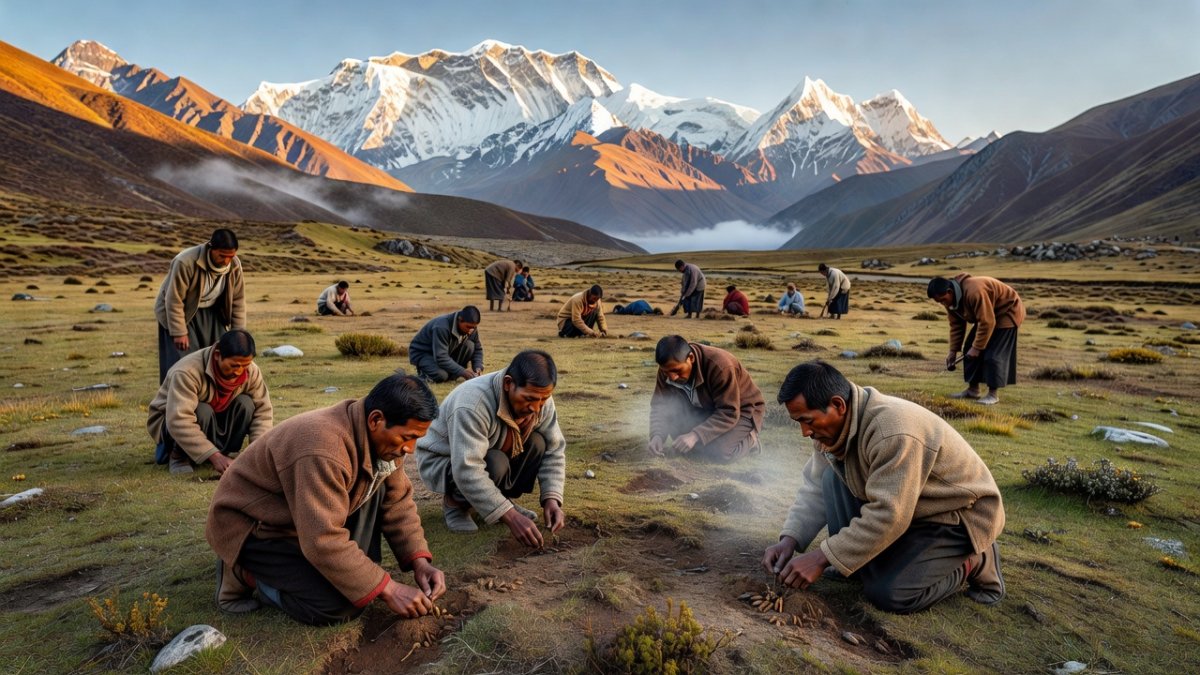
The Himalayan Gold Rush: A Multicrore Industry The market for Yarsa Gumba has exploded into a multicrore enterprise across the Himalayas. Dried specimens fetch Rs 15-20 lakh per kilogram in Indian border markets, while premium grades reach USD 100,000 per kilogram in Chinese retail outlets. This price surge reflects surging demand from affluent consumers seeking traditional sta
The Himalayan Gold Rush: A Multicrore Industry
The market for Yarsa Gumba has exploded into a multicrore enterprise across the Himalayas. Dried specimens fetch Rs 15-20 lakh per kilogram in Indian border markets, while premium grades reach USD 100,000 per kilogram in Chinese retail outlets. This price surge reflects surging demand from affluent consumers seeking traditional stamina enhancers. Collectors from Nepal, Tibet, Bhutan and Indian states converge each season, creating temporary economies that rival small industries in scale and turnover.
Trade routes snake through high passes connecting Uttarakhand villages to Nepali collection hubs and onward to Chinese pharmaceutical factories. Middlemen in Dharchula and Joshimath aggregate harvests before export, often capturing most profits while local foragers receive fractions. Cross-border economics reveal India importing processed cordyceps products from Nepal and China despite domestic availability, highlighting missed opportunities for value addition within Indian supply chains.
Thousands of seasonal migrants participate annually, drawn by potential windfalls that can exceed annual agricultural incomes. In peak years, collection zones above 10,000 feet host tent cities with makeshift markets and transport networks. Data from border trade posts indicate volumes fluctuating between 200-400 kilograms yearly from Indian territories alone, though unreported flows likely inflate totals significantly.
Policy analysts note that unregulated domestic trade contrasts sharply with Nepal’s permit systems, allowing informal networks to dominate. Chinese demand, fueled by wellness tourism and traditional medicine prescriptions, continues to drive prices upward. This dynamic positions Yarsa Gumba as both economic lifeline and source of regional inequality.
Historical records show trade accelerating after 2000 when global awareness grew through diaspora networks. Today, auction houses in Beijing and online platforms further inflate valuations, creating speculative bubbles that affect collector behavior across the range.
The Biology Behind the Bounty
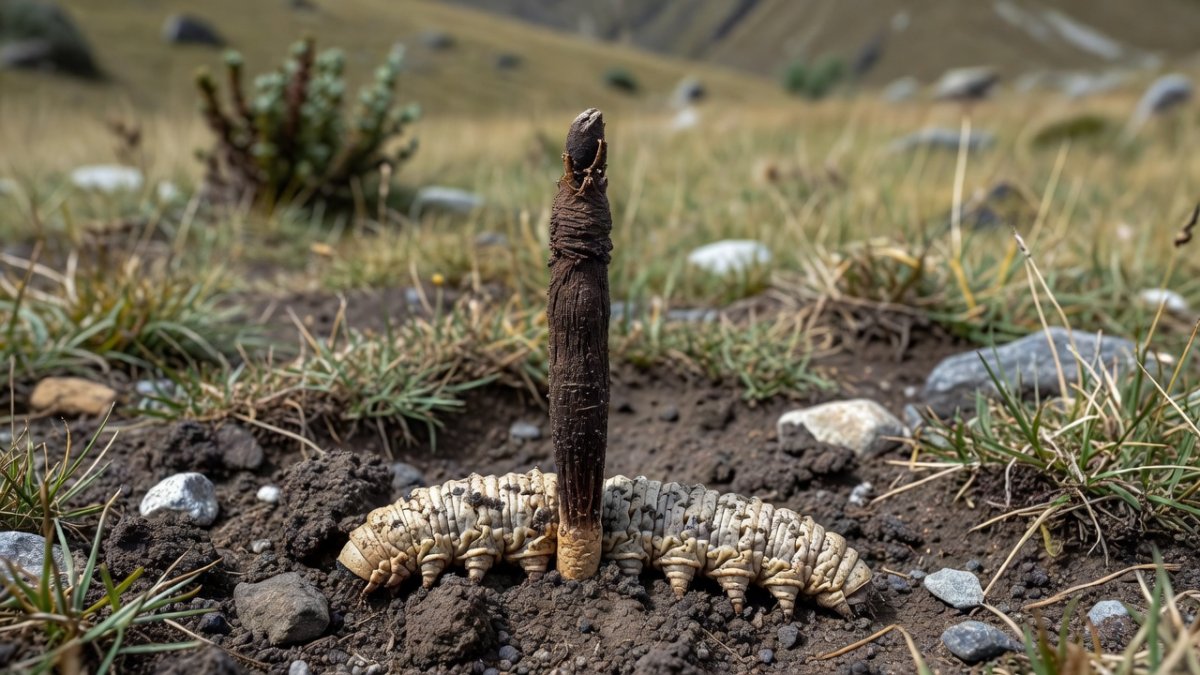
Ophiocordyceps sinensis follows a highly specialized parasitic lifecycle that explains its scarcity. The fungus infects ghost moth larvae underground during monsoon periods, eventually mummifying the host and producing a fruiting body that emerges above soil in spring. This obligate relationship with specific Thitarodes species restricts distribution to narrow ecological niches.
The collection window spans only four to six weeks in May and June when snowmelt exposes the stroma. Above 10,000-16,000 feet, temperature and moisture conditions align briefly before summer rains or autumn frosts destroy the crop. Any shift in phenology due to warming disrupts this synchronization, threatening annual yields.
Altitude constraints further limit habitat to alpine meadows with specific soil pH and vegetation cover. Uttarakhand’s Nanda Devi Biosphere and Himachal’s Lahaul-Spiti represent core Indian zones, yet surveys indicate suitable patches occupy less than 0.1 percent of total Himalayan area. Rarity stems from these combined biotic and abiotic filters.
Scientists at GB Pant Institute emphasize that overharvesting compounds natural bottlenecks by removing reproductive structures before spore dispersal. Genetic studies reveal low diversity within populations, increasing vulnerability to stochastic events such as late snowfalls.
Comparative biology with related cordyceps species shows O. sinensis possesses unique cordycepin concentrations, yet cultivation attempts outside native ranges have failed repeatedly due to missing symbionts.
Traditional Medicine Meets Modern Science
Tibetan and Chinese medical traditions have employed Yarsa Gumba for centuries to address kidney function, immunity and vitality. Classical texts describe it as balancing bodily energies, with prescriptions dating to the 15th century in regional pharmacopeias. These historical uses laid groundwork for contemporary interest among practitioners.
Modern research focuses on cordycepin, a nucleoside analog linked to enhanced ATP production in cellular models. Small-scale Chinese clinical trials report improved exercise tolerance and reduced fatigue markers, though sample sizes remain modest and methodologies vary. Indian institutions seek to replicate findings under AYUSH oversight.
The Ministry of AYUSH and National Medicinal Plants Board have initiated quality-standard frameworks to integrate cordyceps into Ayurvedic formulations. Current gaps include absence of DNA authentication protocols and heavy-metal testing specific to high-altitude specimens, risking adulteration in commercial products.
Policy depth requires harmonizing traditional knowledge with Good Manufacturing Practices. Pilot projects in Uttarakhand aim to certify collector cooperatives, ensuring traceability from meadow to capsule while preserving bioactive integrity during drying and transport.
Comparative efficacy studies against synthetic alternatives highlight potential niche applications in sports nutrition and geriatric care, provided rigorous randomized trials establish dosing guidelines acceptable to global regulators.
Recent Chinese trials published in the Journal of Ethnopharmacology have demonstrated that standardized cordycepin extracts at 1.5 grams daily improved VO2 max by 8-12 percent in middle-aged athletes over eight weeks, with measurable reductions in lactate buildup during endurance tests. Parallel Indian studies at Banaras Hindu University have isolated cordycepin fractions showing anti-inflammatory effects via NF-kB pathway inhibition in macrophage cell lines, suggesting applications in managing chronic fatigue syndromes common in high-altitude populations.
AYUSH integration efforts now include draft monographs for Ophiocordyceps sinensis in the Ayurvedic Pharmacopoeia of India, emphasizing authentication through HPLC profiling of cordycepin and adenosine markers. Collaborative workshops between the Central Council for Research in Ayurvedic Sciences and Chinese pharmacologists aim to harmonize extraction protocols, reducing variability in commercial batches that currently range from 0.1 to 0.8 percent cordycepin content.
India's Stake in the Yarsagumba Economy
Collection occurs across Uttarakhand districts including Chamoli and Pithoragarh, Himachal’s Lahaul-Spiti valleys and Arunachal’s Tawang region. Local communities have harvested for generations, yet lack formal recognition or revenue-sharing mechanisms. Annual yields from these states remain poorly quantified due to informal reporting.
Regulatory gaps persist because Yarsa Gumba falls outside core wildlife schedules, leaving forest departments without clear enforcement mandates. Collectors operate without permits in many areas, exposing them to exploitation by traders who control pricing and logistics.
The National Medicinal Plants Board possesses mandate to develop cultivation protocols and market linkages. Pilot nurseries in Chamoli demonstrate feasibility of ex-situ growth, though scaling requires investment in cold-chain infrastructure and spore inoculation techniques suited to Indian conditions.
Middlemen dominate supply chains, purchasing at village level for Rs 8-10 lakh per kilogram before exporting raw material. Value retention within India could rise dramatically through domestic processing into extracts or capsules under AYUSH-certified facilities.
Cross-border comparisons show Nepal capturing greater economic rents via regulated auctions inside national parks. India could adopt similar models while incorporating community forest rights to balance conservation with livelihood needs.
In Uttarakhand’s Chamoli and Pithoragarh districts, village-level cooperatives modeled on the Van Panchayat system have begun pooling harvests to negotiate directly with exporters, increasing collector earnings by 25-30 percent in pilot seasons. Similar initiatives in Himachal’s Lahaul-Spiti have linked foragers with state horticulture departments for subsidized drying equipment, while Arunachal’s Tawang region explores community-managed collection zones under the Forest Rights Act to formalize access and reduce middleman dominance.
Value addition potential lies in establishing AYUSH-certified extraction units near border hubs like Dharchula, converting raw specimens into standardized capsules or tinctures that command 3-5 times higher margins. Feasibility studies by the National Medicinal Plants Board project that domestic processing could retain an additional Rs 50-70 crore annually within Indian supply chains, creating skilled jobs in quality testing and packaging while meeting rising demand from domestic nutraceutical brands.
Climate Change and Conservation Concerns
Habitat suitability for Ophiocordyceps sinensis is contracting under rising temperatures. Modeling from Uttarakhand indicates upward shifts of 200-300 meters per decade, pushing viable meadows toward steeper, less accessible slopes. This migration reduces total area and increases collection hazards.
Unregulated harvesting compounds climate stress by depleting spore banks essential for natural regeneration. Without rotational closures or quota systems, populations face cumulative decline that climate refugia alone cannot offset.
Nepal’s national park model demonstrates effective conservation through permit limits and revenue sharing with buffer-zone communities. Indian authorities could adapt these approaches within biosphere reserves while aligning with National Action Plan on Climate Change priorities for alpine ecosystems.
Long-term monitoring plots established by GB Pant Institute reveal declining density trends correlated with both warming and harvest intensity. Integration of remote-sensing data with ground surveys would enable adaptive management responsive to shifting phenology.
International cooperation through SAARC mechanisms could standardize conservation protocols across borders, recognizing that fungal populations ignore political boundaries and require landscape-level protection strategies.
The Path Forward: Regulation and Opportunity
India can advance sustainable utilization by directing the National Medicinal Plants Board to establish a dedicated certification program for Yarsa Gumba collectors, requiring registration, training in low-impact harvesting techniques, and issuance of seasonal permits tied to monitored quotas. This framework would mirror Nepal’s successful auction-based system while incorporating community forest rights to ensure equitable benefit sharing and reduce illegal cross-border flows.
Inclusion of authenticated Ophiocordyceps sinensis monographs in the AYUSH Pharmacopoeia would standardize quality parameters such as minimum cordycepin content and microbial limits, enabling licensed manufacturers to produce verified formulations for domestic and export markets. Pilot inclusion under Schedule T of the Drugs and Cosmetics Act could accelerate regulatory approval for capsules and extracts, fostering investment in Good Manufacturing Practice facilities near collection zones.
Targeted research programs at IITs in Roorkee and Mandi, in partnership with the GB Pant Institute, should focus on optimizing ex-situ cultivation through controlled inoculation of Thitarodes larvae and development of climate-resilient spore strains. These efforts, supported by Department of Biotechnology grants, could yield scalable nursery protocols within five years, reducing pressure on wild populations while generating rural employment in high-altitude villages.
Cross-border cooperation with Nepal through bilateral SAARC working groups would facilitate joint monitoring of shared alpine habitats, harmonized trade data exchange, and coordinated enforcement against overharvesting. Such collaboration could include reciprocal recognition of collector certifications and joint research on phenological shifts, positioning the region as a model for transboundary medicinal plant governance.
The Bottom Line
India possesses strategic opportunity to leverage AYUSH frameworks for sustainable Yarsa Gumba utilization. Developing certified supply chains would generate rural employment while ensuring product safety for domestic and export markets. Policy coordination between environment and health ministries remains essential.
A robust sustainable harvest framework should incorporate community quotas, seasonal closures and traceability systems modeled on successful Nepali precedents. Such measures would balance economic gains against ecological limits documented in recent surveys.
Collaborative research involving IITs and AIIMS could elucidate cordycepin pharmacokinetics and validate traditional claims through standardized trials. Resulting evidence would strengthen India’s position in global nutraceutical markets and improve patient access to verified remedies.
Ultimately, transforming Himalayan gold from extractive commodity into managed resource requires integrating scientific monitoring, regulatory reform and community stewardship. Success would position India as a leader in high-value medicinal plant economies while safeguarding fragile alpine heritage.
Specific policy recommendations include amending the Wildlife Protection Act to place Ophiocordyceps sinensis under a new “medicinal fungi” schedule, enabling forest departments to issue collection licenses with embedded conservation levies that fund habitat restoration. Revenue from these levies could support seasonal medical camps and insurance for collectors, directly addressing documented health risks while generating dedicated conservation funds estimated at Rs 10-15 crore annually from regulated trade.
Additionally, the Ministry of Environment should mandate environmental impact assessments for all commercial collection zones above 10,000 feet, requiring rotational closures of 30 percent of meadows each season based on GB Pant Institute density surveys. Linking these assessments to NMPB market linkages would create enforceable incentives for sustainable practices, ensuring long-term viability of both the resource and the communities dependent on it.
 — By Dr. Raj Patel, Staff Writer
This article was produced with AI-assisted research and editorial support. Reporting is based on sources cited in the article.
What's Your Reaction?
 Like
0
Like
0
 Dislike
0
Dislike
0
 Love
0
Love
0
 Funny
0
Funny
0
 Wow
0
Wow
0
 Sad
0
Sad
0
 Angry
0
Angry
0

India/South Asia Correspondent at Global1.News. Analytical voice with a background in science and health journalism. Based in New Delhi, covering Indian politics, education, healthcare, technology, and policy. Breaks down complex data into clear, actionable reporting.















Comments (0)