
OCTA Poll: Inflation, Wages Still Top Pinoys Concerns
OCTA poll: 37% of Filipinos cite inflation as top concern, 34% prioritize wages. Corruption surges to 32%. Survey follows President Marcos SONA.
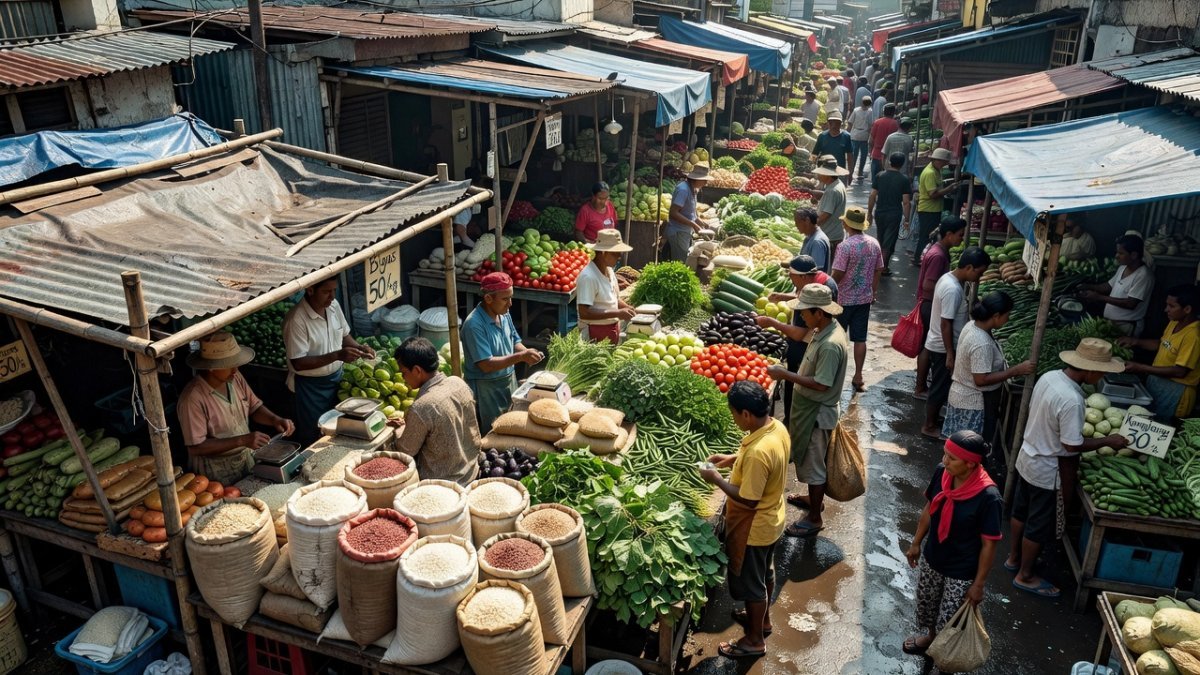
Filipinos continue to rank inflation control and wage increases as their most urgent national priorities, according to the latest OCTA Research survey released just after President Marcos’s State of the Nation Address. The nationwide poll of 1,200 respondents shows these economic pressures far outpace other issues, reflecting daily struggles with rising prices at markets and insufficient paychecks. This persistent focus underscores the need for policy responses that deliver tangible relief to households across the archipelago.
OCTA Poll: Inflation, Wages Still Top Pinoys Concerns
MANILA, Philippines — Article continues...
Survey Captures What Matters Most to Filipino Households
The latest OCTA Research Tugon ng Masa nationwide survey, conducted from July 4 to 11 with 1,200 respondents through face-to-face interviews, shows that controlling basic commodity prices and raising wages continue to dominate the list of urgent national concerns for Filipinos. Released just one day after President Marcos delivered his State of the Nation Address, the poll carries a margin of error of plus or minus 3 percent at 95 percent confidence and paints a clear picture of daily pressures felt across the archipelago.
These findings hit close to home for families who stretch every peso at the sari-sari store or wait in line for the next tricycle fare increase. Economic worries remain front and center even as other issues gain attention, reminding leaders in Congress and the Senate that policy must address the kitchen table first.
Inflation Holds Steady as the Number One Worry
Inflation was named by 37 percent of respondents as the top national concern, down from 45 percent in the March 2026 round yet still in first place. For jeepney drivers in Metro Manila and farmers in the provinces, this number translates into higher costs for fuel, feed, and basic goods that eat into already thin margins. The slight dip offers little comfort when rice, vegetables, and cooking oil continue to climb at the market.
The Bangko Sentral ng Pilipinas has kept its inflation target at 2 to 4 percent for 2025, yet actual rates hovered near 3.8 percent in the second quarter, driven largely by food items that make up over 40 percent of the consumer basket. In Metro Manila public markets monitored by the Department of Agriculture, well-milled rice climbed from 48 pesos per kilo in March 2024 to 57 pesos by June 2025, while cabbage and tomatoes posted 22 percent and 18 percent year-on-year increases, respectively. Cooking oil, largely imported, rose 15 percent to 78 pesos per liter, hitting street-food vendors who report daily sales drops of 12 percent as customers cut portions.
These price movements echo the 2022-2023 spike when inflation peaked at 8.7 percent, but the current steadier pace still outstrips wage growth for informal workers. The Department of Agriculture's monitoring shows palay farmgate prices fell 9 percent while retail rice margins widened, underscoring supply-chain inefficiencies that persist despite the Rice Tariffication Law. For a typical jeepney driver's household in Quezon City spending 2,800 pesos monthly on food, the added 450 pesos now required for staples directly reduces remittances sent to provincial relatives.
Department of Budget and Management allocations and Department of Agriculture programs will be watched closely in the coming months as households hope for relief that reaches barangay level. The persistence of this concern shows that price stability remains the foundation for any broader recovery felt by ordinary citizens.
Wages and Salaries Stay a Close Second
Wages and salaries ranked second with 34 percent, up slightly from 33 percent earlier in the year. This near-stagnant figure reflects the reality for millions of workers, including Overseas Filipino Workers who send remittances home and local employees whose paychecks barely cover rent and school supplies. Secure, well-paying jobs appeared in personal concerns at 41 percent, underscoring how pay levels affect both national priorities and individual decisions.
The Regional Tripartite Wages and Productivity Board raised the National Capital Region daily minimum wage to 645 pesos in July 2024, yet the National Wages and Productivity Commission estimates a living wage for a family of five at 1,065 pesos per day. This 420-peso gap leaves construction laborers and retail cashiers, who often earn only the minimum, unable to cover both rent and utilities without overtime or side jobs. Service-sector workers in malls report that a single hospitalization can erase three months of savings, pushing many into informal lending at 20 percent monthly interest.
Overseas Filipino worker remittances reached 3.2 trillion pesos in 2024, cushioning some households, but local wage earners without such inflows face steeper shortfalls. The Department of Labor and Employment data indicate that 62 percent of minimum-wage earners in retail and food service work more than 48 hours weekly just to meet basic needs. Historical adjustments show the 2023 increase of 33 pesos was quickly eroded by 4.2 percent food inflation, leaving real purchasing power essentially flat since 2021.
Local government units and the Department of Labor and Employment face ongoing calls to ensure that minimum wage adjustments keep pace with living costs. Without meaningful movement here, families in urban poor communities and rural areas alike will continue to juggle multiple jobs just to stay afloat.
Graft and Corruption Gains Ground in Public Attention
Concern over graft and corruption jumped six points to 32 percent, moving into third place. This rise signals renewed focus on accountability after years of frustration with how public funds are managed. The Office of the Ombudsman and Commission on Elections often become reference points when citizens discuss transparency, and the poll suggests more Filipinos want visible action on these fronts.
Public concern over corruption rose after the Commission on Audit flagged 2.8 billion pesos in unliquidated flood-control funds across three regions and the Philippine Health Insurance Corporation reported 1.4 billion pesos in questionable claims. These disclosures, covered extensively by Senate Blue Ribbon Committee hearings, revived memories of the 2013 pork-barrel scandal that once pushed similar survey readings above 35 percent. Infrastructure projects under the Build Better More program have drawn fresh scrutiny after the Department of Public Works and Highways suspended three contractors for overpricing road sections by an average of 28 percent.
Compared with 2019 levels when only 19 percent of respondents listed corruption as a top issue, the current uptick reflects both higher visibility of cases and slower prosecution rates at the Office of the Ombudsman, which resolved just 41 percent of its docket last year. Provincial farmers cite delayed irrigation projects whose budgets were allegedly diverted, forcing them to borrow at usurious rates to replant after typhoons. The cumulative effect has lowered trust in government procurement, with business groups estimating an added 15 percent cost premium on bids to cover anticipated leakages.
While economic issues still lead, the increase shows governance questions are no longer distant abstractions. Barangay captains and city officials will feel the pressure as residents link everyday price hikes to questions of where resources are going.
Education and Poverty Reduction Show Mixed Shifts
Free quality education climbed to 22 percent from 17 percent, a five-point gain that highlights the value families place on schooling for their children. Reducing poverty, however, dropped sharply to 12 percent from 20 percent. These contrasting movements indicate that while access to education remains a bright spot, broader poverty alleviation efforts have yet to register the same urgency in public perception.
Department of Education initiatives and scholarship programs touch millions of students each year, yet the survey reminds policymakers that results must be felt in actual household budgets. Communities continue to practice bayanihan to fill gaps, but sustained government support is what ultimately lifts more families out of hardship.
Personal Concerns Reveal Daily Realities
Beyond national issues, respondents shared pressing personal worries. Staying healthy topped the list at 65 percent, followed by having enough food daily at 47 percent. The ability to save money also stood at 41 percent, matching the share concerned about secure employment. These figures illustrate how inflation and wage stagnation ripple into health, nutrition, and long-term security for Filipino families.
The Philippine Statistics Authority's 2023 Family Income and Expenditure Survey found 5.5 million families living below the food threshold, spending less than 1,400 pesos monthly on meals. When combined with the 65 percent citing health worries, the data reveal that families in the Visayas and Mindanao spend 38 percent of income on medical costs versus 22 percent in the National Capital Region, largely because provincial PhilHealth-accredited facilities remain understaffed. Rural households report skipping doctor visits until conditions worsen, turning minor infections into multi-day wage losses that deepen food insecurity.
Social Weather Stations polling shows self-rated food poverty at 16.3 percent in June 2025, up two points from the prior year, with the largest increases among households earning under 15,000 pesos monthly. In provinces such as Eastern Samar, where fishing communities lost gear to recent storms, the absence of emergency savings forces reliance on conditional cash transfers that cover only 60 percent of caloric needs. Health and nutrition linkages are clearest among children: the Department of Health recorded a 9 percent rise in stunting rates in low-income regions, directly tied to the same price pressures that keep inflation at the top of national concerns.
Health centers in provinces and cities alike see the strain when medicines and check-ups compete with food costs. For tricycle operators and small vendors, a single illness can wipe out weeks of earnings, making preventive care a luxury many cannot afford. The poll data connects these intimate struggles directly to larger economic trends.
What the Numbers Mean for Policy and Communities
Economic and cost-of-living issues continue to dominate public policy priorities according to the survey notes. The renewed attention to fighting graft reflects growing expectations that accountability measures will accompany any new spending or wage proposals. With the survey released shortly after the State of the Nation Address, attention now turns to how Congress and the executive branch translate these concerns into concrete steps.
Across the country, from bustling city barangays to quiet rural sitios, the message is consistent: families need relief that shows up in lower prices and better pay. The OCTA findings serve as a reminder that progress will be measured not in speeches but in the daily lives of students, workers, and parents who keep the nation moving forward. By Bella Reyes, Staff Writer
This article was produced with AI-assisted research and editorial support. Reporting is based on sources cited in the article.
What's Your Reaction?
 Like
0
Like
0
 Dislike
0
Dislike
0
 Love
0
Love
0
 Funny
0
Funny
0
 Wow
0
Wow
0
 Sad
0
Sad
0
 Angry
0
Angry
0

Philippines/Southeast Asia Correspondent at Global1.News. Manila-based journalist covering Philippine politics, environment, maritime security, and social issues. Passionate about marine conservation and the communities protecting the Philippines' natural heritage.












Comments (0)